Messe Düsseldorf Asia Ignites $26 Trillion ASEAN Investment Wave, Elevating Thailand as a Magnet for Materials and Innovation, Kicking Off Wire & Tube 2025 This September
Exploring the Steel, Wire, Tube, and Cable Market in ASEAN: A Region with Huge Demand, While Looking Ahead Thailand's Journey Towards Becoming the Hub for High-Quality Structural Materials in ASEAN
The ASEAN region is undergoing a significant overhaul of its infrastructure under the MPAC 2025 master plan, aimed at enhancing the region's competitiveness through four key pillars: energy, transportation, digital technology, and urban development. These mega-trends are not only accelerating large construction projects across several countries but also creating new demand in the infrastructure materials market, including steel, wire, pipes, and metals, which must not only meet quantity requirements but also come with high quality, sustainability, and intelligence to support smart cities and the Net-Zero economy that is becoming a shared goal across the region.
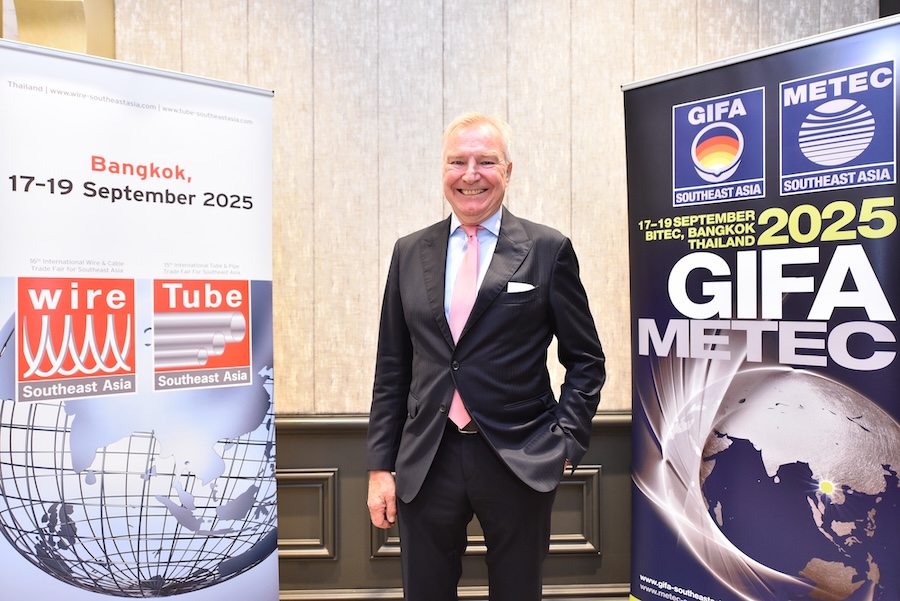
Amidst this wave of change, “Messe Düsseldorf Asia” as a leader in global industrial exhibitions recognizes the potential and pathways to increase investment, adaptation, and competition in related dimensions. It is preparing to open a significant platform for Thai and regional players to understand trends and prepare through the Wire & Tube Southeast Asia 2025 event, scheduled for September 17-19, 2025, at BITEC Bangna, to collectively chart a new future for the construction materials industry in ASEAN. Additionally, it will analyze various potentials within ASEAN, highlighting numerous interesting and beneficial issues for various macro sectors.
ASEAN Estimates $26 Trillion Ready to Invest in New Era Infrastructure
The rapid economic growth in the ASEAN region has significantly increased the trend of investment in infrastructure. It is projected that by 2030, Southeast Asia will require approximately $26 trillion in infrastructure investment, with around $14.7 trillion for power generation, $8.4 trillion for transportation systems, approximately $2.3 trillion for telecommunications, and other infrastructure investments to support the growth of the digital economy of about $2 trillion. This figure reflects the region's magnetism in attracting global capital to seize opportunities to shape the future landscape of cities, industries, and the environment. Similarly, the International Monetary Fund (IMF) forecasts that Southeast Asia's GDP from infrastructure investment will rise to $4.25 trillion by 2025 and $5.55 trillion by 2029 to elevate infrastructure systems in line with global changes, including clean energy, seamless transportation systems, sustainable smart cities, and digital technologies like 5G-6G. This direction of upgrading infrastructure systems is not merely a movement within any single country but a collective driving force of ASEAN, aligning with the Master Plan on ASEAN Connectivity 2025 (MPAC 2025) and the ASEAN Infrastructure Fund (AIF), which emphasizes environmentally friendly infrastructure investments that cater to the rapidly expanding urban growth across the region and the Net-Zero economy focused on driving an economy that achieves net-zero greenhouse gas emissions.
Consequently, the inevitable outcome is the demand for high-quality and environmentally friendly construction materials, whether it be green steel, High-Density Polyethylene (HDPE) pipes, or smart cables, which have become crucial factors in accelerating mega-projects across the region. Currently, ASEAN is driving several large-scale projects, reflecting a commitment to urban development and a genuine move towards sustainability, such as Indonesia's new capital project, Nusantara, designed as a smart green city, while Singapore is constructing the fifth passenger terminal at Changi Airport with energy-saving concepts and significant job creation opportunities. Vietnam has launched its first subway line in Hanoi, aimed at reducing pollution, solving traffic issues, and driving urban economic growth. These projects underscore the direction of urban development in ASEAN that emphasizes the integration of innovation, technology, and sustainable approaches.
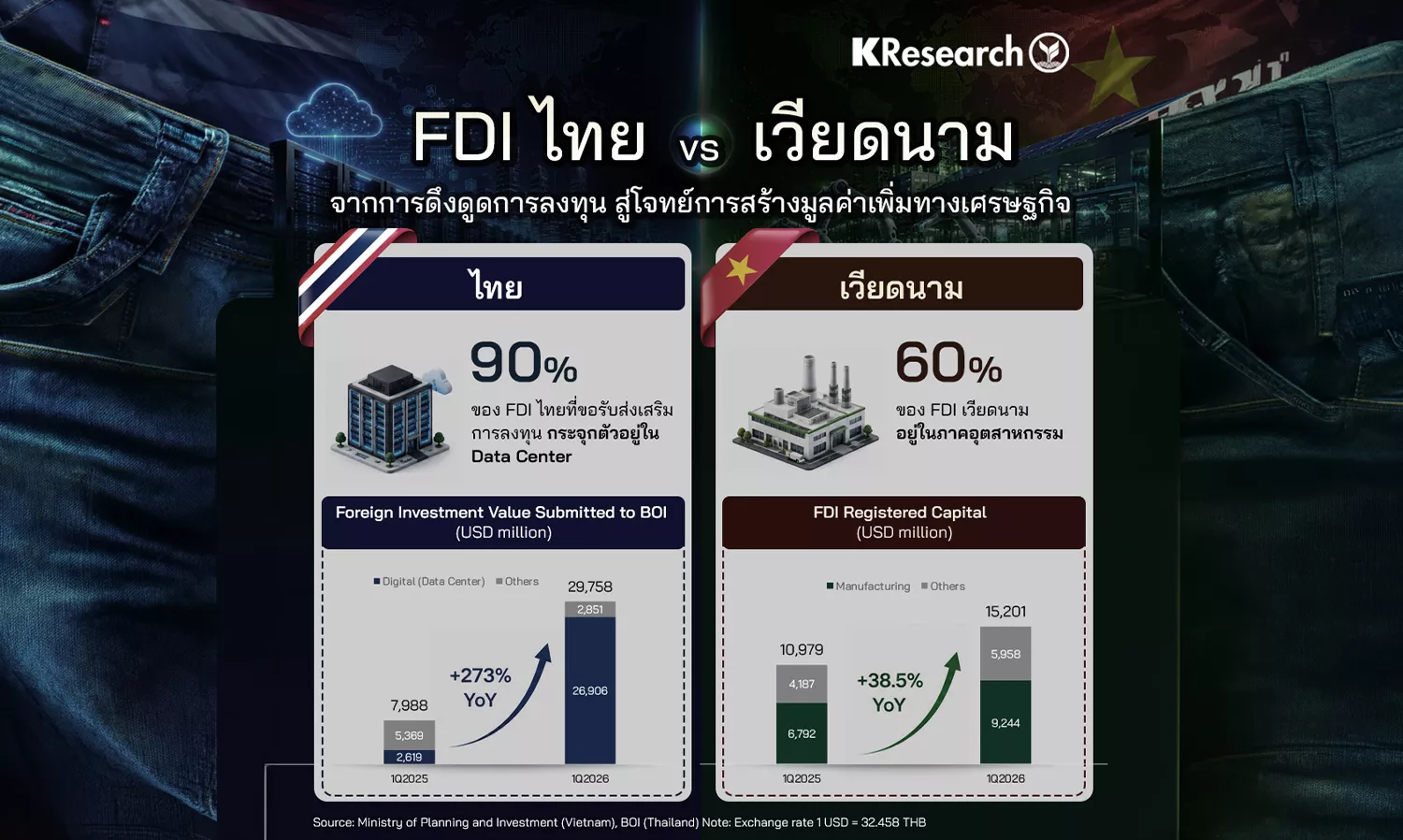
Meanwhile, the ASEAN Investment Report 2024 reveals the region's strength as a destination for foreign direct investment (FDI), with FDI exceeding $230 billion in 2023, marking a record high despite a global investment slowdown. Notably, a significant amount of FDI in ASEAN is targeting digital and green technology, renewable energy, electric vehicles, and the digital economy, signaling investor confidence in the future growth of the ASEAN region. The trend of FDI focusing on sustainability and advanced technology directly impacts the demand for new construction materials, whether it be specialized cables for electric vehicle charging stations or materials ready to support the installation of smart city technologies, as urban development across ASEAN is rapidly transforming. This presents a golden opportunity for Thailand's materials industry, which has high potential to meet the changing market demands, particularly in terms of sustainability and innovation, to be part of creating a truly new future for the region.
“Steel, Wire, Pipe, Metal” - The Heart of Development as the Market Seeks Quality Over Cost
As ASEAN accelerates infrastructure development, materials such as steel, wire, pipes, and various metals have become critical variables in constructing high-rise buildings, high-speed rail systems, airports, or large smart city projects, all of which require strong, durable infrastructure materials that meet international standards. Currently, the demand for steel, wire, pipes, and metals is as follows:
- The demand for steel in Thailand in 2025 is expected to grow by 1.7%, with usage around 16.2 million tons, driven by government construction projects. However, steel prices are projected to decrease by an average of 4.8% due to raw material costs and competition with cheaper imported steel from China and other Southeast Asian countries, particularly Japan and South Korea, affecting overall regional competition. For Thailand, steel production is expected to slightly increase to 6.4 million tons but still faces low utilization rates. In Southeast Asia, the volume of imported steel is likely to rise from the highly competitive steel market in the region, prompting Thai producers to adapt in terms of quality and standards to maintain growth and investment in this industry.
- The wire market in the Asia-Pacific region is valued at $81.2 billion in 2024 and is expected to grow at a compound annual growth rate (CAGR) of 6.43% from 2025-2032. The electrical and control cable market is valued at $63.3 billion in 2024 and is projected to grow at a CAGR of 7.2% from 2025-2034, driven by industrial development, urban expansion, and investments in energy and telecommunications.
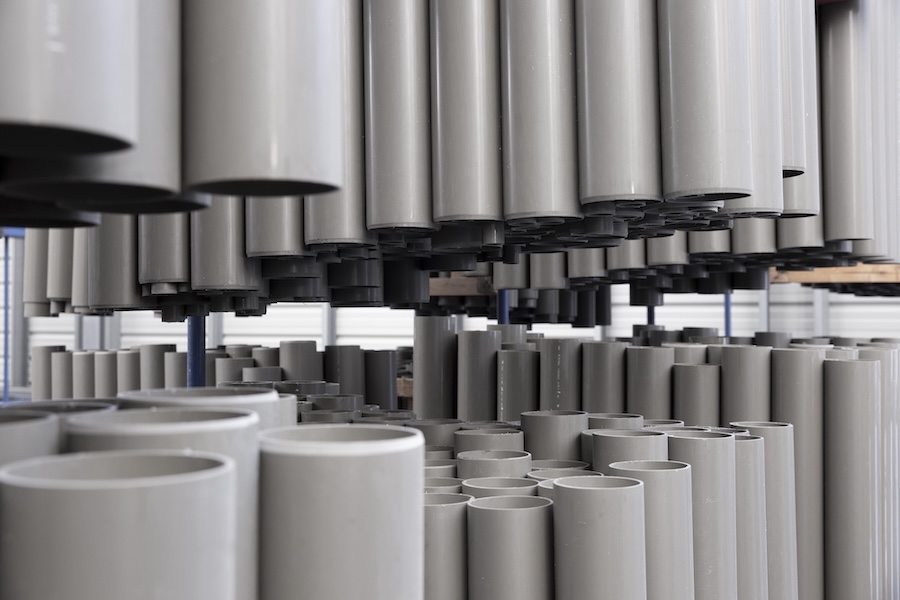
- The pipe market in ASEAN is expected to grow significantly, with the plastic pipe market in Southeast Asia valued at $9.09 billion in 2024 and projected to grow at an average of 14.3% per year until 2030, with Indonesia currently dominating the market and Vietnam experiencing the fastest growth.
Despite the global economy being in a slowdown, this industry is showing growth trends contrary to the current situation, especially as many countries in ASEAN begin to look beyond cheap materials and consider long-term value instead, resulting in quality products becoming the stars of this new industry. Therefore, Thai manufacturers capable of producing specialized materials that are reliable, of high standards, and environmentally compliant are gaining more interest. This is a crucial factor driving Thailand's infrastructure materials industry to potentially become a regional leader and climb to the global market if it can systematically and continuously enhance its advantages.
Thailand's Journey Towards Becoming the Hub for High-Quality Structural Materials in ASEAN
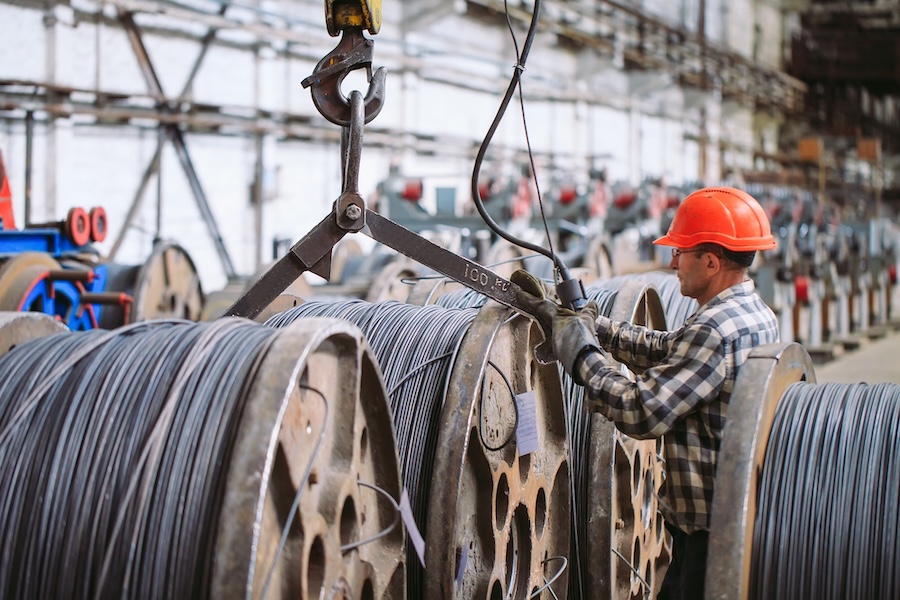
Thailand possesses several key elements that support its emergence as a leader in the advanced structural materials industry, both geographically located in the heart of ASEAN and industrially with a diverse and interconnected manufacturing base, ranging from hot-rolled and cold-rolled steel, copper wire, to high-tech plastic pipes. Thailand also has strong domestic demand driven by investments in several mega-projects, such as the Eastern Economic Corridor (ECC), the expansion of Suvarnabhumi Airport Phase 2, and various smart city projects that incorporate technology and innovation to enhance the quality of life for citizens and the environment. This allows operators to maintain continuous production and large-scale capacity for export. Additionally, the Thai government has a clear direction to promote sustainable growth in this industry, including promoting the use of environmentally friendly green steel, tax measures, and anti-dumping measures to protect domestic producers, which are essential tools to support and propel Thailand into becoming the true hub of high-quality structural materials in the region. When all these factors come together harmoniously, Thailand emerges as a country with a comprehensive industrial ecosystem for structural materials and is ready to showcase its potential on the upcoming international stage.
“Wire & Tube Southeast Asia 2025” - A Platform to Showcase the Strength of the Thai Industry to the World
To respond to the growth of the infrastructure industry that is transforming the ASEAN region and to showcase the potential of the Thai industry on the global stage, Messe Düsseldorf Asia is preparing to open the “Wire & Tube Southeast Asia 2025” event, marking the 16th edition of this grand exhibition in Southeast Asia. Highlights of this event will include the gathering of operators from Thailand and across Asia to showcase quality products, along with a business matching area that opens up international trade opportunities and a Talk Session inviting all sectors to explore the future of this industry in terms of technology, environment, and economy. This event is not only a showcase platform but also an All-In-One platform where Thailand can demonstrate its potential as a hub for structural material production, driving the Thai infrastructure industry to the ASEAN and international stage, scheduled for September 17-19, 2025, at Hall 102-103, BITEC Bangna. More details about the event can be found at https://www.wire-southeastasia.com/