Philips Unveils Future Innovations in Heart Disease Care at the APAC Cardiology Symposium 2025
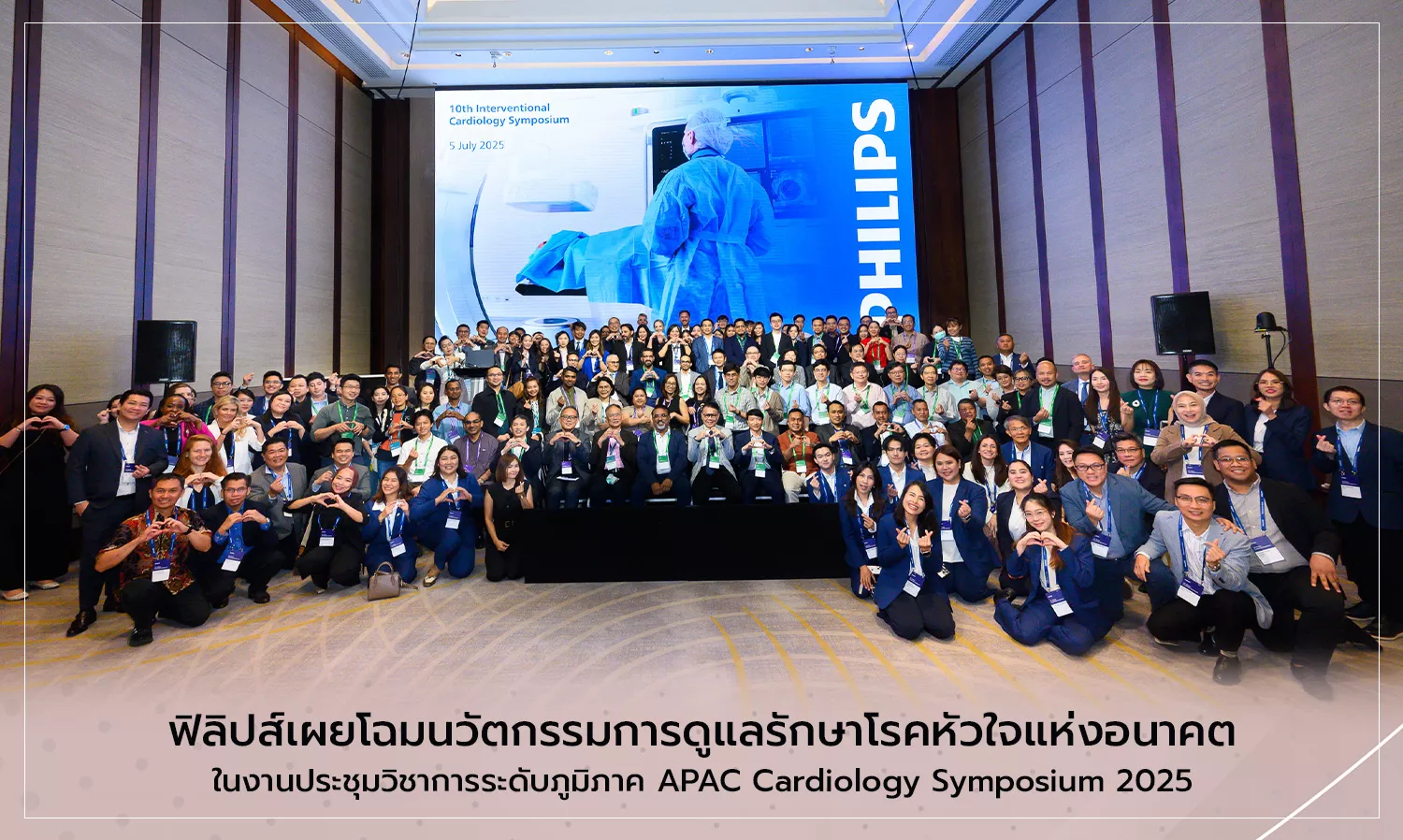
Royal Philips (NYSE: PHG, AEX: PHIA), a global leader in health technology, hosted the 10th regional “APAC Cardiology Symposium 2025” at the Conrad Hotel in Bangkok. The event brought together over 100 healthcare professionals, including cardiologists, cardiovascular surgeons, radiologists, and nurses from leading hospitals across eight Asia-Pacific countries: Thailand, Singapore, Indonesia, Vietnam, the Philippines, Malaysia, India, and the United Arab Emirates.
The symposium featured in-depth medical conferences, presentations of the latest innovations in cardiovascular care, expert panel discussions, hands-on workshops, and simulations of patient care scenarios in hospitals, covering everything from emergency care to catheterization lab procedures and recovery in patient wards. The three main topics included: 1. Structural Heart Disease 2. Coronary Disease 3. Cardiac Workflow Optimization.
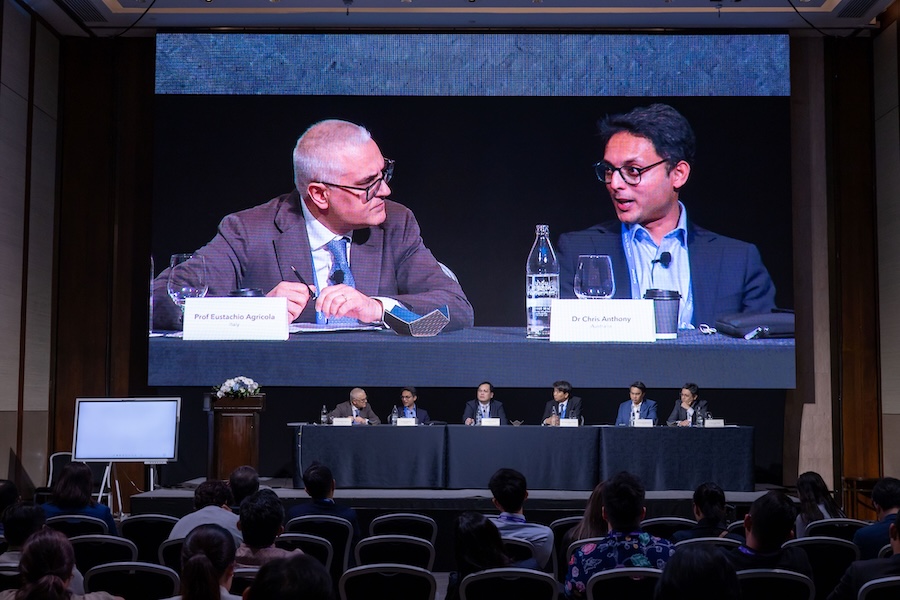
This marks the 10th edition of the ‘Philips Cardiology Symposium’, which has evolved into a regional academic platform. Philips aims to foster international academic and medical collaboration. This year's event featured over 15 regional and international expert speakers sharing knowledge and experiences using advanced technology in heart disease care and procedures, including Dr. Viktor Kocha from Prague, Professor Lukasz Chrzanowski from Poland, Professor Eustachio Agricola from Italy, Dr. Chris Anthony from Australia, and Dr. Natthawut Wongpraparat from Thailand.
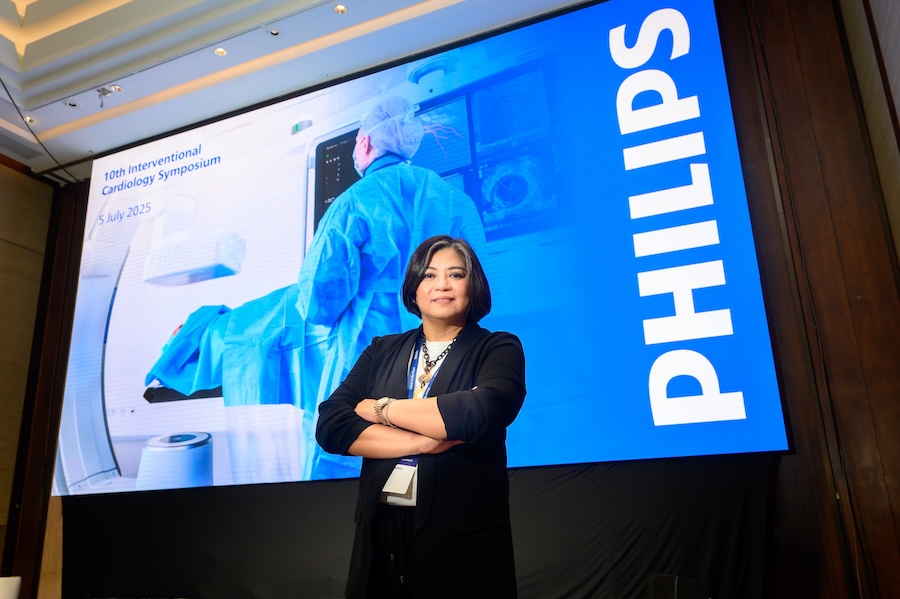
Dr. Concon Molina, Director of Image Guided Therapy Systems at Philips Asia-Pacific (APAC) and Marketing Executive at Philips Growth Region, stated, “Hosting this academic conference in Thailand reflects Philips' long-term commitment to enhancing cardiovascular care in the region by bringing together experts from various countries, showcasing global innovations, and sharing patient care experiences on this academic platform. This will support and empower cardiologists and cardiovascular surgeons to achieve better patient outcomes.”
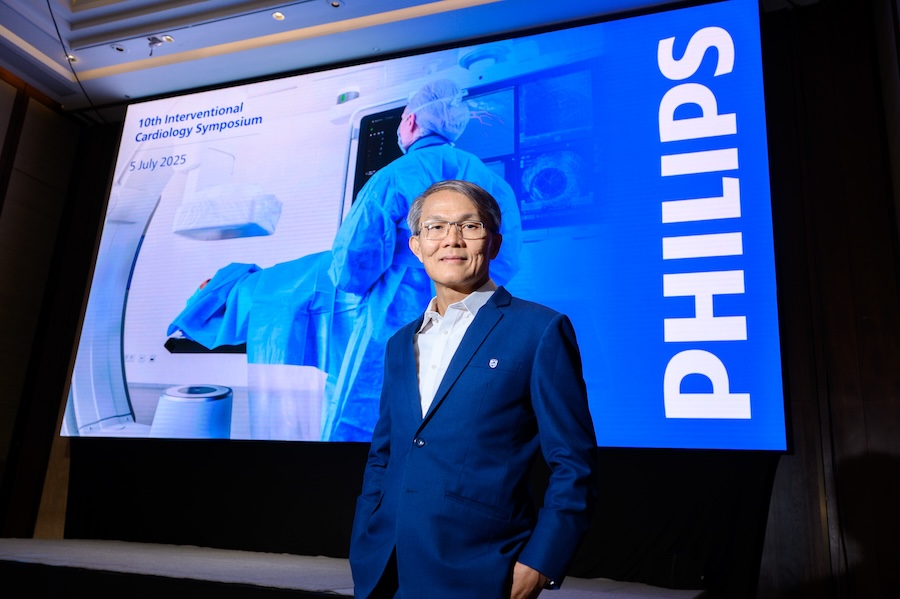
Mr. Wiroj Wittyawiroj, President and Managing Director of Philips (Thailand) Ltd., remarked, “Cardiovascular diseases remain the leading cause of death worldwide. According to the Ministry of Public Health, in 2023, there were over 250,000 patients with cardiovascular diseases in Thailand, resulting in approximately 40,000 deaths. We recognize the importance of our commitment to enhancing the Thai healthcare system through innovation, knowledge development, and close collaboration with cardiovascular specialists in Thailand. Participating in the ‘APAC Cardiology Symposium’ allows us to relay Thai physicians' insights to Philips Global, which will influence future innovation development. Simultaneously, Thai doctors can exchange knowledge with international experts and update themselves on the latest medical technologies for heart disease care. We sincerely hope this symposium will inspire sustainable advancements in heart health care for the Thai population.”
Reducing Risks in Cardiovascular Procedures
Coronary Artery Disease (CAD) is the most common heart disease globally. Minimally invasive procedures such as Percutaneous Coronary Intervention (PCI), which helps restore normal blood flow in blocked arteries, are widely used treatment methods.
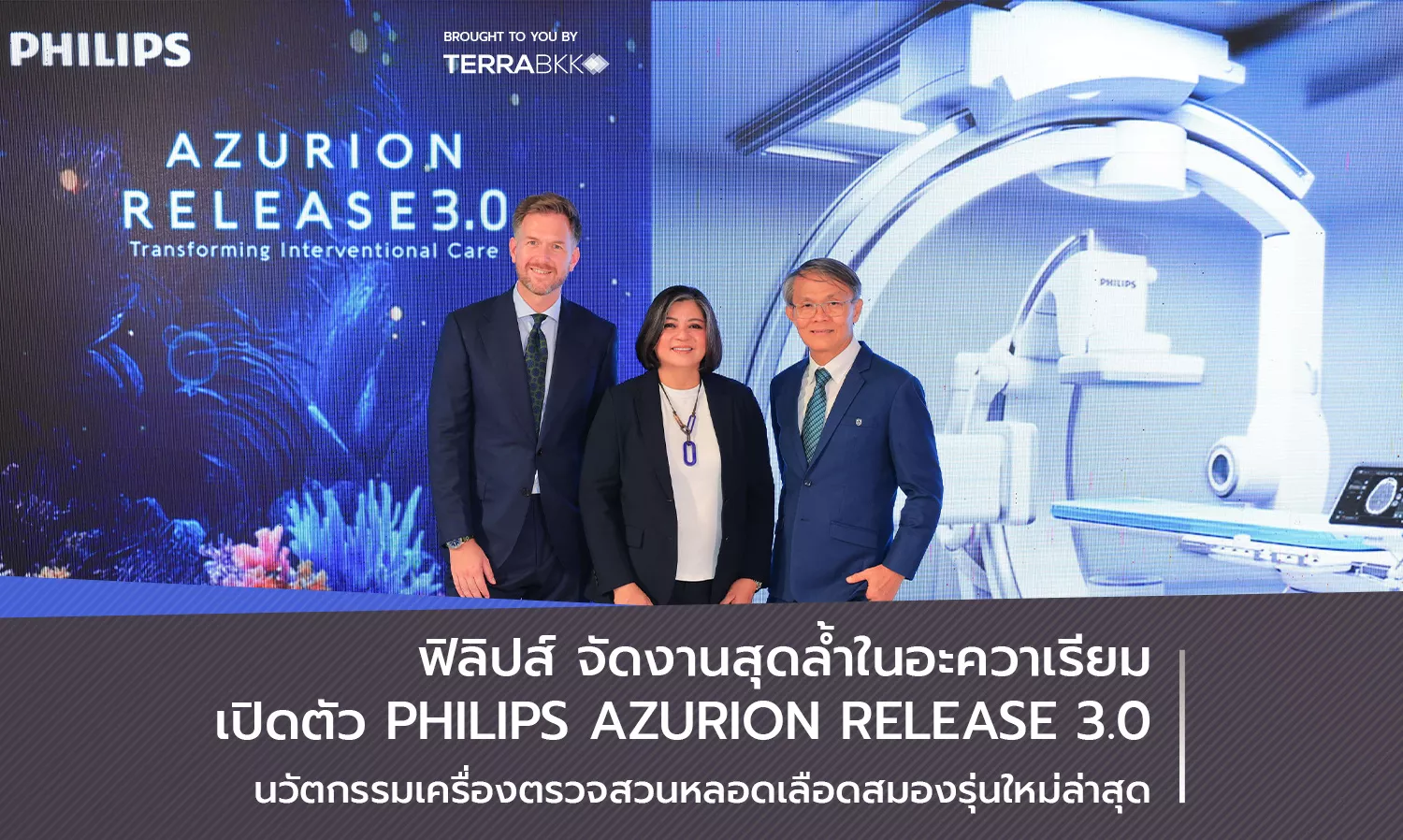
The symposium included knowledge exchange and discussions on the latest imaging technology designed to enhance safety and improve workflow processes while accommodating the increasing workload of medical teams in the lab. Emphasis was placed on reducing radiation exposure during diagnostic procedures, a primary concern for both patients and medical personnel, while maintaining high standards of diagnostic image clarity and confidence.
Reducing radiation exposure while ensuring diagnostic images remain clear or even better is a crucial aspect of innovations in catheterization and vascular imaging. Physicians performing procedures require high-quality imaging with low radiation exposure to make informed decisions at various stages of patient care. For patients with complex symptoms or those needing follow-up examinations and treatments, minimizing radiation exposure is vital. In May 2025, Philips released findings from the RADIQAL study, which collected data from over 800 patients in Europe and the United States to evaluate whether ultra-low dose imaging technology could reduce radiation exposure without compromising the quality of coronary disease treatment.
Enhancing Workflow Efficiency in Cath Labs
Currently, healthcare providers face increasing demands in cardiovascular care, making workflow optimization and improving treatment outcomes in catheterization labs (Cath Labs) more critical than ever. This conference addressed key issues regarding system design and integrated treatment approaches that enhance monitoring and decision-making efficiency during procedures.
Additionally, participants learned about continuous vital sign monitoring solutions, user-friendly display screens, and imaging tools that simplify usage, reduce training time, and support seamless collaboration between the procedure and control room, allowing medical teams to focus more on patients and enhance care coordination.