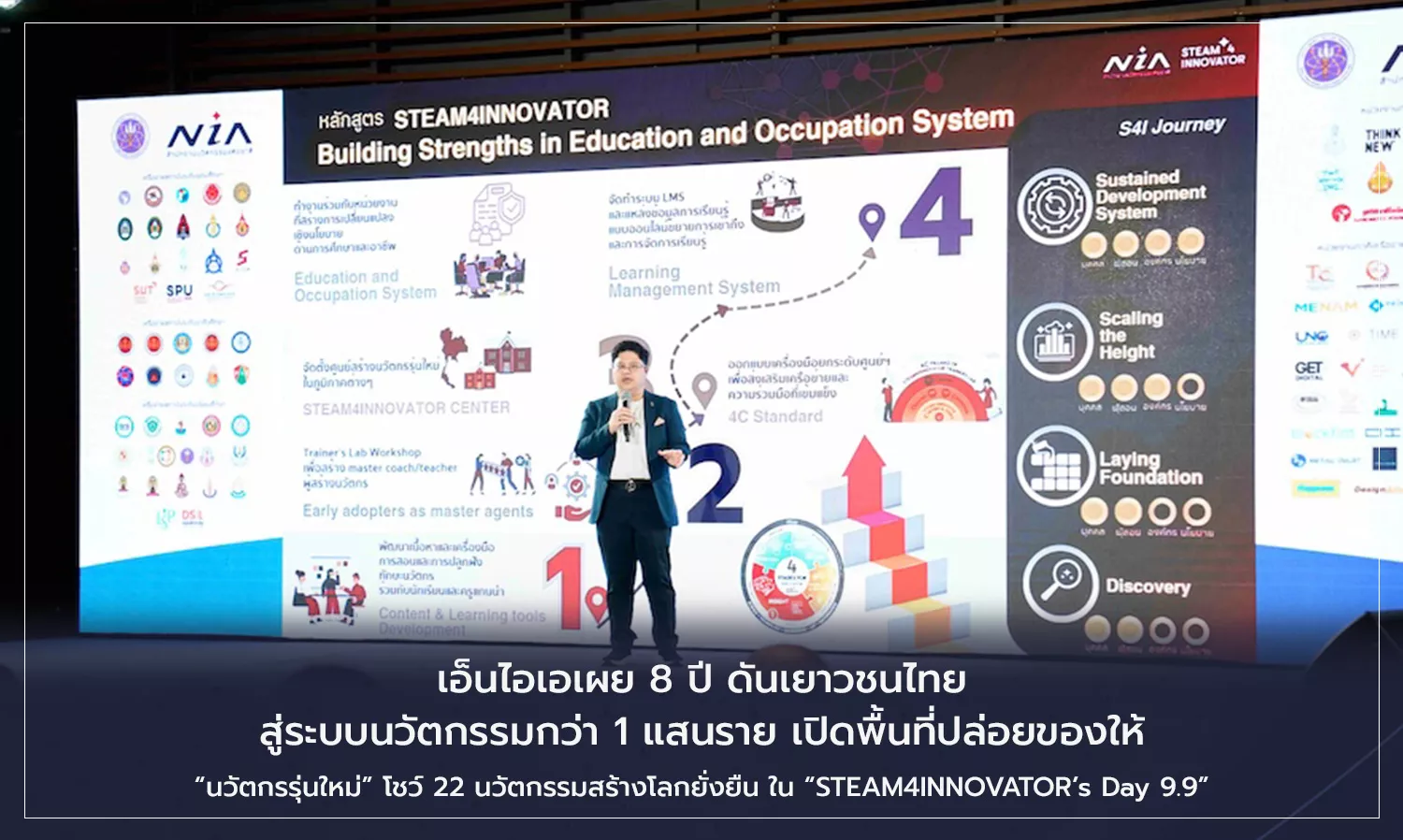
NIA Reveals 8 Years of Advancing Thai Youth into the Innovation System with Over 100,000 Participants, Showcasing 22 Innovations for a Sustainable World at STEAM4INNOVATOR’s Day 9.9
The National Innovation Agency (Public Organization), or NIA, under the Ministry of Higher Education, Science, Research and Innovation, continues its mission to nurture young innovators by enhancing comprehensive innovation skills, from creative thinking and systematic problem-solving to business model creation through the STEAM4INNOVATOR project. This initiative employs the concepts of 'learning by doing' and 'integrating STEAM disciplines' to lay the groundwork for future innovative entrepreneurs. The event 'STEAM4INNOVATOR’s Day 9.9' provides a vibrant showcase for young innovators who have undergone skill development in STEAM4INNOVATOR innovation creation, featuring 22 world-changing ideas, including green and health innovations that reflect the power of Gen Z as 'new innovators' driving Thailand towards an innovative society. Participants can also engage in workshops in the 'Release Zone' from the 'STEAM4INNOVATOR Center' across 19 locations, offering opportunities for youth and interested individuals to learn innovation skills through the STEAM4INNOVATOR process.
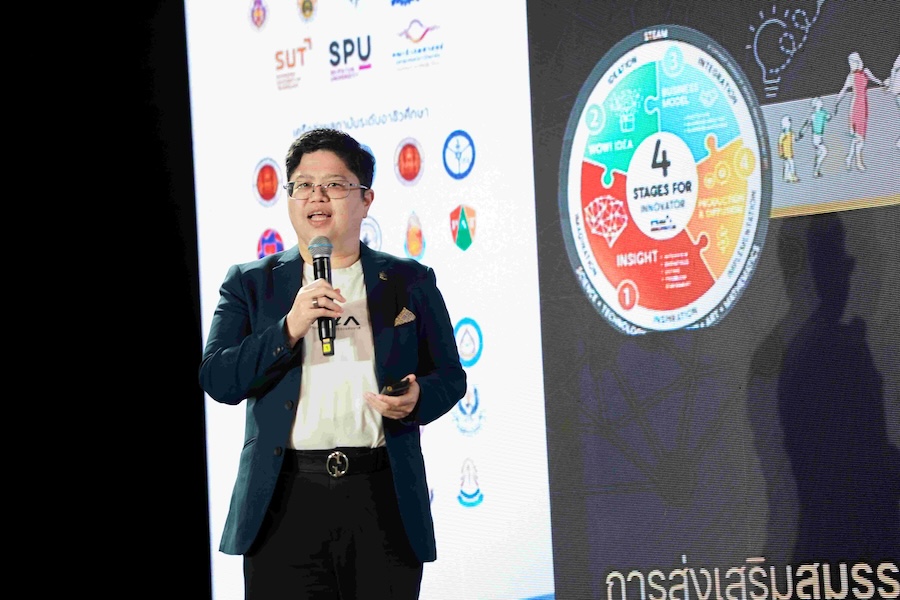
Dr. Kritphak Boonfuang, Director of the National Innovation Agency (NIA), stated that today’s youth, especially Gen Z, are not just users of technology but have grown up in a digital and AI world, giving them an advantage in creative thinking and problem-solving through innovation, as well as a value system focused on creating social value. This means that the dream career paths for this generation are not limited to traditional roles but extend to careers related to advanced technology, sustainability, and entrepreneurship. Therefore, young people increasingly seek spaces to experiment and develop their innovations. NIA aims to promote the growth of Thai youth in environments conducive to learning, experimentation, and innovation through the STEAM4INNOVATOR project, designed to 'ignite the potential of new innovators' with comprehensive 21st-century skills, enhancing creative thinking, problem-solving, and innovative business model creation.
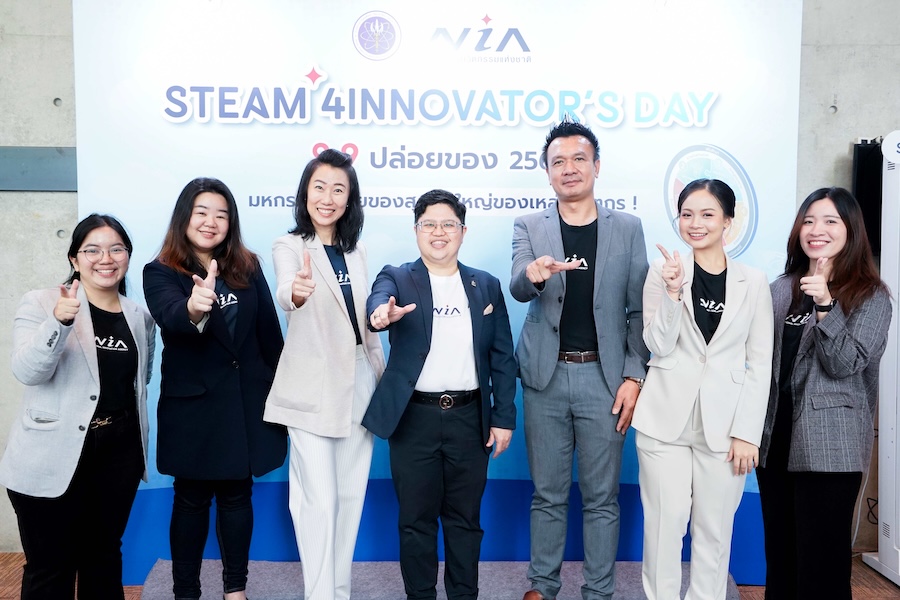
Over the past 8 years, the project has developed and laid the foundation for youth, teachers, parents, and educational institutions, resulting in raising awareness and inspiring over 100,000 young people, with more than 1,600 individuals receiving intensive skill development from key projects, such as the Thailand Innovation Awards, The Health Promotion Innovation Playground, Innovator Journey, and the STEAM4INNOVATOR Achievement Program, leading to the establishment of at least 15 companies that are actively conducting business. More than 1,200 teachers have been trained to create innovators for broader impact in over 65 educational institutions. Currently, STEAM4INNOVATOR CENTER networks have been established in 36 secondary schools, vocational colleges, and universities nationwide to equip the younger generation with innovation skills and implement a systematic infrastructure and plan for nationwide expansion. The STEAM4INNOVATOR project not only serves as a platform for youth to practice thinking and experimenting but also paves the way for building a robust ecosystem of young Thai innovators to create a workforce that meets future demands.
Dr. Kritphak further explained that NIA organized the “STEAM4INNOVATOR’s Day 9.9” to allow teachers, students, and interested individuals to exchange experiences in creating innovative classrooms while showcasing the capabilities and achievements of 22 innovations developed by Gen Z innovators, covering health promotion and green business sectors. These are areas that the younger generation is genuinely interested in driving forward, such as health promotion innovations including Showsmind, a transparent mask (dust protection) for children, Three Emperors of Death, a platform for safe mental spaces that grow alongside users, VapeVerse WaveWorld, a VR game platform to build immunity against vaping among youth, Bokbaek, a family board game that facilitates conversations between parents and children to create safe emotional spaces, and green business innovations such as a real-time dust monitoring system for construction sites via a website, the development of a wastewater treatment system from the dialysis department, and WASTE-D Ecosystems, an innovation for sustainable community waste management, among others.
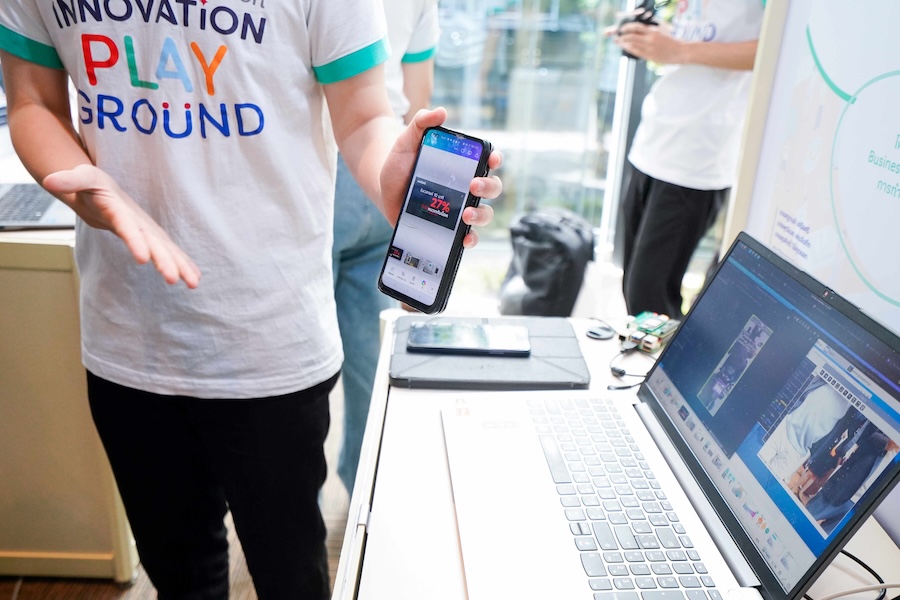
Additionally, there will be skill enhancement workshops and tools for nurturing young innovators from the teacher network in the “STEAM4INNOVATOR Center” across 19 locations in the 'Release Zone', which not only sparks courage in Thai children to think and act but also builds a quality innovation workforce to propel Thailand towards becoming an 'innovation nation'. This also serves as a practical guideline for the education sector to adapt curricula towards skill-based learning, invest in educational technology and creative spaces, and promote collaboration with the real world, the business sector to create a flexible organizational culture that values designing work systems that learn from mistakes, and the government such as NIA with policies that promote the dissemination of innovation across all age groups, reduce infrastructure barriers, and create support mechanisms that connect all sectors systematically.
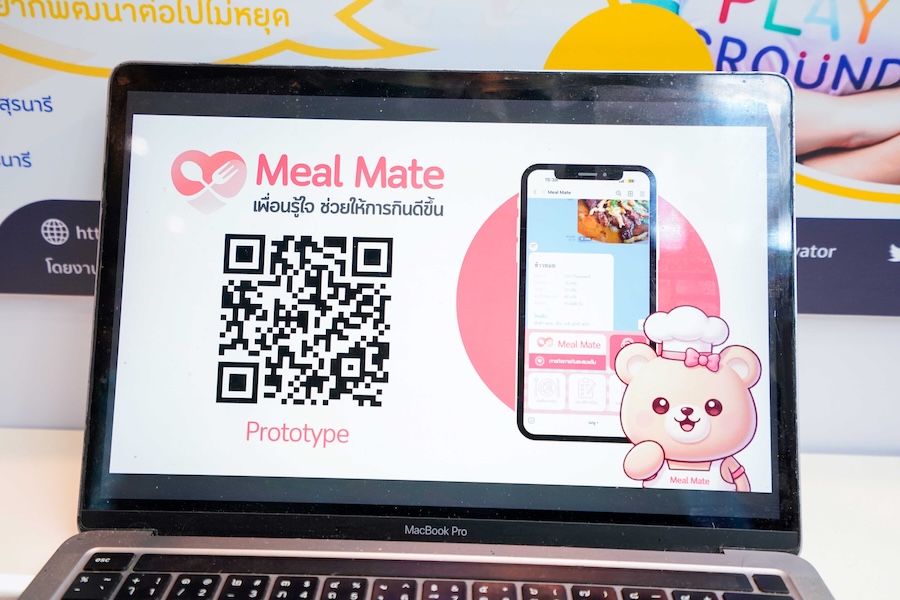
Moreover, there have been various successes within the STEAM4INNOVATOR project, such as the Thailand Innovation Awards organized by NIA in collaboration with the Science Society of Thailand under the Royal Patronage and in partnership with New Zealand educational agencies to promote the potential development of youth to extend their works into innovative business that can enter the market or create real social value. The development of innovation spaces to support health promotion innovations under the support of the Health Promotion Fund Office (Thai Health Promotion Foundation) using the principle of good health "Create, Lead, Repair" in innovation creation, in collaboration with 10 universities that are part of the new innovator center network covering 4 regions. The development of capabilities and collaboration in innovation among networks for youth development serves as a model for extending and developing a cooperative education operational system combined with intensive innovation skill enhancement under the concept of the new innovator pathway... towards creating green businesses, and concluding with activities for developing young innovators through the STEAM4INNOVATOR curriculum conducted in collaboration with various organizations such as the Institute for the Promotion of Teaching Science and Technology (IPST), the Office of the Basic Education Commission (OBEC), the Ajinomoto Foundation, and the Public Broadcasting Service of Thailand, etc.
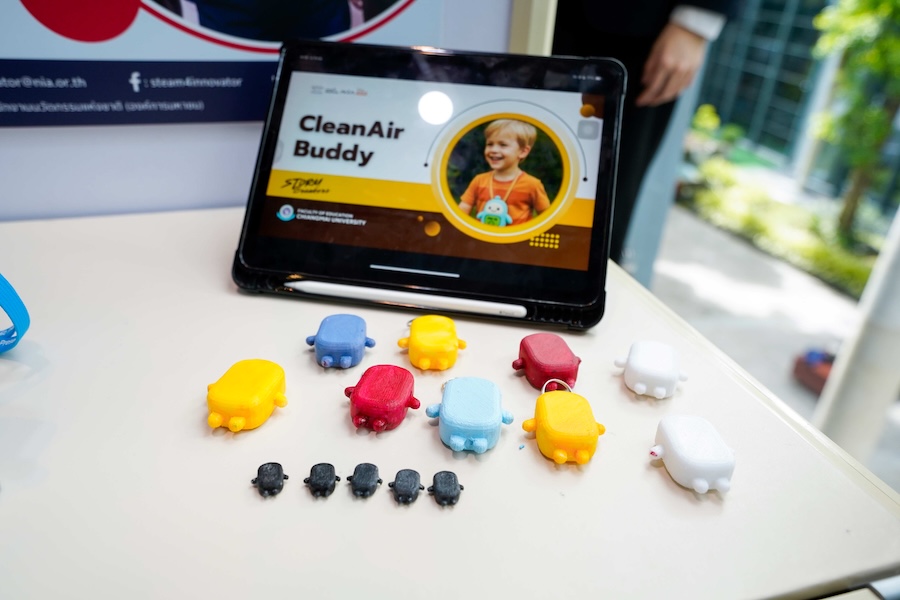
“From this year's successes, NIA has officially established the 'Young Innovator Development Group' to ensure that operations have a structured infrastructure and systematic plans that can be robustly expanded at the national level, with two-dimensional operational strategies: in education, focusing on developing youth, teachers, and new innovator centers in the regions alongside policy work, and in innovation careers, focusing on developing innovation career systems related to certification of knowledge, understanding, and capabilities in innovation, and establishing standards for innovation careers. By 2026, NIA aims to drive the development of young innovators with the key goal of expanding outreach both within and outside the education system to ensure continuous and comprehensive nurturing of youth through two main approaches:
1. Education & Occupation System - collaborating with individuals and partner organizations from both public and private sectors to jointly develop the education system and job creation in innovation at the national level, creating opportunities for youth to extend their ideas into real careers.
And 2. Learning Management System (LMS) - developing modern knowledge and learning tools using digital technology to systematically manage teaching and learning, accommodating a large number of learners, allowing youth to learn independently anytime, anywhere, and sustainably extend towards creating real innovations,” Dr. Kritphak concluded.