BRI Index: A Tool for Assessing Building Preparedness for Disasters
Following the earthquake on March 28, 2025, questions arose regarding the readiness and performance of high-rise buildings in Bangkok and its surrounding areas, as well as high-rise buildings across the country, in coping with disasters such as earthquakes. This led me to think about a disaster risk assessment tool developed by the IFC (International Finance Corporation) called the Building Resilience Index, or BRI, which has been in use since 2020.

What is BRI?
The BRI is an index developed to assess the ability of buildings to withstand various disaster risks, including floods, storms, fires, earthquakes, and other potential disasters that may impact building integrity. It helps stakeholders evaluate building risks, including project owners, investors, tenants, relevant government agencies involved in construction approvals, and financial institutions providing loans for project development.
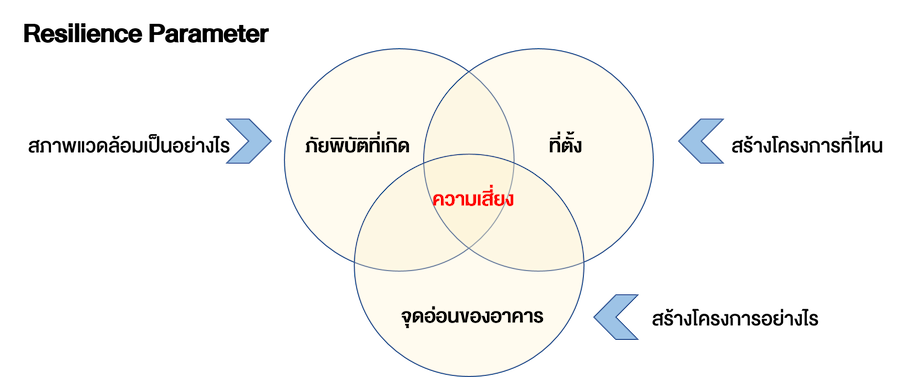
This index enables all stakeholders to assess the preparedness of buildings to face the impacts of disasters in a standardized manner.
The BRI is designed to measure the resilience, strength, and capacity of buildings to cope with disasters through analysis of project designs, locations, and the overall environmental context. It then provides insights into the building's weaknesses and suggests improvement plans to enhance disaster resilience, thereby increasing project credibility in the eyes of investors. It also serves as supporting data for loan applications or financial instruments related to sustainability or ESG (Environment, Social, Governance), facilitating access to low-cost funding from financial institutions that support sustainable projects.
The BRI analysis process consists of three steps:
- Identify risk: Analyzing the location and site of the building to determine the natural risks it may face, such as flooding, earthquakes, heat waves, volcanic eruptions, wildfires, etc.
- Manage risk: Analyzing the building's design to see if it incorporates measures to prevent and mitigate risks, ensuring that the building remains strong and functional even during disasters.
- Disclose risk: Based on the evaluations from the first two steps, a scoring system is established to assess the risks and resilience of the building, which can be presented to stakeholders, including investors and financial institutions, to instill confidence in the investment or use of the building.
The criteria used to assess the BRI include:
- Hazard Assessment: Analyzing the risks from natural disasters in the area, such as flooding, strong winds, fires, and earthquakes.
- Site: Evaluating the characteristics of the project site to determine the level of risk, referencing reliable data from agencies like NASA (National Geospatial-Intelligence Agency) and USGS (United States Geological Survey).
- Vulnerability: Checking the design, improvements, or preparations made, such as the adequacy of drainage systems, the design of reinforced concrete structures, and emergency management plans.
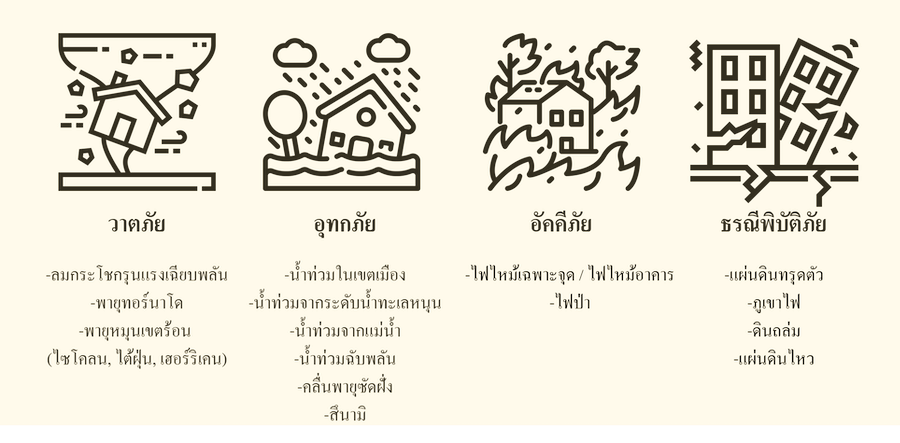
The results from the assessment will indicate the "resilience" level of the building in an easily understandable format, along with recommendations for further development, evaluated based on four main disaster types:
- Wind disasters
- Flood disasters
- Fire disasters
- Geological disasters
Users can create their own projects at any stage, whether during design, post-construction, or building renovations, using real project location data to assess the climatic and geographical characteristics of the site.
The next step is the “Assessment,” where users input project details to evaluate related disaster risks based on the project location, such as wind resistance design and fire resistance capabilities.
After completing the building design details, the next step is “Verification,” which requires two verifiers to confirm the accuracy of the input data and identify areas for improvement or monitoring. Evaluators should inspect the actual project site and consult with involved parties during the verification process.
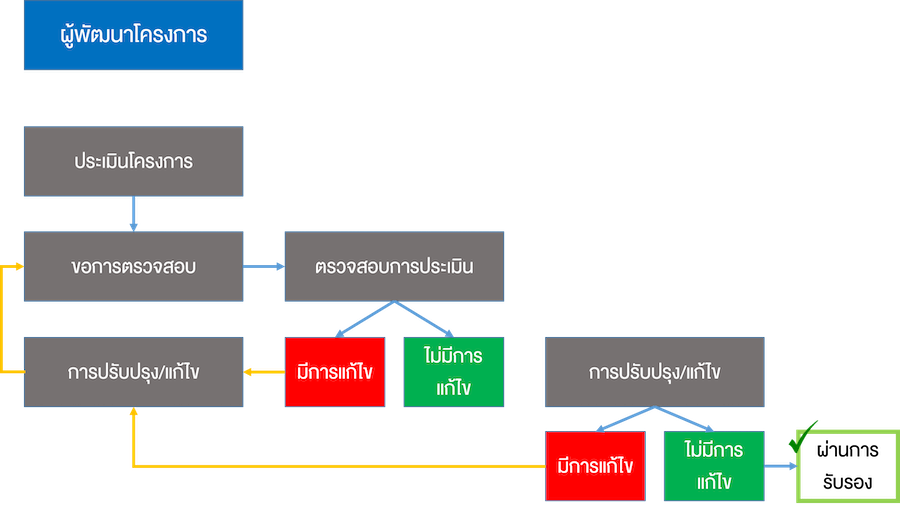
Once verified, the system will assess the project and provide a score represented by letters, categorized into four levels: AA, A, B, and NR.
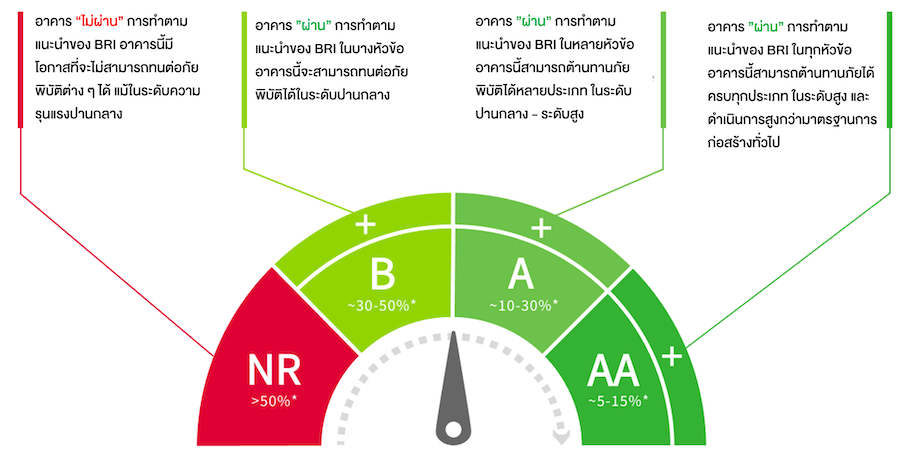
Source: https://www.resilienceindex.org/about
Based on these guidelines and measures, the IFC first implemented the BRI in the Philippines in 2020, as the country faces various natural disaster risks due to its island geography located in the Pacific Ring of Fire, making it susceptible to wind disasters, floods, and earthquakes. The IFC and the World Bank provided funding support to businesses interested in using the BRI to develop and improve buildings to meet BRI standards. By the end of 2022, 500,000 square meters of buildings had participated in the program, including companies like Imperial Homes Corporation, NEO, and SM Group, with a target of reaching 1 million square meters.
In addition to the Philippines, in 2023, the IFC introduced the BRI in Vietnam, as it is one of the most vulnerable countries to climate change. In 2020, Vietnam suffered damages from climate change amounting to $10 billion, representing 3.2% of its GDP. Due to its low-lying geography and 300 coastal urban areas, Vietnam faces storms and flooding, prompting the IFC to study, develop, and improve buildings in Vietnam to enhance resilience against natural disaster risks.
Although Thailand does not experience severe disasters, climate change has led to increased weather variability and natural risks, including major flooding and earthquakes. While Thailand is not an earthquake hotspot, the soft soil in Bangkok can transmit seismic waves from neighboring countries. Implementing the BRI to assess the resilience and strength of buildings in Thailand could instill confidence in investors, financial institutions, and building buyers and users.
The BRI is not just about "raising standards" for projects but also about "increasing confidence" among all stakeholders in real estate.
As sustainable development becomes a global trend, having tools like the BRI will help Thai real estate developers effectively design disaster-resistant solutions.
For those interested in trying out the tool, you can test and learn how to use it at no additional cost at https://www.resilienceindex.org/ and www.lws.co.th.
See you again next month!