From Holistic Health Care to Personalized Care and Sustainability: The Lifestyle Changes Redefining Living Spaces in Today's Era
Antoine Besseyre des Horts, leader of LIXIL Global Design in the Asia region, has revealed the evolving lifestyle trends in the Asia-Pacific (APAC) region that are shaping contemporary living spaces. The changes in lifestyle, the evolution of consumer values, and global challenges are redefining how spaces are designed and utilized in daily life. As people's lives become busier and more connected to the digital world, there is a growing demand for homes that are not only comfortable but also enhance quality of life, providing areas for relaxation and mental rejuvenation. At the same time, self-expression has become increasingly important, especially among younger generations who wish to decorate their homes to reflect their preferences and tell their stories. The demand for flexible design has risen, as hybrid working and intergenerational living become more common, leading to a greater need for spaces that can adapt to various uses.
Sustainability considerations have prompted both consumers and organizations to work more responsibly by choosing durable, energy-efficient, and environmentally friendly materials. In the hotel industry, travelers are not only seeking beautiful places but also diverse experiences in which they can fully engage. These factors are guiding the design direction of homes, workplaces, and accommodations to meet the changing demands of a rapidly evolving world.
“Home” as a Space of Comfort
“Home” is becoming an essential place that continuously promotes both physical and mental health. People are looking for spaces where they can spend personal time, a refuge that helps them relax, recharge, and escape from the chaos. Bathrooms play a crucial role in this, leading individuals to seek products that integrate spa technology to create a personalized experience of happiness.
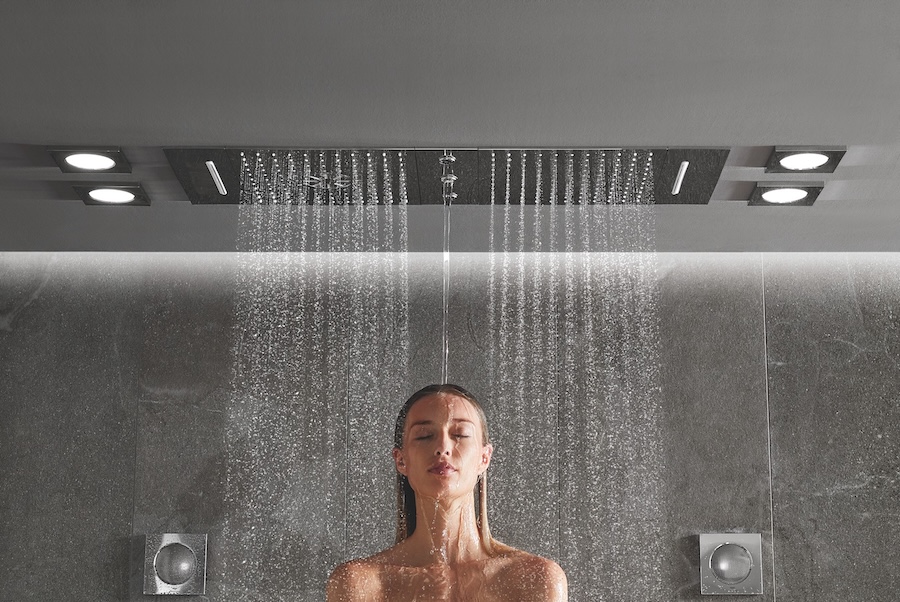
Moments of showering bliss with the GROHE SPA Rainshower Aqua Celling Shower
Although many may have returned to the office, a significant number still work from home and spend a lot of time indoors, leading to a desire for warmer and more inviting spaces that enhance work efficiency and provide relaxation during breaks. Natural tones such as sage green, muted blue, or ochre yellow can help create a calm and relaxing atmosphere, suitable for bedrooms and bathrooms. Darker colors like burgundy, browns, terra-cotta, deep rust, and mossy greens add warmth and depth, creating an environment that is both comfortable and elegant.
The use of natural materials has also gained popularity, as they add warmth and luxury through unique textures. Raw and unrefined surfaces reveal their beauty over time, making the decor tell a charming story.
Moreover, the boundaries between indoor and outdoor spaces are becoming increasingly blurred. Integrating nature with built objects is becoming essential, especially in cities with limited space. The use of plants and natural elements not only enhances the beauty of spaces but also fosters a deeper connection with nature, helping to relax both body and mind.
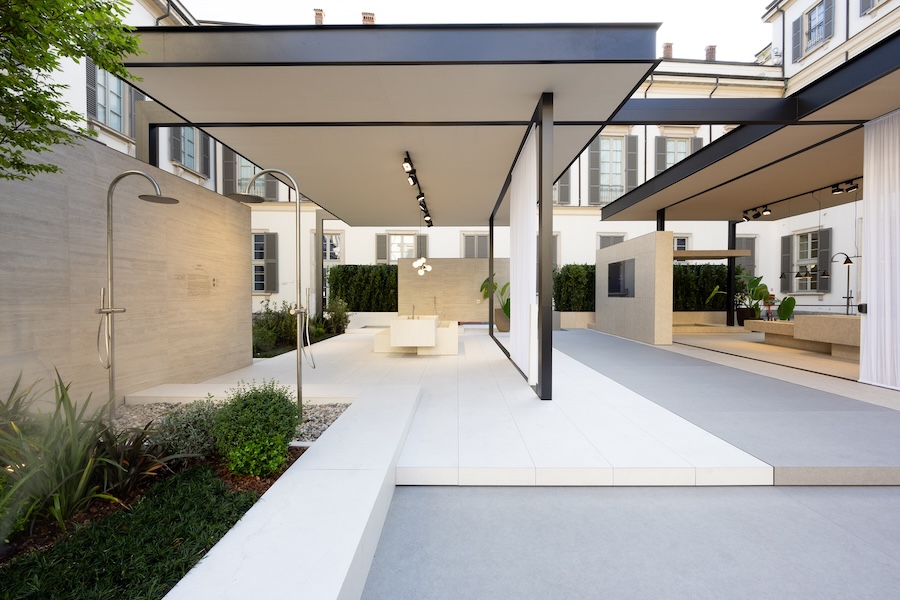
Harmonizing Indoor and Outdoors GROHE SPA Aquatecture Installation at Milan Design Week 2024
Unique Interior Decoration
Today, home decoration is no longer just about following trends; people are increasingly looking for homes that reflect their personality and lifestyle. They use their living spaces as a stage to express their identity, whether in terms of culture, history, or personal beliefs. Interior decoration has thus become a profound expression of self, from choosing meaningful artworks to furniture and decor that narrate stories from travels and past experiences. Each design is filled with meaning and connects various narratives, creating a space of memories and valuable stories. This type of decoration has transformed homes into reflections of hidden memories in different corners, telling details and fully connecting experiences.
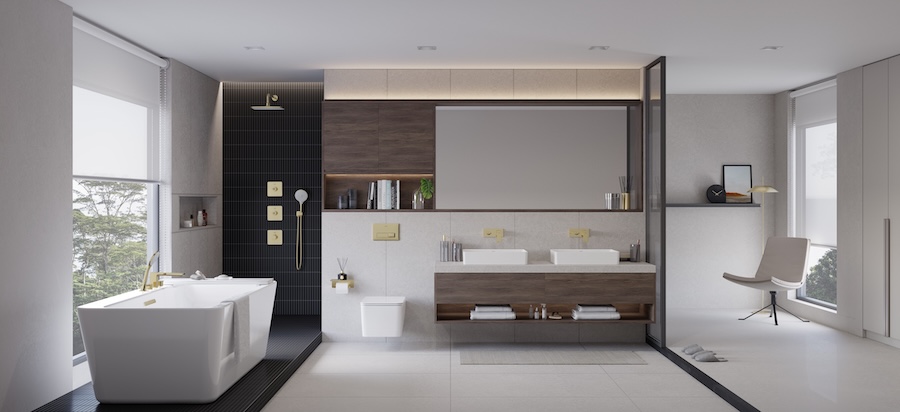
Personalize Your Space with American Standard Acacia in Cool Sunrise
This transformation is particularly evident among younger generations who regularly use social media. Platforms like Instagram and Pinterest have significantly inspired home decoration, encouraging people to experiment with colors, textures, and elements that reflect their unique tastes and styles. This shift is evident in the transition from mass-produced decorative designs to unique pieces that reflect individuality, whether through custom-designed furniture with handcrafted details or straightforward color choices and harmonious combinations of different materials. All of this is what homeowners choose to express their identity.
This trend is creating meaningful and warm spaces that embrace homeowners at every moment. Homes are thus not just places to live but spaces that reflect stories and evolve alongside their owners.
Multi-functional Spaces
Remote work and hybrid working continue to play a significant role in daily life today, so homes must adapt to diverse needs throughout the day. People want spaces that can instantly change their function, from private areas to workspaces, or seamlessly transition from daytime work to evening relaxation. This demand has led to a rise in open and flexible space designs, reducing the use of partitions to allow rooms to serve multiple functions. Private areas, such as bathrooms, are also being redesigned for shared use, similar to kitchens that serve as communal spaces for everyone.
Additionally, the aging population in Asia has led to more multi-generational living in single homes. Homes are thus designed to accommodate residents of different ages, with adaptable spaces to meet various needs, from work areas to learning spaces and social gathering spots. As flexibility becomes essential, furniture and designs that enhance versatility, such as modular seating, fold-away desks, and movable partitions, have become necessary in space design.
Sustainable Living
Sustainability is becoming a key factor in home design as people become more aware and concerned about the environment. They are looking for ways to make their daily lives more eco-friendly without sacrificing comfort or efficiency. This demand has led to the use of sustainable furniture made from environmentally friendly materials and responsible manufacturing processes. Additionally, there is a search for methods that help save water and energy, reducing costs while benefiting the environment simultaneously. Quality and durability have thus become essential criteria in purchasing decisions, especially for products that last longer than disposable items.
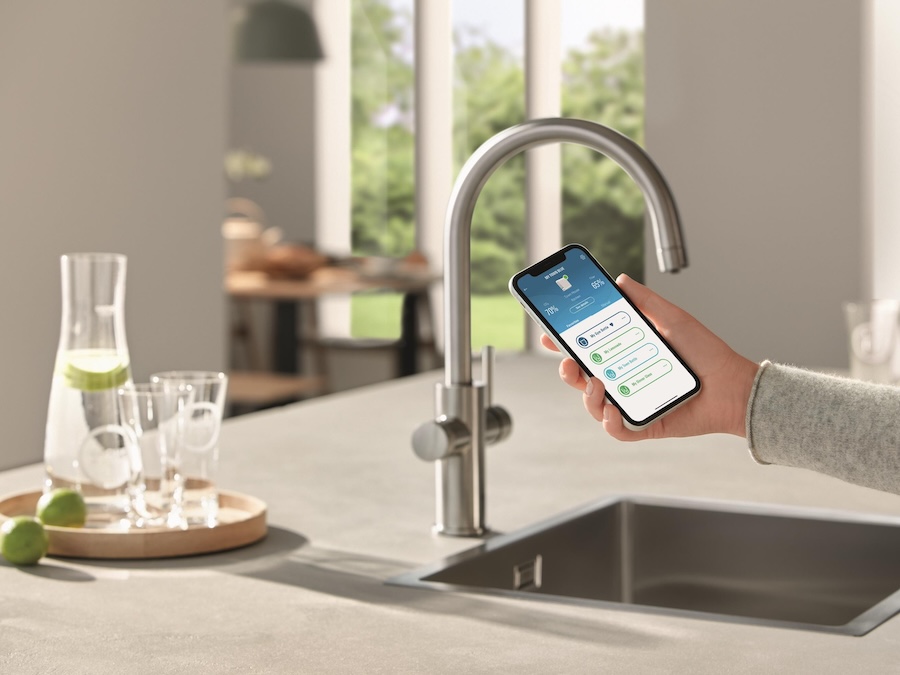
Enjoy Pure Filtered Water from GROHE Blue and Monitor Water Consumption with GROHE Watersystems App
Environmental awareness is also increasingly influencing building design and construction. Building owners and developers are adopting sustainable construction strategies, such as retrofitting existing structures and designing for energy efficiency to reduce environmental impact. Moreover, climate has become a crucial factor in design, with the selection of construction techniques suited to the climate of each area to help mitigate weather impacts while reducing waste and carbon emissions. Sustainable materials like structural wood and low-impact cement, along with various decorative surfaces, are gaining popularity, reflecting a shift towards more environmentally responsible interior design and architecture.
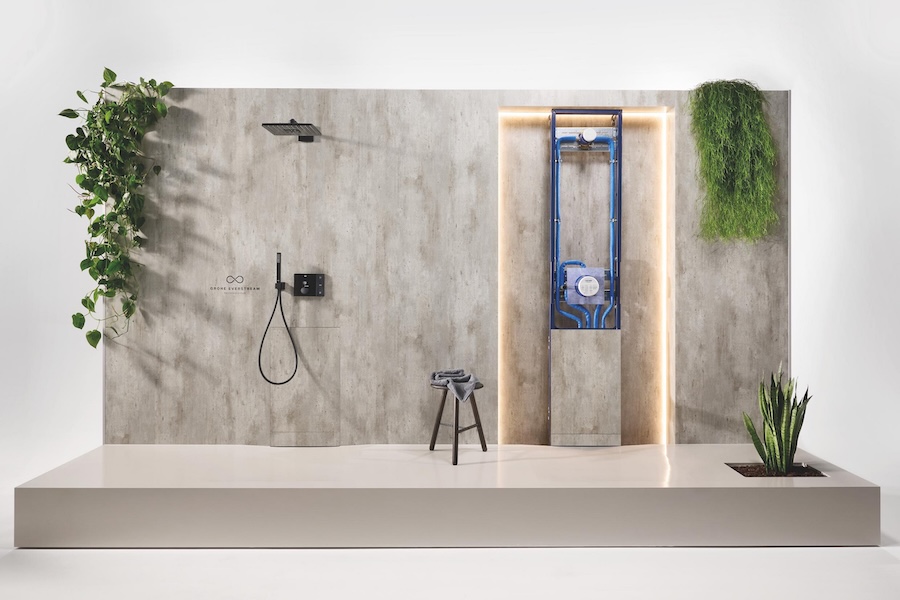
Water-recirculating Shower GROHE Everstream
Providing Service Experiences that Engage All Senses
The hotel industry is adapting to meet the demands of travelers seeking unique experiences that reflect their personal preferences. Today's guests desire accommodations that are distinctive and can reflect the culture and identity of the area while meeting their needs and connecting meaningful experiences.
This trend has led hotels and accommodations to consider every dimension of design, not limited to aesthetics alone but also aiming to create environments that impress guests on every sensory level. Details of care, whether it be scent, texture, or lighting, all aim to connect emotions and elevate the guest experience. Bathrooms also play a crucial role in creating spaces of comfort for both body and mind, focusing on creating experiences tailored to individuals through the selection of colors, materials, and wellness solutions to leave a lasting impression on every stay.
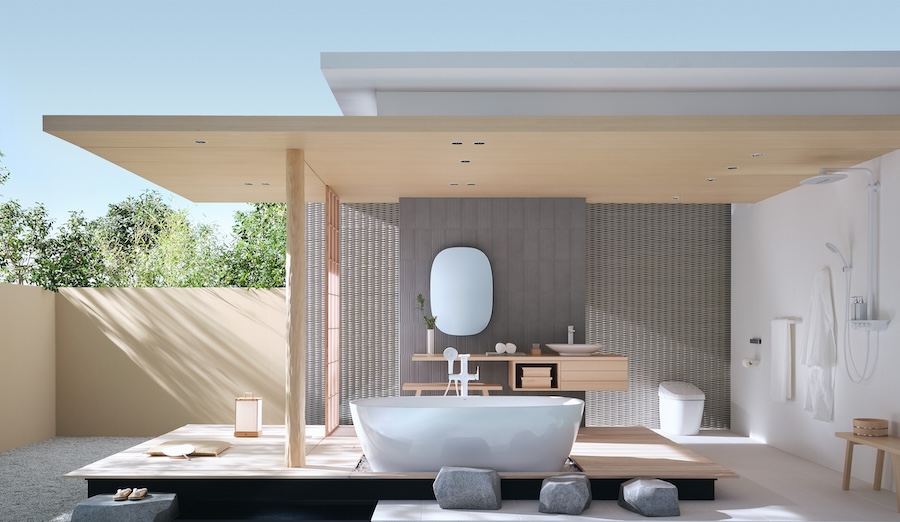
Bathroom of Light - INAX S600
As guests seek deeper experiences that reflect personal values, hotels are initiating collaborations with local communities to provide unique experiences by integrating cultural stories, local heritage, traditions, and craftsmanship. They are also partnering with local artisans to create cultural experiences, culinary delights, and holistic health care for well-being. These developments are transforming hotels into vibrant cultural spaces, energizing travelers' journeys and creating unforgettable impressions.
These trends reflect a shift in how people live, seeking spaces that are not only functional but also meaningful, reflective of identity, and adaptable to needs. Whether in homes or hotels, space design must evolve to support self-expression, sustainability, and experiences that genuinely engage everyone. As lifestyles continue to evolve, the spaces we inhabit must be thoughtfully designed, flexible, and emotionally connected to enhance daily happiness and long-term well-being.