China+1 strategy, which is attracting substantial foreign investment, particularly in the electronics and semiconductor industries. At the same time, the trend of returning to office work is driving increased demand for premium office spaces. Additionally, enhancing and increasing asset value has become crucial for property owners aiming to maintain competitiveness. In the hotel sector, the outlook remains positive, supported by ongoing investments, while the evolving demands of tourists compel hotel owners and operators to be more creative and flexible to stay competitive.<\/span><\/p>
 <\/p>
<\/p>
Thailand's Role in the China+1 Strategy and High-Value Industry Supply Chains<\/strong><\/span><\/p>
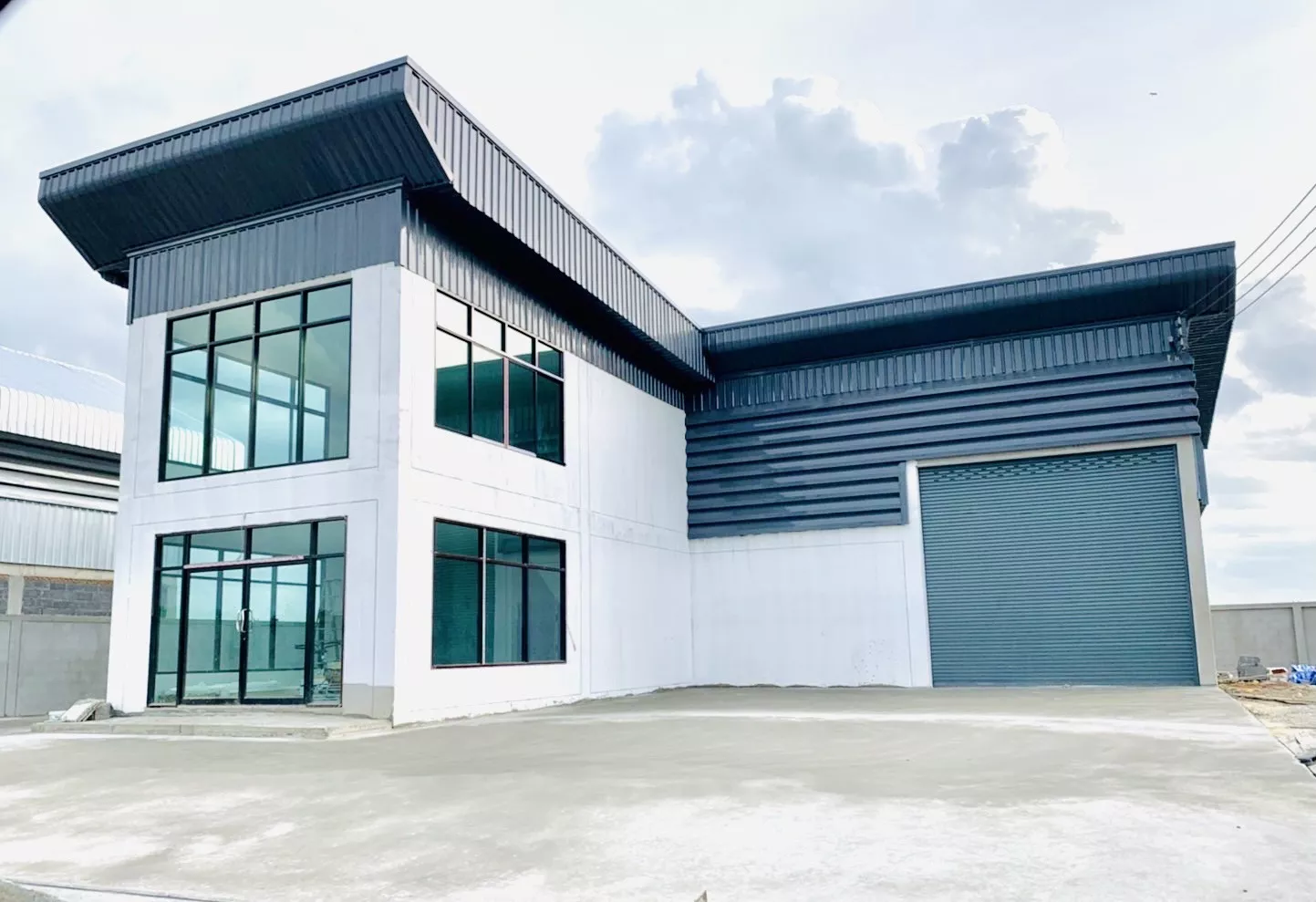
Thailand has emerged as a key destination in Southeast Asia for manufacturers seeking alternatives to expand production outside of China, particularly in the electronics and semiconductor industries. The country is increasingly attracting attention from electronics manufacturers in Taiwan and China, alongside the entry of major global semiconductor manufacturers establishing new factories in Thailand to support the electric vehicle, data center, and energy industries.<\/span><\/p>
Mr. Roddy Allan, <\/strong><\/span>CEO of JLL's Asia Pacific Research Services, <\/strong><\/span>stated, "The growth of AI and the rising global demand for semiconductors have made Thailand an important market for the high-tech industry. Investment incentives from the Board of Investment (BOI) and other government agencies are attracting major foreign manufacturers looking to mitigate geopolitical risks and establish production bases in Southeast Asia. Furthermore, data centers are rapidly expanding due to the demand for infrastructure to support AI development and digital transformation. These trends are ushering in a new era for Thailand's industrial real estate sector with new manufacturing facilities.<\/span><\/p>
 <\/p>
<\/p>
Return to Office: Increasing Demand for Premium Workspaces<\/strong><\/span><\/p>
As companies reassess their spatial strategies and work environments, the trend of returning to office work is gaining popularity, resulting in increased demand for high-quality office spaces in Bangkok's Central Business District (CBA). Many organizations are requiring employees to return to office buildings more frequently, leading to expansions and renovations of spaces to attract and retain top talent.<\/span><\/p>
Mr. Michael Glancy, Managing Director of JLL Thailand, Indonesia, the Philippines, and Vietnam, <\/strong><\/span>noted, "We are witnessing a resurgence of the hybrid work trend, with large organizations increasing the number of days employees are required to work in the office to an average of 3-4 days per week. This has resulted in heightened demand for premium office spaces, especially in mixed-use projects that offer comprehensive amenities to meet the evolving needs of employees. Additionally, many companies that previously downsized their office spaces are realizing the need for more space to accommodate employees returning to the office, leading to growth in the market. The quality of office spaces has become a crucial factor in job selection, giving building owners and tenants who invest in renovations a competitive edge in this emerging trend."<\/span><\/p>
New office spaces in Bangkok are primarily premium spaces within mixed-use projects, while many older buildings are being repurposed or redeveloped into more versatile workspaces. Moreover, in the Central Business District, A+ grade office spaces have experienced an average annual growth rate (CAGR) of 3.7% over the past five years, significantly outpacing the overall market rental growth rate of 1.0%.<\/span><\/p>
Enhancing Asset Value and Portfolio Development to Maintain Competitiveness<\/strong><\/span><\/p>
In response to market changes, property owners are prioritizing portfolio improvements to retain tenants and enhance asset value. Currently, only 30% of office buildings in the market have received green building certifications such as LEED and WELL, including WiredScore. Throughout 2024, 13 office projects totaling over 358,000 square meters are expected to be upgraded to meet green building standards, aligning building facilities with the demands of modern workplaces.<\/span><\/p>
In the shopping center market, major real estate developers are adjusting their strategies to align with changes in the tourism industry and consumer behavior domestically. Many operators have announced plans to renovate and reposition shopping centers in central Bangkok, while smaller community malls are regaining popularity to cater to local shopping needs.<\/span><\/p>
Thailand's Hotel Market: Resilience and Positive Future Trends<\/strong><\/span><\/p>
Thailand's hotel sector is undergoing transformation, with new brand launches and rebranding strategies shaping competitive dynamics. Both soft brands and collection brands from major operators are gaining popularity, while new lifestyle brands are entering the market to create unique selling points in Thailand's competitive landscape. Additionally, Bangkok is witnessing the return of traditional brands that once operated in Thailand, reflecting renewed confidence in the country's hotel sector.<\/span><\/p>
Mr. Rattawat Kuvisitsuwan, Senior Assistant Managing Director of Advisory and Asset Management Services, JLL's Hotel Investment Services, <\/strong><\/span>stated, "While hotel performance continues to grow, we expect growth to be moderate compared to the record recovery seen in the past two years. Furthermore, we anticipate strong growth in the MICE (Meetings, Incentives, Conferences, and Exhibitions) industry and wedding events. Investors are becoming more cautious, focusing on high-value assets in premium locations and showing increased openness to long-term leasehold properties, particularly in key areas of Bangkok and beachfront resort areas."<\/span><\/p>
In 2025, hotel transaction volumes are expected to reach 13 billion baht, surpassing the country's 10-year average and reflecting Thailand's attractiveness as a primary investment destination and the positive outlook of investors towards the country's potential hotel market.<\/span><\/p>
Thailand as a Regional Investment Hub<\/strong><\/span><\/p>
As Thailand continues to attract foreign capital and strengthen its position as a strategic investment hub, JLL remains committed to assisting investors, developers, and asset owners in navigating the changing real estate market. With in-depth expertise in market trends, asset transformation, and high-growth sectors, JLL is poised to help clients unlock new opportunities and create value in Thailand's ever-evolving real estate market.<\/span><\/p>