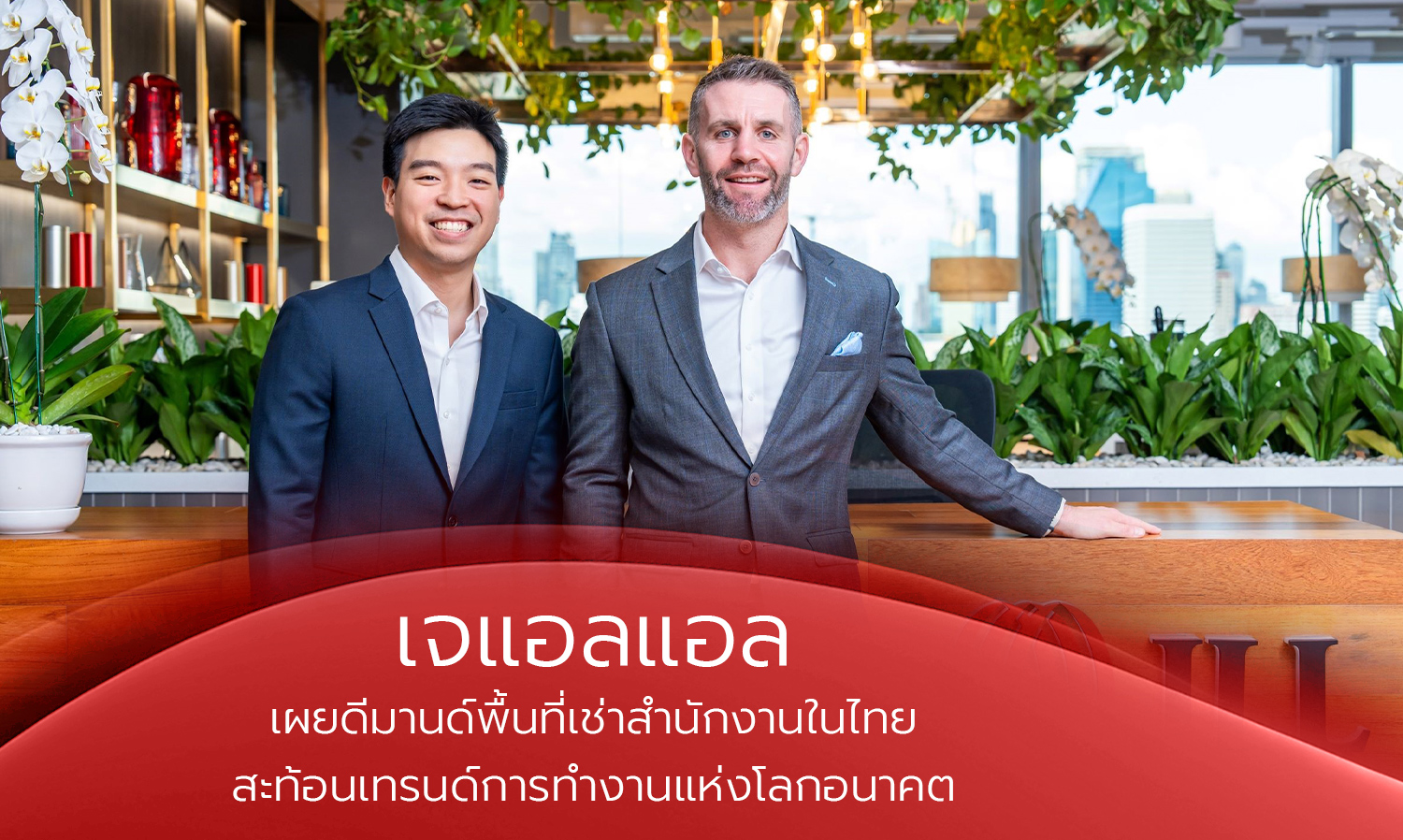
JLL Reveals Demand for Office Space in Thailand Reflects Future Work Trends
Designing workspaces to attract quality talent, embrace technological advancements, and promote sustainability is a crucial factor in the ever-evolving Thai real estate market.

JLL (NYSE: JLL) Thailand, a leading global real estate consulting firm, has released an analysis from the Future of Work 2024 survey, which delves into key issues surrounding the work environment, from technology and design to environmental, social, and governance (ESG) considerations.
According to JLL's analysis, over the past two years, office tenants in Thailand have increasingly shifted towards leasing modern buildings rather than their current spaces. This trend is expected to continue until 2028, driven by the emergence of new premium office buildings in key business districts. This change presents a significant opportunity for companies to reassess their Future of Work strategies to maintain competitiveness in the labor market while adapting to evolving ESG standards.
“The influx of new office space into the market reflects a significant transformation in the workplace landscape,” said Michael Glancy, Managing Director of JLL Thailand and Indonesia. “Moreover, it represents a crucial opportunity for organizations to adjust their workspace design strategies to meet employee needs for flexibility and sustainability, while also enhancing productivity and innovation.”
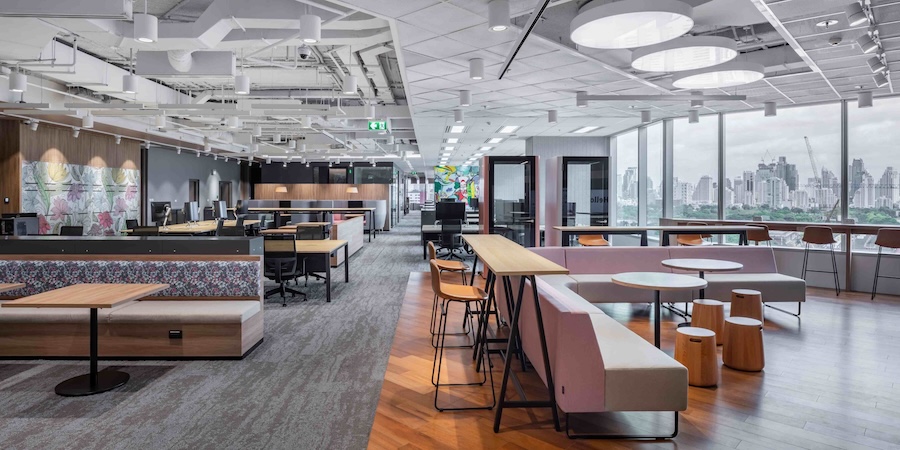
The Future of Work 2024 survey indicates that organizations worldwide recognize workspace design as a key factor in their success. This trend is becoming increasingly evident in Thailand, driven by the demand for “ideal workplaces” that integrate cutting-edge technology, multifunctionality, and sustainability concepts. The survey found that 65% of organizations globally plan to increase investments in workplace sustainability, while nearly 80% expect their offices to fully utilize AI by 2030. These trends are clearly reflected in the development of modern office buildings in Thailand.
“Workspace design is becoming a crucial strategy for companies in Thailand to achieve their goals, both in attracting talented personnel and in environmental objectives,” said Anavil Chiamprasert, Head of Research and Consulting Services at Jones Lang LaSalle (Thailand) Limited (JLL). “The demand for new and modern office spaces that can accommodate new technologies reflects a shift in prioritizing various issues, where today’s workplaces must embody organizational values, create positive employee experiences, and engage in broader ESG missions.”
The growing interest in sustainability is driving investments to upgrade existing spaces, with Circular Design focusing on resource efficiency and creating buildings that can withstand climate change. Modern office buildings in Thailand provide opportunities for businesses to adopt these concepts while helping to reduce carbon emissions. Research also shows that sustainably designed workspaces are popular among younger generations, with 71% of Generation Z and millennials prioritizing environmentally friendly options when choosing their homes or workplaces.
“Today’s office spaces must do more than just accommodate work; they must inspire, foster innovation, and demonstrate corporate responsibility,” said Stephen Taylor, Managing Director of Project Management Services, Design, and Decoration at Jones Lang LaSalle Advisory Limited. “Our research emphasizes the potential of science-based design to transform workplaces into environments that promote effective work, enhance well-being, and address sustainability challenges.”
The rising demand for premium office spaces in Thailand reflects regional and global trends focused on high-performance environments, with 64% of surveyed organizations expecting a significant increase in employee numbers by 2030, and more than half anticipating an expansion of their office spaces. Having modern and adaptable offices is therefore crucial in supporting these goals.
JLL's Future of Work 2024 report highlights the importance of workspace design in achieving organizational goals, from enhancing employee satisfaction to meeting ESG commitments. As the office market in Thailand continues to evolve, businesses have the opportunity to lead in creating the workplaces of the future.
This survey has been conducted every two years since 2011, examining the changing world of work and identifying investment opportunities in workspace design that can enhance employee satisfaction, well-being, and productivity. This year, the survey analyzed the priorities, challenges, and strategies of over 2,300 business leaders and corporate real estate professionals worldwide.
For more information and updates, please visit JLL Thailand's website https://www.jll.co.th/.