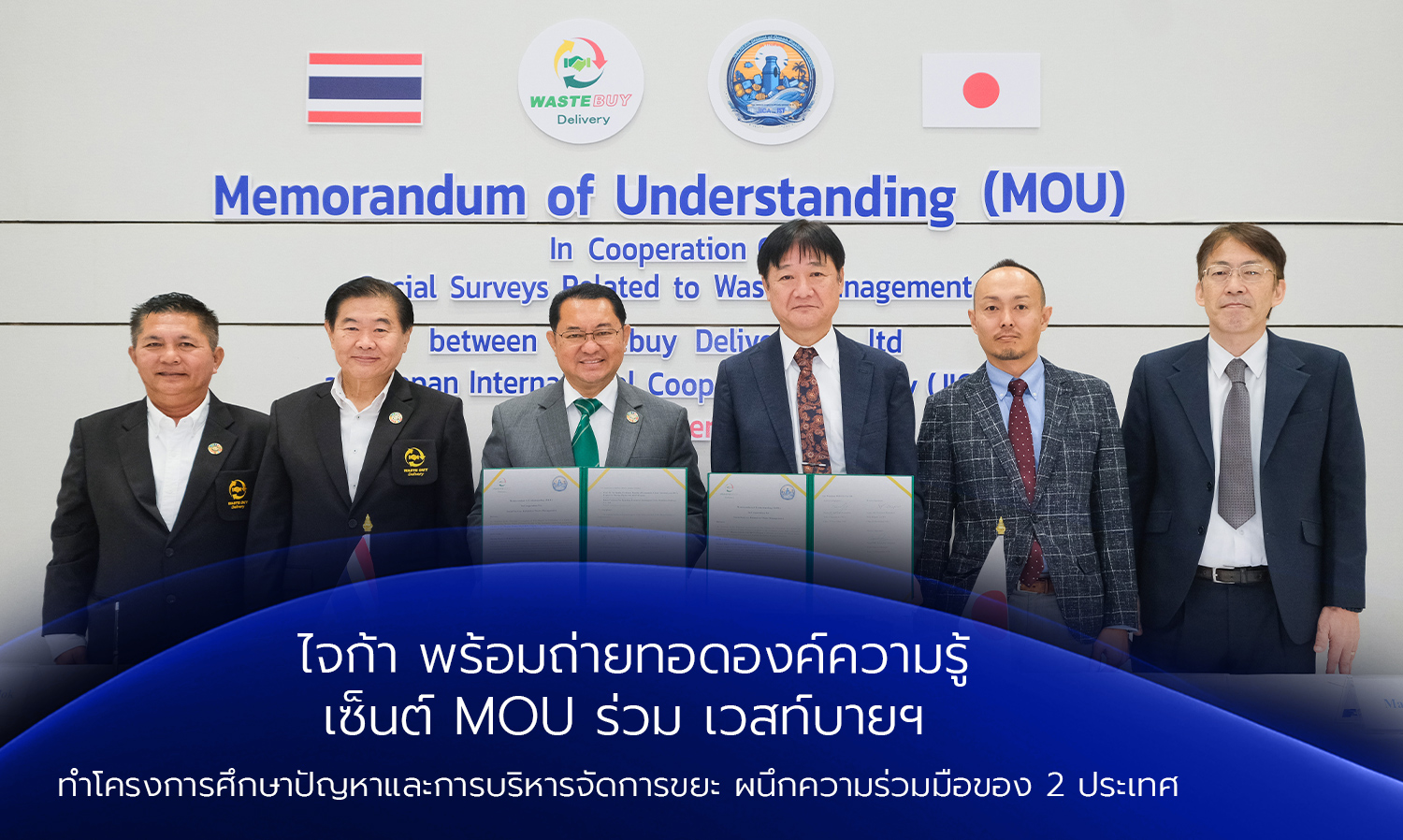
JICA Ready to Share Knowledge, Signs MOU with Westby for Waste Management Study Project, Strengthening Cooperation Between Two Countries
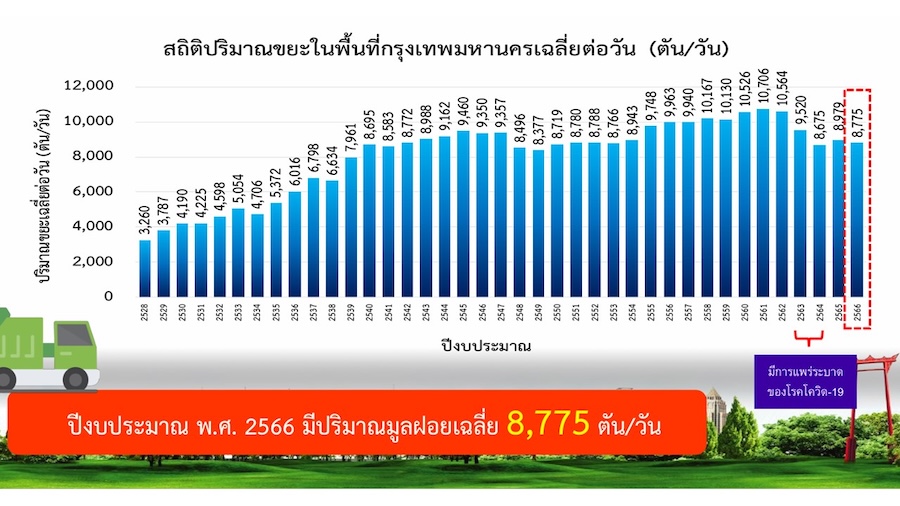
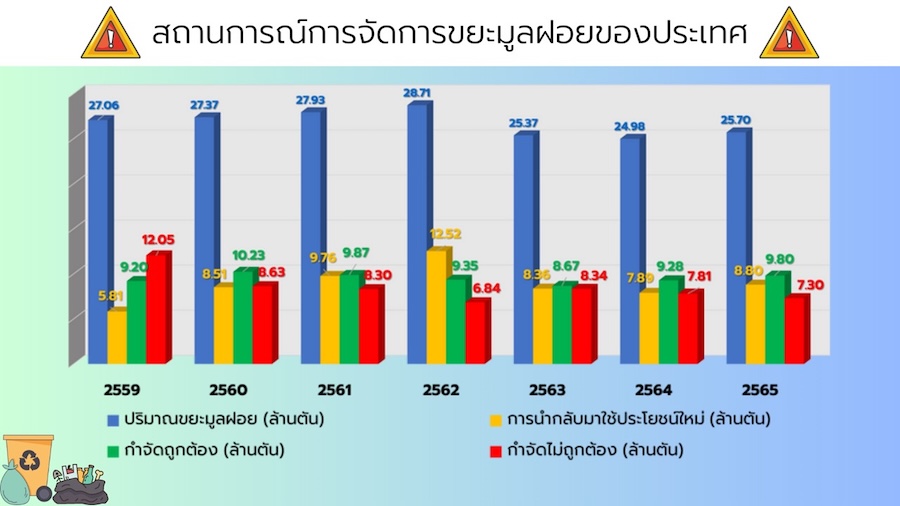
In 2019, there were 2,666 landfills across the country, with improper disposal reaching 85%. Accumulated waste reached 10 million tons, exceeding the collection budget of 17 billion baht.
At the Vanalis Airport Hotel, the cooperation between the two countries, JICA (Japan International Cooperation Agency), held a signing ceremony for an MOU to establish a collaborative project on social surveys related to waste management and plastic pollution in Thailand, in partnership with Westby Delivery Co., Ltd., a leading company in upstream waste management for recycling, which is transforming the waste disposal industry with innovative concepts under the theme "Convenient Waste Selling".
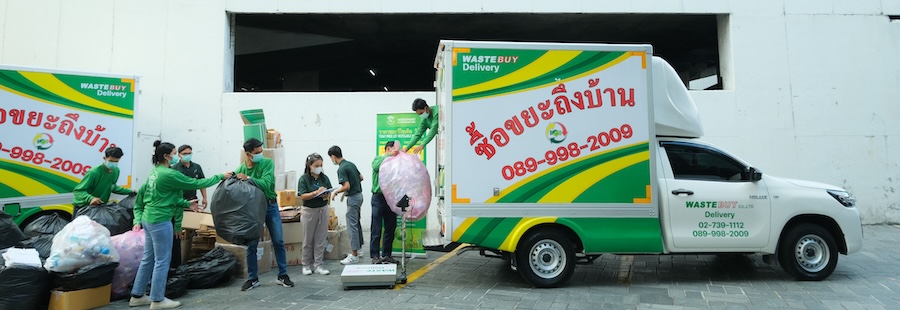
The project is led by Professor Atsuhiko Isobe, a principal researcher at the Center of Excellence for Marine Plastic Pollution Studies in Southeast Asia, Director of the Ocean Plastic Research Center, Kyushu University, and Professor So Sasaki, an expert from JICA.
Professor Isobe revealed that with a national income per capita of 7,260 dollars in 2019, Thailand has moved into the group of middle to high-income countries. Despite overcoming the COVID-19 crisis, there are still many issues to address for sustainable social and economic development. JICA has prioritized environmental issues in Thailand, allocating budget and sending a team of professors and experts to conduct a study on waste management and plastic pollution in Thailand. Each year, around 200 Japanese experts will work in Thailand.
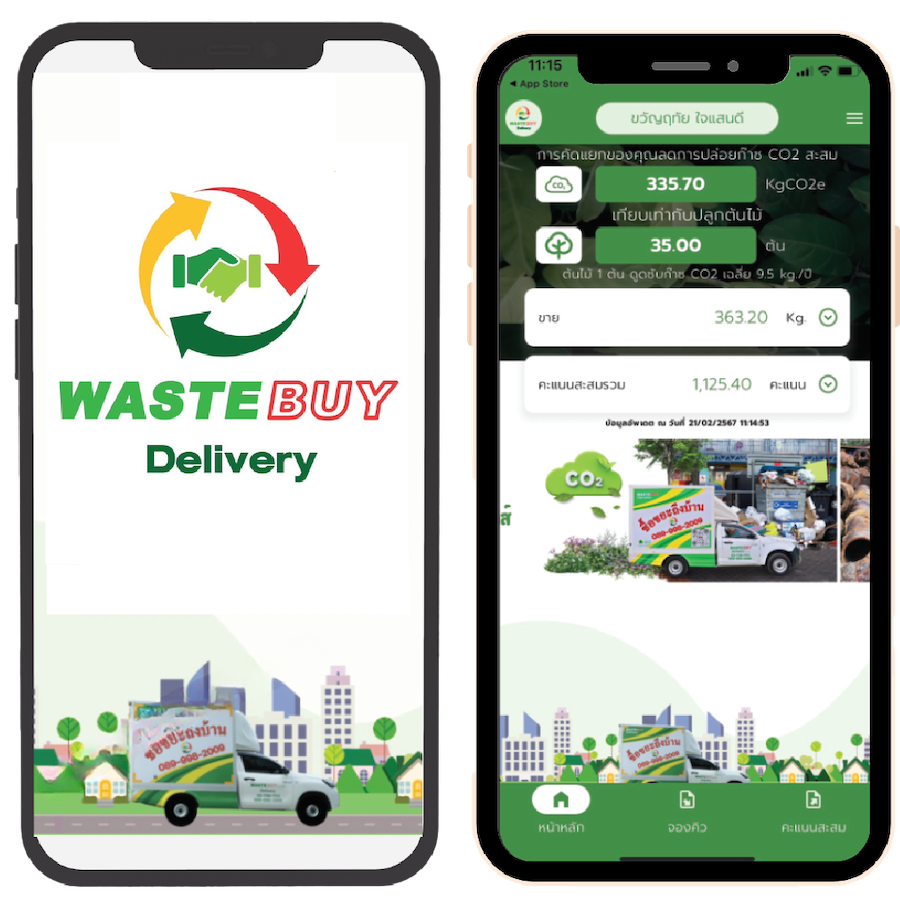
JICA is ready to allocate budget and share technology and knowledge through the SATREPS project for waste management in Thailand, focusing initially on Bangkok and surrounding areas and along canals.
JICA sees this as a great opportunity to collaborate with Westby Delivery, a leading company in upstream waste management for recycling in Thailand, to strengthen and exchange information and experiences. In addition to budget allocation, JICA is also ready to transfer technology and knowledge to Thailand to ensure the waste management survey project achieves its goals and maximizes benefits for environmental development in Thailand and Southeast Asia, particularly in the Bangkok metropolitan area and along canals.
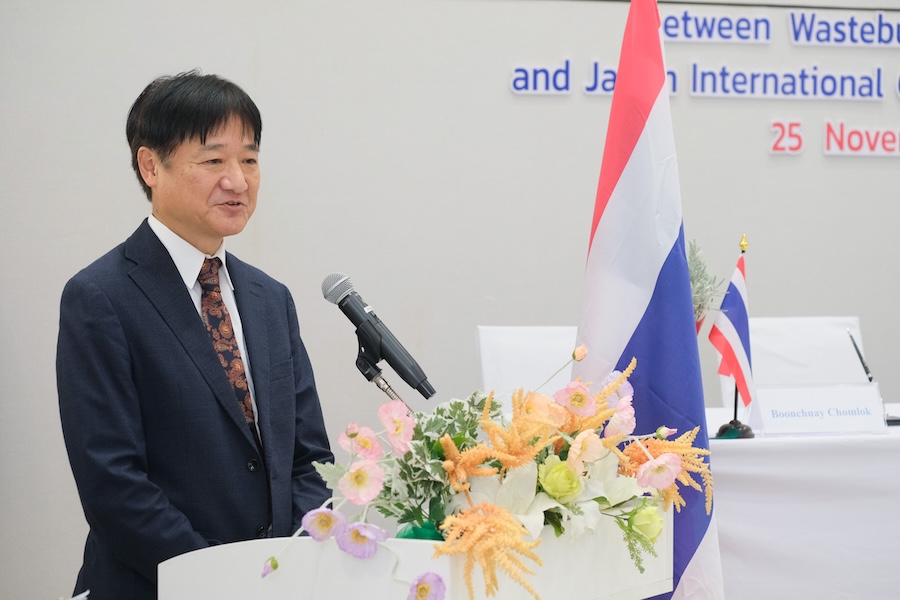
Westby Delivery is ready to support operations in target areas and the Westby Delivery application as a tool to effectively change waste separation behavior.
Dr. Itthikorn Srijanban, CEO of Westby Delivery, stated that "In 2019, there were 2,666 landfills nationwide, with improper disposal reaching 85%. Accumulated waste reached 10 million tons, exceeding the collection budget of 17 billion baht. By 2022, the total amount of municipal waste was 2.57 million tons, with approximately 880 million tons able to be reused, 980 million tons disposed of properly, and 730 million tons disposed of improperly."
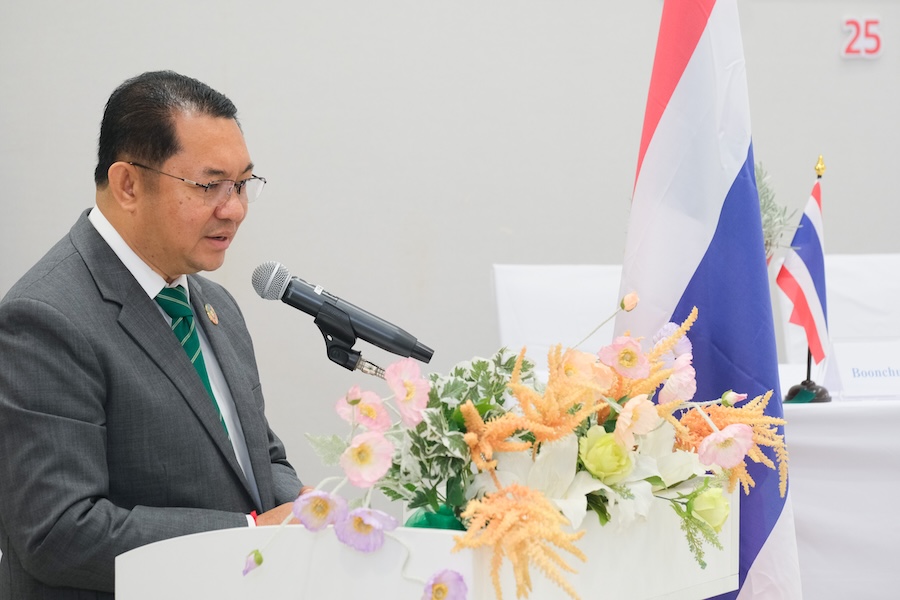
Dr. Itthikorn further stated, "Westby is very pleased to be part of the SATREPS project, and this collaboration represents cooperation between two countries. Westby is ready to support project implementation in target areas and promote community participation, especially through the Westby application, designed to make waste separation easy, convenient, and efficient, with accumulated statistics on the amount of waste sold and the carbon gas reduction achieved. Furthermore, it compares the amount of carbon reduced to the number of trees planted, becoming an important tool for changing the waste separation behavior of the population effectively."
The SATREPS project is an international scientific and technological cooperation initiative aimed at addressing global issues. This collaboration will be a crucial tool for driving change in education, research, and experimentation to understand waste separation behavior and create sustainable management strategies, particularly in Bangkok, which represents a significant challenge for waste management in densely populated communities. The large amount of plastic waste that is not properly managed often ends up in rivers, canals, and ultimately the sea. This marks an important step towards creating significant societal change, providing an opportunity to understand the real issues and develop strategies that can create positive impacts at both local and policy levels for the benefit of society and the nation moving forward," Dr. Itthikorn concluded.