World Gold Council Predicts Gold Trends Based on US Federal Reserve Interest Rate Adjustments and Economic Factors
Gold remains one of the best-performing assets in 2024, according to the World Gold Council's mid-year gold outlook report.
The World Gold Council has published an analysis of gold trends based on the valuation framework of QaurumSM and the World Gold Council. The analysis indicates that if the global economic direction and interest rates align with current market forecasts, gold may continue to receive support from ongoing investment.
The mid-year gold outlook report from the World Gold Council also highlights that gold has outperformed most major assets in the first half of 2024. By the end of June 2024, gold surged by 12% and nearly reached 15% by late August. The returns on gold in the first half of the second half of the year have been strong, despite high global interest rates and a strengthening US dollar, which typically creates an unfavorable environment for gold.
Several factors contribute to gold's continued strong performance. The World Gold Council has observed renewed interest from investors in gold, particularly with the inflow of investments into gold exchange-traded funds (ETFs) from European investors since May and from the United States since July. The decline in interest rates, coupled with ongoing geopolitical risks, may further support this trend.
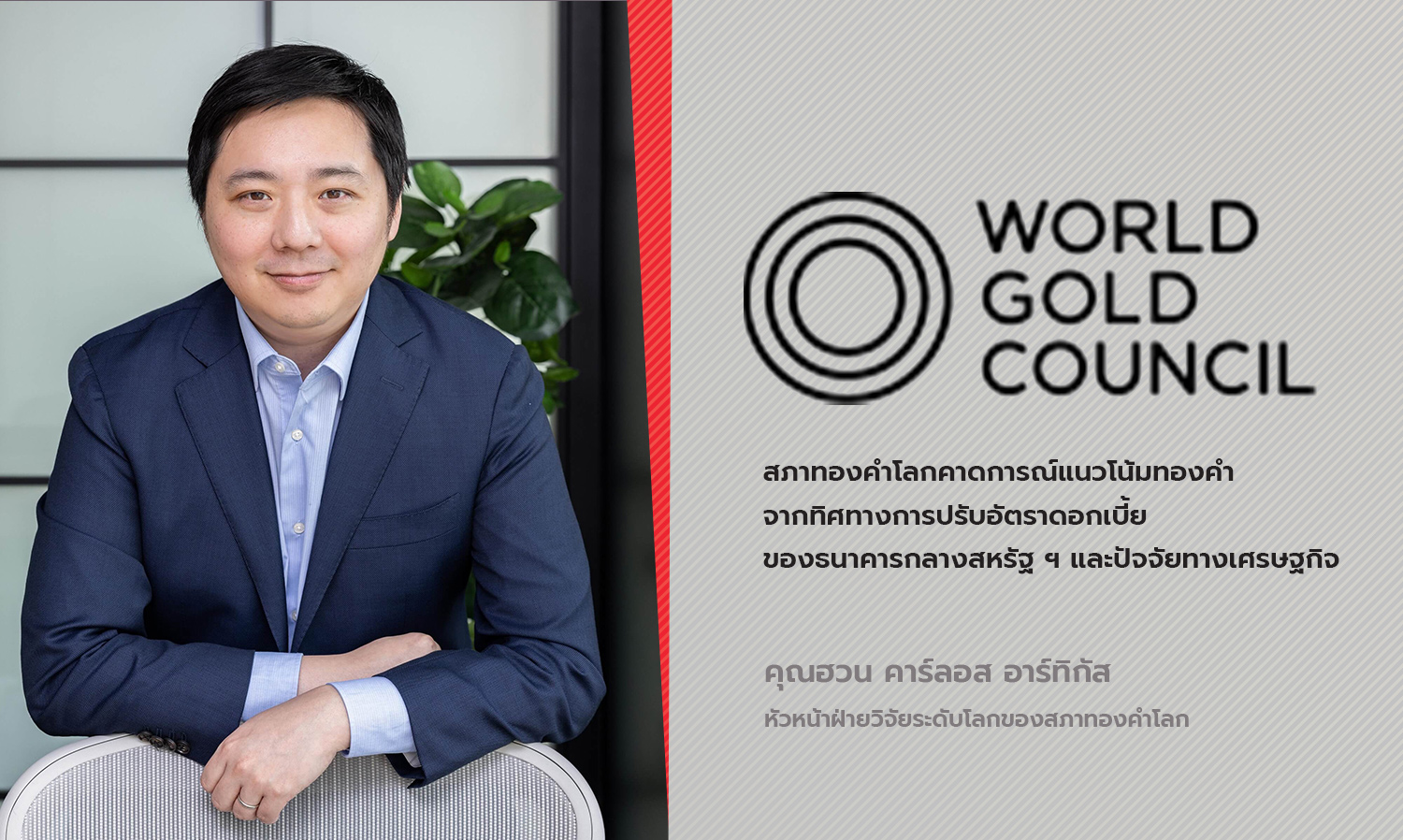
Juan Carlos Artigas, the Global Head of Research at the World Gold Council, stated, “Similar to the global economy, it seems that gold is waiting for factors to stimulate change, which may come in the form of investment flows from the West as interest rates decline or from rising risk indicators. Although the outlook for gold may still face some challenges, the demand for gold as a strategic asset allocation tool is increasing.”
Juan further added, “As the global economy undergoes a transition, investors want to know whether the past trends in gold will continue or cool down. Historically, the market has focused solely on interest rates and the US dollar when forming views on gold. From this perspective, the changes that occurred in the first half of 2024 would likely have a negative impact on gold. However, gold prices have repeatedly reached record highs and have shown strong performance throughout the second quarter.”
The World Gold Council expects central bank demand for gold this year to remain higher than previous trends, a view that aligns with Metals Focus. This forecast is supported by survey results from central banks indicating that gold reserve managers maintain a positive outlook on gold. However, some central banks, including the People's Bank of China (PBoC), have reportedly reduced their gold purchases.
Asian investors have also played a significant role in gold's performance recently, as evidenced by demand for gold bars and coins, as well as inflows into gold ETFs in the second quarter of 2024.
Shaokai Fan, the Head of the Asia Pacific region (excluding China) and Global Head of Central Banks at the World Gold Council, stated, “Consumer demand for gold in Thailand in the second quarter of 2024 increased by 20% compared to the same period last year, reaching 9 tons, marking the highest percentage growth among Southeast Asian countries for the second quarter. Despite rising gold prices, global demand for gold still increased by 4% compared to last year, totaling 1,258 tons, making it the strongest second quarter we have recorded. Looking ahead, the question is what factors will drive gold to remain a top investment strategy, especially with long-standing predictions that the US Federal Reserve may soon lower interest rates, leading to increased investment flows into gold ETFs as Western investors return to interest. The continued recovery of this investment group may shift the demand trend for gold in the second half of 2024.”
The performance of gold in various economic scenarios is driven by the interplay of four key factors.
In summary, gold may continue to move within a limited range if the US Federal Reserve takes longer than expected to lower interest rates. However, there is a tendency for gold to yield higher returns from this point, potentially driven by investment flows from the West. Conversely, if central bank demand for gold significantly decreases, and interest rates remain high for longer than anticipated, along with a shift in Asian investor sentiment, investors may see a correction in the second half of the year. The World Gold Council's analysis shows that gold plays a crucial role in risk diversification and serves as a source of financial liquidity while providing long-term positive returns.
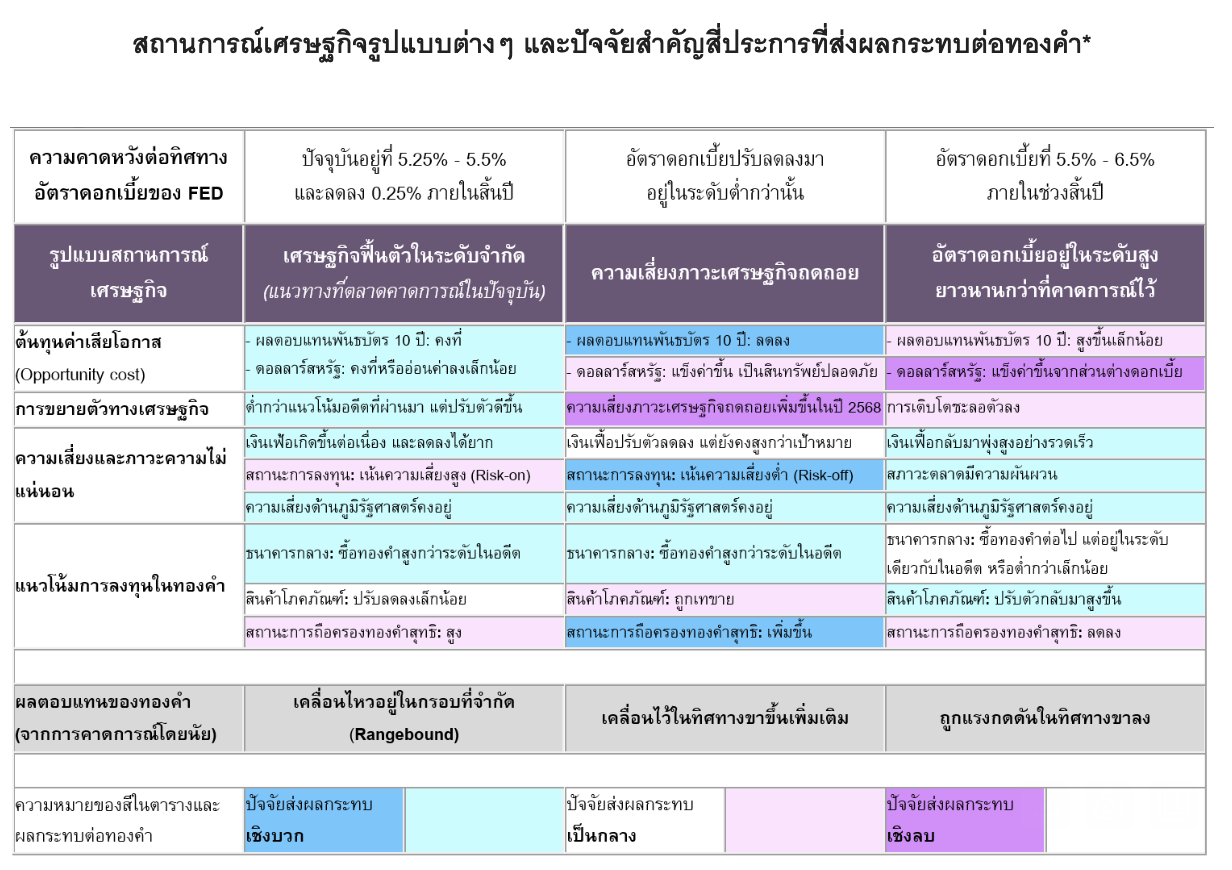
*Analysis data as of June 30, 2024, based on consensus market views and other indicators from Bloomberg and Oxford Economics. The size of the factors affecting gold shown in the table correlates with their significance in various scenarios, with the impact on gold returns based on average annual prices analyzed according to the gold valuation framework. Source: World Gold Council
World Gold Council
The World Gold Council is a member organization that supports the role of gold as a strategic asset, creating a responsible future for the gold supply chain across all sectors. Our team of experts builds understanding through case studies and the potential of gold assets through research, analysis, opinions, and reliable insights. We drive the industry forward, advocate for policies, and establish standards for a stable and sustainable gold market.
You can follow updates and news from the World Gold Council on X (Twitter) at @goldcouncil and LinkedIn.