Developing Shopping Malls for Better Well-being with Fitwel Standards
Mr. Prabhan Sak Raksaiwan
Managing Director, LW S Wisdom and Solutions Co., Ltd.
As we move into 2024, how has everyone been? I hope you have started working again after the New Year break. February is a time when work may not yet be fully underway as we enter the Chinese New Year festival, a time for relaxation, travel, and shopping. Wishing everyone happiness during this festive season!
In 2023, I wrote several times about the development of residential and office buildings under the concept of well-being. This includes various standards such as LEED (Leadership in Energy and Environmental Design), a green building standard developed by the U.S. Green Building Council (USGBC), and WELL, developed by the International Well Building Institute (IWBI) in the United States. Currently, there are many standards considering well-being from various institutions. As I mentioned in my January article about real estate development trends for 2024, developing projects with a focus on well-being is a trend that homebuyers prioritize and is a standard for real estate developers to meet the needs of today's buyers.
Today, I would like to introduce another building development standard to the readers of TerraBKK, which can be applied in the development of residential projects, office buildings, and other types of buildings. This standard is called Fitwel.
Fitwel is a certification standard focused on the well-being of building users, developed by the U.S. Centers for Disease Control and Prevention (CDC) and the General Services Administration (GSA), and is currently operated by The Center for Active Design (CfAD).
Fitwel Certification Levels
1-Star Building: Certified with 90-104 points
2-Star Building: Certified with 105-124 points
3-Star Building: Certified with 125-144 points
The scoring system of Fitwel differs from other standards in that it does not impose mandatory requirements for certification. Project owners can freely choose to score in various categories. The certification level depends on the effectiveness and scoring capability in each selected category. This flexibility makes Fitwel an appealing option.
The flexibility of Fitwel makes it an interesting choice for real estate developers to apply in their projects. As I mentioned earlier, Fitwel can be used in the development of all types of buildings to create a healthy and comfortable environment for users, benefiting their health. Each building will have different details regarding the standards. Today, I will focus on the Fitwel standards for retail buildings or shopping malls, as these buildings have a high volume of users who spend between 1 to 8 hours or more inside. Therefore, developing buildings that promote the well-being of users with Fitwel standards is an attractive option for retail project developers. There are 12 categories to consider for development under Fitwel standards:

- Project Location – Fitwel standards emphasize the importance of surrounding amenities, similar to other standards. The project location must have amenities such as restaurants, banks, gyms, and public transport stations within 800 meters from the main entrance and accessible by foot.
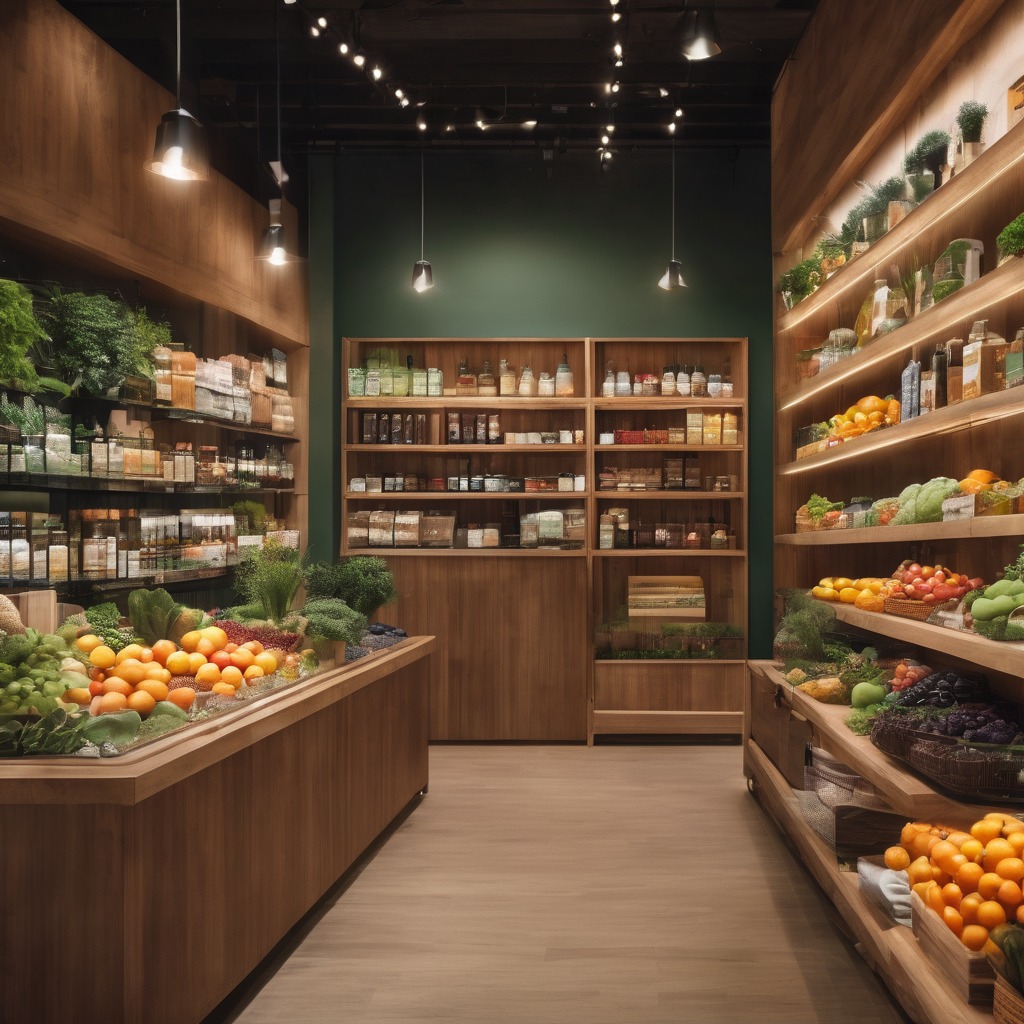
2. Access to the Project - Fitwel standards focus on pedestrian access and creating travel options for customers, including incentives to reduce car usage, such as designing safe pedestrian pathways between the main entrance and public transport points, ensuring safety for pedestrians and cyclists, promoting cycling with adequate and secure bike parking, and encouraging reduced personal vehicle use.
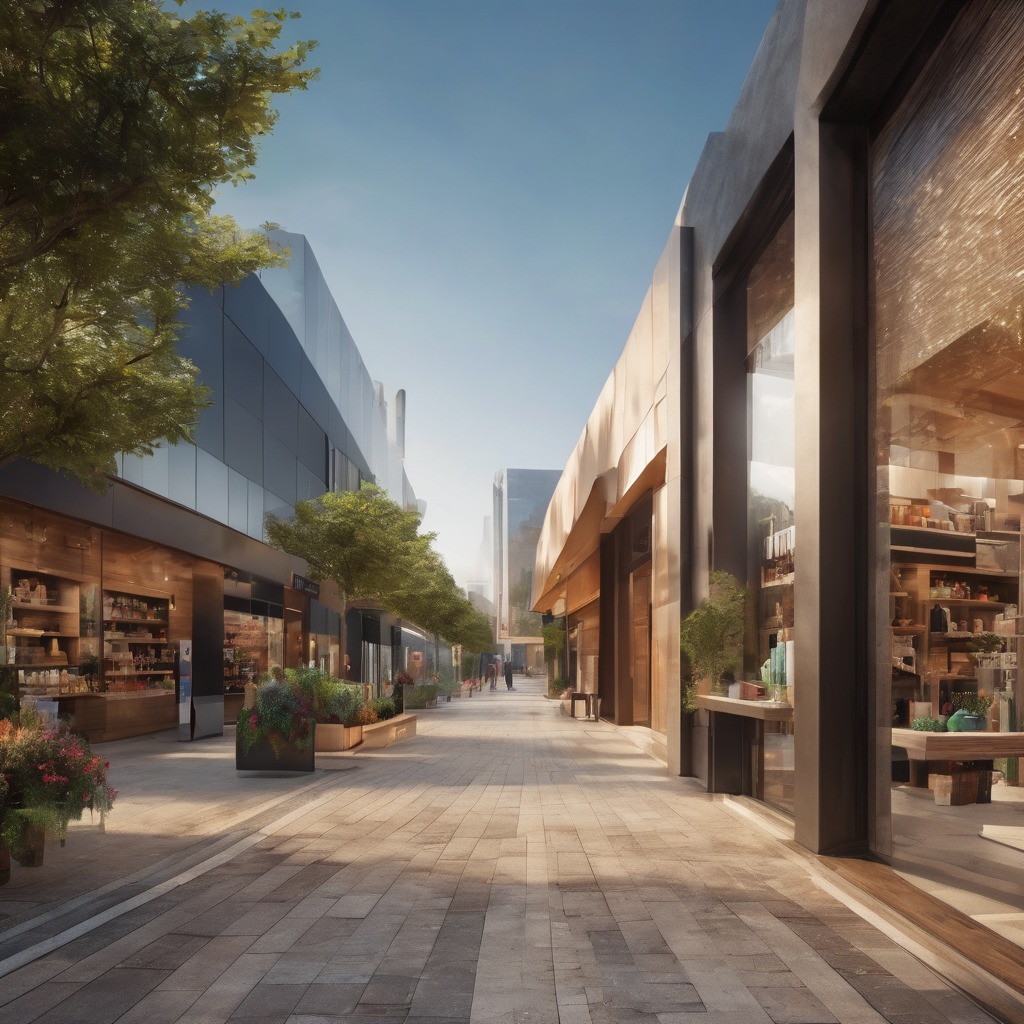
3. Outdoor Areas – Outdoor spaces must promote health activities for customers, such as health-promoting walking paths, outdoor exercise areas, and health gardens to connect people with nature, enhancing mental well-being, including hosting farmer's markets to promote agricultural products, especially organic produce.
4. Building Entrances - Entrances and the first floor must be smoke-free areas with signage at every entrance. The main entrance should connect to outdoor spaces to access health-promoting areas outside, and amenities must be within 30 meters from the main entrance, such as seating, restrooms, or public transport drop-off points.
Every entrance must have adequate lighting for safety and must be equipped with dust mats to filter and reduce dust or pathogens that may spread indoors.
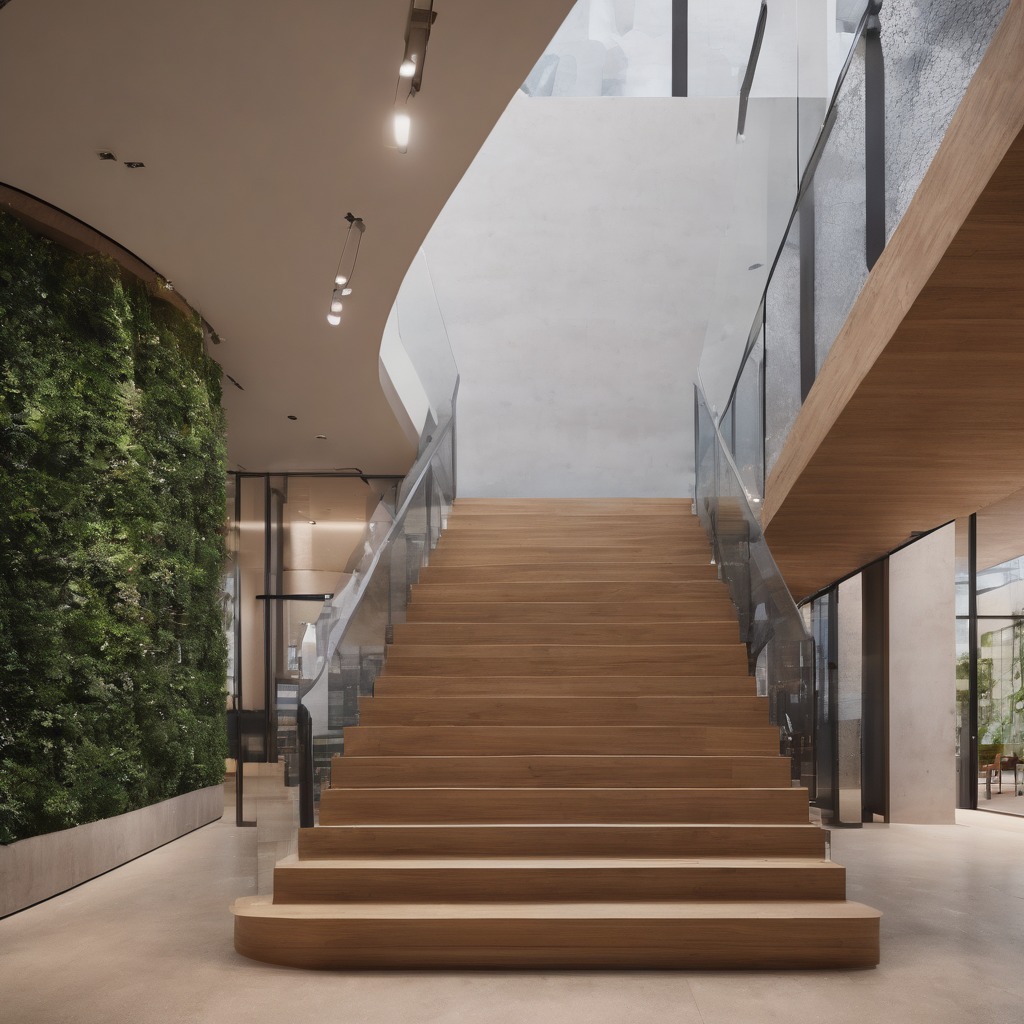
5. Stair Design – Fitwel standards encourage customers to use stairs more often instead of escalators or elevators. Stair designs should be easily visible, accessible, safe, and inviting.
6. Indoor Environment – There should be policies regarding Indoor Air Quality, with regular testing and publicizing results to users. Construction materials should be free of harmful asbestos, and pest management plans must be in place, along with environmentally friendly cleaning products.
7. Office Areas – Office spaces should promote productivity and well-being for employees, including access to natural light, views from workstations, and thermal comfort.
8. Common Areas – Shared spaces like restrooms must have cleaning policies and hygiene education for users. There should be exercise areas or fitness facilities, activities promoting health both indoors and outdoors, and multi-purpose rooms for wellness activities, including spaces for breastfeeding.
9. Drinking Water Stations – Fitwel standards require accessible drinking water services, with sufficient stations and quality testing.
10. Food and Beverage Services – Fitwel promotes access to healthy food options, especially in areas serving building employees.
11. Vending Machines – Policies should be in place for vending machines, ensuring that products promote health.
12. Emergency Preparedness - Fitwel emphasizes safety and emergency response, ensuring users receive prompt and appropriate assistance. Emergency plans must meet standards, with sufficient Automated External Defibrillators (AEDs), trained first responders, and automated emergency alert systems for users and other building occupants.
All 12 categories are designed to ensure that both employees and customers using the building enjoy good health, comfort, and safety. Buildings eligible for Fitwel certification include office buildings, multifamily residential buildings, and senior housing. Fitwel certification lasts for three years from the date of certification, after which re-certification is required.
Now that you know about Fitwel, how do you feel? It’s not difficult for real estate developers to pursue this standard. If you’re interested in more information, you can read further at www.lws.co.th. See you again in March!
Best regards,