“People, Society, Environment” - 3 Key Challenges in Real Estate Development for 2024
“LWS” <\/span><\/strong><\/span>states that real estate development in 2024 must focus on three dimensions: People (Population), Society and Culture (Social & Culture), and Environment (Environment) <\/span><\/strong><\/span>amid the changing lifestyles of people in society following the COVID-19 pandemic.<\/span><\/strong><\/span>
 <\/p>
<\/p>
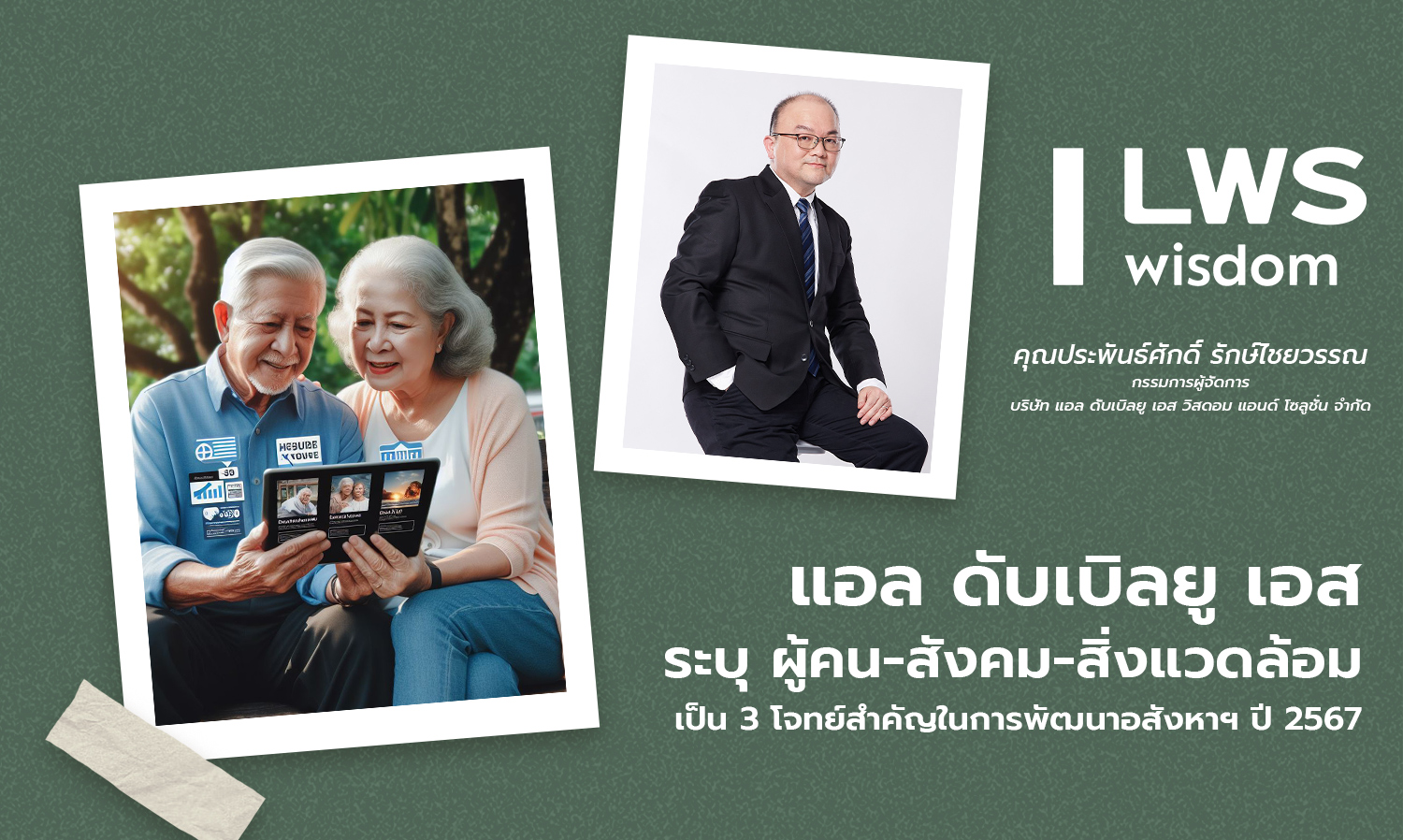
Mr. Prabhan Sak Raksaiwan, Managing Director of LWS Wisdom and Solutions Co., Ltd. (LWS)<\/span><\/strong><\/span>, a research and development company in real estate under the LPB Development Public Company Limited, discussed the trends in real estate development for 2024. He noted that based on the analysis of buyer behavior and housing needs by the Product Design Center (PDC), along with insights from ‘KID’ Creative Thailand, which plays a role in gathering knowledge in creativity under the supervision of the Creative Economy Agency (Public Organization) or CEA, presented the E-book Trend 2024: REMADE ANEW<\/em>. This book compiles in-depth analyses and trends in the creative business sector expected to emerge in 2024, revealing that housing and service development must consider three dimensions: People (Population), Society and Culture (Social & Culture), and Ecology and Environment (Environment).<\/span><\/span>
 <\/p>
<\/p>
Regarding People (Population)<\/span><\/em><\/strong><\/span>
Currently, people from different generations have varying needs, which is crucial for developing housing and related services that cater to these unique demands. For example:<\/span>
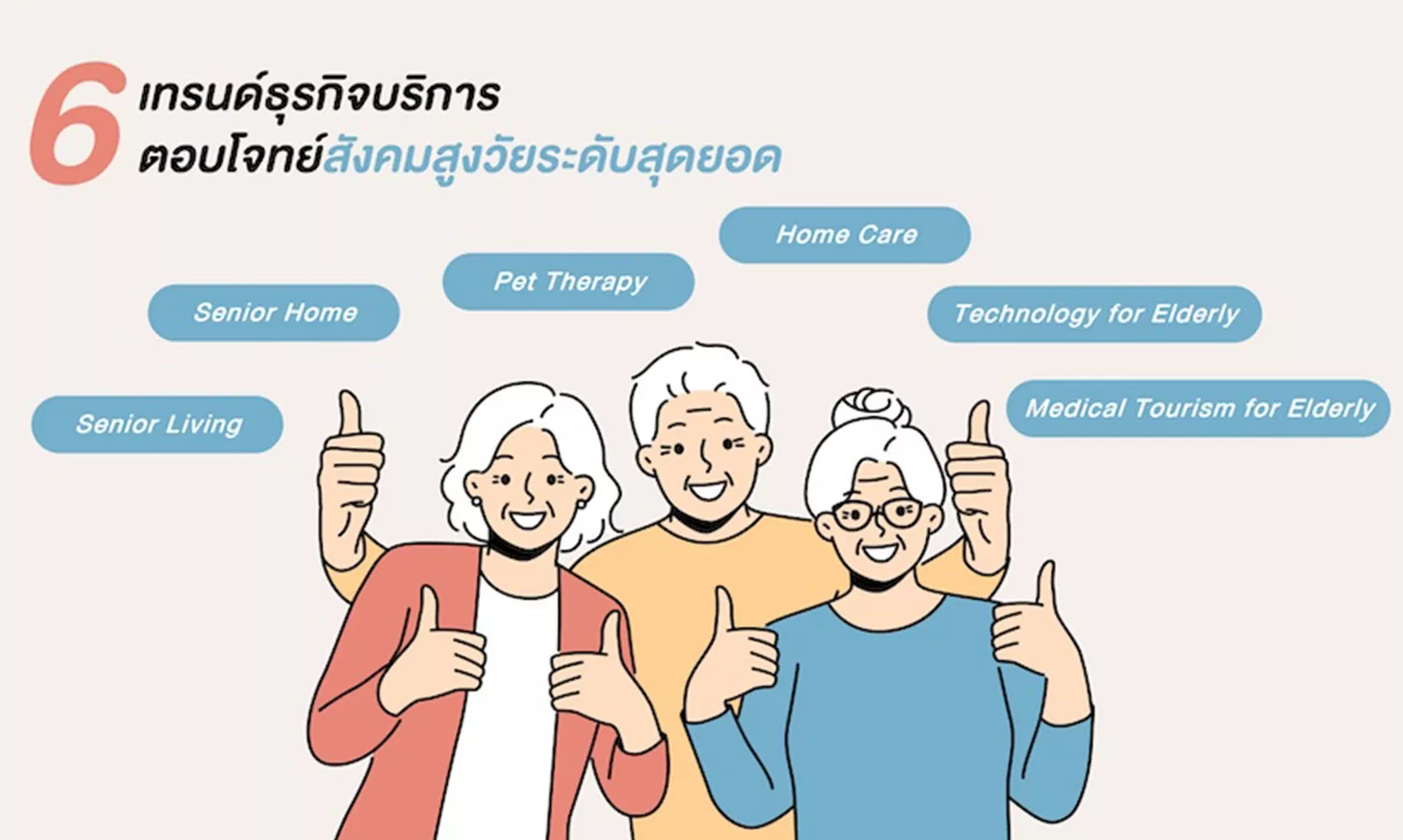
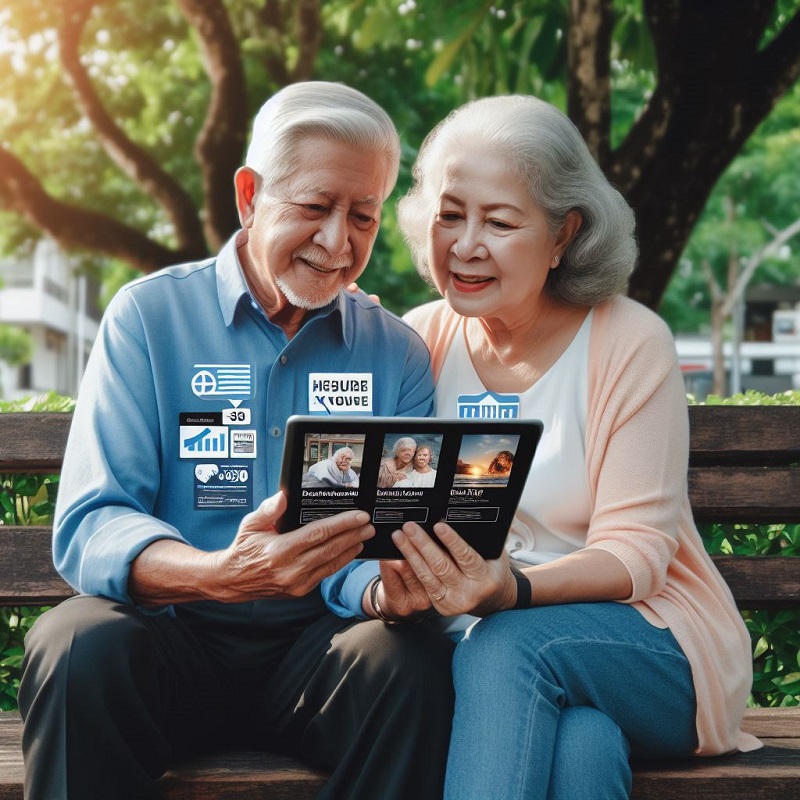
Ageless Marketing<\/strong> <\/span>, or age-inclusive marketing, indicates that consumers do not want to be labeled as elderly. Instead, they prefer products/services that reflect the image of who they aspire to be, not who they are. This applies to the elderly as well. Consumers desire the freedom to access various services without age restrictions, such as exercise, fashion clothing, and furniture designed for all ages.<\/span>
Solo Service<\/strong><\/span> has gained popularity due to the increasing desire for independence, with more individuals living alone and traveling solo. This has led to a demand for services catering to solo customers, such as restaurants with seating for one or spaces designed for singles that still connect them with the outside world, like co-working spaces or apartments for singles, which are also trending upwards.<\/span>
Build-to-Rent (BTR)<\/strong> <\/span>is about creating homes for singles, whether through sharing with strangers or gathering groups of single friends. This rental culture has been steadily increasing in China, Asia, and the United States since 2018, including couples who choose not to have children. About 60% cite that not having kids allows them to save money for travel, and 74% believe that having pets can fulfill family roles, leading to a greater demand for rental housing.<\/span>
According to LWS's survey, housing prices have been continuously rising due to increasing land prices, construction material costs, energy prices, and high interest rates, which have led to a decrease in housing purchasing power. In 2022, the condominium market in Bangkok and its vicinity saw ownership transfers drop to 34% from a previous high of 45% of 650 billion baht.<\/span>
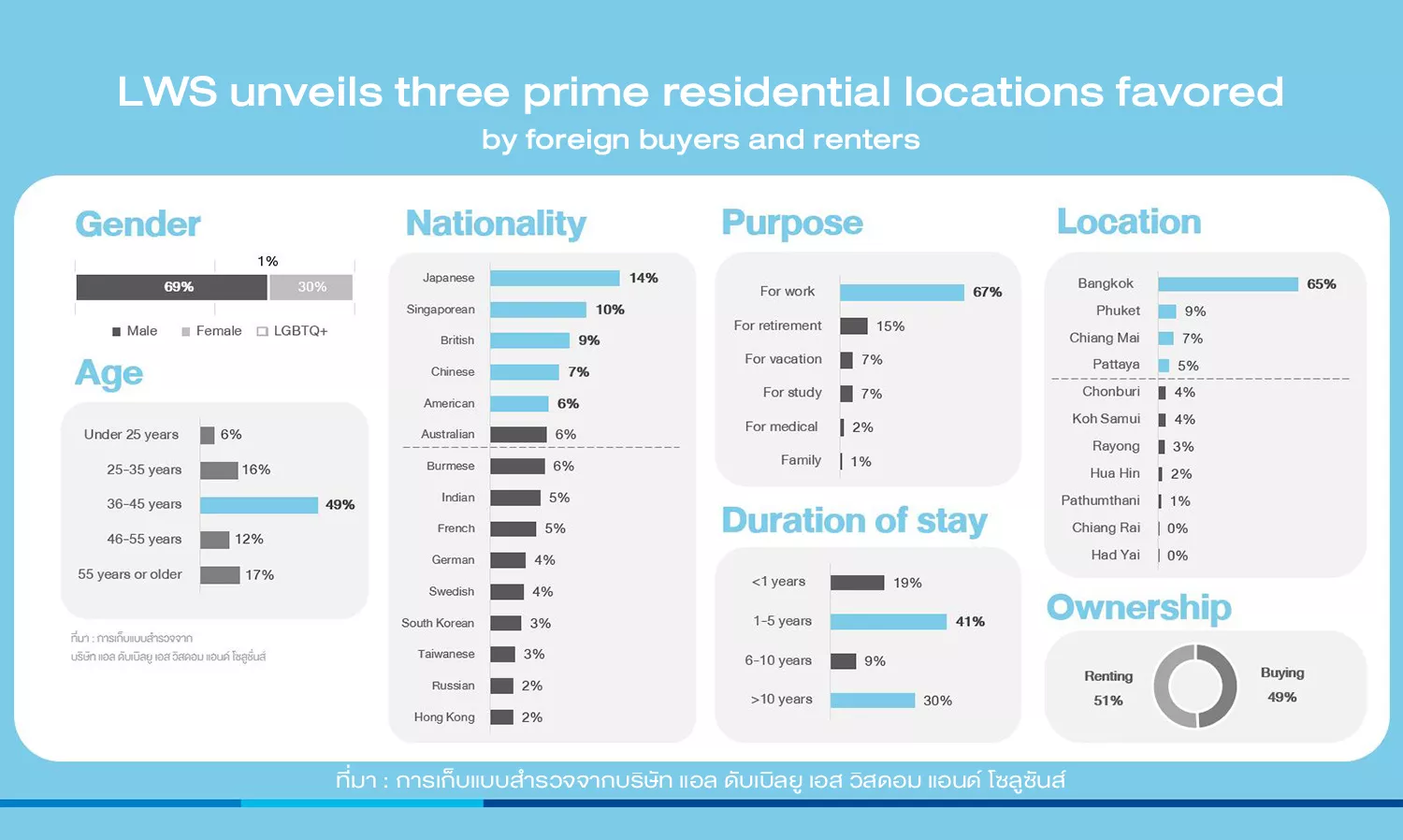
When comparing the value of renting versus buying, condominium prices in Bangkok and its vicinity have increased by 29% since 2018, while rental rates have decreased by about 7% during the same period. This has resulted in a 56% increase in the demand for rental condominiums in Q1 2023, compared to a 5% decrease in purchasing demand during the same timeframe, indicating a shift towards a Generation Rent, especially among younger groups like Gen Z (First Jobbers) and Gen Y, where over 50% are renters, with average rents between 6,000-9,000 baht/month and an average monthly income of 20,000-40,000 baht, with over 70% being single, reflecting a preference for solitude, convenience, and new technologies or innovations.<\/span>
Hybrid Work<\/strong> is the balance of in-office and remote work that Gen Z seeks the most, with 77% looking for jobs that specify “Flexibility” on LinkedIn.<\/span>
Based on these trends, LWS has surveyed current housing buyers' behaviors and found that services addressing Hybrid Work lifestyles include transportation services like MuvMi, Grab, Line Man, Bolt, and Cabb, which provide applications that cater to the convenience of the new generation. It is expected that by 2028, the market value of app-based transportation services will reach 153.8 billion baht, with a noticeable market recovery since Q3 2022, where foreign users of Grab services reached 45%.<\/span>
In terms of product development for condominiums and residential homes, designs that cater to today's people should include communal areas that support “solo use among people in shared spaces,” with a relaxing atmosphere and designs accommodating the needs of the elderly and all ages, while residential areas should consider the living arrangements of singles and the increasing demand for pet-friendly housing.<\/span>
 <\/p>
<\/p>
Society and Culture (Social & Culture)<\/span><\/strong><\/span>
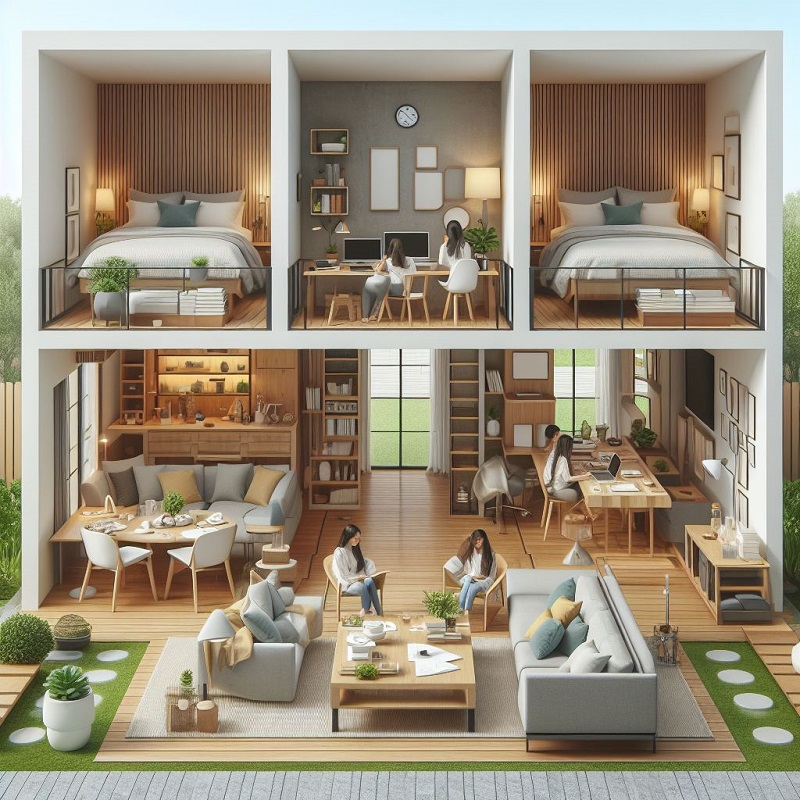
Digital Nomad<\/strong> is a flexible work style that emerged during the massive migration from 2020 to 2024, marking a new chapter in history. The role of digital technology in people's lives today allows work to be done anywhere at any time, predicting that there will be 1 billion Digital Nomads worldwide by 2035. This trend necessitates real estate developers to adjust their project development concepts to meet the needs of current buyer behaviors by designing spaces and additional services to facilitate customers who need workspaces as follows:<\/span>
1. Design<\/strong> residential spaces for short to medium-term rentals and communal areas that facilitate remote work conveniently, such as providing suitable work desks with power outlets and comprehensive internet access, creating quiet zones for online meetings, and offering photocopying services, coffee corners, and relaxation areas after work.<\/span>
2. Adjusting service hours for communal areas<\/strong>: Due to changes in work hours, the demand for communal space does not align with service hours, causing inconvenience for over 40% of users. Therefore, extending service hours to more than 20 hours/day or 24 hours is necessary, similar to current 24-hour co-working spaces and gyms.<\/span>
3. Booking restaurants and tourist attractions with knowledgeable local guides and interpreters<\/strong>: As work locations shift to leisure and tourist spots, users seek additional experiences from travel. Therefore, providing services to search, select, and book restaurants and tourist attractions, including famous activities and local sites, along with tour guide services and interpreters for local language areas, will enhance user experiences when changing work locations.<\/span>
4. Facilitating travel services to tourist destinations<\/strong>: In addition to guided tours, self-drive car rental services are another popular option for tourists to travel to desired relaxation spots. This service complements the Digital Nomad trend.<\/span>
 <\/p>
<\/p>
Ecology and Environment (Environment)<\/span><\/strong><\/span>
In 2024, it is a year of responsibility and a complete shift in communal living. According to a Mastercard report, 58% of consumers are more aware of their ecological impact since the COVID-19 pandemic, and 85% are willing to change personal behaviors to address climate emergencies. Data from the Edelman Trust Barometer in 2022 reported that 52% of consumers in 28 countries want to see businesses address environmental crises more actively, while Unilever's insights indicate that consumers are demanding change and choosing to support brands that have the least environmental impact.<\/span>
Regenerative<\/strong> refers to a circular economy concept applied to brands supporting sustainability, focusing on four key ideas: reducing risks, achieving zero harm, creating good, and considering regenerative practices. This approach shapes strategies and frameworks from the business inception, cost management, and profit before evolving into a business that not only extracts but also gives back to the planet.<\/span>
Politics of Plastic<\/strong> suggests that the term sustainability might feel distant, leading to a trend of using the term Politics of Plastic, which feels closer and more tangible, clearly addressing the issue of single-use plastic waste.<\/span>
 <\/p>
<\/p>
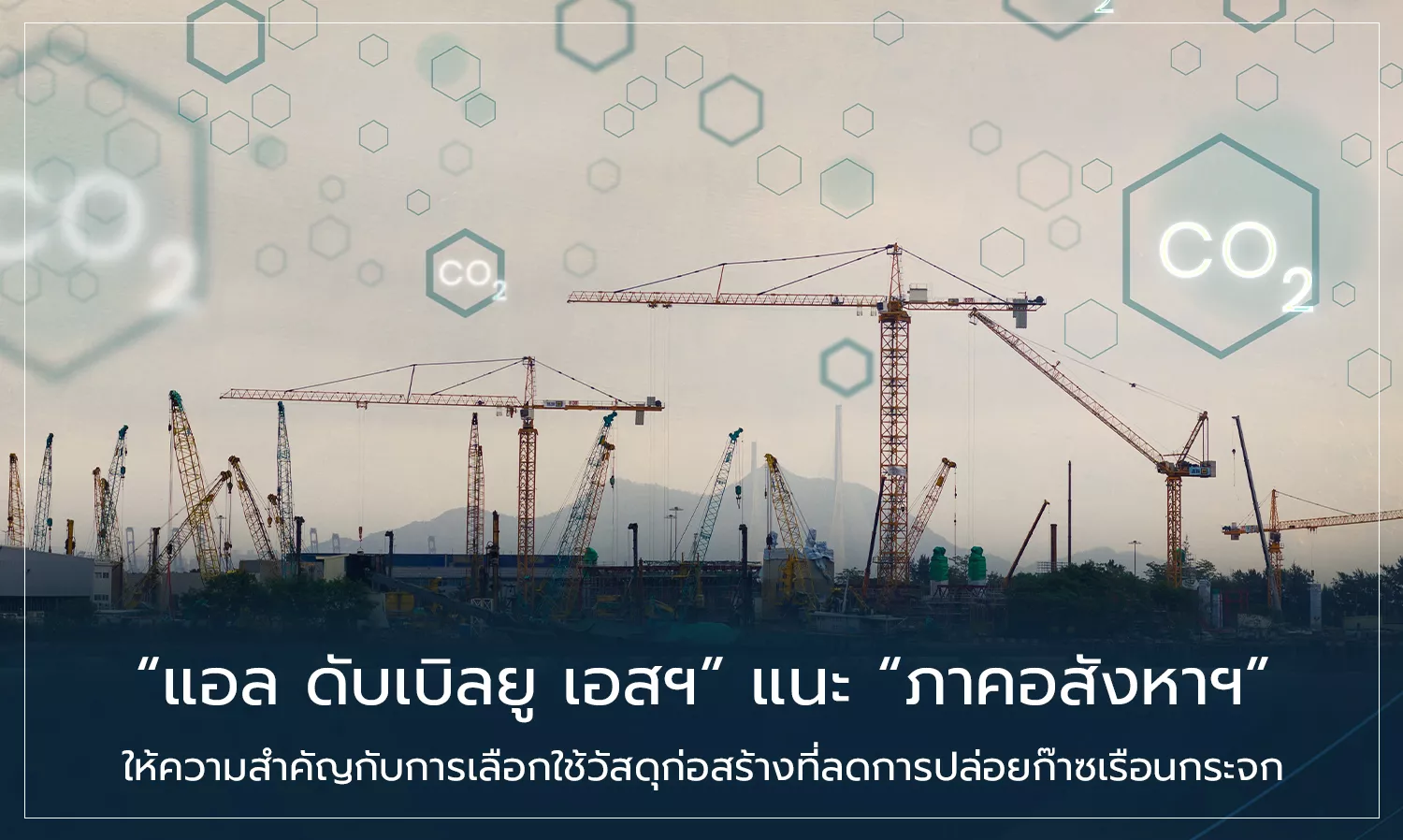
Given these trends, real estate project development in 2024 must prioritize environmentally friendly projects that minimize environmental impacts from construction processes. LWS's survey indicates that housing development in 2024 and beyond must focus on the following issues:<\/span>
1. Establishing waste sorting areas and services<\/strong><\/span>: LWS's survey found that over 77% of young people prioritize waste sorting, leading to a shift towards purchasing environmentally friendly products by over 70%. Therefore, housing projects must emphasize environmental considerations, including waste sorting points and automatic recycling bins for condominium projects.<\/span>
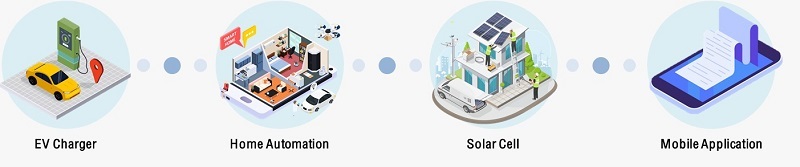
2. Installing Solar Roofs<\/span><\/strong>: Currently, the average cost of generating electricity from solar panels is 10 baht per watt, down from 80 baht per watt 15 years ago, while fossil fuel electricity production costs are rising. In Bangkok, over 3 million households exist, but less than 10% have solar panels installed. It is expected that this will increase to 20% in three years, with installation costs around 110,000 baht for 3 kWp, saving an average of 2,000-3,000 baht per month. Given this trend, installing Solar Roofs in housing developments is becoming a basic requirement for real estate developers across all types of housing projects, both horizontal and vertical, to meet buyer demands. Additionally, central areas must also install solar cell systems to save energy and reduce project costs. LWS's study shows that a power capacity of approximately 3.2 kWp – 5.4 kWp can reduce electricity costs by about 3,000 – 6,000 baht, with installation costs around 170,000 baht and a payback period of about 5 years.<\/span>
 <\/p>
<\/p>
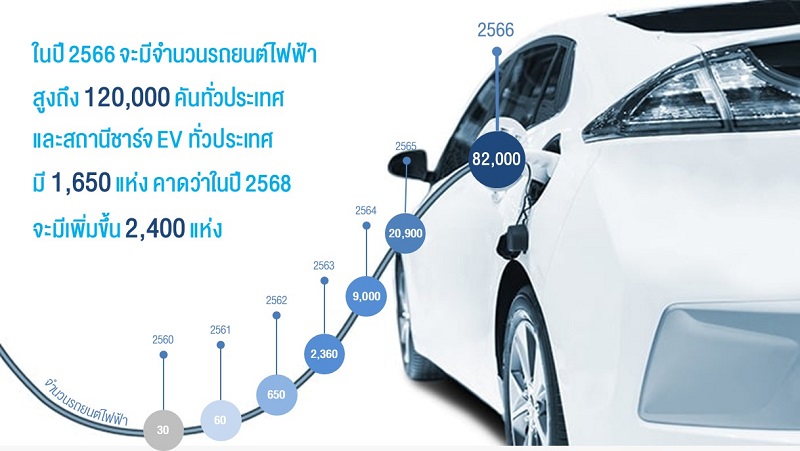
3. Increasing the installation of electric vehicle charging stations<\/span><\/strong>: The use of electric vehicles is steadily increasing, with projections indicating that by 2024, there will be a cumulative total of 120,000 electric vehicles. Current real estate developers recognize the importance of electric vehicles, with over 20% of condominium residents wanting to increase parking spaces with EV chargers. Most current condominium projects have an average of 2 charging stations, but this is expected to be insufficient. Therefore, it is necessary to increase this to more than 4 charging stations to accommodate the rising number of electric vehicles and support a better environment in the future.<\/span>
4. In terms of real estate design, recommendations include adhering to three principles<\/span><\/strong>: Zero Waste Design, reducing carbon footprint, and using materials that help restore nature. This may reference the Zero Energy Building (ZEB) design principles, which include building shells that reduce heat, efficient natural lighting systems, high-efficiency air conditioning, the use of renewable energy, and landscape adjustments to lower surrounding temperatures.<\/span>
“In summary, 2024 will be a year where the real estate sector is driven by key factors of sustainable development, considering housing design and services that reflect the state of society, culture, and the environment, under the concept of sustainable housing that appropriately utilizes resources and technology amid changes in social conditions, climate, and the environment,” Mr. Prabhan Sak concluded.<\/strong>
<\/p>