Singha Estate Promotes Eco-Tourism Lifestyle Through the Beauty and Biodiversity of Birds
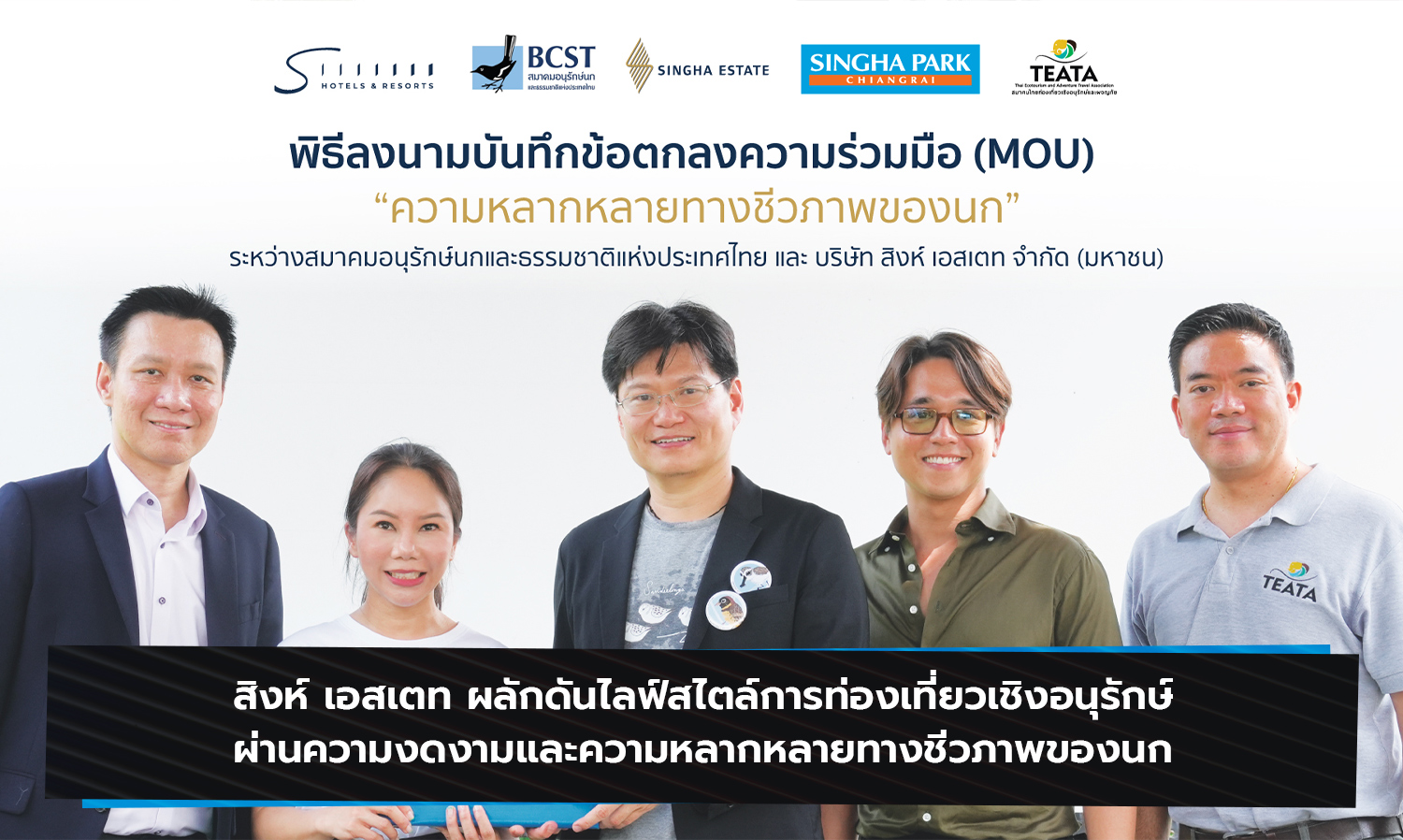
Singha Estate Group Expands Eco-Tourism under the concept of Sustainable Diversity, partnering with the Bird Conservation Society of Thailand to sign an MOU on Bird Biodiversity. The aim is to raise awareness about the conservation of natural resources as part of sustainable business practices.
Singha Estate (SET: S), an international real estate and investment developer, along with S Hotels and Resorts (SET: SHR) and Singha Park Chiang Rai, signed a memorandum of understanding (MOU) on Bird Biodiversity with the Bird Conservation Society of Thailand (BCST) on November 11, 2023. This collaboration aims to preserve and raise awareness about the importance of bird biodiversity, habitats, and natural resources in society, as well as to encourage all parties to participate in operations to achieve sustainable development goals.
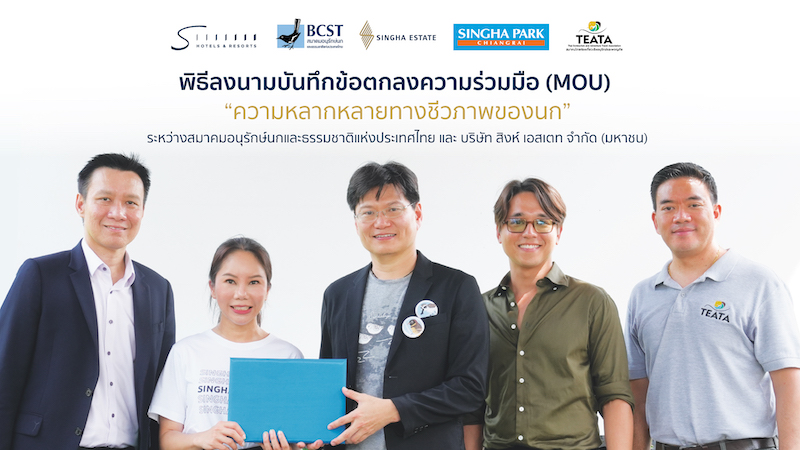
Ms. Sirithorn Thamrongnawasawat, Director of Sustainable Development at Singha Estate Public Company Limited, stated that this project aligns with the company's vision under the concept of Sustainable Diversity, promoting balanced diversity to foster sustainable growth. This philosophy has always been a priority for the Boonrawd Group. The project encompasses prevention, preservation, and effective resource management to maintain ecological balance sustainably, as well as promoting biodiversity. We invite customers, employees, communities, and interested individuals to participate in creating a balanced coexistence in economic, social, and environmental aspects.
“Singha Estate and its affiliated companies are ready to support various knowledge initiatives to serve as a voice for those interested through the company's channels and activities, such as the Nature Trail project, which creates learning paths about biodiversity, particularly birds, which are clear indicators of environmental richness. Along the trail, visitors can encounter various species such as the white-tailed eagle, golden-eyed white-browed bulbul, and red-wattled lapwing, allowing tourists to learn while enjoying sustainable travel,” Ms. Sirithorn added.
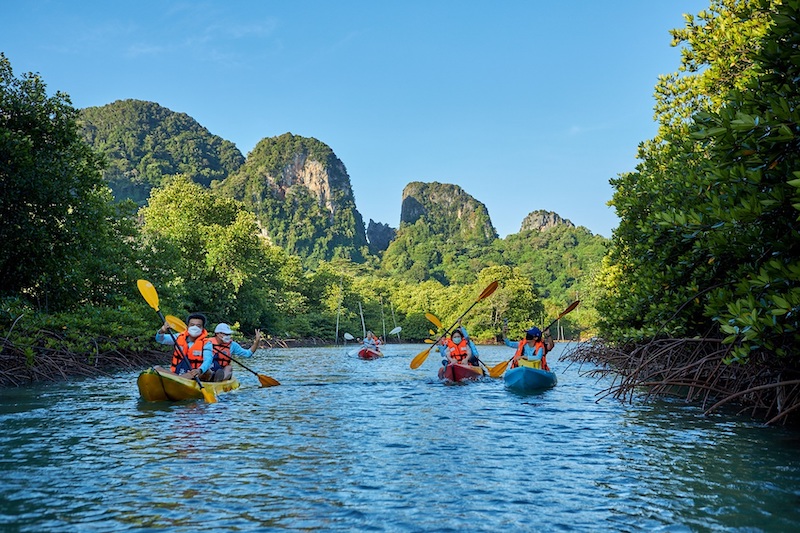
A survey by Booking.com[1] on Thai travel trends indicates that in 2024, Thais view life as a journey, with eco-tourism considered an aesthetic of sustainable travel. This will lead to more innovative designs focused on sustainability and create environmentally responsible travel options. Today's travelers seek not only short eco-tourism trips but also draw inspiration from conservation ideas to apply in their lives to reduce environmental impact and create positive effects on communities and society. The report includes other interesting survey results such as:
- 78% of travelers look for accommodations with outstanding sustainability innovations.
- 83% of travelers want to see concrete sustainability actions, while 65% prefer accommodations decorated with green spaces and trees, resembling nature.
- A significant number of travelers are interested in sustainable travel platforms that offer options or experiences that unlock unique opportunities (84%), such as experiences living with local communities or unfamiliar destinations (47%) or trips to remote areas that most travelers may not have accessed (44%).
A survey from Traveloka, a well-known travel platform, reveals that in 2024, health and environmentally conscious tourism is gaining popularity. The sale of story-driven tourist attractions is expected to thrive, with 80% of users wanting to book accommodations certified for sustainable tourism services[2].
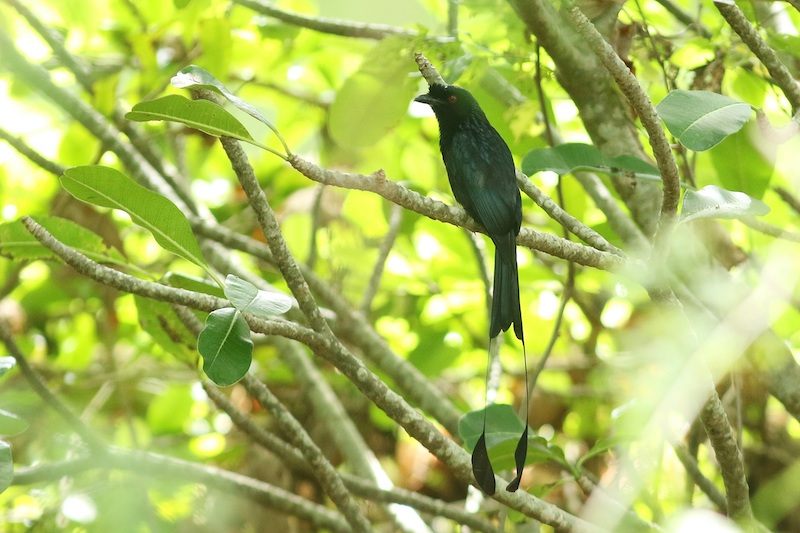
Great Crested Tern
Ms. Sirithorn further stated that the surveys from these travel platforms confirm that the trend of eco-tourism is rising, making activities like Nature Trails and Bird Walks attractive selling points for eco-tourism enthusiasts. This positions our hotels as preferred destinations for tourists. Currently, we have implemented a biodiversity trail at Santiburi Samui Hotel and plan to develop Nature Trails at Singha Park Chiang Rai and Phi Phi Island Village Resort.
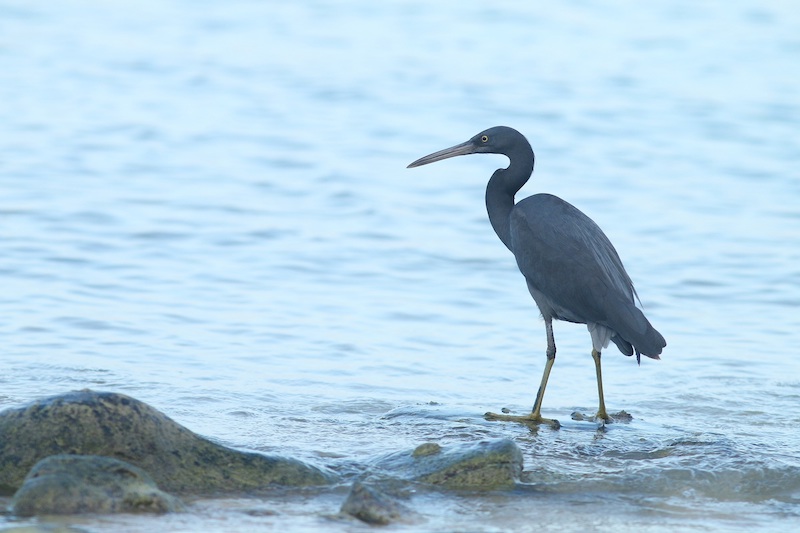
Black-headed Ibis
The Nature Trail at Santiburi Samui Hotel is divided into three paths:
- Path 1: A bird and aquatic insect exploration trail, featuring 13 observation points to learn about interesting life forms in the area.
- Path 2: An exploration trail for aquatic insects and lichens, surrounded by various shrubs, focusing on learning about different groups of insects and spiders, with 13 observation points.
- Path 3: A trail for exploring beach animals and water birds, leading to the resort's beach, emphasizing the connection between dry habitat and beach ecosystems.
At Phi Phi Island Village Resort, 63 bird species were identified among a total of 229 species observed, with the exploration paths divided into three:
- Path 1: A running/cycling trail exploring mangrove species and various birds during morning, evening, and nighttime, providing opportunities to observe nocturnal creatures, including rare insects, spiders, and reptiles.
- Path 2: A kayaking trail (2 kilometers) focusing on coastal birds, crabs, and mollusks in the mangrove area, including juvenile fish and studying the structure of mangrove trees.
- Path 3: A kayaking trail (1 kilometer) exploring various fish species, including juvenile fish, marbled eel, and particularly the blue-eyed cardinal fish, which was reported for the first time in the mangrove area of Lobakau during this survey.
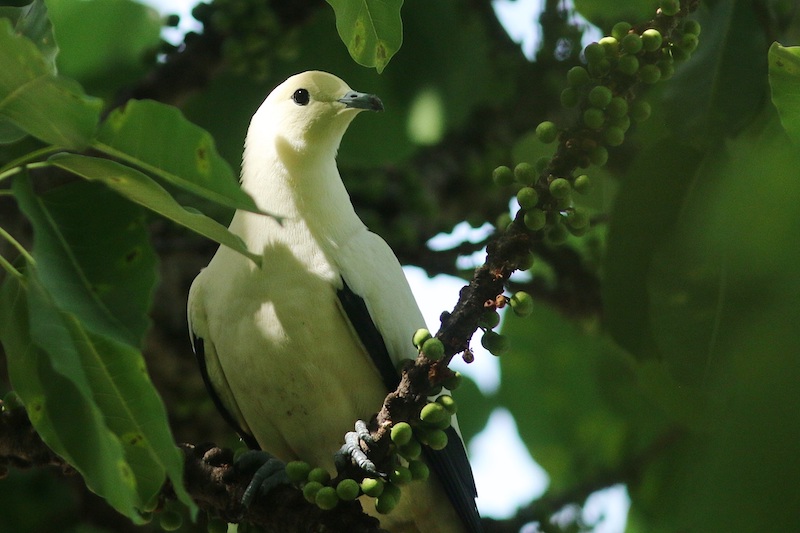
White-throated Kingfisher
The biodiversity promotion project undertaken by the company, in addition to collaboration with affiliated companies, also involves partnerships with the Green World Foundation, Lobakau Community, Phi Phi Islands, the Department of Marine Science, Faculty of Fisheries, Kasetsart University, and the Biodiversity Center of Chiang Rai Rajabhat University. This collaboration aims to research and preserve biodiversity while managing environmental and tourism business aspects sustainably and effectively to meet eco-tourism needs.
Furthermore, collaboration with the Thai Ecotourism and Adventure Travel Association enhances the development of the eco-tourism industry in Thailand, attracting international tourists from Europe, the UK, the USA, Asia, as well as Thai tourists who are passionate about eco-tourism. Singha Estate and its affiliated companies are committed to promoting biodiversity and sharing values to protect and care for our planet sustainably.