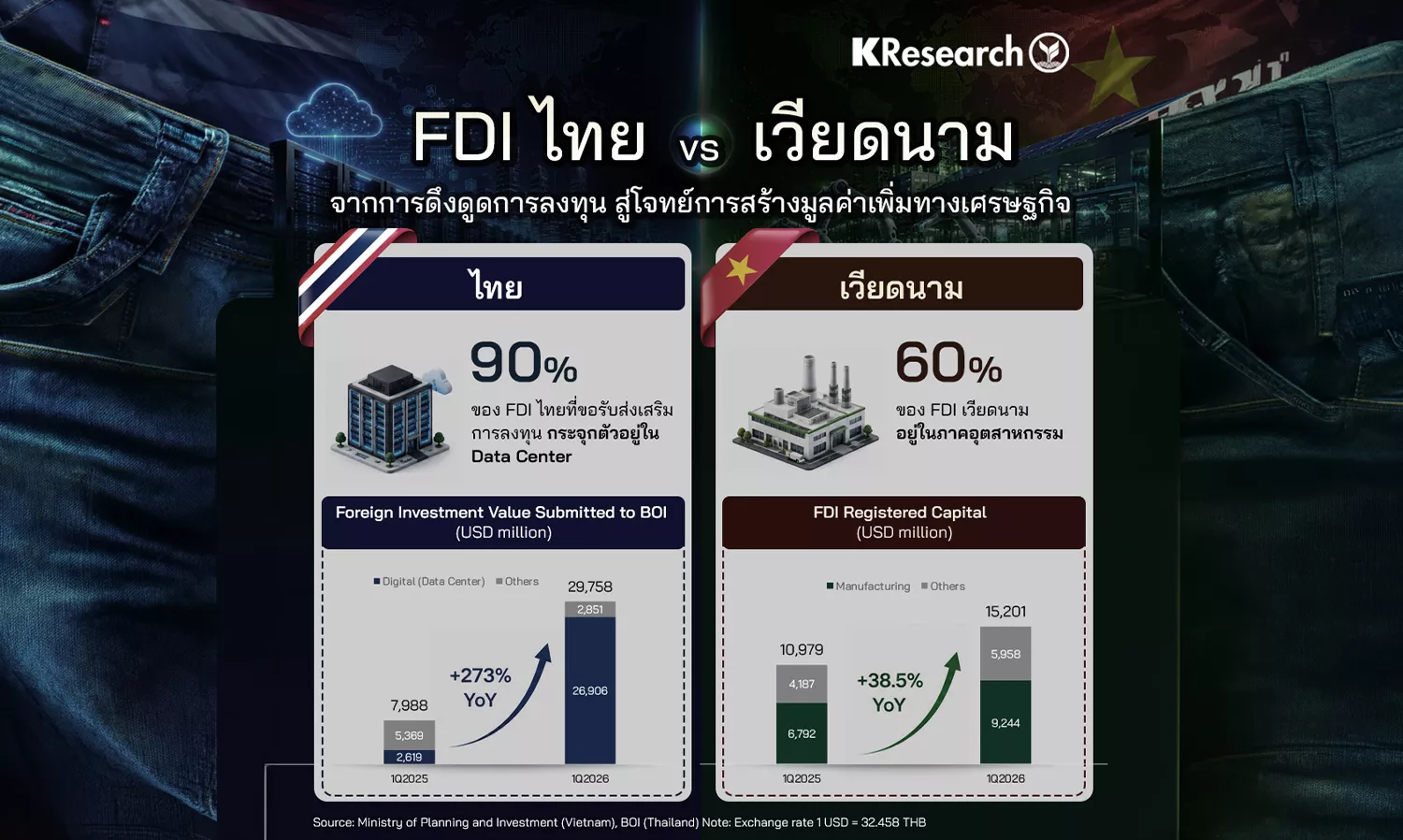
Global Economy Polarization: Thailand's Opportunity to Attract Foreign Production Bases and Compete in Export Markets Amidst Conflicts
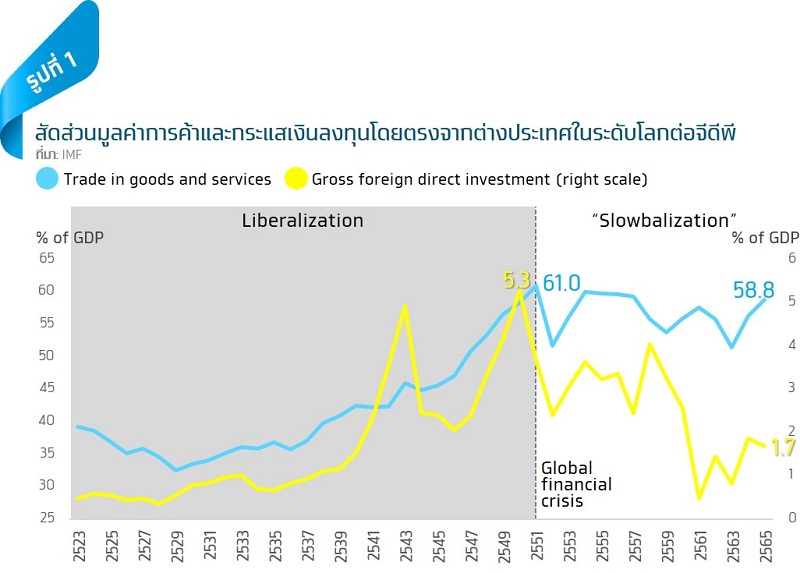
The Ongoing Conflict Between Two Superpowers
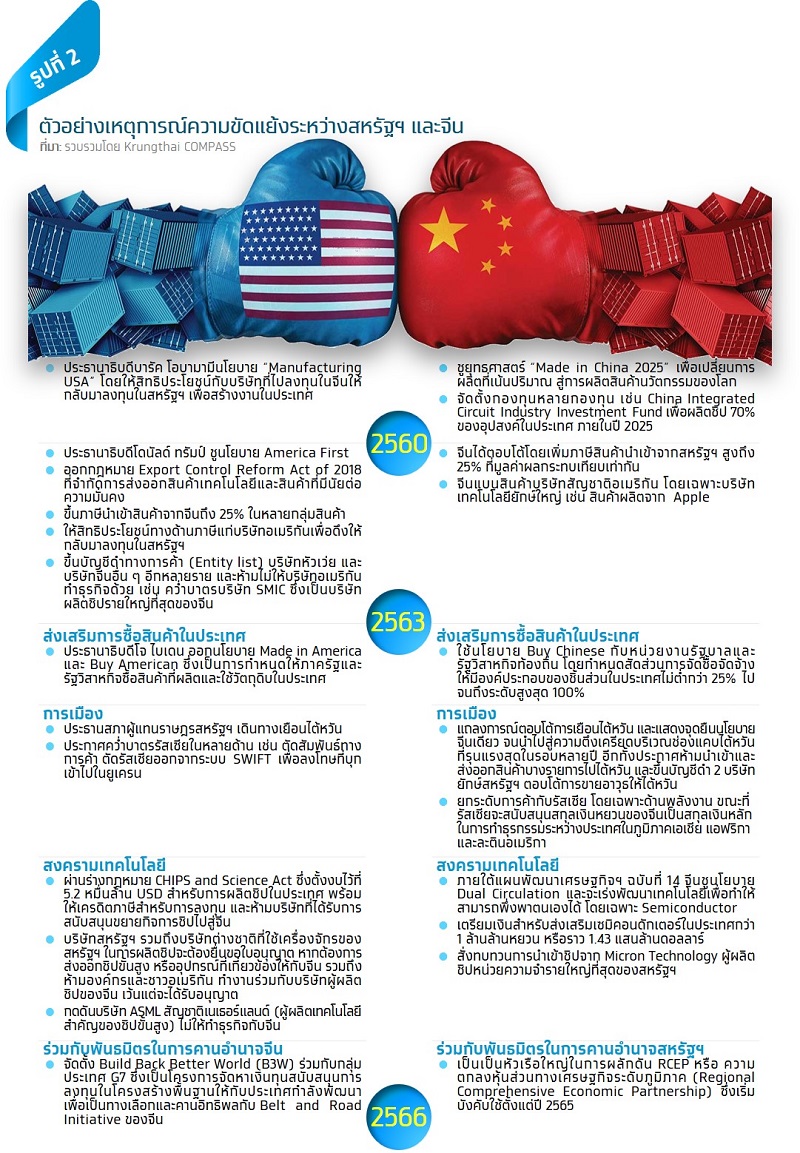
From Conflict to Global Economic Polarization (Decoupling)

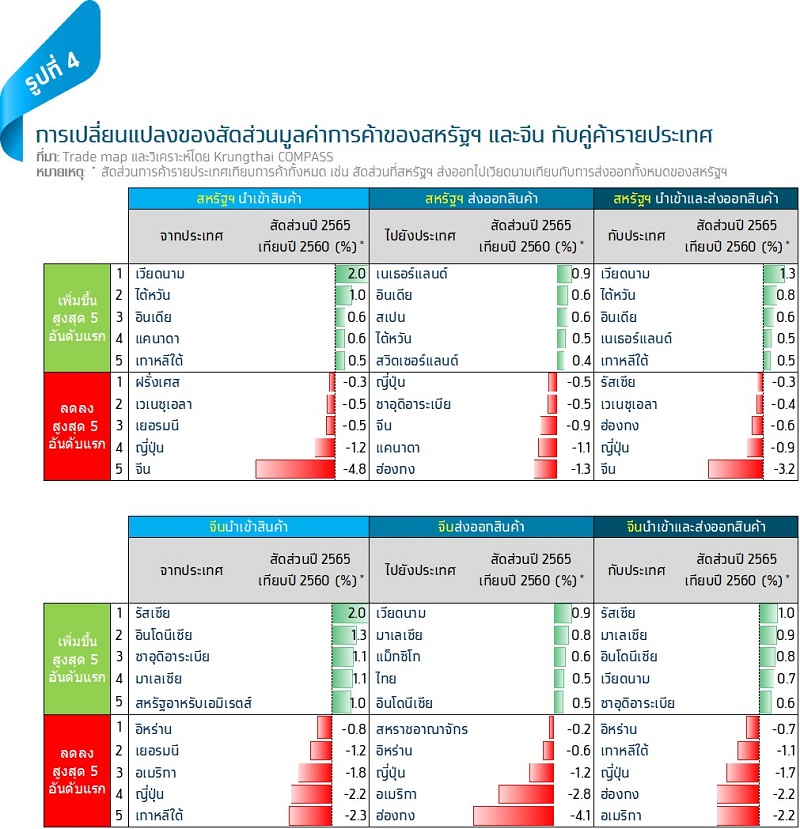

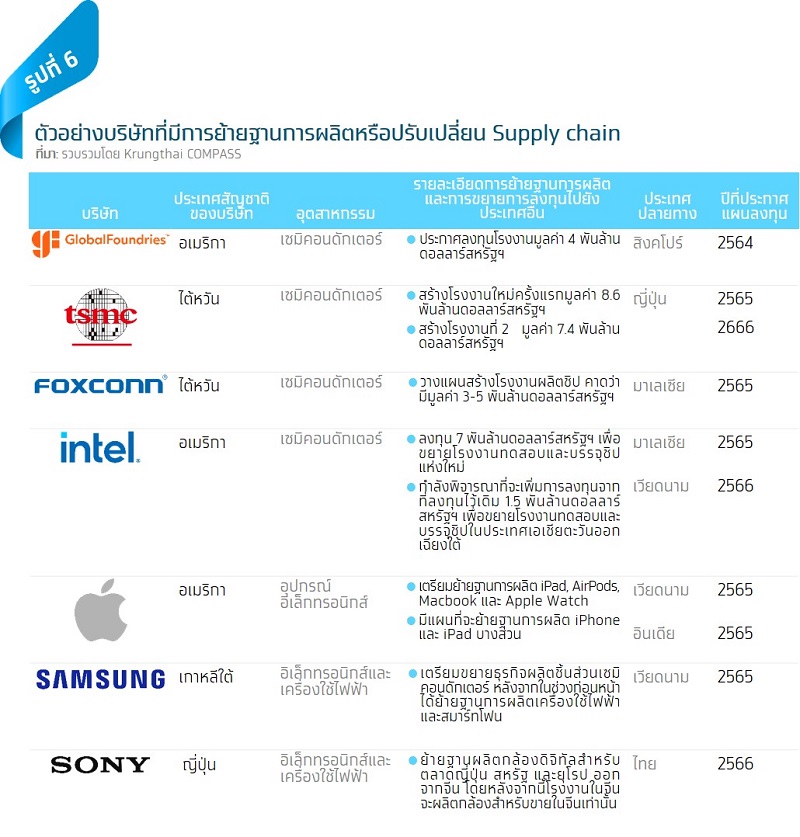

Implications for Thailand's Opportunities and Challenges
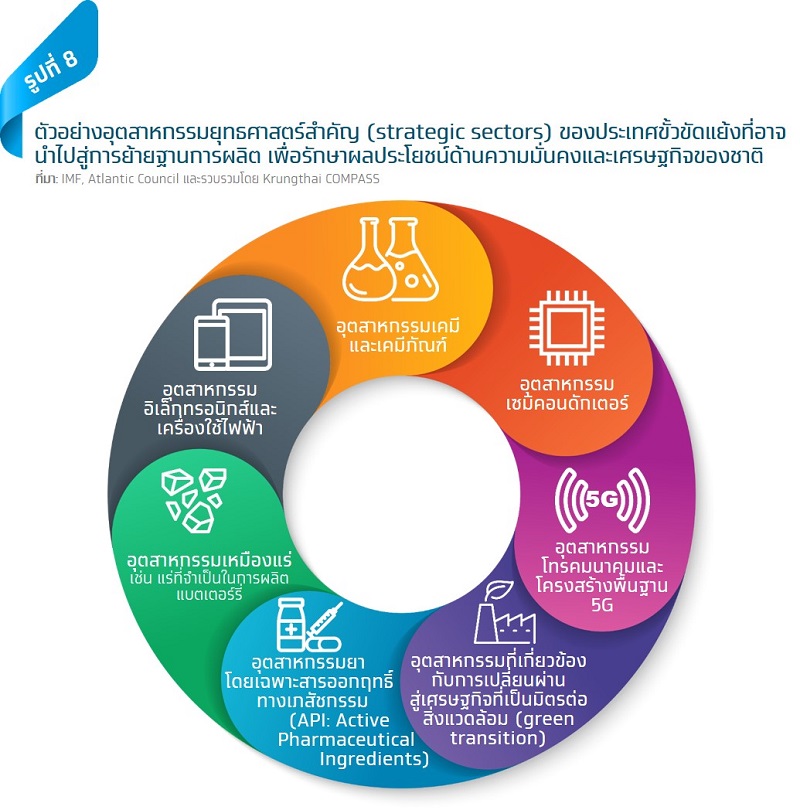
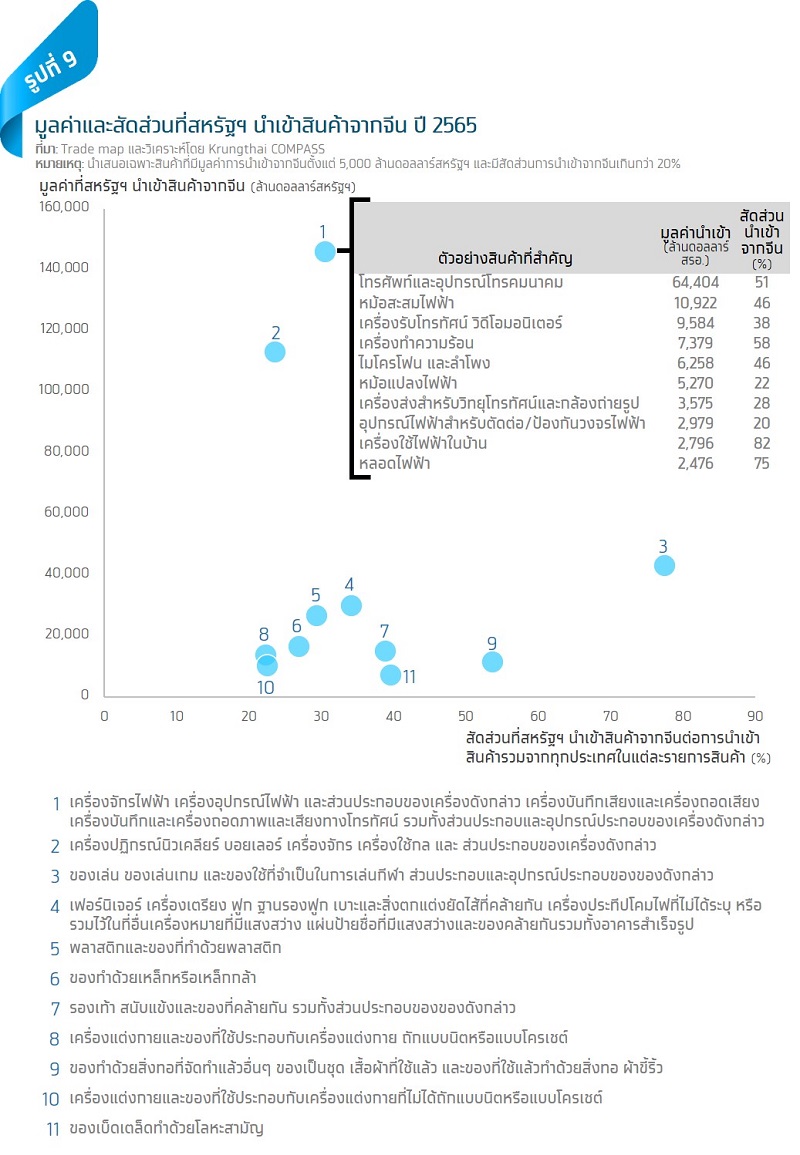
Conclusion & Recommendation:
- The decline of globalization (De-globalization) and the polarization of the global economy (Decoupling) show increasingly clear signs. Although in the short term, we may not see a complete decoupling, the ongoing conflict between the U.S. and China, particularly in trade and technology investment, will lead to changes in trading partners and global supply chains, such as increased production relocations in the forms of reshoring, friend-shoring, or near-shoring, making the picture of decoupling clearer in the future.
- The Thai government and private sector must accelerate their studies and adapt to the changes brought about by the decoupling trend, both in terms of seeking opportunities, such as exporting goods to the U.S. to replace those imported from China, and addressing challenges like raw material shortages and potential supply chain disruptions, while maintaining a balanced or appropriate distance in relations between China and the U.S.
- The government must advance measures to attract target companies to relocate and expand their production bases in Thailand while enhancing infrastructure conducive to business operations and attracting foreign investors, such as infrastructure that supports Net Zero emission goals, digital infrastructure, and payment systems for international trade transactions, to ensure Thailand does not miss out on the production relocation process and enhance the country's competitiveness.
- The government and private sector should expand trade and investment partnerships in new markets, such as the Middle East, particularly Saudi Arabia, after Thailand recently restored relations with Saudi Arabia for the first time in over 30 years, and the ASEAN market, which has growth potential, to increase opportunities and diversify risks from over-reliance on any single market. The government may consider enhancing relations through free trade agreement (FTA) negotiations and regional cooperation with ASEAN countries to create regional supply chains and increase bargaining power with other countries.
Discussion
Follow breaking news Investment property articles on Facebook, click here.