TOTO Scholar from Kasetsart University Confirms Hypochlorous Acid (HOCl) Disinfectant Fights Viruses, Kills COVID-19
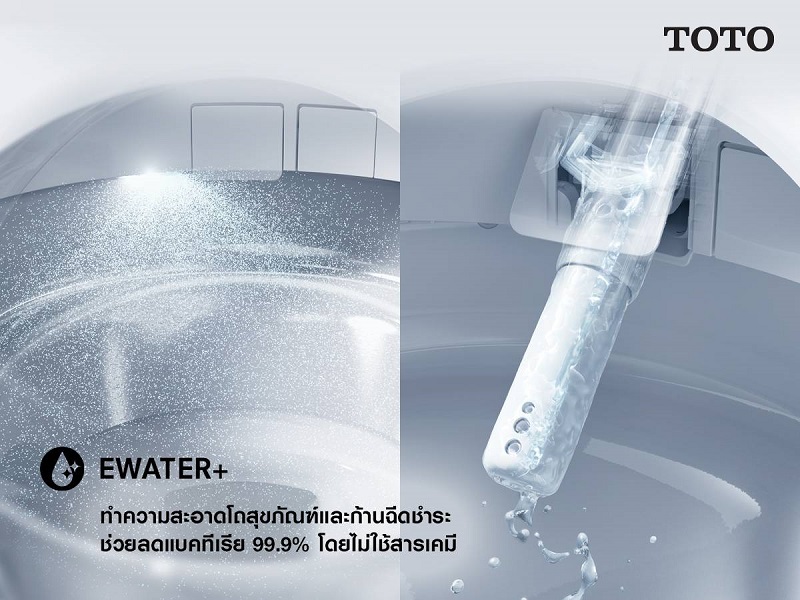
A scholar from Kasetsart University has confirmed that disinfectants made from hypochlorous acid (<\/span><\/strong>HOCl) are effective against viruses and can kill COVID-19. The EWATER+ (Electrolyzed Water) is produced by subjecting tap water to electrolysis, resulting in hypochlorous acid, which helps reduce pathogens in toilets and bidet nozzles, making it safe and non-harmful for users.<\/span><\/strong><\/p>
During the COVID-19 pandemic, people have become increasingly concerned about cleanliness and are seeking products that can effectively eliminate pathogens. Alcohol has been widely used to sanitize personal items, leading to shortages and increased prices. In response to this issue, the Faculty of Arts and Sciences at Kasetsart University initiated a project to produce hypochlorous acid disinfectant for distribution to staff and the surrounding community.<\/span><\/p>
Hypochlorous acid is a mild acid that can inhibit the growth of various pathogens, including viruses, bacteria, fungi, and even fungal spores, and can be used for cleaning without posing a risk to users.<\/span> <\/p>
“In fact, white blood cells in mammals can produce hypochlorous acid on their own, and the human body also produces this substance, which helps combat viruses and protects against foreign pathogens,” said Assoc. Prof. Dr. Pichet Anurakudom,<\/strong> Deputy Dean for Research and Academic Services at the Faculty of Arts and Sciences, Kasetsart University, Kamphaeng Saen Campus.<\/span><\/p>
Hypochlorous acid is widely used in various countries and sectors, including Europe, the United States, South Korea, and even Japan, where it is used by the navy to clean equipment on ships, in the medical field for wound cleaning and hospital disinfection, in dentistry for rinsing patients' mouths before dental procedures, and in agriculture and livestock to eliminate bacteria and fungi in animal housing and organic farms. However, its use in Thailand has not been widespread until the alcohol shortages prompted greater interest in hypochlorous acid, which was previously only used in certain sectors. Consequently, research on HOCl is still relatively limited compared to published studies abroad.<\/span><\/p>
The difference between hypochlorous acid (HOCl) and alcohol (ethyl alcohol) is that HOCl is more effective at killing pathogens quickly, is safer, and can be used on food and delicate surfaces, such as those used by children. Additionally, when it decomposes, it leaves only salt, making it highly safe. In contrast, alcohol is flammable and can cause allergic reactions or irritation in some individuals, and it takes longer to be effective in killing pathogens.<\/span><\/p>
“The production of hypochlorous acid involves a relatively simple process,” Assoc. Prof. Dr. Pichet Anurakudom explained further.<\/span><\/p>
The raw materials for producing HOCl include dissolving table salt (sodium chloride (NaCl)) in water or using chlorinated water and passing it through an electric current to undergo electrolysis, resulting in hypochlorous acid. This electrolysis process was pioneered by Michael Faraday, an English chemist and physicist who invented the dynamo and conducted experiments using electric currents in salt solutions to produce hypochlorous acid.<\/span><\/p>
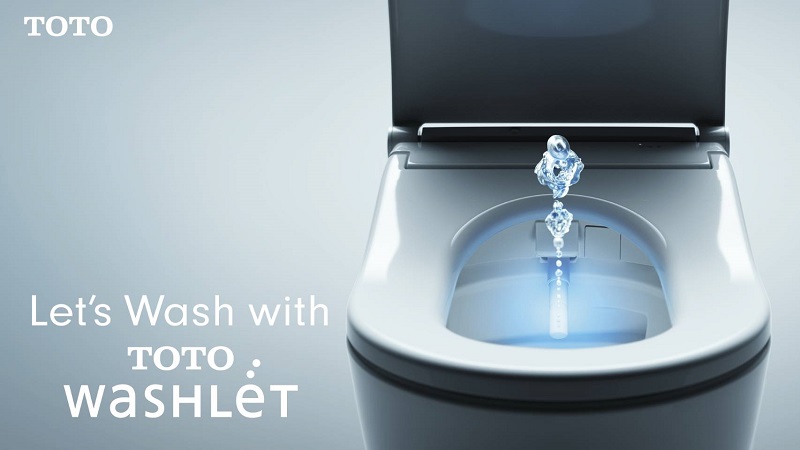
In addition to the food and medical industries, products that recognize the benefits and hygiene of using HOCl include automatic toilets like NEOREST and the automatic toilet seat WASHLET from TOTO (Thailand) Co., Ltd., a leading sanitary ware manufacturer from Japan with over 100 years of history. TOTO's products feature a hygiene innovation called EWATER+ (Electrolyzed Water), which is produced by subjecting tap water to electrolysis, resulting in hypochlorous acid that helps reduce pathogens in toilets and bidet nozzles, ensuring safety for users. EWATER+ is sprayed for cleaning after each use or every 8 hours when not in use, keeping toilets looking clean and new at all times, reducing cleaning time. Moreover, over time, EWATER+ reverts to regular water, making it an environmentally friendly innovation. The EWATER+ technology in TOTO products has received global recognition from the GREEN GOOD DESIGN Awards 2018, which honors products designed or developed with environmentally friendly technologies.<\/span><\/p>
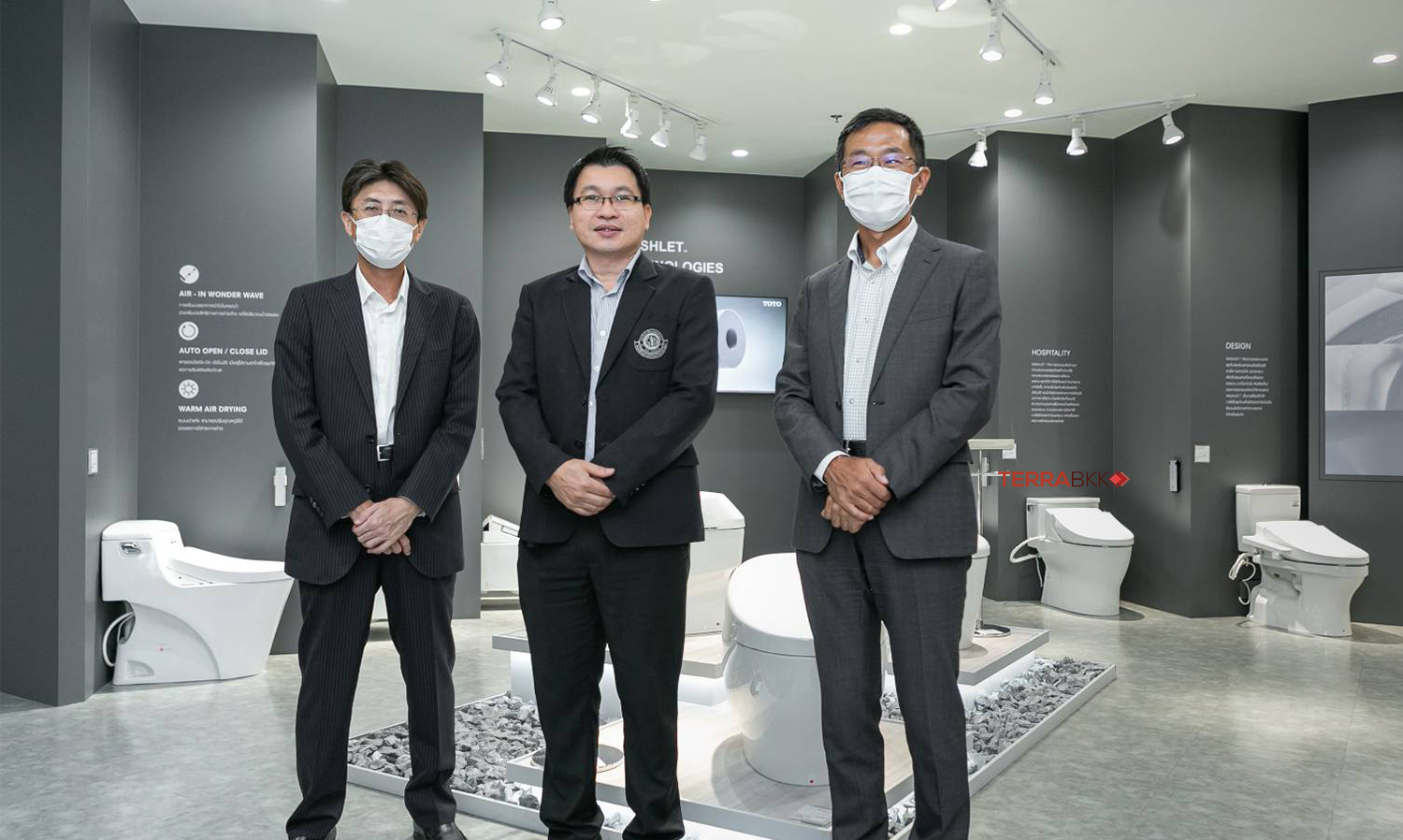
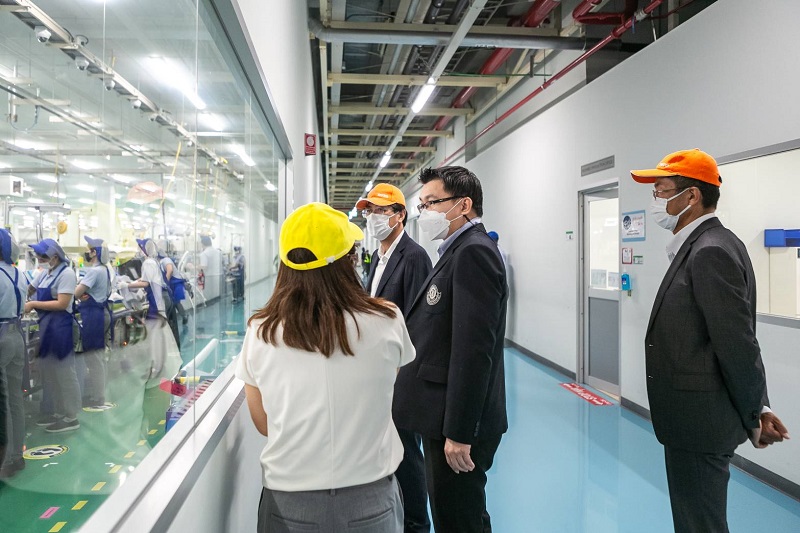
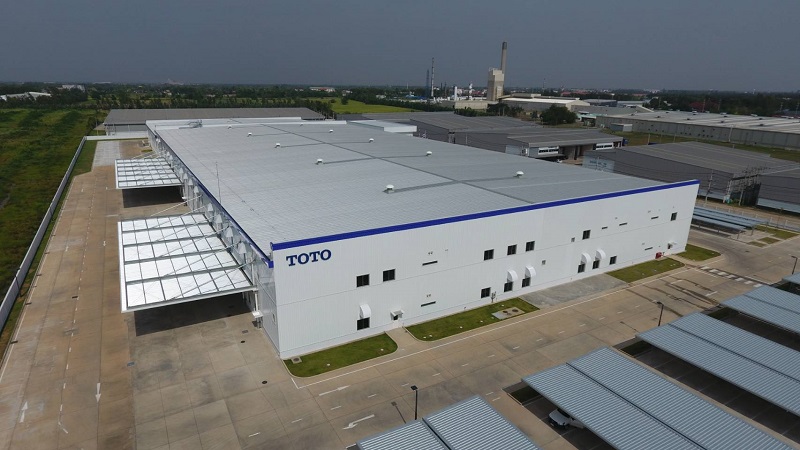
TOTO has established factories for producing automatic toilet seats WASHLET in several countries worldwide, including a factory in Saraburi, Thailand, adhering to the strict manufacturing standards of Japan. Assoc. Prof. Dr. Pichet Anurakudom visited this factory to observe the production process of the automatic toilet seats and exchange knowledge about TOTO's EWATER+ technology and hypochlorous acid, accompanied by Mr. Takayasu Shimada,<\/strong> President of TOTO (Thailand) Co., Ltd., and Mr. Hiroki Fujimura,<\/strong> Deputy Managing Director and Manager of the WASHLET production factory at TOTO (Thailand) Co., Ltd.<\/span><\/p>
Since we all need to use the restroom daily, or hospitals require hygienic and effective disinfection systems, TOTO's automatic toilet seat innovation can produce electrolyzed water, creating a disinfectant known as hypochlorous acid, which can effectively clean toilets used by multiple individuals, ensuring hygiene. I believe this is a remarkable innovation in the era of virus outbreaks,” concluded Assoc. Prof. Dr. Pichet Anurakudom.<\/span><\/p>
<\/p>
<\/p> 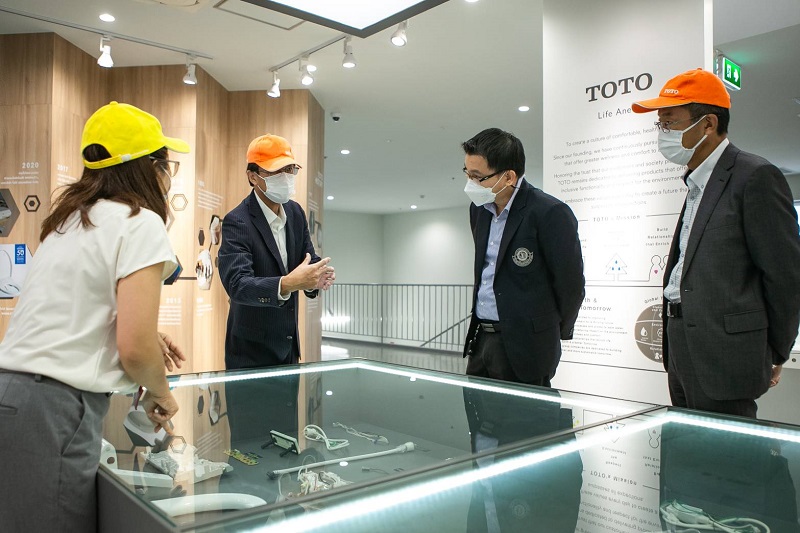 <\/p>
<\/p>
 <\/p>
<\/p>
 <\/p>
<\/p>
 <\/p>
<\/p>
 <\/p>
<\/p>