Happy Retirement Hub: The Deadly Trap of Retirement Money Ponzi Schemes
By Professor Klang
One of the weaknesses (Pain Points) of retirement funds is finding investment sources that can combat inflation. In a recession with low interest rates and skyrocketing inflation, news of Ponzi schemes frequently appears. The primary targets of these schemes are the savings of retirees seeking investment opportunities. This is a deadly trap that has caused many retirees to fall flat. We often see news of various Ponzi schemes emerging in different forms, aptly named the 'Never Die' Ponzi scheme with its simple formula.
The Formula for the Deadly Trap: Belief + Ignorance + Greed = Catastrophe

Especially when greed clouds judgment, making everything seem like an opportunity. This article aims to serve as a cautionary tale for retirees: do not fall victim to various forms of Ponzi schemes. Young people have time to recover from their mistakes, but retirees face irreversible consequences. Let’s review the history of Ponzi schemes that have become deadly traps for retirement funds as follows:
1977-1985 - The 'Mother of Ponzi' scheme led by Mae Chamoit, who invested in oil transportation, offered returns of 6.5% per month. Over 80,000 victims suffered damages exceeding 4 billion baht, which, adjusted for inflation, would be no less than 10 billion baht today. The court sentenced Mae Chamoit to an unprecedented 154,005 years in prison, but the maximum sentence under Thai law is 20 years. Tragically, she served only 7 years and 11 months and now lives a low-profile, high-fitness retirement.
1985 - The 'Parrot Ponzi' scheme led by Air Force Lieutenant Colonel Nokkhao Jaiyuen offered returns of 75% per year, affecting 12,189 victims with damages of 1.977 billion baht. The court ordered imprisonment and asset seizure of 361 million baht, which is 18.25% of the damages. It is unclear if she is still imprisoned, but it is believed she may have received a reduced sentence.
1985 - The 'Charter Ponzi' scheme led by Ekkayuth Anchanbutr offered returns of 9% per month, investing in commodities and exchange rates. 20,000 victims suffered damages of 800 million baht. The suspect fled and the statute of limitations expired, leaving the law powerless. He later faced a brutal murder under mysterious circumstances by his own driver.
1991 - The 'Bliss Ponzi' scheme by Ms. Angsuni and Mr. Saengthong Saekim invested in time-sharing tourism, offering 20% returns. 20,000 victims suffered damages of 826 million baht, and the court sentenced the defendant to 20 years, but they are currently on the run.
2015 - The 'U-Fun Ponzi' scheme, a Malaysian company, issued the U-token for investment in digital currency. 2,451 victims suffered damages of 356 million baht. The first-instance court sentenced 22 defendants to prison, and the case is currently ongoing.
2017 - The 'Tour Sinse' Ponzi scheme led by Ms. Wasit Arinyalapith, selling supplements with special travel rights to Japan, affected 871 victims with damages of 51 million baht. The sentence was 4,355 years, but the maximum served is 20 years, and they are currently incarcerated.
2019 - The 'Mae Manee Ponzi' scheme led by Wanthanee Tippravech, aged 30, who previously won the ASEAN Enterprise Award 2019, offered 93% returns. 1,600 victims suffered damages of 1.3 billion baht. 2,500 boxes of fermented fish (her previous business) were seized, and assets worth 130 million baht were confiscated, amounting to 10% of the damages. Eight suspects are currently detained in Udon Thani, and in a few years, they may be released like their predecessors.
2021-2022 (The Golden Age of Ponzi Schemes) - In a declining economy with low interest rates and high inflation, Ponzi schemes proliferated like mushrooms, affecting the entire country. Starting with the 'Sponge House Ponzi' led by Piyathida, aged 25, who offered a 10% monthly return, affecting 400 victims with damages of 600 million baht. She is currently on the run in Vietnam. The 'Sushi Daruma Ponzi' led by Metha Chalingsoook, aged 42, sold sushi buffet coupons, affecting 400 victims with damages of 600 million baht. Metha is currently detained and facing trial. The 'Turtle Mushroom Farm Ponzi' led by Thanawat Wukiatiskul, aged 26, invited investments in a mushroom farm in Sakon Nakhon, offering returns of 18-30%, affecting 2,000 victims with damages of 1.2 billion baht. He is currently fleeing to England. The 'Stock Trading by Kosh Natti' led by famous net idol Nattamon Kongjak, aged 29, promised a 35% monthly return, affecting 6,000 victims with damages of 2 billion baht, and is currently on the run. In 2022, the 'Crypto Investment P Miner' led by Kitikorn Inta, or Mr. Pae, invested in cryptocurrency, promising returns of 10-15% per month, affecting 1.7 billion baht in damages, with 100 million baht seized, and he is currently fleeing. Lastly, the sensational news of the year, 'Forex 3 D Trading', speculated on exchange rates with promised returns of 60-80%, guaranteeing the principal. Apirak Kothipuang, a female actress, and her network are under investigation, affecting 9,000 victims with damages of 2.4 billion baht.
Historical data on Ponzi schemes shows that they are not fading from Thailand and are likely to expand through online platforms. Notably, the age of offenders is decreasing; from Mae Chamoit in her 50s to Nokkhao in her 30s, and current Ponzi scheme perpetrators are in their 20s. This reflects delays in the justice process, easy escape routes abroad, and the significant example of older offenders who serve only a few years before regaining freedom. If sentenced to 20 years, they may serve only 8 or 10 years, and if they relinquish 50% of their assets (average victims recover less than 30% over 5-10 years), they can emerge from prison in their early 30s and potentially live a wealthy life legally. If we study the common forms of Ponzi schemes from the Department of Special Investigation, we find five prevalent types:
- Direct selling scams that focus on building networks, emphasizing membership over products, essentially using new money to pay old investors, with product sales being mere rituals.
- Online investment scams, particularly in stocks and cryptocurrencies, promising unrealistically high returns while guaranteeing the principal. What can justify such guarantees? Only common sense can answer. If you think they are wealthy, famous, and trustworthy, many have shed tears over this.
- Product sales scams, such as mushroom, longan, buffet, and travel Ponzi schemes, offering exaggerated returns.
- Charity scams, such as funeral funds or various charitable contributions, with returns from membership fees.
- Dream-selling scams, raising funds to create cryptocurrencies or companies for foreign stock markets, where early investors profit, but ultimately, dreams shatter.
How to Identify if a Business is a Ponzi Scheme:
- Investments promising unrealistically high returns, exceeding average returns studied by academics. For example, bank savings yield less than 1% per year, government bonds yield less than 5% per year, corporate bonds yield less than 8% per year, and equity funds average 8% per year. Therefore, if any investment offers returns higher than average, be cautious.
- Emphasis on creating an image of success, portraying themselves as good, grateful people living luxurious lives among celebrities.
- Focus on recruiting new members with compensation for finding new members, using new money to pay old investors.
- Utilization of online platforms such as Facebook, Instagram, Twitter, TikTok, and YouTube to create credibility, offering low-cost or free training.
- Encouragement to make quick decisions, creating conditions for higher returns if investing more or staying in the scheme longer to buy time for network building.
If in doubt, you can contact the Department of Special Investigation at hotline 1202, the Stock Exchange of Thailand Contact Center at 02 009 9000, or the Bank of Thailand at 1213.
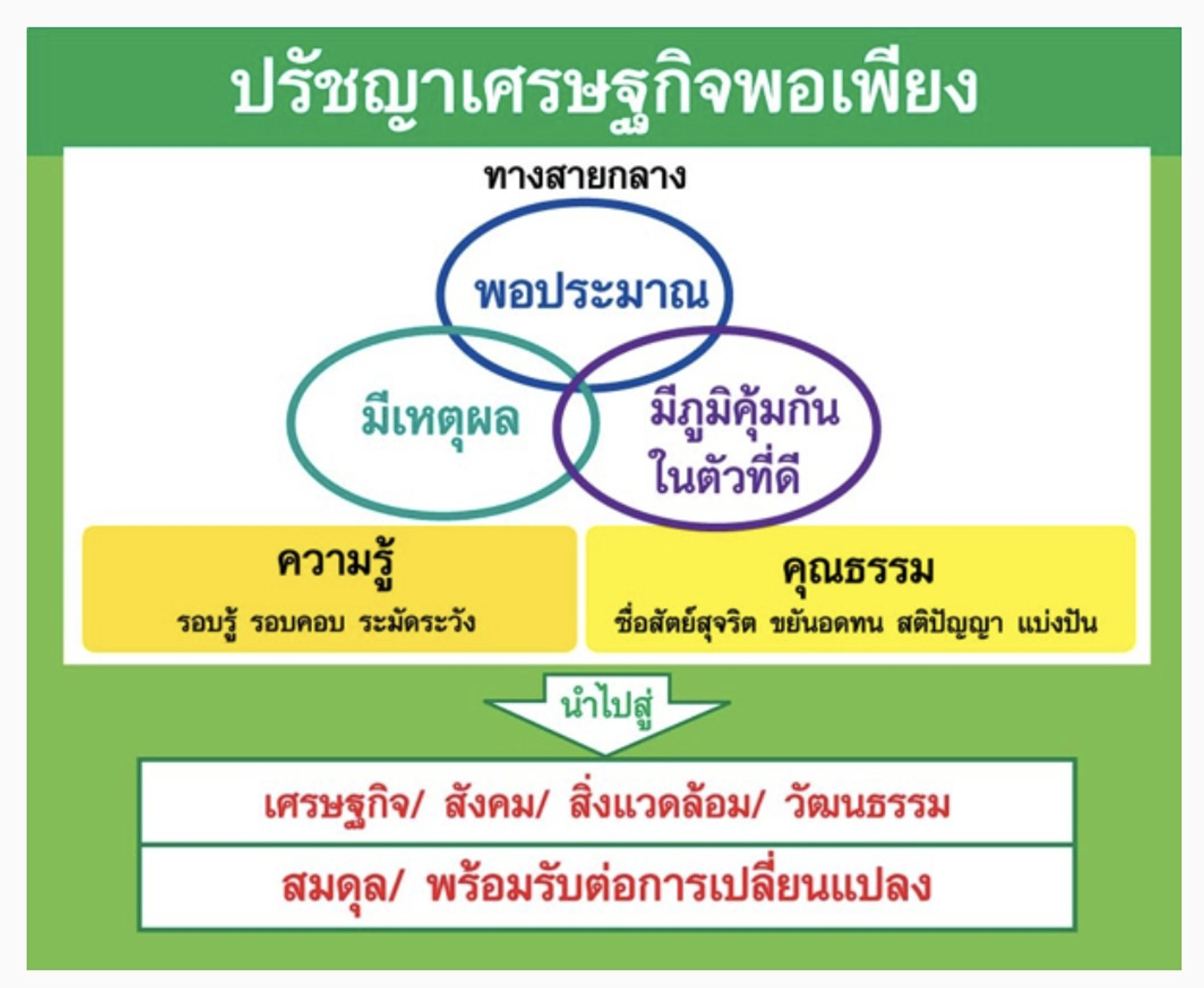
Finally, in addition to educating yourself about investments, maintain mindfulness. Remember the teachings of the late King regarding the philosophy of sufficiency economy, given on December 4, 1998, which emphasizes moderation (don’t invest beyond your means), reason (study enough knowledge), and resilience (prepare for both positive and negative impacts) under two conditions: knowledge about the subject and moral integrity, honesty, patience, and perseverance. May everyone be fortunate enough not to fall into the deadly trap of Ponzi schemes that may arise in the future, which could devastate your retirement savings.