Ethereum: The Great Scarcity Shock
Recently, the media has widely reported and analyzed the circulating supply of Bitcoin (BTC), which everyone understands will have a maximum supply of no more than 21 million BTC in the long term. The amount produced (block reward) is halved approximately every four years (Bitcoin Halving). Currently, 6.25 new BTC are created approximately every 10 minutes, resulting in an inflation rate of about 1.76% per year.
(Read more here)
In the case of Ethereum (ETH), there is no fixed maximum supply, but currently, rewards are given for Proof-of-Work (PoW) mining (to validate transactions on the blockchain). The current rate of new ETH creation from the Proof-of-Work system results in an inflation rate of about 4.2% per year.
However, several factors, both existing and upcoming, are significantly reducing the actual inflation rate of ETH, which may even turn negative in the near future. Let's consider the various factors:
1. EIP-1559 (London Hard Fork)
EIP-1559 is an upgrade to the Ethereum system that was implemented last August, resulting in a portion of transaction fees (gas fees) being "burned" or permanently removed from the system.
(Read more here)
Since the implementation began until now, in just about 7 weeks, over 345,000 ETH have been burned, averaging 5 ETH per minute (from a total supply of approximately 117 million ETH). At this rate, ETH will permanently decrease by about 1-2% per year (depending on the gas fee at that time).
You can track the burn live at here.
Image 1: Estimated fee burn in 1 year
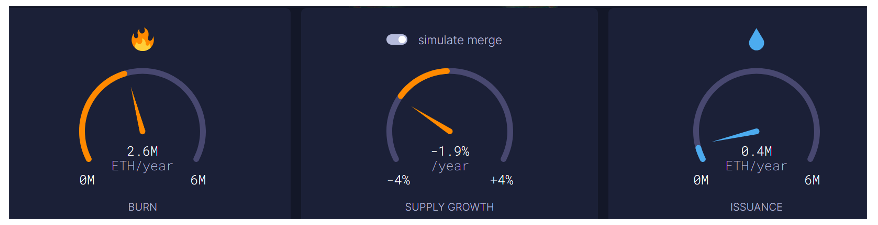
Image 2: Fee burn (from August 4 – September 22, 2022)
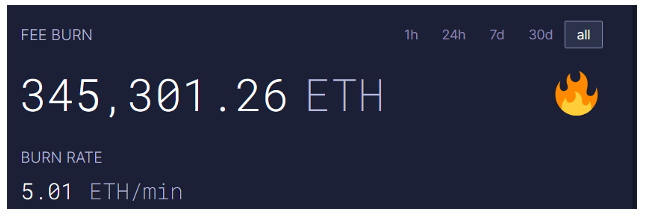
Image 3: Transactions with the highest fee burn (September 22, 2022)
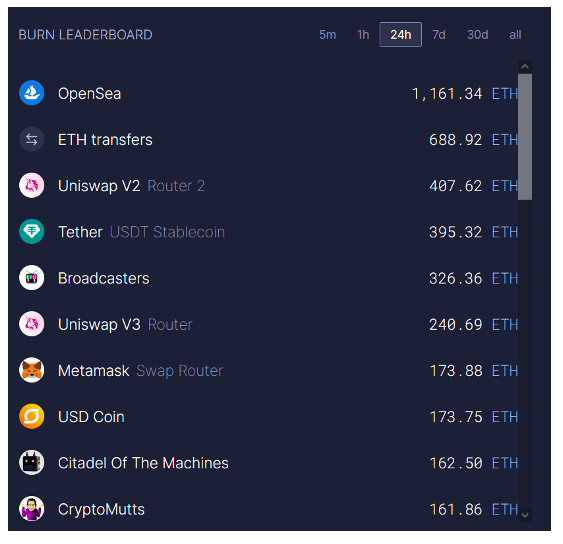
Source: ultrasound.money (as of September 22, 2021)
2. ETH Staking in Beacon Chain (part of the Ethereum 2.0 Roadmap)
The Ethereum community is moving to change the validation system from Proof-of-Work to Proof-of-Stake, running a parallel Proof-of-Stake system since December 2020, known as the Beacon Chain.
Those who stake ETH in the Beacon Chain receive rewards (similar to interest on deposits) of about 5-6% per year (this value may change in the future depending on the number of people staking ETH). Currently, over 7.7 million ETH are staked, which is about 6% of the total supply, meaning these ETH will be removed from circulation until "The Merge" (see next paragraph).
There is a high likelihood that these ETH will continue to be staked in the future for returns (similar to holding bonds) with minimal withdrawals.
(You can view the staked ETH at here)
(Read more about the Beacon Chain here)
3. The Merge
Eventually, the Proof-of-Work system will be phased out, leaving only Proof-of-Stake (the Beacon Chain). According to the current roadmap, this is expected to occur in Q1-Q2 of 2022.
Image 4: Ethereum’s Upgrade Path
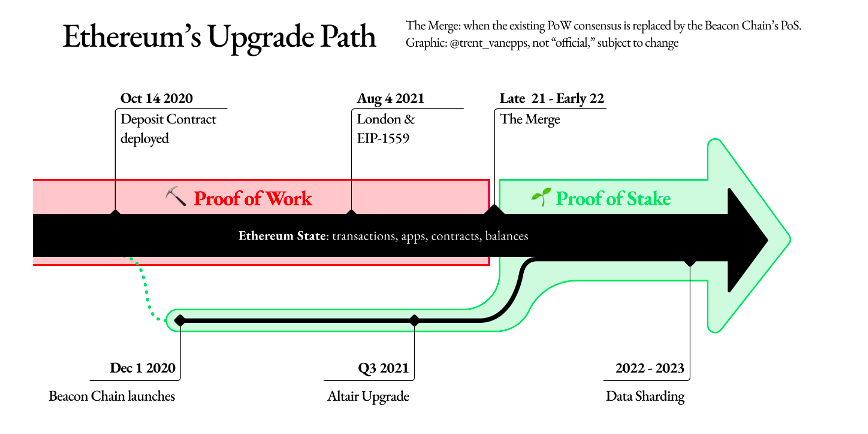
Source: Trent Van Epps’ twitter
(Read more about The Merge here)
Proof-of-Work mining is comparable to Bitcoin's Proof-of-Work system, where miners worldwide connect devices to the system to perform complex computations for validation. This process incurs high costs, such as equipment, electricity, labor, and location expenses. Currently, Ethereum's Proof-of-Work system rewards these miners with about 4.2% per year of the total ETH supply (to cover various expenses and yield a small profit).
After the discontinuation of the Proof-of-Work system in Q1 of next year, this means that the system will no longer need to provide this 4.2% reward to miners, leading to a 4.2% reduction in new ETH issuance (resulting in new ETH issuance dropping to only 0.6% per year from the rewards given to those staking ETH in the Beacon Chain).
This factor is the most significant in reducing the new supply of ETH.
From rough estimates, it appears that the new ETH issuance is likely to turn negative (more ETH burned than created), calculated from the 0.6% reward in the Beacon Chain and -1.5% fee burn (EIP-1559), resulting in a net inflation of -0.9% per year.
This means that the amount of ETH will decrease (deflation) by 0.9% per year, and even more if usage increases (more fee burn).
4. ETH used as collateral in DeFi systems
The amount of ETH used in DeFi systems is valued at approximately 80 billion USD.
(See the latest figures at here)
Image 5:
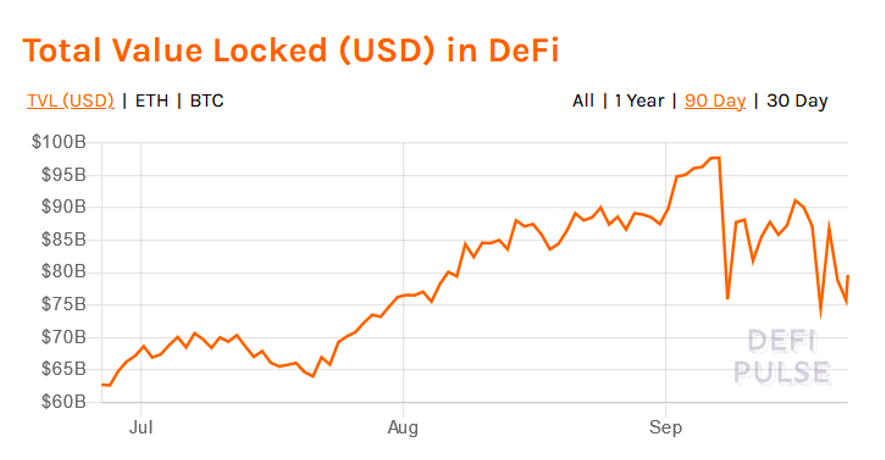
These ETH are used to provide liquidity for decentralized exchanges like Uniswap or lending systems like AAVE or Compound. Additionally, ETH is used for trading NFTs (Non-Fungible Tokens) or even held as a store of value.
In summary, there is a high possibility that ETH will enter a Scarcity Shock, where the circulating supply of ETH in the system will significantly decrease after The Merge is completed. This has already been observed with the substantial reduction in ETH on various exchanges recently (here).
Image 6: Amount of ETH on centralized exchanges
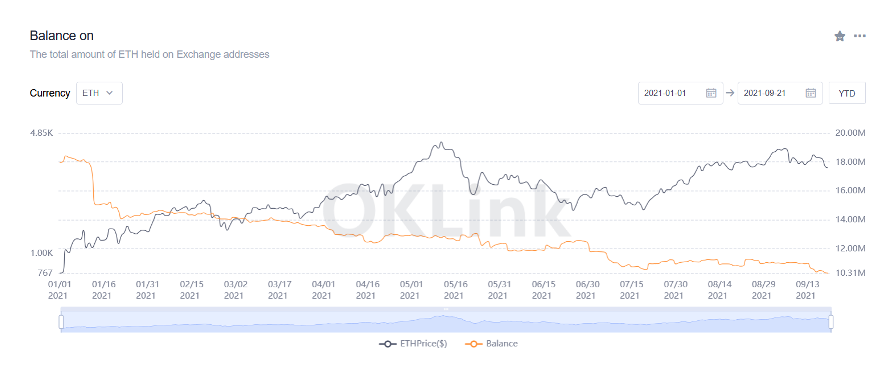
Source: OKLink ChainHub
In the period following the occurrence of “The Merge”, it will be interesting to see what happens to the supply of Ethereum and the impact on prices. However, one thing is certain: Ethereum has laid a solid foundation for the ecosystem of the internet of value, enabling new financial innovations to be created and grow on the infrastructure of Ethereum.