Hydrogen: The Alternative Energy for Airplanes
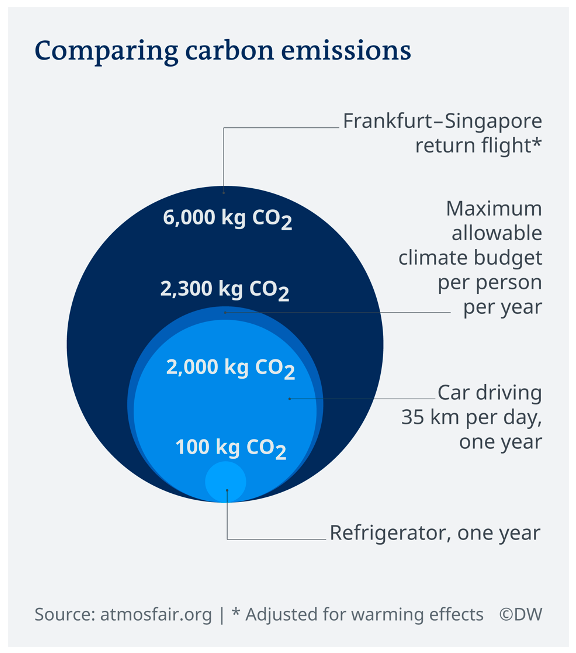
Another important mode of transportation, no less significant than cars, is airplanes. We all know that airplanes can travel long distances and take less time than other vehicles. However, this comes with the consequence of massive carbon emissions from air travel. The farther an airplane travels, the more carbon it emits. Therefore, airplanes also need alternative energy sources to reduce carbon emissions. Aircraft manufacturers like Airbus are focusing on developing alternative energy options for airplanes, specifically using hydrogen energy. They aim to produce hydrogen-powered airplanes for the market by 2035, with strong support from France, where Airbus's headquarters is located.
Source: dw.com
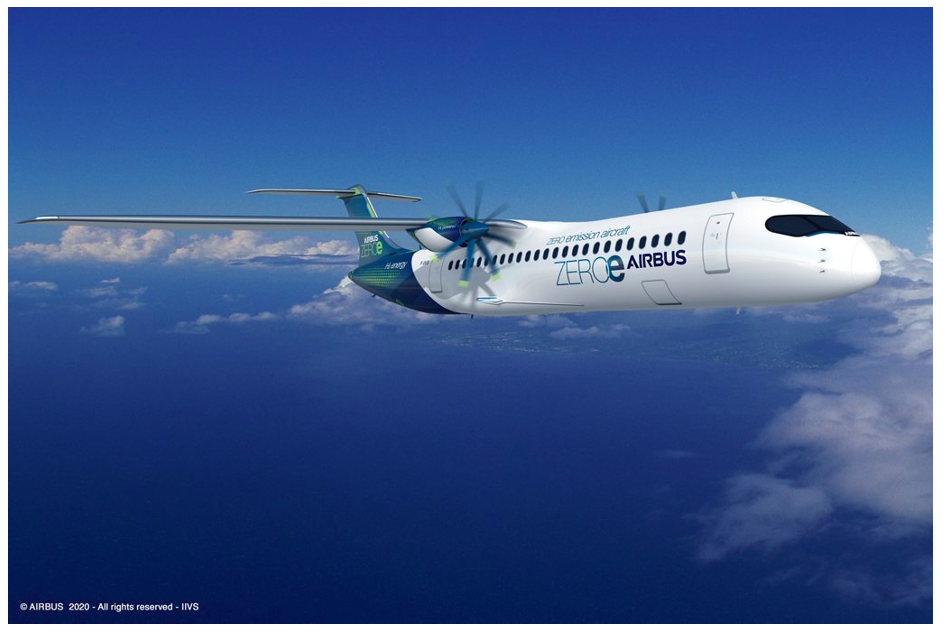
Airbus has designed three concepts for hydrogen-powered airplanes. The first concept features a turbofan engine, and the airplane will be smaller than the Airbus A320 Neo, capable of flying approximately 3,700 kilometers at a speed of 800 kilometers per hour. However, this range is still insufficient for long-haul or transcontinental flights.
Source: airbus.com
The second concept is a turboprop airplane designed for shorter distances. We may not see many of these types of aircraft in Thailand, with the ATR 72 from Bangkok Airways being a rare example. However, turboprop planes are common in Europe and the United States as regional jets. The hydrogen-powered airplane in this second concept can fly at a speed of 600 kilometers per hour, which is 100 kilometers per hour faster than typical turboprop engines.

Source: airbus.com
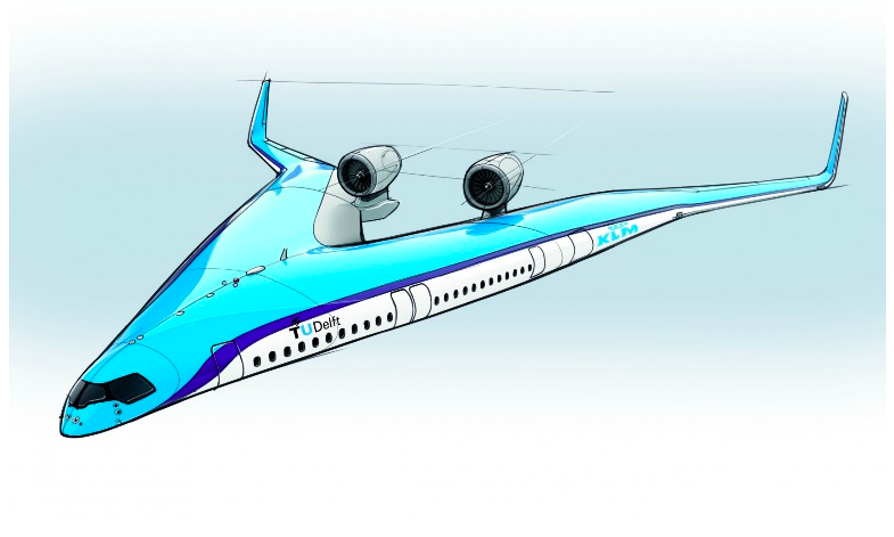
The third concept is quite innovative, designed in collaboration with KLM and Delft University of Technology. It integrates the airplane's body with the wings and hydrogen tanks, resulting in a V-shaped design. However, this is still just a concept and does not cover all parameters of air travel.
Source: KLM.com
In addition to design, one of the challenges is the transportation and storage systems for hydrogen gas. According to a study by the International Energy Agency, improving and utilizing existing infrastructure for natural gas transportation is a cost-effective approach. Hydrogen can be transported through pipelines or by road transport. Airports can also establish hydrogen production points if they are near renewable energy sources. If the entire ecosystem aims to reduce carbon emissions, the hydrogen production process must also be carbon-neutral and utilize clean energy.