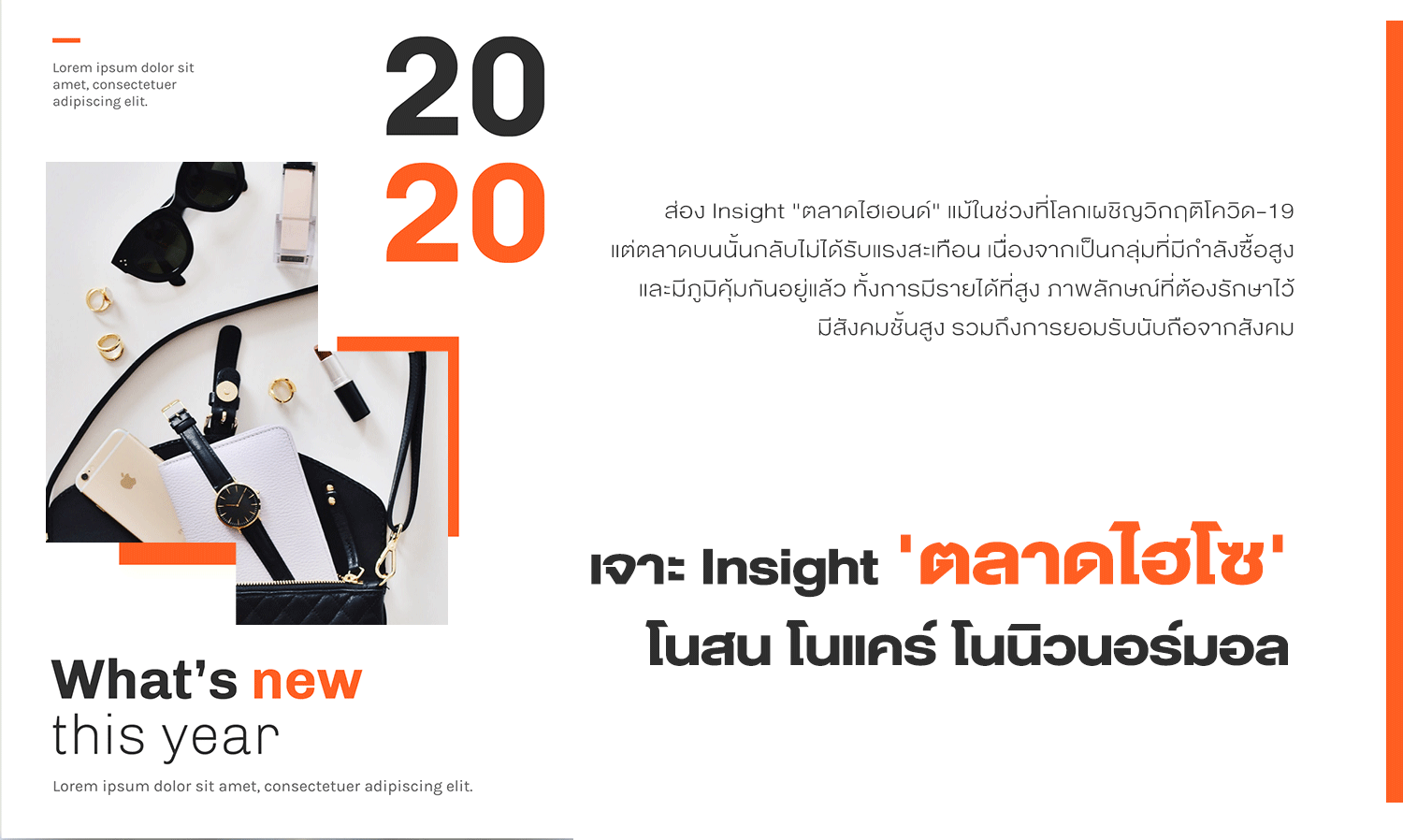
Insights into the 'High-End Market': No Concern, No Care in the New Normal
Exploring Insights into the "High-End Market" Despite the global crisis caused by COVID-19, this market segment has remained largely unaffected, as it consists of consumers with high purchasing power and inherent resilience, including high income, the need to maintain a certain image, and social status, along with societal recognition.
If you think of a car merely as a vehicle to get you from point A to point B, then your understanding of the high-end market is still lacking.
The high-end market, often referred to as the upper market, is defined by market segmentation based on consumers' purchasing power. This upper market consists of customers with significant financial resources.
It is precisely this high purchasing power that leads many marketers to mistakenly believe that these customers will easily part with their money. In reality, high-end consumers are discerning, have complex decision-making processes, and always do their homework. If a product or service is not genuinely good, it will be difficult to earn their money.
Particularly during unusual circumstances like the recent COVID-19 pandemic, many have questioned how this customer segment has been affected and whether their lifestyle and spending habits will change significantly.
Contrary to what many readers might feel, research conducted through in-depth interviews by MBA students from the Executive MBA program at Chulalongkorn University's Faculty of Commerce and Accountancy surveyed consumer behavior (Customer Insight) during the COVID-19 situation with 50 samples.
It was found that the recent virus outbreak did not significantly impact the high-end market. This is not only due to their high income or the amount of money in their accounts but rather because of the insights of high-end consumers, which act as a form of immunity that keeps their consumption behavior stable. These insights can be categorized into five key areas.
Firstly, High Income means that this customer segment has more life choices than others and often has assistance and support, allowing for more flexible working hours. They can spend more time on shopping. The growth of technology further enhances their convenience.
Secondly, High Image refers to the need to maintain a certain image. This customer segment chooses products and services that reflect their status. Even though many have tightened their belts post-pandemic, high-end consumers are spending more to communicate to society that "I am strong" and that this minor virus cannot affect them.
Thirdly, High Society indicates that this group enjoys a high social status. Beyond luxury, they appreciate personalized services and exclusive privileges. Therefore, social distancing or paying extra for superior services is not an issue for them.
Fourthly, High Esteem refers to the need for social recognition. According to Maslow's hierarchy of needs, the highest human need is for "recognition" to elevate social status. This high-end customer segment has already satisfied their basic needs and seeks success that surpasses others.
Lastly, High Instinct refers to their strong desire to fulfill emotional needs. This group values the experiences they gain from spending money, seeking unique experiences that are superior to those of others. Price is often the last consideration for them. They want to live life to the fullest, and it is evident that this high-end market was the first to venture out to dine at upscale restaurants or travel to various places after lockdowns were lifted.
Although the lifestyle changes post-pandemic may not significantly alter the consumption behavior of high-end customers, merely meeting their functional needs will no longer suffice. This customer segment will increasingly rely on emotions and feelings when deciding on brands.
.. If it doesn't meet their expectations, they will simply not care.
SOURCE: www.bangkokbiznews.com