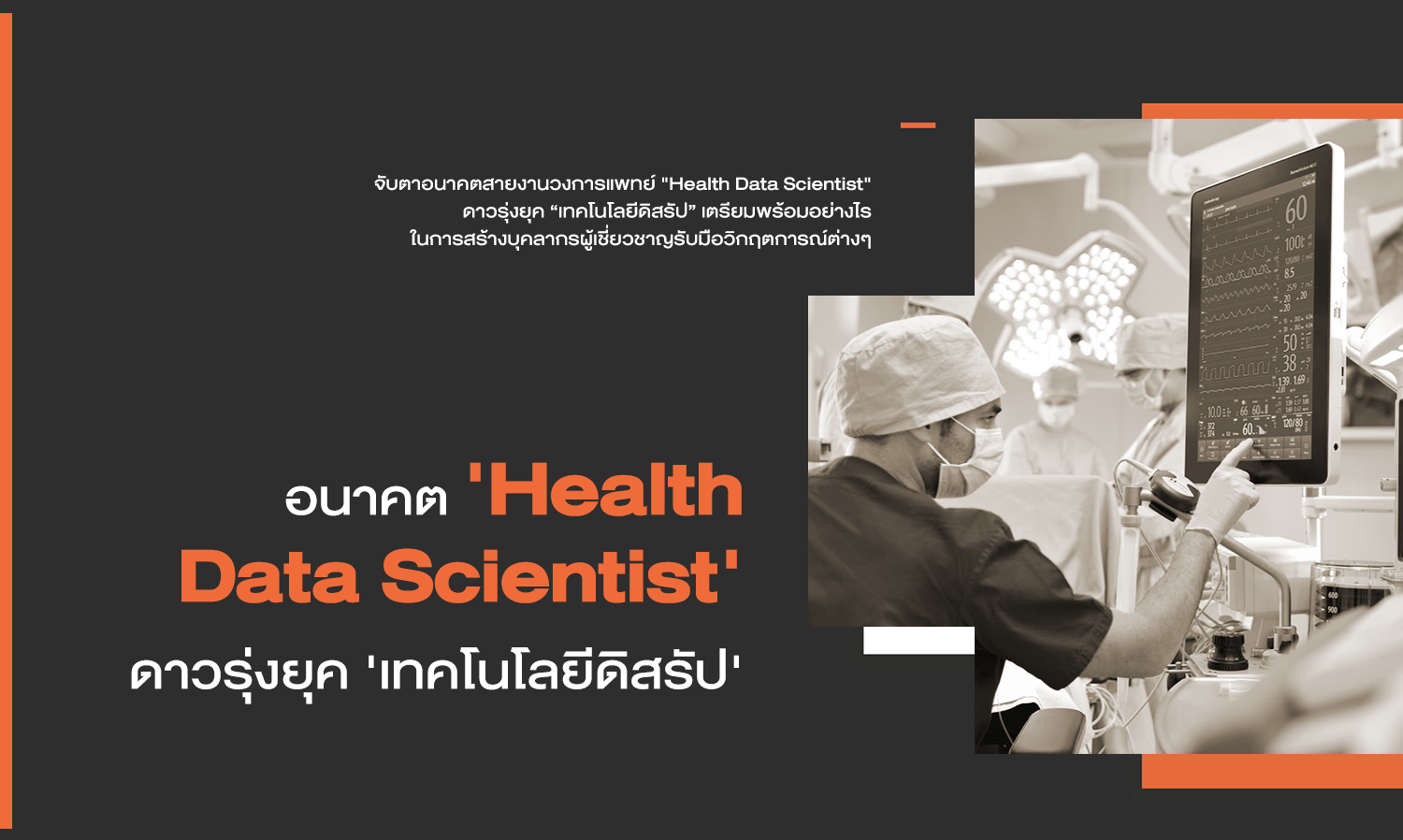
The Future of 'Health Data Scientist': A Rising Star in the Era of 'Technology Disruption'
Observing the Future of the Medical Field: How 'Health Data Scientists' Are Preparing to Become Experts in Addressing Various Crises
In recent years, the surge of digital technology has brought about significant changes across various industries. This transformation, which penetrates deep into the structural levels of industries and is referred to as the era of Technology Disruption, has occurred in sectors such as media, banking, retail, and logistics, extending even to the education and employment sectors due to the COVID-19 crisis, which has accelerated this change. One of the fields affected is medicine and public health, as evidenced by the continuous news regarding the use of technology in this area since the onset of the COVID-19 pandemic worldwide.
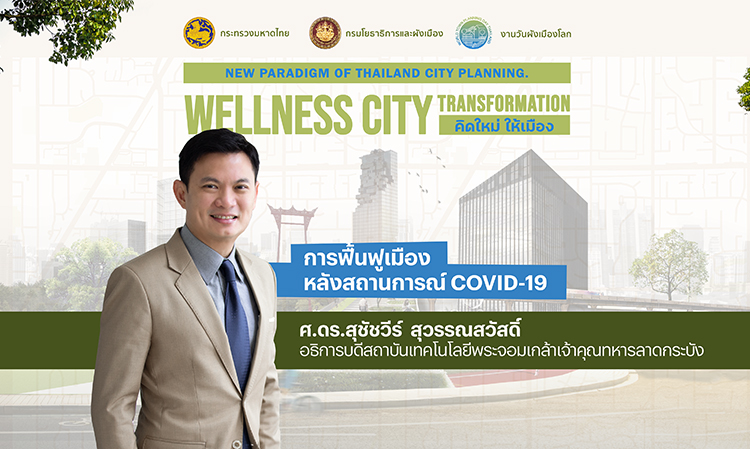
Although Thailand's medical and public health system is recognized for its high standards, where will this transformation lead? How must various professions in the medical and public health sectors prepare to develop experts capable of coping with these changes? Prof. Dr. Nithi Mahanonth, the President of the Chulabhorn Royal Academy's College of Medical Science, provides intriguing insights on this matter.
- Data... AI... 5G... The Turning Point Towards Future Medicine
Prof. Dr. Nithi Mahanonth begins by highlighting the technologies utilized during the COVID-19 pandemic, particularly the use of Data Technology and AI to assess and predict the outbreak situation, especially in foreign countries. Upon deeper examination, the spread of the disease varies from country to country based on environmental, social, and cultural factors. Therefore, data from one country may not be applicable for analysis in another. For instance, Japan has a densely populated train system but experienced a lower outbreak rate, possibly due to the Japanese habit of wearing masks and not engaging in conversation, while people in China frequent markets and restaurants, leading to a different pattern of outbreak.
In Thailand, we have community health volunteers who play a crucial role in controlling outbreaks, a resource not commonly found in other countries. However, Thailand has historically lacked a systematic collection of these important data. It is anticipated that, following COVID-19, various sectors in the country will place greater emphasis on data in medicine and public health.
“Technologies like AI will increasingly play a significant role in medicine, aiding in more accurate disease diagnosis based on existing Big Data. The arrival of 5G will expedite the development of Telemedicine. I believe that in the future, patients may not need to physically visit hospitals but could have devices to monitor their health or conduct blood tests at home, sending the data to hospitals and consulting with doctors remotely, only coming to the hospital when absolutely necessary. If this technology materializes, it will significantly reduce hospital congestion and enhance the efficiency of medical care,” he stated.
Currently, patient data is stored in medical records by hospitals, which have nearly transitioned to a digital format. In the future, it is possible that this data will return to the hands of patients, granting them the power to decide who can access their information. Patients will have the right to know everything about themselves, independent of whether doctors choose to disclose it.
- Health Data Scientist: A New Rising Profession
Data Technology is a crucial component of the ongoing transformation in medicine. The Chulabhorn Royal Academy's College of Medical Science has recognized this unavoidable change and established a Bachelor of Science program in Health Data Science to prepare for the future. This initiative is a collaboration between the Faculty of Medicine and Public Health at the Chulabhorn Royal Academy and the Faculty of Engineering, Computer Engineering Department at King Mongkut's University of Technology Thonburi.
“In other countries, graduates in health data science are highly sought after by pharmaceutical companies because this field is vital for developing new innovations. In Thailand, those who graduate in this field can create significant changes in the national medical and public health sectors. With the vast amount of data we have, we need analysis to utilize it effectively for patient care,” he explained.
Thus, professionals in this field must possess knowledge that integrates both medical and technological aspects, employing a scientific mindset to analyze solutions from the millions of data points available. Individuals in this profession can work at operational levels alongside doctors and nurses, as well as at policy levels, assisting in public health policy planning from local to national levels.
- What Kind of Doctors and Nurses Does the Future Need?
Another important question is how doctors and nurses must adapt amid this wave of disruption. First, it is essential to recognize that the various technologies entering the field are not meant to control the work of doctors and nurses; rather, these advancements are tools that they must master and utilize effectively.
Secondly, these technologies cannot replace humans, as ultimately, patients desire care and consultation from fellow humans who can understand each other's feelings, unlike robots or artificial intelligence, which cannot grasp the nuances of human emotions.
“The goal of the Chulabhorn Royal Academy today is to cultivate medical and public health personnel who are empathetic towards their fellow humans, capable of understanding the suffering of patients, and recognizing that the knowledge and skills used in treatment ultimately aim to alleviate suffering. Additionally, they must be prepared for change, know how to leverage new technologies for benefit, and possess systematic analytical thinking and scientific processes. This knowledge will serve as a tool to tackle any emerging diseases and form the foundation for creating new innovations in treatment. Lastly, they must learn to collaborate with professionals in other fields, working as a team to solve problems and foster new developments,” concluded Prof. Dr. Nithi Mahanonth.
SOURCE: www.bangkokbiznews.com