
Why Run-Flat Tires Are Better Than Regular Tires and How to Maintain Them?
Hello, this is George from TireBid back again. Today, I will explain the advantages of run-flat tires and how to take care of them. If you want to enhance your safety while driving and are concerned about losing control when a tire blows out, run-flat tires are the answer. These tires are designed with high safety standards, allowing you to continue driving normally even after a puncture.
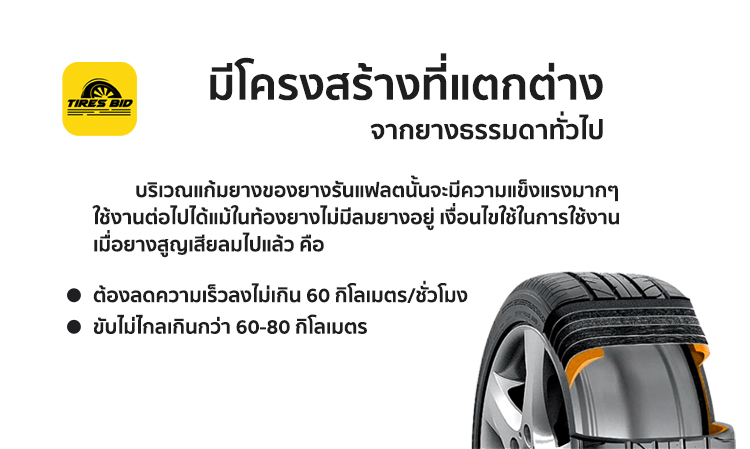
Run-flat tires have a different structure compared to regular tires, particularly in the sidewall area. The sidewalls of run-flat tires are much stronger, capable of supporting the weight according to the tire's specifications. This means that even when the tire is deflated, it can still hold its shape and allow for continued use. However, there are limitations: when the tire loses air, the driver must reduce speed to no more than 60 kilometers per hour and should not drive more than 60-80 kilometers. This is the safe operating range for run-flat tires after losing air.
As for maintenance, taking care of run-flat tires is not much different from regular tires. Inflate them according to the recommended pressure for your vehicle; there’s no need to underinflate them for a softer ride, as run-flat tires are inherently stiffer. This is something to accept. If some of you prefer regular tires for a softer feel, I must say that you can switch, but keep in mind that vehicles designed for run-flat tires often do not come with a spare tire. This means that in case of an emergency, if a tire blows out, you won't be able to continue driving. Therefore, I recommend sticking with run-flat tires. Additionally, finding replacement run-flat tires can be challenging, especially if you are traveling outside the city, as they are not standard sizes.
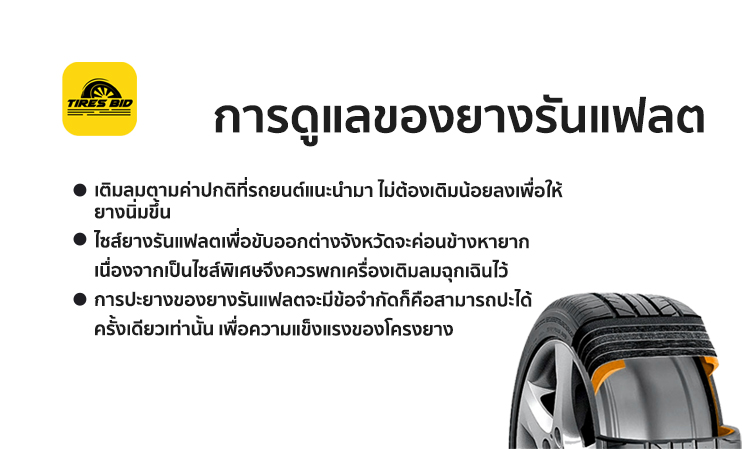
However, some friends have mentioned that they only drive in the city and rarely experience tire blowouts. I recommend that, at the very least, in case of emergencies like a flat tire, you should keep a portable air compressor in your car or at home. If you get a flat from a nail, you can use the compressor to inflate the tire and then drive to a nearby tire repair shop. Keep in mind that run-flat tires can only be repaired once to maintain their structural integrity after losing air. While they can be repaired, excessive repairs may affect their performance when deflated (it is not recommended to repair the sidewalls or shoulders of the tire under any circumstances).
This has been an informative article about run-flat tires, which are commonly found on luxury vehicles like Benz, BMW, and Mini. If you drive a regular car, you may not be able to find run-flat tires due to size compatibility. If you have any questions about whether your tires are run-flats, feel free to reach out via LINE OFFICIAL: @tiresbid or call 090-958-7416 / 090-986-8762. The TireBid team is happy to provide tire advice. You can also read more informative articles about tires at https://tiresbid.com/blog. Thank you very much for reading this article to the end. Stay tuned for George's next tire tips!