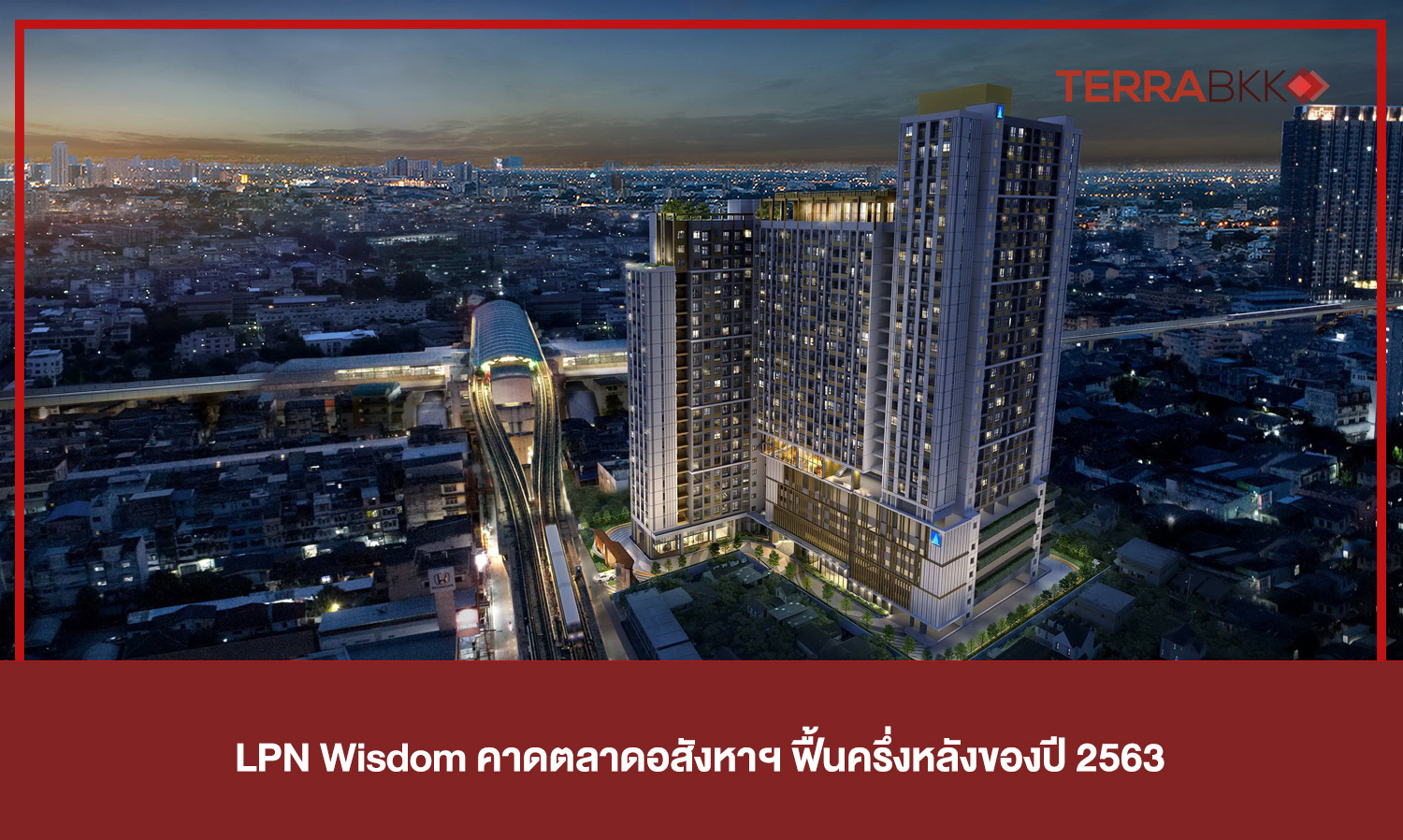
LPN Wisdom Predicts Real Estate Market Recovery in the Second Half of 2020
LPN Wisdom and Solutions Co., Ltd. anticipates that the real estate market will recover in the second half of 2020 as the situation surrounding the COVID-19 pandemic shows signs of easing, and purchasing power for housing remains in the market. This follows the announcement of first-quarter performance results by real estate operators, which still demonstrate profitability with an average Net Profit Margin of 13.81%.
“Despite the first-quarter performance of 2020 for 29 listed real estate companies on the Stock Exchange of Thailand showing total revenue of 59,207.66 million baht, a decrease of 30.43%, and a net profit of 8,176.88 million baht, down 40.68% compared to the first quarter of 2019, the profitability (Net Profit Margin) of these companies remains high at an average of 13.81% when compared to other industries,” said Mr. Prabhan Sak Raksaiwan, Managing Director of LPN Wisdom and Solutions Co., Ltd. (LPN Wisdom), a real estate research and development company under L.P.N. Development Public Company Limited (LPN).

In addition to maintaining a high level of profitability, the average Debt to Equity Ratio of real estate operators as of March 31, 2020, remains below 2:1, reflecting the financial strength of real estate companies on the Stock Exchange of Thailand. This contrasts with the economic crisis of 1997 when the debt-to-equity ratio of real estate companies exceeded 2:1, posing business risks during economic downturns.
The financial strength of these real estate operators means that even in the face of an economic contraction, LPN Wisdom estimates that the Thai economy will decline by about 5-7%, aligning with the National Economic and Social Development Council's forecast of a 5-6% contraction. This will likely result in a 15-20% decline in the real estate business in 2020 compared to 2019. However, LPN Wisdom is confident that the strong financial structure of real estate operators, especially those focusing on Environmental, Social, and Governance (ESG) principles, which are listed in the Thailand Sustainability Investment (THSI), will be able to generate revenue, sales, and maintain profit margins during this economic slowdown.
Meanwhile, an analysis of purchasing power in the first quarter of 2020 revealed that demand for housing remains strong for both horizontal and condominium properties. The average revenue decline of 30.43% for real estate operators in the first quarter was primarily due to the inability to transfer properties to foreign buyers who could not complete transactions as planned due to the COVID-19 outbreak, along with some investors delaying their investments amid the economic slowdown.
However, with the COVID-19 situation in Thailand showing signs of improvement and expectations for a lockdown lift by the end of the second quarter of 2020, LPN Wisdom predicts that the real estate market will gradually recover in the third and fourth quarters of 2020. It is expected that real estate operators will begin to launch new projects in the third and fourth quarters after postponing new project launches in the second quarter of 2020.
LPN Wisdom estimates that the number of new project launches in 2020 will be between 50,000 and 55,000 units, valued at 175,000 to 190,000 million baht, representing a decrease of 50-55% compared to the same period in 2019, assuming there is no second wave of COVID-19 outbreaks.
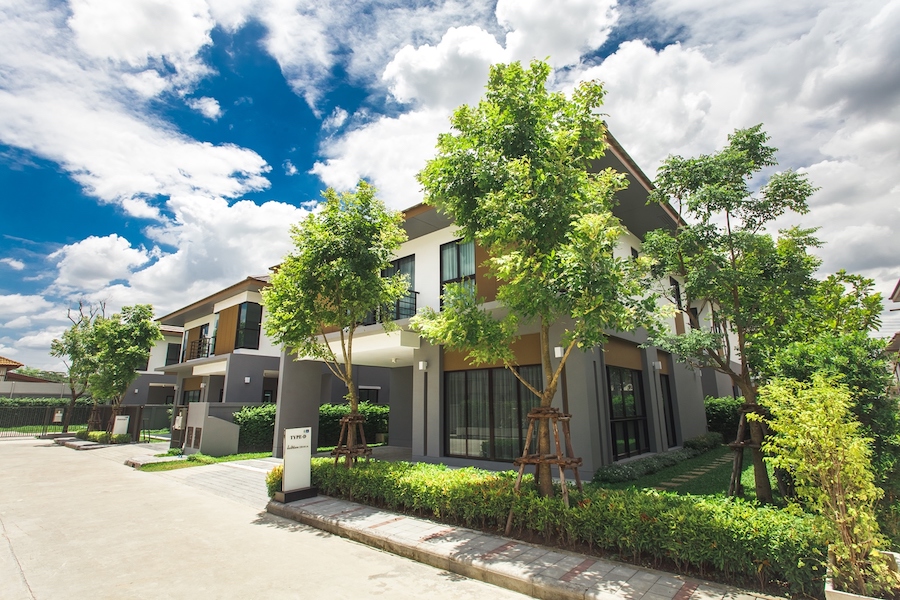
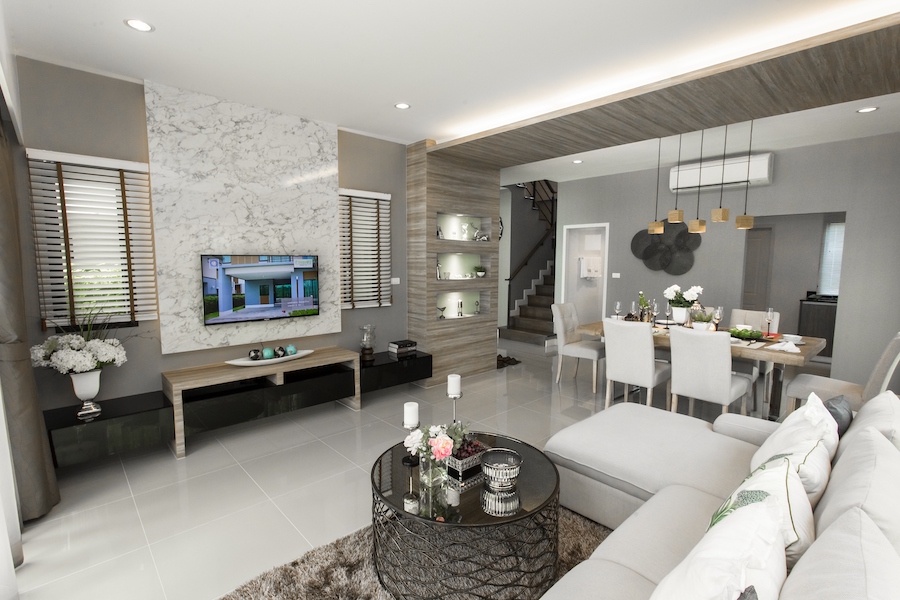
“Although the overall real estate market is expected to recover in the second half of 2020, the high level of unsold inventory and ongoing projects from real estate operators remains significant. As of March 31, 2020, the 29 listed companies on the Stock Exchange of Thailand had unsold inventory and ongoing projects valued at 576,406 million baht, an increase of 6.74% from the end of 2019, which will take at least 36 months to sell. This suggests that real estate operators will prioritize selling existing projects over launching new ones. However, some companies will still launch new projects in high-demand areas, particularly horizontal projects such as single-detached houses and townhouses, which are in high demand due to changing consumer behavior in the New Normal, requiring more living space to accommodate the Work From Home trend that is becoming the new standard after the COVID-19 pandemic,” Mr. Prabhan Sak concluded.