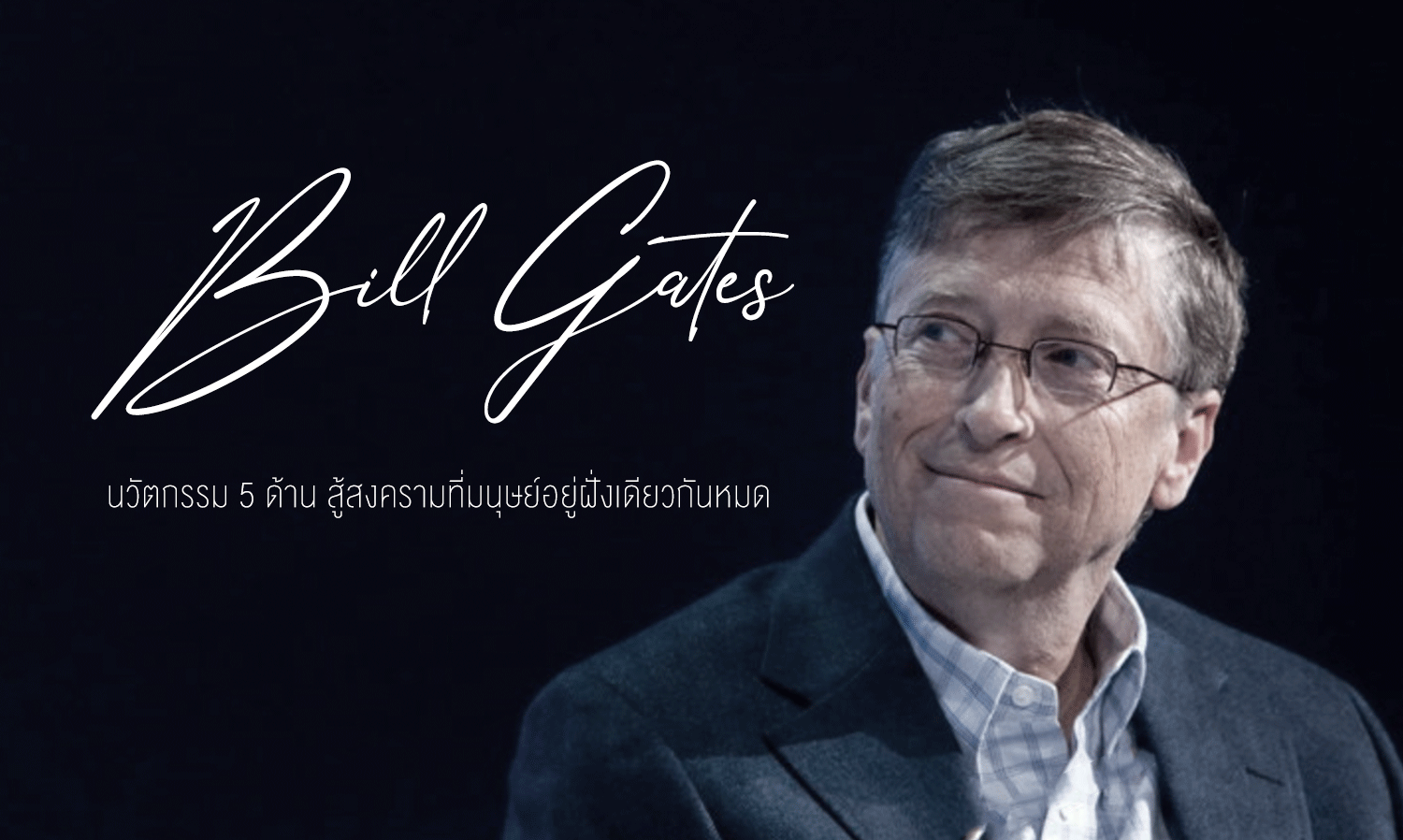
Bill Gates Reveals 5 Innovations to Combat a War Where Humanity is United
“What we are facing right now is akin to a world war, except that we are all on the same side. Everyone can contribute to studying this disease and developing tools to fight it. I believe that innovation will be the key to stopping this outbreak. These innovations include testing, treatment, vaccines, and policies to halt the spread while also helping to mitigate the impact on the economy and people's lives,”
“During World War II, many innovations emerged, such as radar, torpedoes, and code-breaking machines that helped end the war sooner. The same applies to the pandemic we are currently experiencing,” Bill noted, identifying five crucial innovations necessary to expedite the end of the outbreak, categorized as treatment, vaccines, testing, tracking, and policies to reopen the economy.
1. Treatment
He acknowledged that many treatment methods may fail, but he remains optimistic that some of them could help reduce the coronavirus. People need effective treatments with a 95% success rate to feel safe and confident about returning to gatherings or crowded places, such as attending football matches or concerts. He pointed to the potential of using blood plasma, antibodies, antivirals, and hydroxychloroquine to enhance treatment efficacy. He also emphasized the need for companies to recognize the importance of supporting clinical trials to make these treatments a reality.
2. Vaccines
Historically, vaccines have saved countless lives, such as the smallpox vaccine, which eliminated a disease that killed millions annually. The newly developed vaccines have reduced child mortality rates from 10 million per year in 2000 to just 5 million today. However, developing a new vaccine typically takes about five years. He is optimistic that in the fight against COVID-19, a new vaccine could be developed in just 18 months, or possibly as quickly as 9 months to 2 years.
3. Testing
Bill Gates also pointed out that the U.S. must prioritize rapid COVID-19 testing that provides results within a day. He stated that healthcare workers should have access to virus testing, and asymptomatic individuals should wait for symptomatic individuals to be tested first. Additionally, he highlighted the need for at-home testing, whether through immediate results or sending samples to a lab.
4. Tracking
Individuals who have been in contact with infected persons should be tested and quarantined. He noted that many countries might follow Germany's lead in initiating tracking measures. If someone tests positive, healthcare providers must notify local governments with personal information, including names, addresses, and phone numbers. The infected individuals must also be interviewed to identify anyone they have been in contact with in the past week or two, allowing authorities to inform those contacts to quarantine, monitor symptoms, and get tested. A database will be utilized to confirm and enhance the efficiency of tracking patients.
5. Resuming Life and the Economy
Bill Gates believes that many developed countries will enter phase 2 of the outbreak in the next two months, referred to as “semi-normal,” where people will go outside but less frequently and avoid crowded places. People will continue to practice social distancing. Many countries will learn from those with robust and effective testing to determine when they can return to normalcy, allowing individuals and businesses to resume operations.
For example, Microsoft in China is gradually reopening, with half of its 6,200 employees returning to work while supporting remote workers with distancing and cleanliness measures. However, the decision to fully reopen depends on government assessments of risks and benefits.
He concluded by saying, “It is heartening to see our world come together in this fight. Every day, we talk to scientists, small companies, CEOs of pharmaceutical firms, and government leaders to bring these tools to reality. We must also thank the many healthcare workers when this global pandemic is over.”
References: CNBC, GatesNotes
SOURCE: www.techsauce.co