No More Worries About High Electricity Bills! SENA Offers Solar Solutions During COVID – Save on Energy Costs
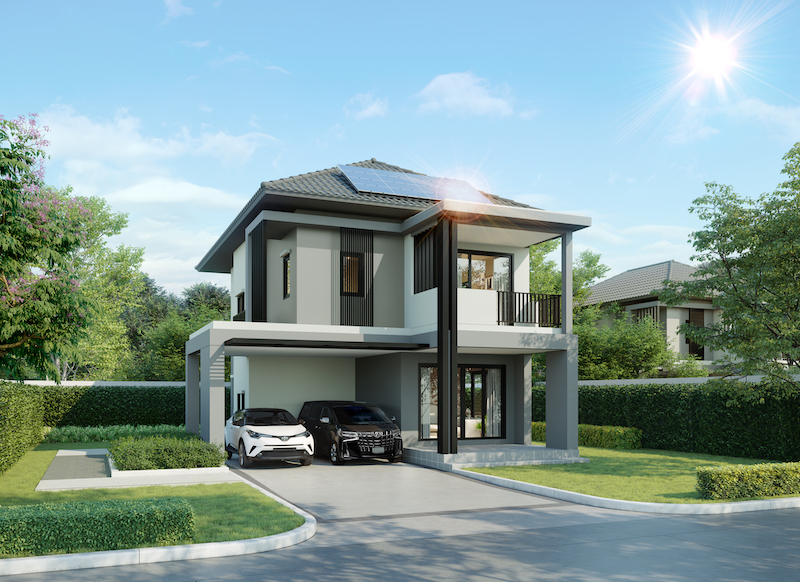
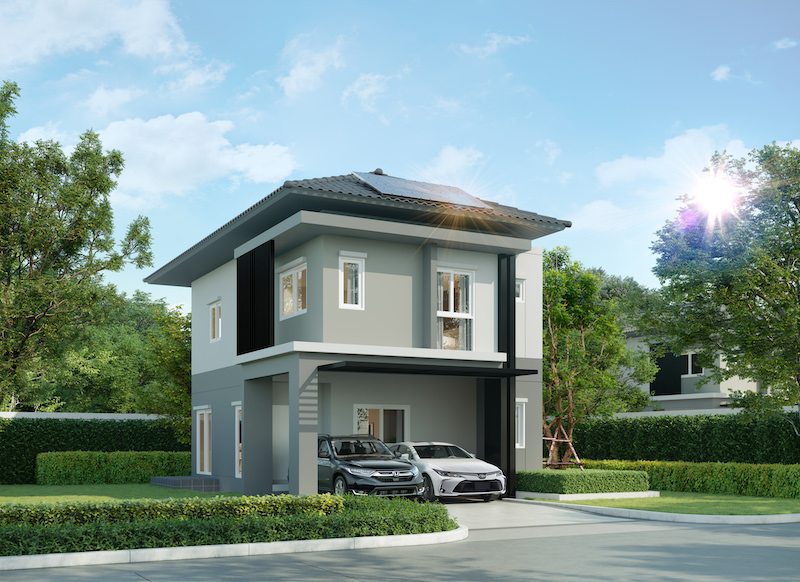
SENA stands out as the leading innovator in solar villages in Thailand. Recently, in response to the post-COVID-19 surge in electricity bills that has heavily impacted those working from home, SENA recommends installing solar panels at home to tackle rising electricity costs – making it a cost-effective solution. They also promote the "Solar Scale Up" service, which helps calculate electricity usage and adjust according to the residents' behavior and lifestyle.
The COVID-19 crisis has forced many people to stay home, halting outdoor activities and leading to an increased reliance on home living. Many companies and professions have shifted to remote work, resulting in continuous electricity usage day and night. Consequently, the shocking rise in electricity bills has emerged. The reason for the increased costs is due to the electricity authority's implementation of a "progressive rate" system, where higher usage leads to higher payments. A key factor in this calculation is the "units of electricity consumed," which are billed in tiers, each with different rates. Therefore, increased consumption results in charges at higher unit rates, causing bills to skyrocket.
Additionally, the weather in April is typically hot, leading to increased electricity consumption due to air conditioning, air purifiers, evaporative fans, and refrigerators working harder than usual.
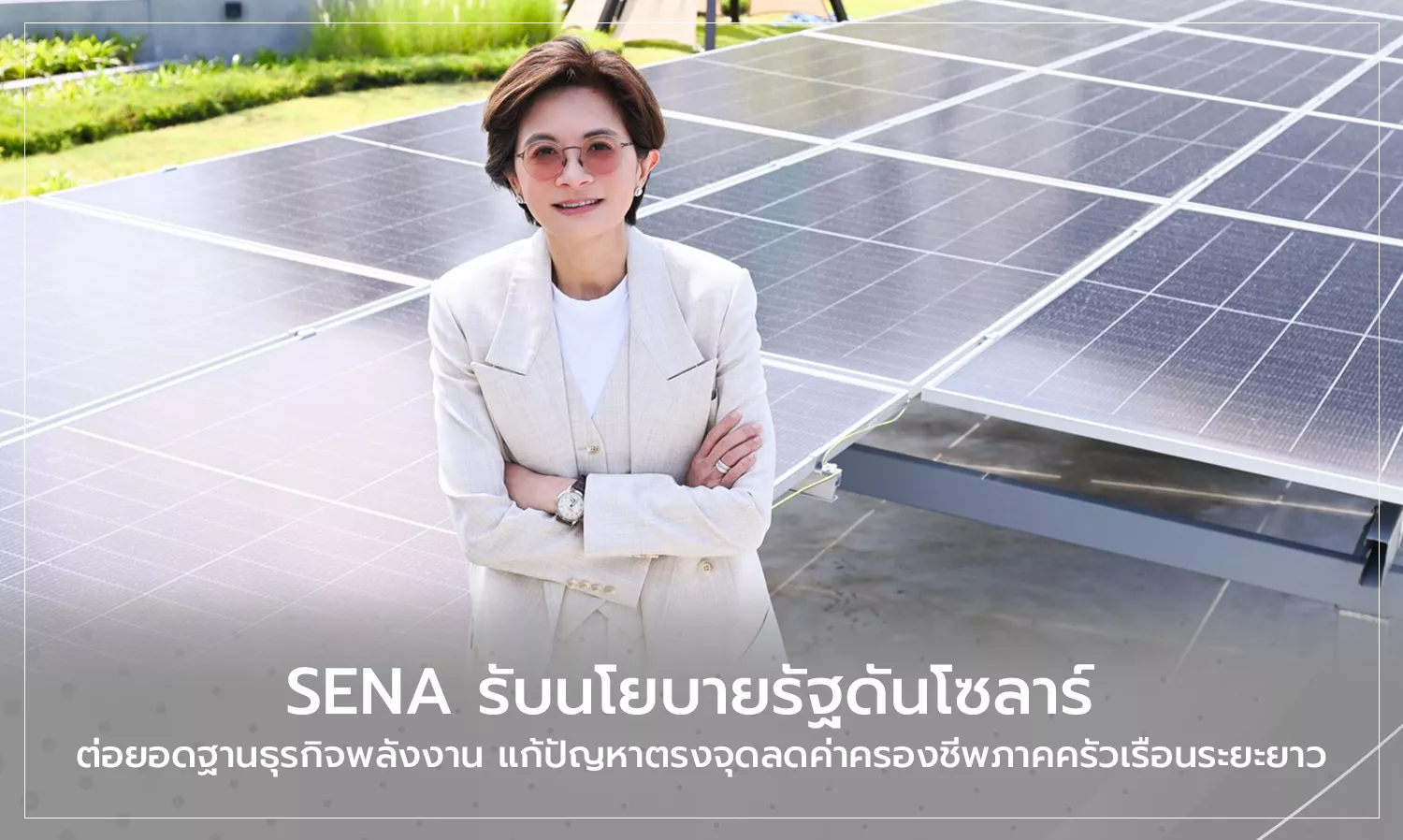
According to Assoc. Prof. Dr. Kessara Thanyalakphak, Deputy CEO of Sena Development Public Company Limited, the increase in electricity bills and the progressive billing system present a great opportunity for consumers to consider installing solar panels at home, especially for those working from home or freelancers. Installing solar panels can significantly reduce electricity costs during the day. Data from SENA's surveys indicate that investing in rooftop solar panels not only allows homeowners to use clean energy but also reduces reliance on electricity from the grid. This means that every SENA home can enjoy lower electricity costs for 25 years, making it a worthwhile investment. For example, a solar panel installation with a capacity of 2-8 kilowatts can be compared to planting 16-63 large trees, reducing carbon dioxide emissions by 2-9 tons per year over a 10-year period.
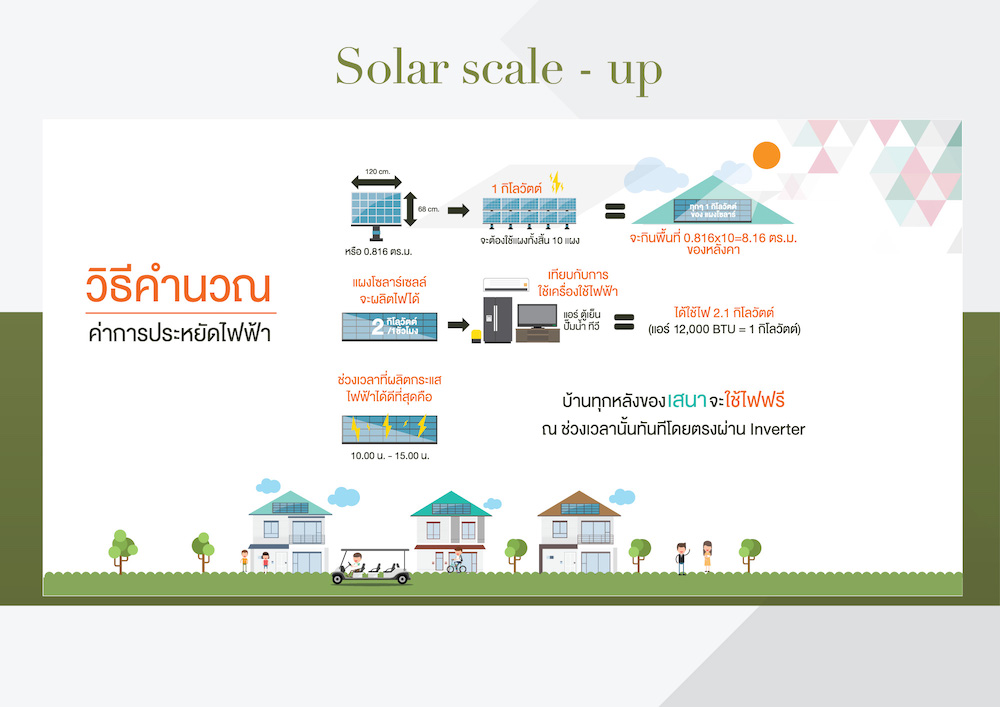
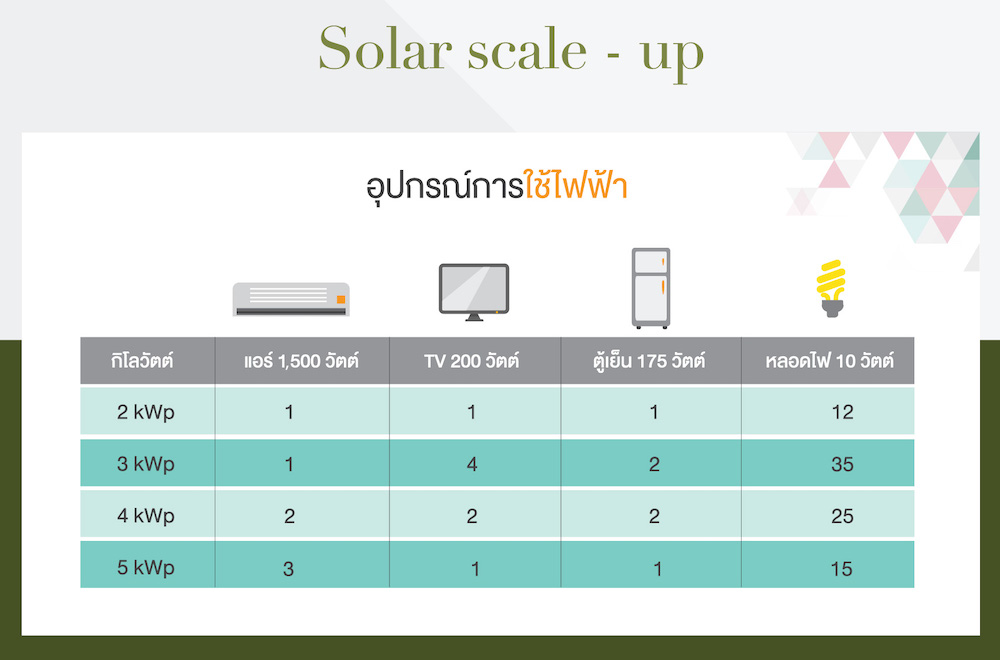
Moreover, SENA offers the "Solar Scale Up" service, an innovative tool that helps homeowners calculate their solar panel needs based on their electricity usage. Residents can adjust the number of solar panels according to their appliance usage and choose their electricity consumption times based on their lifestyle. For instance, if a household uses electricity for 4 hours between 10:00 AM and 2:00 PM, producing 2.1 kilowatts, this equates to 8 units of electricity. At a state rate of 4 baht per unit, this results in daily savings of 32 baht or 960 baht per month.
However, the installation of solar panels for household electricity generation in Thailand remains relatively low due to the high costs of equipment and complex electrical systems, making the general public hesitant. Currently, solar panels have improved in quality and decreased in price, but consumers have not yet recognized their full benefits. The COVID-19 crisis is expected to increase awareness among consumers who are working from home about the advantages and cost-effectiveness of solar installation. Currently, every SENA project includes solar panels as a standard product, not only on rooftops but also in communal areas of villages and condominiums, with over 400 households and 1,000 kilowatts installed.
Importantly, SENA has a subsidiary, 8 Solar Co., Ltd., which specializes in solar energy, offering comprehensive services from consultation, design, installation, to after-sales support.