CU-TU Real Estate Academic Showcases 2025
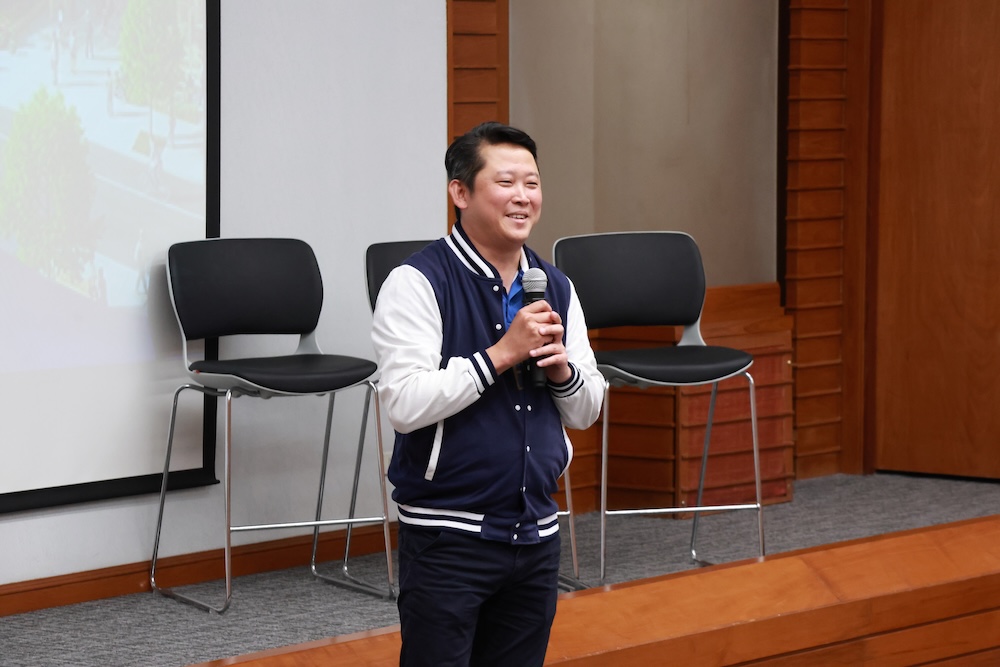
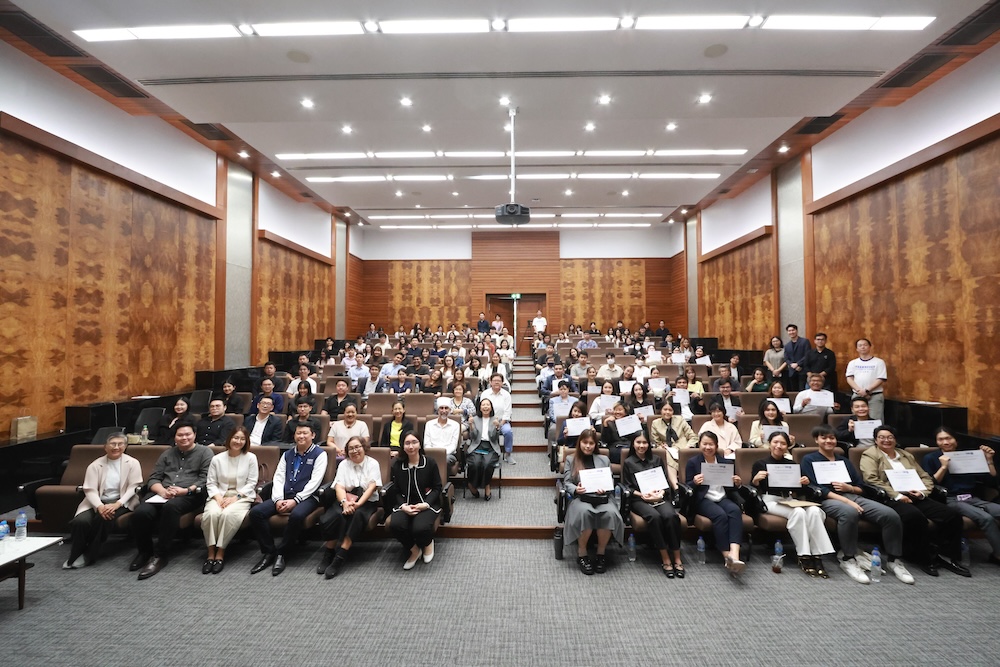
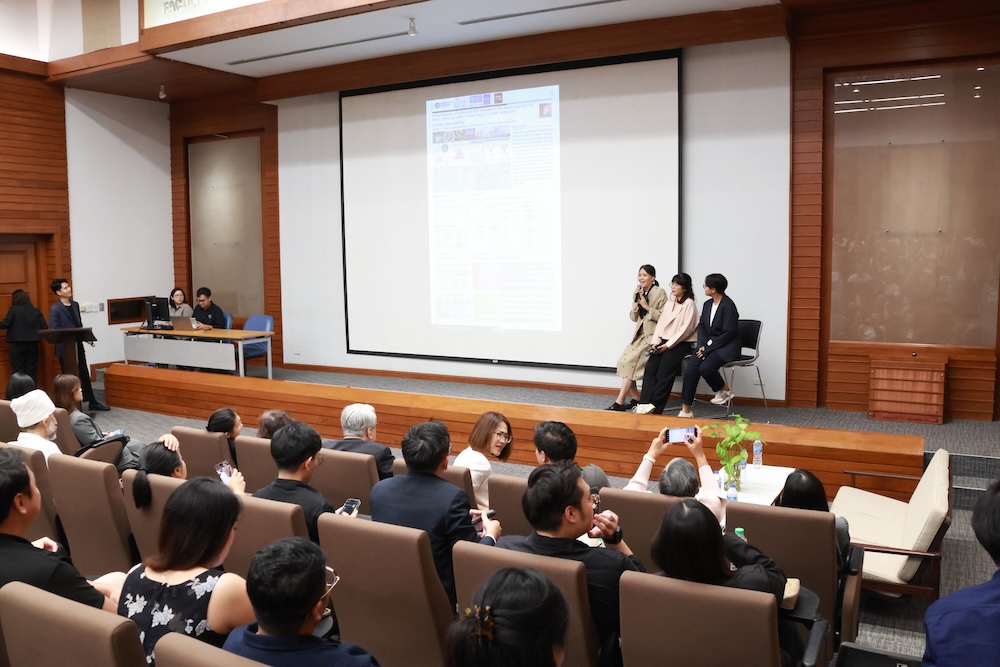
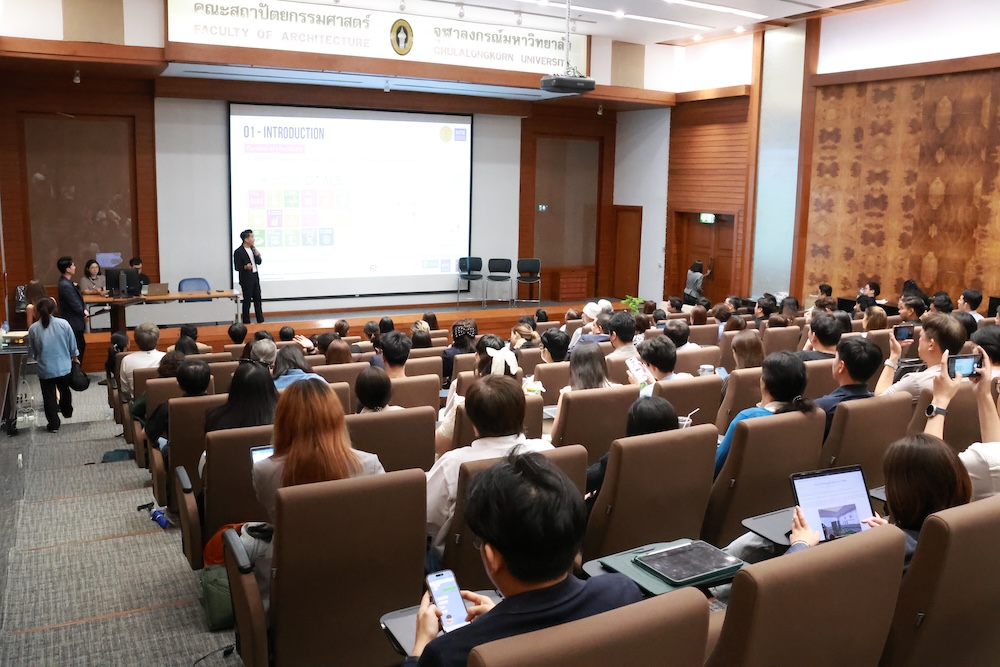
CU-TU Real Estate Academic Showcases 2025 opened a significant real estate knowledge event of the year under the theme Think Forward to Build Sustainable Real Estate on Saturday, August 16, 2025, from 1:00 PM to 4:00 PM at the Auditorium (Library) of the Faculty of Architecture, Chulalongkorn University. The event garnered great interest from students, university attendees, the general public, and entrepreneurs, leading to tickets selling out on the first day of registration, prompting an increase in seating from 100 to 120 and then to 180 seats.
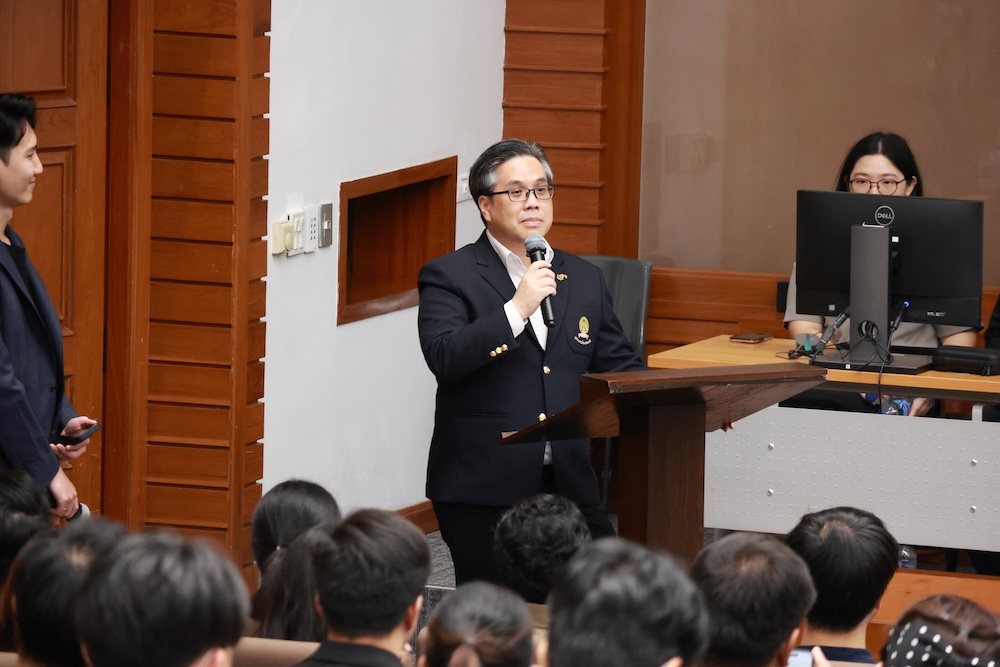
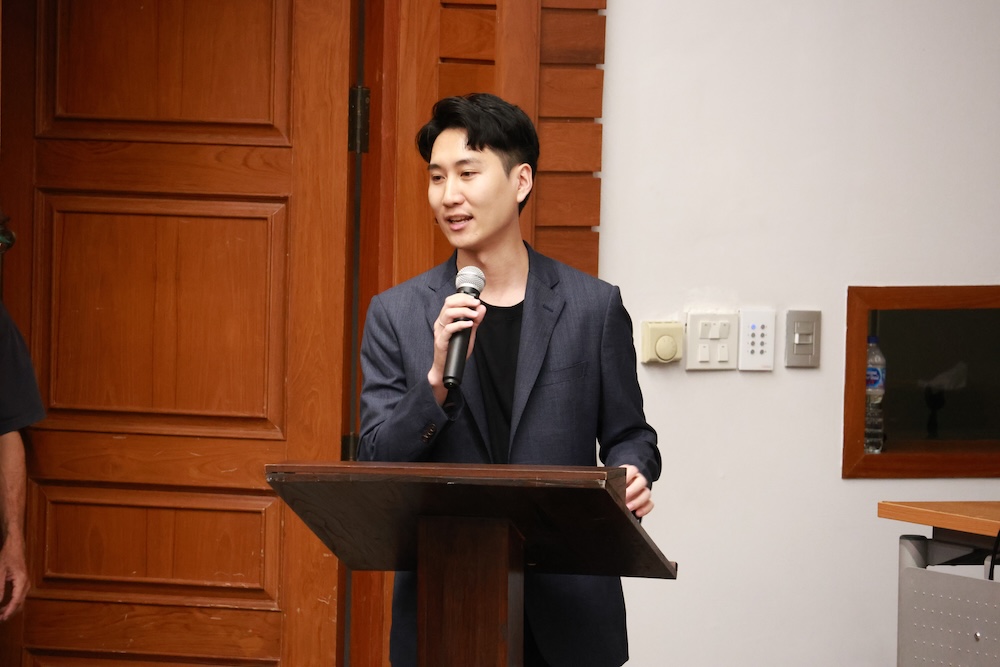
This event is considered an important academic forum in the field of real estate, resulting from the collaboration between students from two institutions: the Master of Housing and Real Estate Development (MHD) program at the Faculty of Architecture, Chulalongkorn University and the Master of Science Program in Real Estate Business (MRE) at the Faculty of Commerce and Accountancy, Thammasat University. Together, they opened a space to showcase research findings and new knowledge in real estate and housing, along with an academic stage to share ideas, knowledge, and creativity in real estate development, including:
- Mixed-use project development strategies
- Application of ESG sustainability strategies
- Transit-oriented development (TOD) near urban train stations
- Housing development for low-income groups
- Strategies for developing various types of real estate, including hotels, warehouses, parking lots, vacation homes, and diving activity projects, etc.
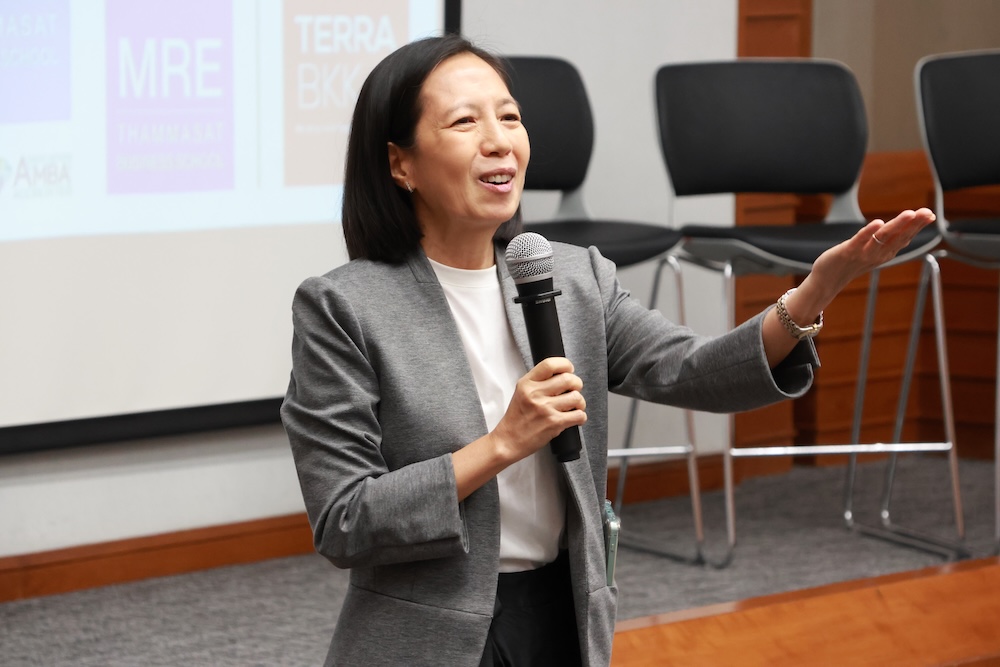
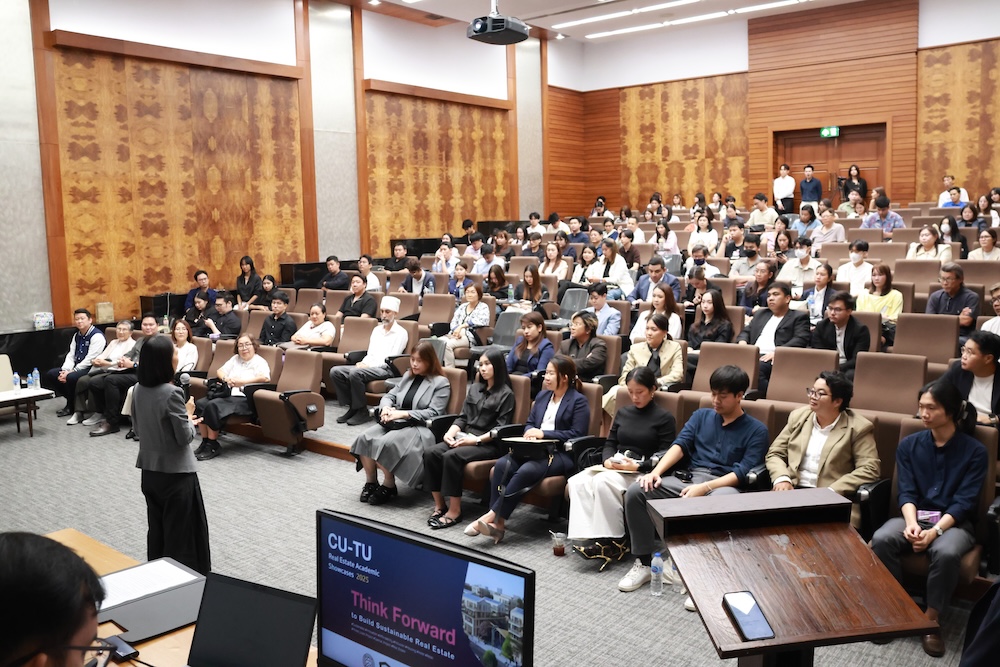
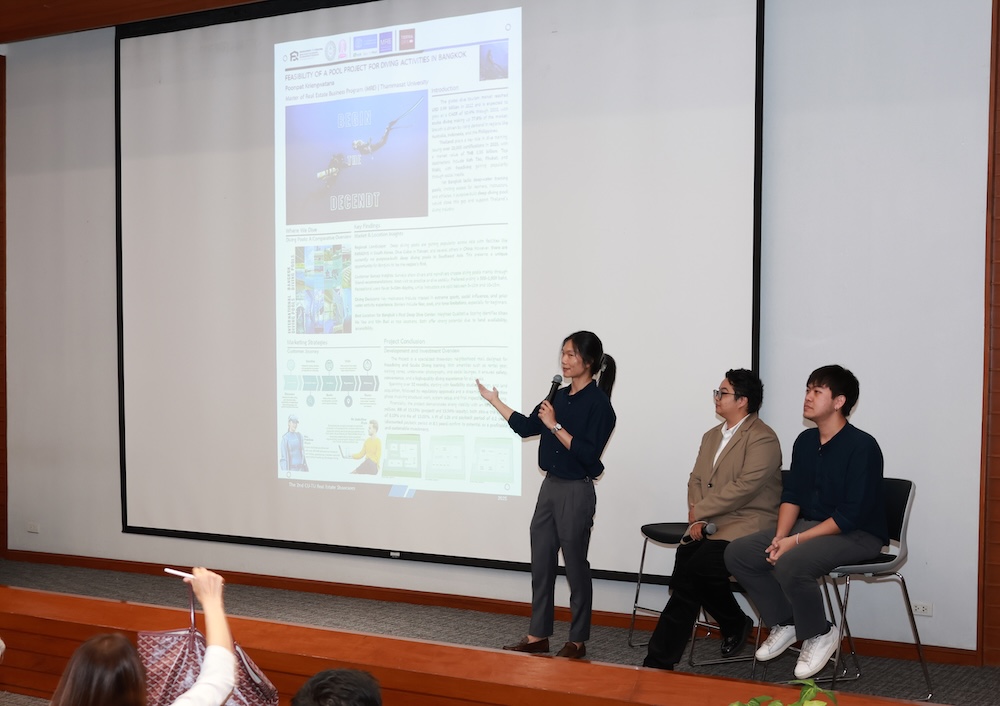
The event began with the presentation of ideas from Poster Round 1 - Innovation Category by Poonpat Kriangwattana, a representative from MRE TU, on the topic of the feasibility study for developing a diving pool project in Bangkok. The survey revealed that Thailand receives thousands of diving permit requests annually, yet there is not a single deep diving pool in the country, forcing divers to use swimming pools instead. Unlike East Asian countries such as China, Taiwan, and North Korea, which have multiple deep diving pools, it remains to be seen whether Thailand will be the first in Southeast Asia to have one, pending studies on construction, legal, and financial factors. Download Document Click
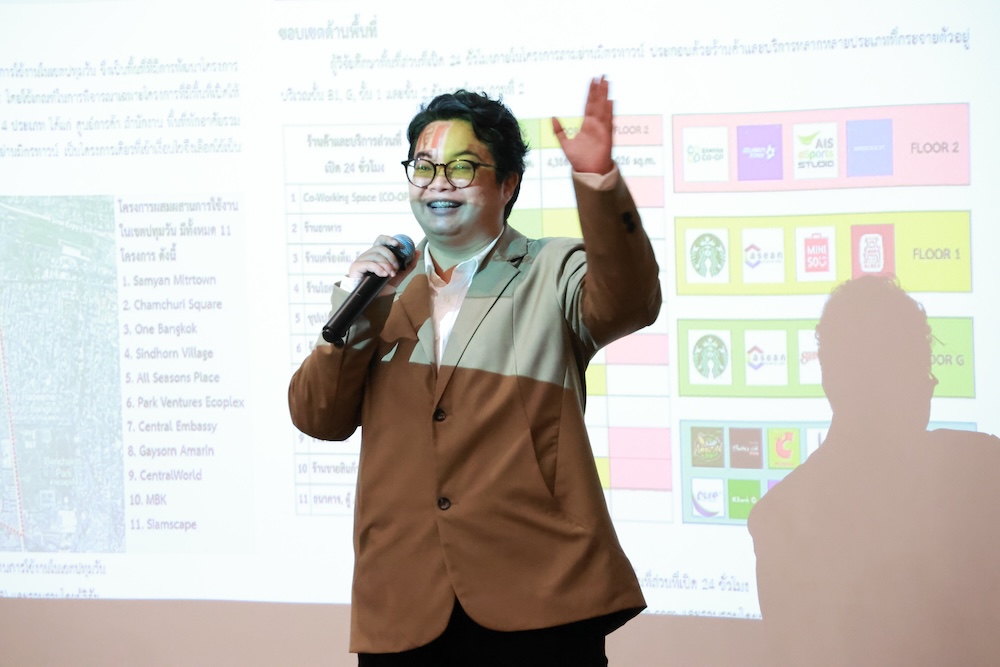
Narisara Pongsophon from MHD CHULA presented on the factors influencing the decision to use 24-hour services in mixed-use projects, using the Samyan Mitrtown project as a case study. The findings will assist developers interested in offering 24-hour services in finding answers. Download Document Click
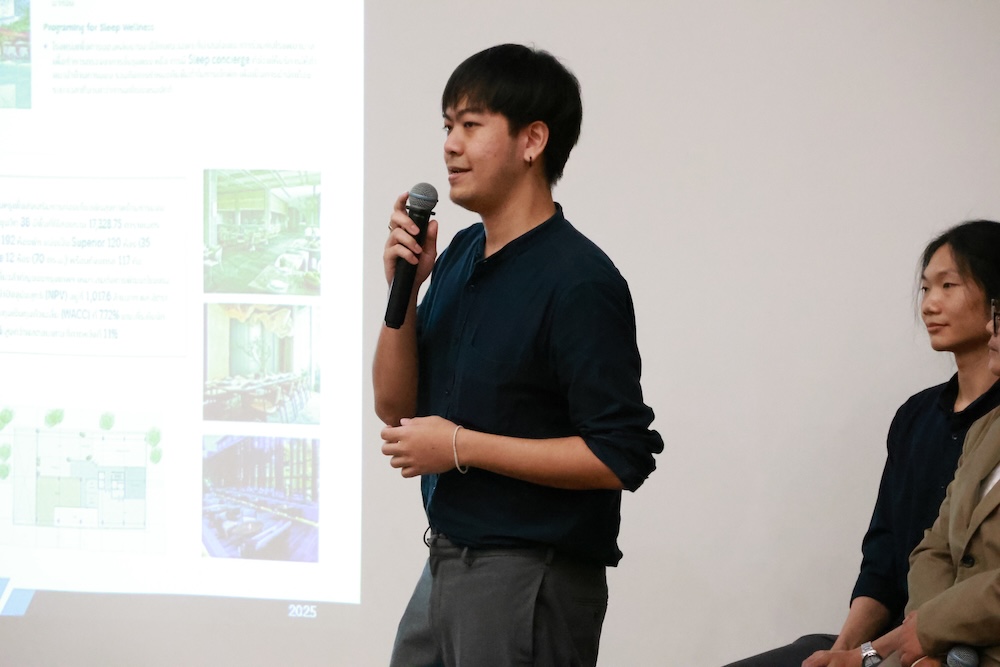
Panat Radhomkit from MRE TU discussed the feasibility study for developing a hotel promoting sleep tourism, noting that many people have experienced stress and difficulty sleeping post-COVID-19. This presents a business model opportunity. Download Document Click
On Stage Case 1 - Special Topic Category
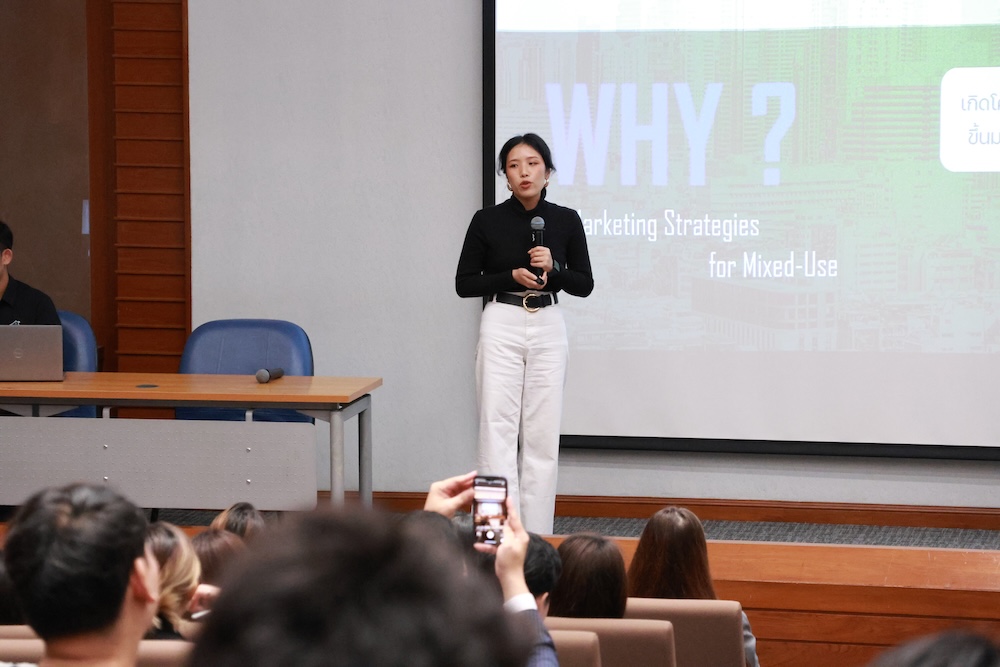
Panitporn Pongburanakij from MHD CHULA presented on marketing strategies for mixed-use real estate projects, specifically the Park Venture Ecoplex and MBK Center projects. Download Document Click
Mixed-Use refers to the integration of various types of real estate. Currently, there are many mixed-use projects, and the complexity of legal issues has revealed gaps in marketing strategies. The study found that Mixed-Use can be categorized into three types:
- Mixed-Use Tower or high-rise mixed-use, accounting for 51% due to its utility
- Integrate Multi Tower Structure or mixed-use with multiple buildings on a single podium, accounting for 21%
- Mixed-Use Town Center or overall area development, accounting for 28%, such as One Bangkok, Em-District, Dusit Central Park, or Gaysorn group
From over 100 mixed-use projects, most are concentrated in the city center and gradually spread out. An analysis of usage patterns revealed 19 distinct usage types, with retail being the most common component, while serviced apartments were the least integrated.
Case studies began with:
- The Park Venture Ecoplex, which includes office space, retail space, and a hotel, with office space as the main component.
- The MBK Center, which primarily consists of retail space.
The three main components of both projects, summarized as the Mixed-Use Development Concept, are:
- SURROUNDING with facilities and transportation that support diverse usage.
- LAND USE with high land utilization, facilitating the development of various components.
- MARKET suitability of demand and supply in the area.
This leads to defining the framework for usage in the project as follows:
- RETAIL integrates diverse usage to meet various needs.
- OFFICE arises from regular daily user needs, emphasizing convenience and facilities.
- HOTEL adds business diversity and user engagement throughout the day.
Park Venture's marketing strategy focuses on high-quality retail space, luxury eco-friendly hotels, and high-quality office space that considers employee quality of life.
MBK Center's marketing strategy features diverse retail space, quality office space with excellent facilities, and hotels connected to the BTS and shopping centers, aligning with project-level strategies.
Mixed-Use marketing strategies can be categorized into two levels:
1. Component Level categorized by property type to indicate different uses and purposes.
2. Project Level defining STP that encompasses usage components.
In terms of usage, it can be summarized that:
- Working hours primarily occur in office and retail areas.
- Weekends and evenings are concentrated in retail and hotel areas.
This indicates that retail areas are almost utilized 24 hours a day and serve as the connection point for all usage components.
Recommendations
- Define usage to support each other, maximizing efficiency throughout the day to attract customers collectively.
- Establish a two-level marketing strategy:
- Component Approach must align with property types.
- Project Approach supports and creates awareness of Mixed-Use. - The focal point of usage across the project is Retail, which must be designed to fully support usage from other components.
- Retail attracts usage; thus, marketing strategies in retail areas to attract diverse users will be a key factor in increasing project utilization.
On Stage - Innovation Category
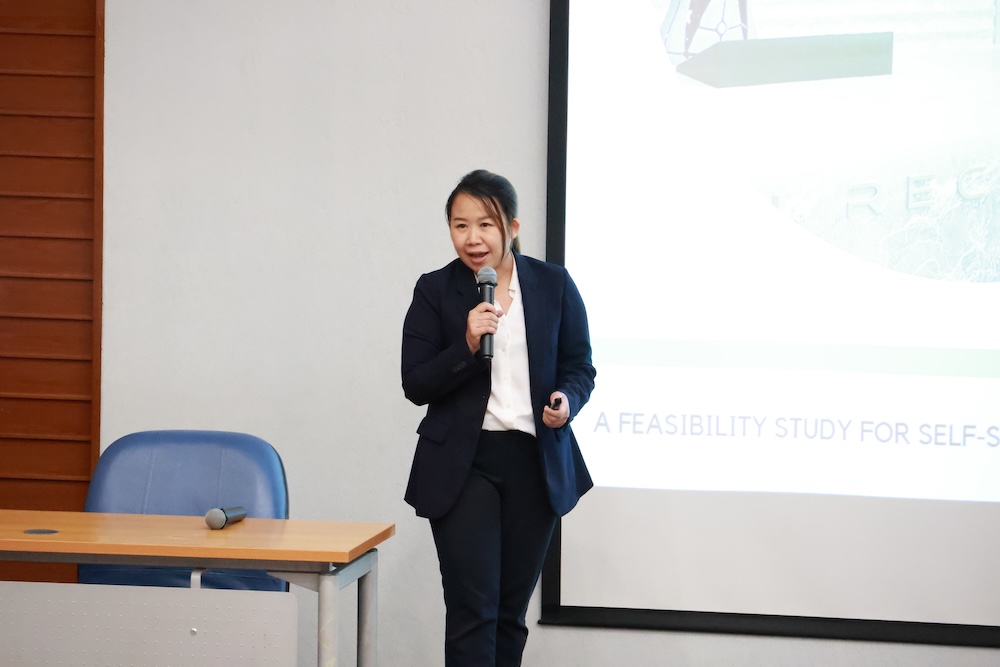
Thanaporn Tanruang from MRE TU presented a feasibility study for self-service budget hotels in Bangkok. Download Document Click
This study explores the feasibility and growth of self-service budget hotels alongside technology, revealing:
- Growth in the hotel business still faces limitations.
- Technology plays a crucial role, allowing budget hotels to operate without relying entirely on staff.
- Utilization of systems and machines such as kiosks, digital keys, vending machines for food and drinks, laundry machines, and cleaning/delivery robots, etc.
Self-Service Budget Hotels emphasize self-service technology without relying on staff. Currently, Self-Service Technologies are categorized into three types:
- Full Self-Service - Hotels where customers can use hotel standards without human interaction, such as the FlyZoo Hotel in China, which uses facial recognition for room access and robots for service.
- Partial Self-Service - Self-service with some staff available to assist with certain transactions, possibly just one person to help customers.
- Guided Self-Service - Channels for customers to contact human staff through communication methods like video calls using AI or chatbots to answer questions or provide guidance, without staff needing to be on-site.
From the analysis
- Legally, Thailand cannot yet have Full Self-Service hotels due to legal restrictions requiring at least one manager.
- Suitable land must be larger than 100 square wah and can develop 50-79 rooms, with each room larger than 20 square meters.
- Location is crucial; it can be on a side street but should be within 1 km or a 15-minute walk to public transport or the BTS.
Factors influencing customer decisions to choose self-service hotels
- Functional financial systems that support multiple languages and payment methods.
- 24-hour assistance services.
- Cleaning of common areas in the hotel.
Business feasibility analysis for the Cloud Day project
- Purchase land of 150 square wah to develop a new hotel.
- Located in Ratchada district, approximately 300 meters from Ratchada 17 alley and 800 meters from Sutthisan MRT station, exit 4.
- Develop 55 rooms with two room types: 40 rooms of 20 square meters and 15 rooms of 24 square meters.
- The average room rental rate per day is 1,530 baht/night.
- Occupancy rates will gradually increase and reach 80% from the 7th year onward.
Financial analysis and costs revealed:
- Personnel costs can be reduced by up to 50%.
- Costs for developing digital systems, cloud, servers, and security systems.
- This project has an investment value of approximately 97 million baht, with a positive NPV of about 40 million baht and an IRR of 12%.
In summary, the advantages of applying self-service systems in budget hotels
- Enhances convenience and speed of service while providing privacy for customers.
- For operators, this system reduces labor costs, which are continuously rising.
- New generation customers are accustomed to using self-service hotel technology, allowing for quicker expansion of hotel branches.
- If laws are amended in the future, we may see fully self-service hotels in Thailand.
Poster Round 2 - Sustainability Category
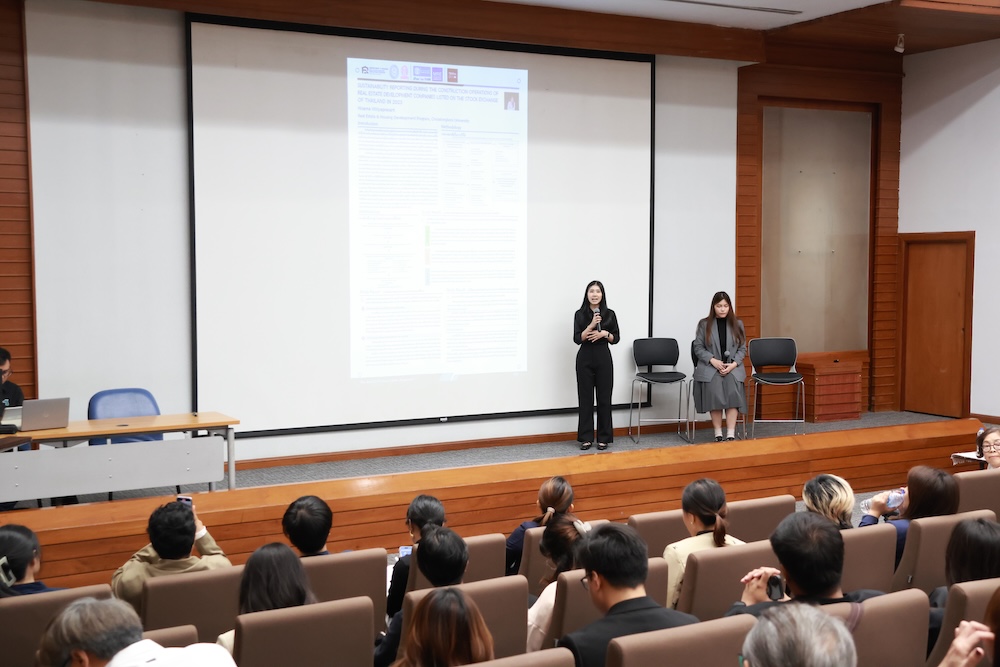
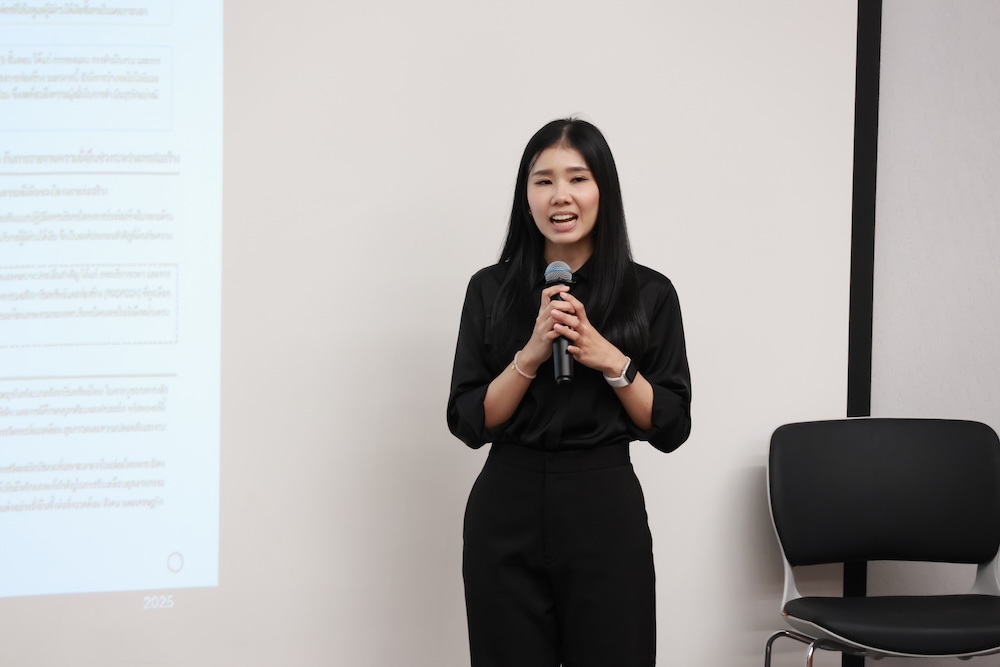
Nisma Viriyaprasert from MHD CHULA presented on operational guidelines during construction for sustainability in real estate development companies registered in 2023.
Since 2023, real estate developers have systematically integrated sustainability concepts regarding the environment, society, and governance into the construction process. Case studies of Supalai and Fraser Property show that both organizations manage resources efficiently by using environmentally friendly materials, prioritizing labor safety, and incorporating technology, demonstrating commitment to sustainable operations. Download Document Click
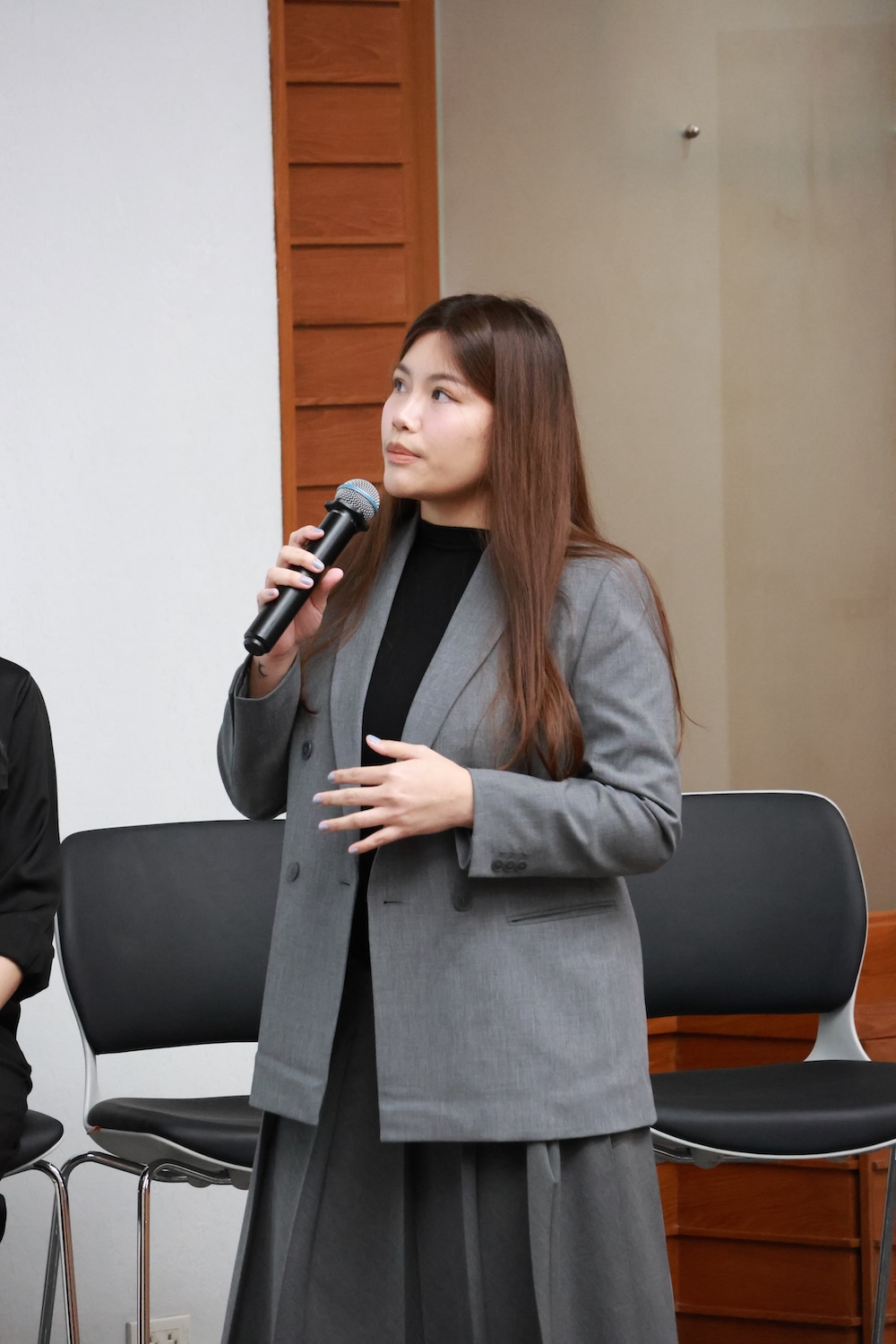
Sasina Taksadipong from MRE TU presented a feasibility study for developing a 5-star Eco Hotel on Koh Samui.
This is not just a luxury hotel but one designed with a love for the planet, using environmentally friendly materials and considering energy efficiency in design. The goal is to instill confidence in customers with high standards of care, ensuring that every stay contributes to environmental conservation. Download Document Click
On Stage - Innovation Category
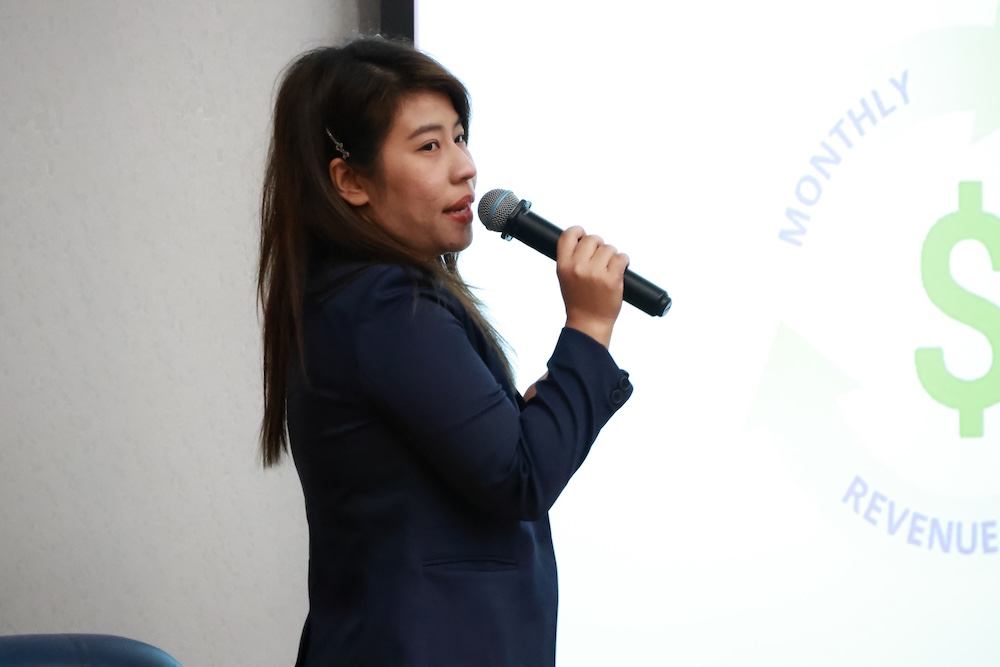
Thanisara Lueansuksan from MHD CHULA presented on investment decisions for developing rental warehouses: a case study of a warehouse development company in Samut Prakan province. Download Document Click
The warehouse business has grown during and after COVID-19 due to the growth of e-commerce and the relocation of production bases to Thailand. Real estate developers are increasingly focusing on industrial development to diversify risk and ensure stable recurring income, such as:
- Sena in collaboration with Mitsubishi Logistics opened MLC 1 warehouse in Bangna Km. 23.
- Origin in collaboration with JWD opened ALPHA.
- Pruksa in collaboration with Capital Land opened ALP.
- SC Asset launched SCX.
Analysis of decision-making by real estate developers in Samut Prakan revealed that the province has the highest warehouse rental rate and rental prices. The analysis framework includes:
- Organizational operation characteristics.
- Factors influencing decision-making.
- The warehouse market in the area.
In Samut Prakan, there are 13 operators, and warehouses can be categorized into two types:
- Traditional Warehouse
Rental area: 100 to 9,000 square meters.
Structure/Facilities:
- Mostly lacks loading equipment, such as hydraulic dock levelers.
- Most buildings are not elevated, with floors at street level.
Load capacity: generally 2-3 tons/square meter.
Height: 7-8 meters.
Rental rate (baht/square meter/month): 90-150 baht.
Note: Mostly developed by small operators. - Modern Warehouse
Rental area: 1,000 to over 10,000 square meters.
Structure/Facilities:
- Elevated floors of 1.3 meters or more.
- Loading docks.
- Hydraulic dock levelers.
Load capacity: generally 3-5 tons/square meter.
Height: generally 10-15 meters.
Rental rate (baht/square meter/month): 155-175 and 175-180 baht (if in purple zone for factories).
Note: Rental rates increase if factory permits are obtained.
Research on supply in the area by project developers is divided into three groups:
- Developers in the stock market, such as WHA Group and Frasers Property.
- Developers outside the stock market, such as ESR and ALPHA.
- Consulting companies, such as CUSHMAN & WAKEFIELD, JLL, and Colliers.
The strengths of Samut Prakan, which has the highest supply, include:
- Comprehensive infrastructure connectivity.
- Location linked to the economic center of Bangkok, close to Suvarnabhumi Airport and Laem Chabang deep-sea port, facilitating high logistics efficiency.
- Urban planning conducive to logistics and industrial activities.
Bangna-Trad Km. 18-23 and Suvarnabhumi Canal Road
1) Areas concentrated along major roads with at least two lanes, facilitating logistics and industrial transport.
2) Medium to large operators prioritize accessibility, focusing on locations along main roads for convenient transport by large vehicles, such as six-wheelers or trailers.
3) This location has high potential due to infrastructure development and transportation connectivity to Bangkok, Laem Chabang port, and Suvarnabhumi Airport, as well as land use aligned with logistics and industrial activities. Some areas can apply for factory permits (purple zone: industrial and warehouse land), making it suitable for both warehouses and light factories.
Comparative competitiveness of companies in and out of the stock market
- Companies in the stock market have large capital and develop clear projects nationwide.
- Companies in the stock market have clear strategic customer groups, such as multinational corporations.
- Companies outside the stock market focus on short-term investments and have more flexibility in development.
Conclusion
1) Warehouse developers are confident in the growth of the industrial real estate sector due to past and future growth in manufacturing, even as other businesses fluctuate. They see this growth supported by macro factors such as government policies, foreign investment promotion, and the expanding logistics and e-commerce sectors, all of which increase demand for rental warehouses and ensure the industrial real estate market's long-term development and competitiveness.
2) In the current investment decision-making process, developers should carefully study the market to plan site selection, find suitable land, and develop warehouse plans, including building types, building areas, or even phased development to reduce vacancy risks. Careful market study will allow developers to adjust plans according to market demands, not only reducing risks and increasing competitiveness but also directly impacting stable and valuable returns for long-term projects.
On Stage - Special Topic Category
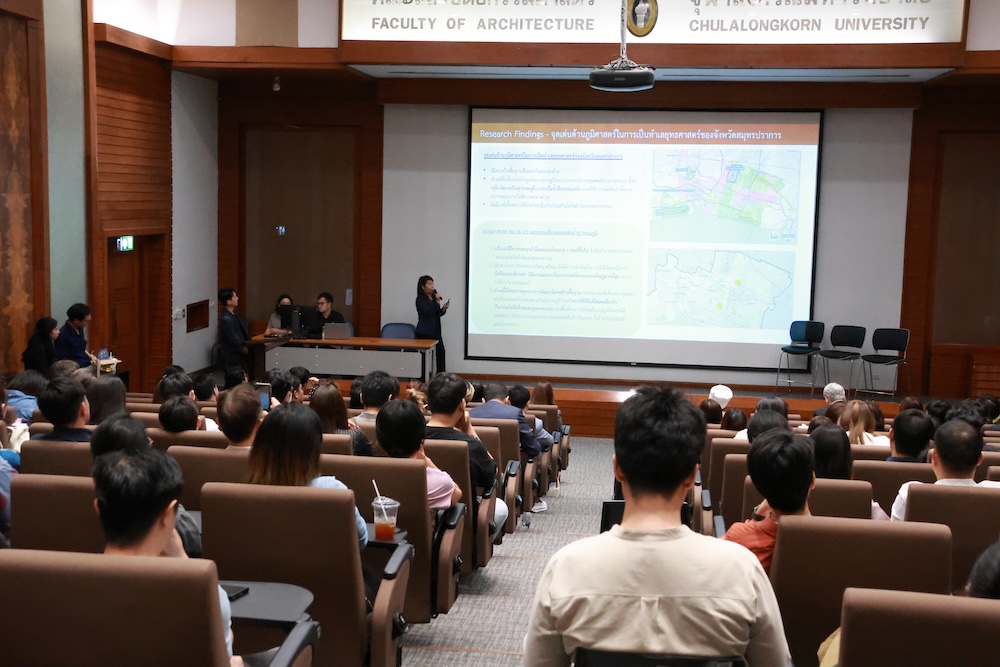
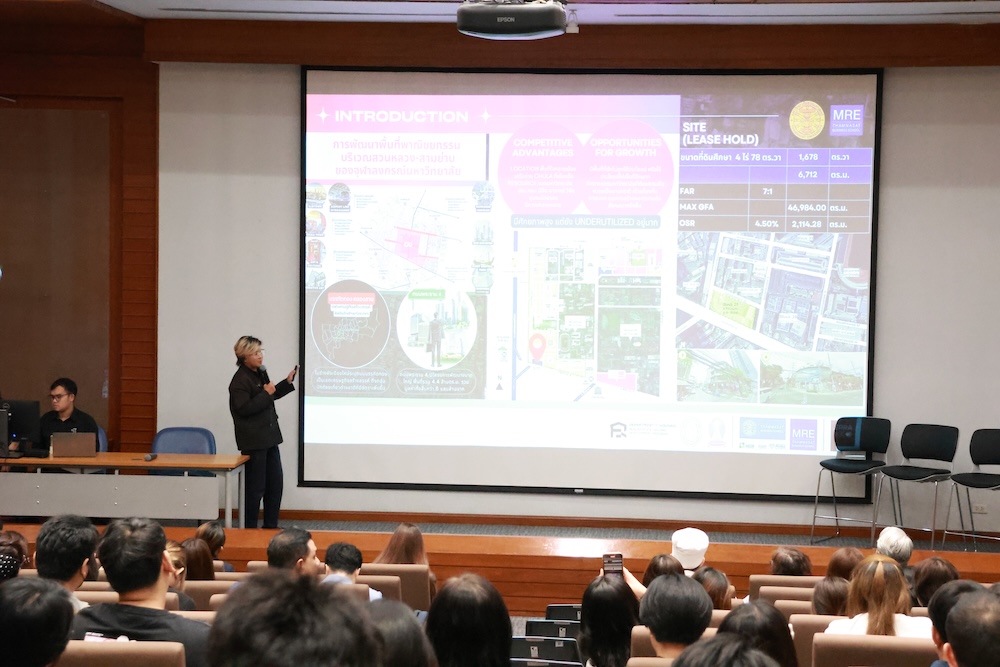
Manopart Jaroentip from MRE TU presented a feasibility study for developing commercial areas in the Suan Luang-Samyan area. Download Document Click
The Samyan area, located in the city center, has a strong CHULA network but still has many underutilized areas. It also has a diverse community filled with university personnel, students, and large offices accommodating many workers, making the Samyan area highly potential but still UNDERUTILIZED.
Considering the importance of SERVICE APARTMENTS, it was found that during the COVID-19 pandemic, 80% of service apartments in Bangkok remained operational, with occupancy rates dropping by 30%, while most hotels in Bangkok temporarily closed. Hotels that remained open saw an average occupancy drop of nearly 50%. Additionally, the NEW NORMAL allowed many service apartments to hold hotel licenses, enabling them to compete directly with hotels for daily rentals, balancing long-term and daily stays to maximize revenue, with daily rates per square meter being approximately 30% higher than monthly rental rates (CBRE THAILAND, 2025).
Thus, service apartments reduce the risk of project development by combining strengths and closing weaknesses between condominiums and hotels, with notable aspects including:
- Flexibility and adaptability in crises, reducing reliance on a single tourist group and increasing consumer options.
- Main customers are long-term residents, ensuring stable income.
- Ability to increase revenue from flexible space usage.
- Accommodates new customer behaviors seeking to "live + work" in one place, such as the Workation group.
From the study, CUSTOMER TARGET is 50% LONG STAY (>30 DAYS) and 50% SHORT STAY (<30), with services and structures supporting remote working increasing.
Leading to the development of the 29 SAMYAN HOTEL & RESIDENCE BANGKOK project, which offers various accommodation types, from studios to 3-bedroom units, emphasizing stylish design, energy flexibility, and meeting spaces to connect various businesses with the university.
- A 36-story reinforced concrete building.
- On a plot of 4-0-78 rai (1,672 square wah).
- Usable area of 46,984 square meters (EFF. 56%).
- Room types include STUDIO (33 SQ.M.) 162 rooms, 1 BEDROOM (42-45 SQ.M.) 226 rooms, 2 BEDROOM (90 SQ.M.) 60 rooms, and 3 BEDROOM (123 SQ.M.) 12 rooms.
- Parking for 402 cars (according to law 392 cars), with 8 electric vehicle charging stations.
Average long-term room rate is 1,156 BAHT/SQ.M. or 54,600 B/MONTH.
Average short-term room rate is ** 1 BEDROOM (45 SQ.M.) 2,600 BAHT/NIGHT.
Interesting aspects include:
- Flexible services reduce risks from customer usage changes.
- Various additional services can be selected as needed, without paying for unused services.
The 29 SAMYAN HOTEL & RESIDENCE BANGKOK project has a total investment value of 4.7 billion baht, with a 30-year land lease.
UPFRONT FEE 10% of land value, GRACE PERIOD 4 YEARS.
NPV 669,546,795 baht.
IRR 12.65% > Discounted Rate 8.59%.
PAYBACK PERIOD 11 years and 11 months.
Conclusion
- The development of service apartments and commercial areas supporting the Bleisure (Business + Leisure) concept can be applied to Chula's areas or universities in other cities to enhance the value of commercial properties while supporting practical learning and entrepreneurship for students in real environments.
- This type of MIXED-USE project serves as a mechanism linking the university with the surrounding community sustainably, in economic, social, and environmental dimensions, as part of a Lifelong Learning Ecosystem driven by Sustainability & Innovation-Driven Development concepts.
Poster Round 3 - Sustainability Category
Porapak Leelasuwanakul from MHD CHULA presented on the application of ESG sustainability strategies in mixed-use projects involving shopping centers, offices, and hotels, using Central Pattana Public Company Limited as a case study. Download Document Click
ESG is not new in the real estate industry, similar to the emergence of Mixed-Use. However, not every company can implement ESG. Government policies and each company's policies aiming for ESG have led to studies on how real estate companies like CPN implement ESG at the project level, such as the large-scale Central World project, and how to transfer the organizational ESG concept to the project level.
Patrada Chobvijarn from MRE TU presented a feasibility study for renovating shophouses in the Si Phaya area.
This piece of work explores the Si Phaya area, located in the city center and filled with long-standing traditional shophouses, through analysis in all dimensions, including legal, marketing, and financial aspects, to find out whether shophouses over 40 years old can be revitalized through renovation and restore the heart of this area. Download Document Click
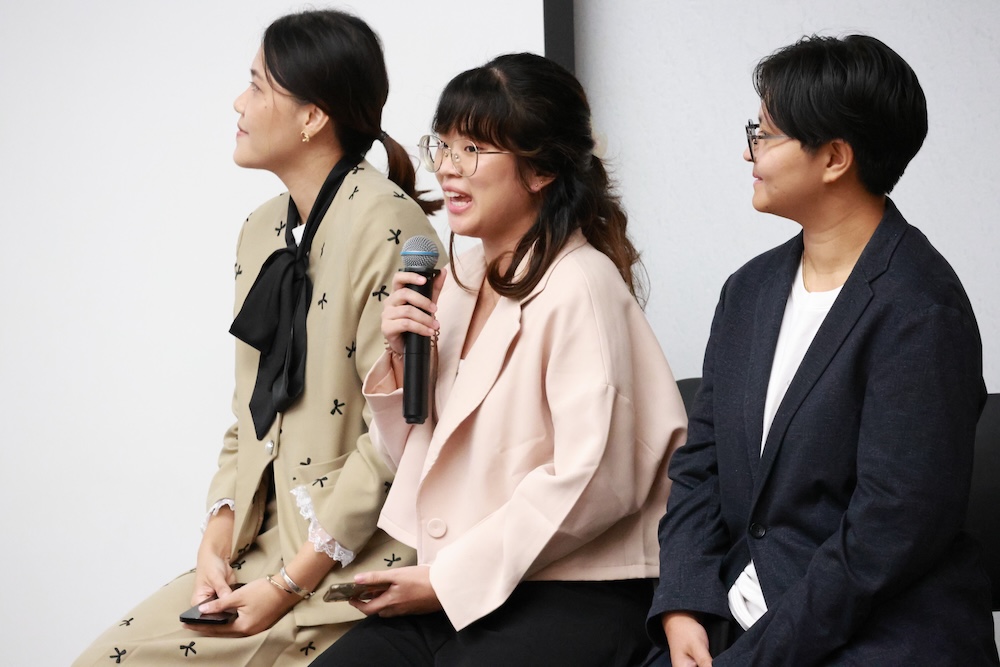
Group Project from MRE TU presented on developing real estate projects near urban rail stations in Bangkok.
As Bangkok plans to develop around the subway lines (TOD), such as Bang Sue and Makkasan, the idea of developing projects in a Mini CBD format arose, particularly in the Wongwian Yai area, which connects the old city with modern commercial areas. This led to the concept of developing Wongwian as a TOD for the Thonburi side and a model for future Mini TOD developments. Download Document Click
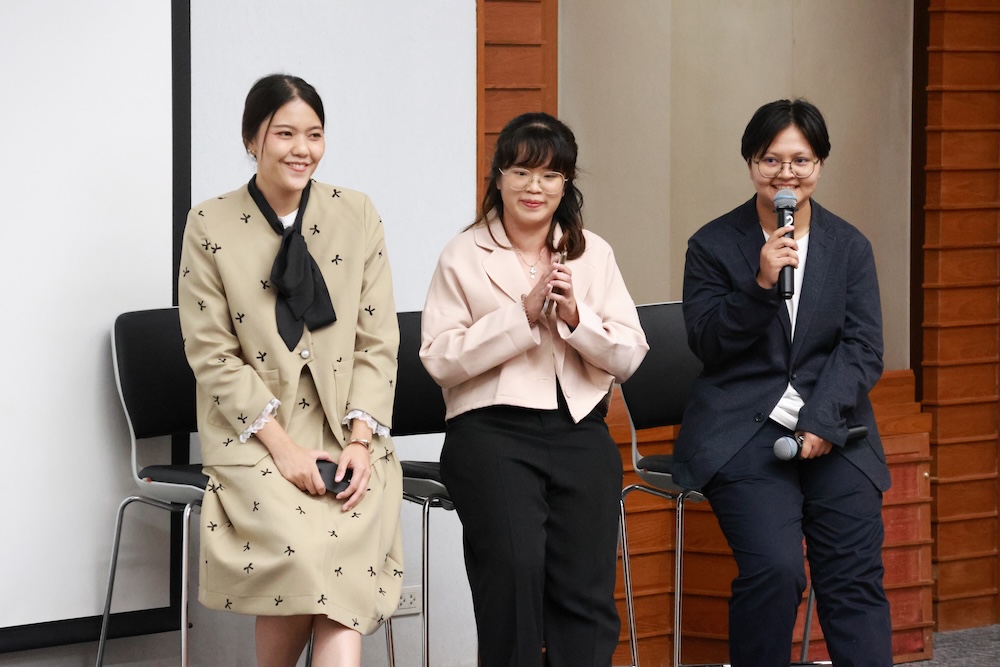
On Stage - Sustainability Category
Patrakany Lhaideedi from MRE TU presented a feasibility study for developing and improving old commercial buildings in Bangkok into environmentally friendly residences. Download Document Click
This study arises from three main issues:
- Housing prices in Bangkok are too high to purchase.
- There are many old shophouses, and their decline is due to the reduced necessity for storefronts from the growth of online businesses.
- Changes in Bangkok through the BKK Green 2030 project aim for sustainability, with a goal of increasing green space to 10 square meters per person, currently achieving 7.49 square meters per person, and a tree canopy target of 30%, currently at 17%, with 141 parks connected within 15 minutes or 800 meters, achieving only 50% of the target.
It was found that in 2024, consumer behavior shows a decrease in the desire to buy new homes and an increase in the desire to rent due to insufficient savings, with a rental budget not exceeding 10,000 baht per month, seeking ready-to-move-in residences within 6 months to 2 years, along with a trend towards environmentally friendly housing.
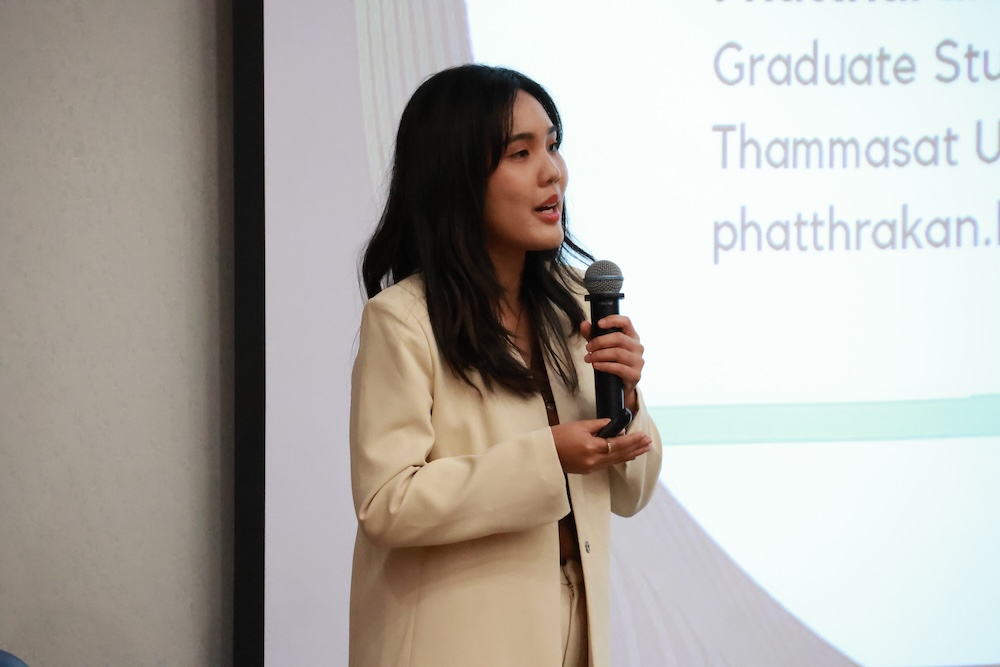
Suitable areas were found in the CBD, such as Phaya Thai district, which has many offices but limited housing supply. A mini questionnaire of 52 people from condominium and apartment renters in Bangkok revealed that:
- Most live alone.
- The most suitable room size is 30-35 SQ.M.
- Common areas are used for exercising, receiving packages, and relaxing.
- General expectations include ventilation systems, solar cells, eco-friendly construction materials, and the last two priorities are energy-saving devices and green spaces.
- 63% of apartment renters do not own cars and are okay with no parking in the project in exchange for lower rent.
Thus, the project THE BOUND @ Pradipat 20 The Green Residence was born:
- The project is located on Pradipat Road, Soi 20, in an old 3-story shophouse over 300 years old, renovated to modern standards, currently partially abandoned.
- The building consists of 24 shophouses.
- The total project area is 1-0-59 rai / total usable area of 3,579 square meters, located in Phaya Thai district, surrounded by over 37 headquarters with more than 165,000 employees, and serves as a hangout for both Thai and foreign tourists.
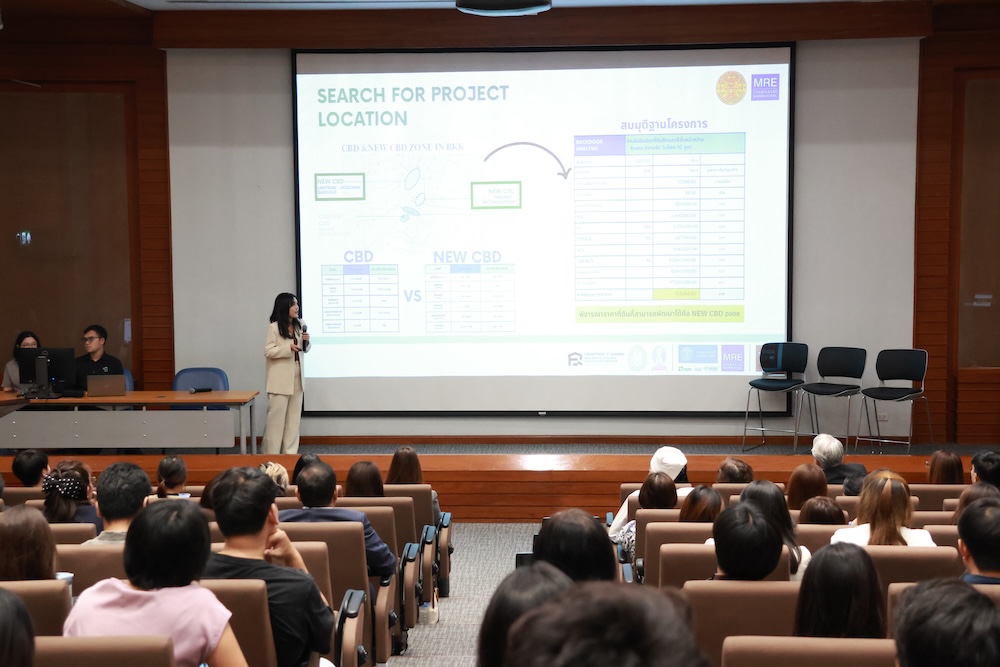
In terms of design, the URBAN OASIS is a green space in the city center:
1st Floor: COMMERCIAL SPACE with 16 units (café, restaurant, CO-WORKING, STUDIO OFFICE).
2nd-3rd Floors: RESIDENTIAL with 64 rooms (size 25.3 - 42 square meters).
ROOFTOP: OUTDOOR CO-WORKING, SKY JOGGING, URBAN FARM.
COMPETITOR WIN STRATEGY
- In terms of residential rental, the rental price is 2,000 baht lower than competing condominiums (competitors above 50-600 baht per square meter and competitors below 440-450 baht/square meter).
- Commercial rental space is slightly cheaper than competitors, with an average price of 1,400 BAHT/SQ.M.
In summary, this project has financial feasibility:
NPV = 21.8 MB
INTEREST RATE OF RETURN (IRR PROJECT LEVEL) = 10.88 > WACC 6.08
INTEREST RATE OF RETURN (IRR EQUITY LEVEL) = 7.66%
PROFITABILITY INDEX = 1.35 times
PAYBACK PERIOD = 7 years and 8 months.
This project also contributes to providing housing in the city.
On Stage - Sustainability Category
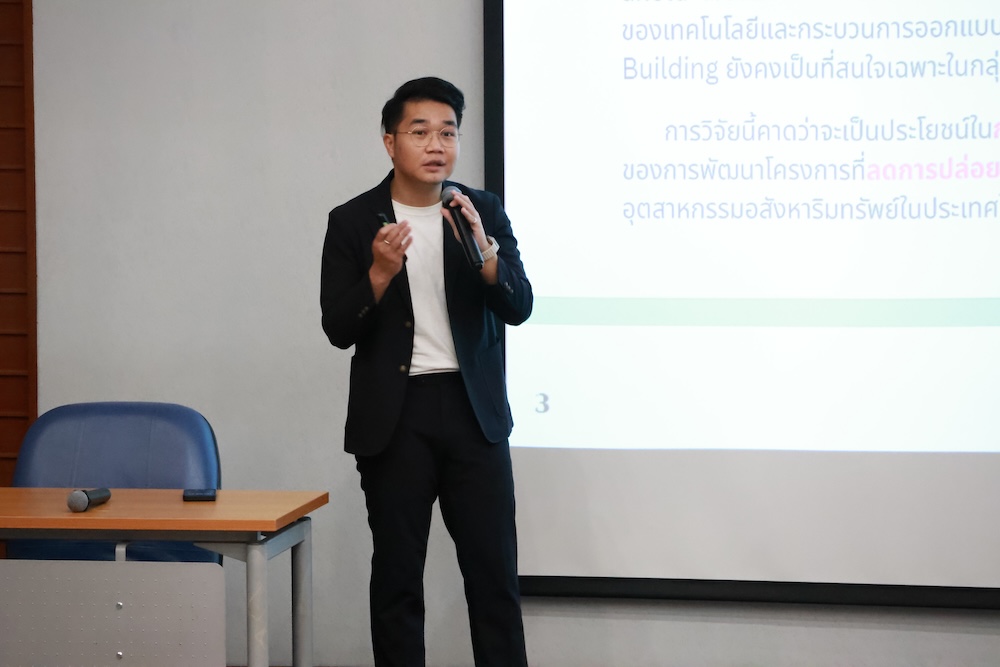
Sathaporn Kanchoong from MRE TU presented on factors influencing the decision to develop Net Zero Buildings by real estate developers in Thailand. Download Document Click
Net Zero Issues
- Climate change has become a significant issue globally, with countries setting a crucial goal of achieving net-zero greenhouse gas emissions by 2050. Thailand has set its own target for achieving Net Zero by 2065.
- The real estate and construction sectors contribute to 40% of greenhouse gas emissions across all industries, primarily due to energy use in building construction, operation, and maintenance.
- In Thailand, only a few real estate developers prioritize developing Net Zero buildings due to high construction costs, technological complexity, and the design process of Net Zero buildings, making it a focus only for those knowledgeable in the field.
By collecting primary data through questionnaires sent to a sample group of real estate developers, project consultants, designers, sustainability developers, and finance professionals, totaling 385 samples in Bangkok, it was found that the decision to develop Net Zero Buildings is influenced by three main factors, with 43.3% being:
- Physical building factors.
- Financial factors.
- Policy factors.
It was also found that 10 factors impact the dependent variable, with engineering systems having the most significant effect, followed by increased costs, government policy, building age, financial returns, international climate change agreements, and other financial and investment incentives.
Conclusion
1. Real estate developers in Thailand should utilize data on factors influencing investment decisions in Net Zero Carbon Building projects to plan and develop projects aligned with Thailand's real estate market trends, covering physical building aspects, financial viability, and government policy factors. This research can help developers adjust their business strategies accordingly.
2. For the government, the findings from this research can be used as data to formulate policies and measures to support the development of Net Zero Carbon Building projects more effectively. Understanding the factors influencing developers' decisions will help the government create targeted incentives, such as tax benefits or financial support, to encourage investment in these projects.
Additionally, the research results can help the government assess challenges that may arise from implementing various measures, such as carbon tax policies or sustainable building design requirements, which will improve and develop policies suitable for Thailand's real estate and effectively drive the country towards the Net Zero (GHG) goal by 2065.
Poster Round 4 - Inclusion Category
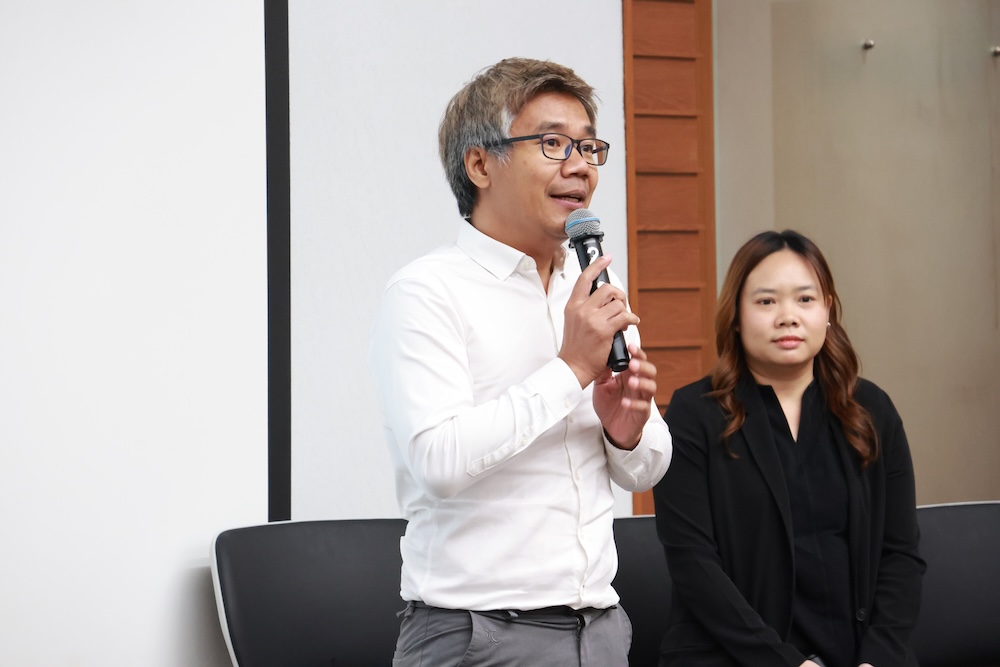
Group Project MHD CHULA presented on Green Grove Ramintra.
This study focuses on the Ramintra community, particularly the Mai Lap station, addressing existing issues related to housing forms and building types by incorporating the Green Concept into the project, considering the benefits of connectivity to various roads, such as Theprattana Road above. The ability to access the land from all directions increases its value and allows the community to utilize the land collectively. Download Document Click
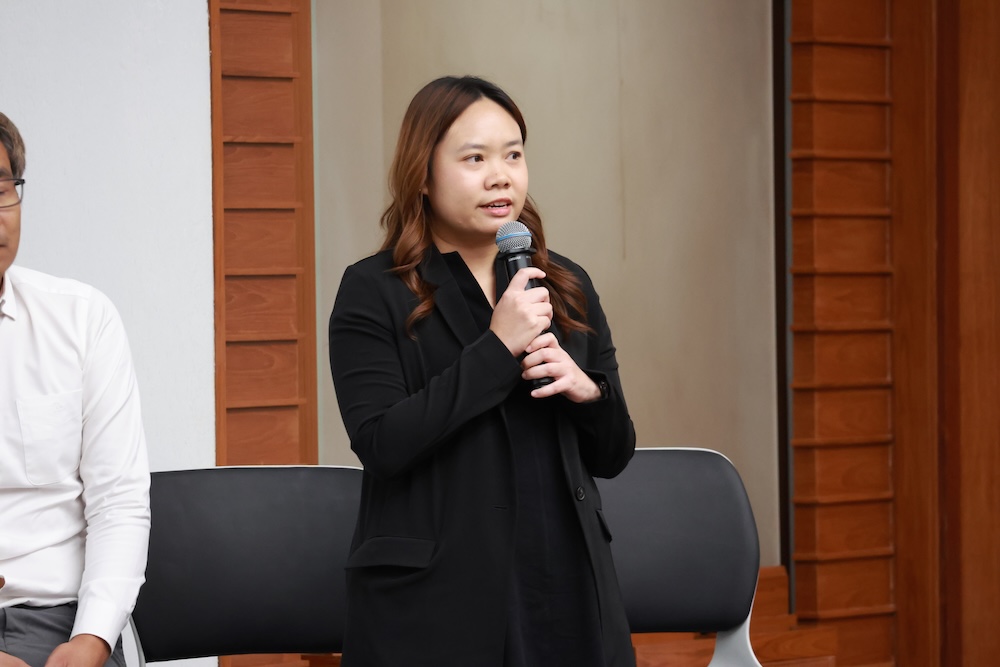
Amoraphorn Kaikham from MRE TU presented on the motivations of existing residents influencing the development of housing projects on land owned by the Crown Property Bureau: a case study of the Theppharat community in Klongtoey, Bangkok.
The Theppharat community is located on Rama 4 Road, which is the CBD of Bangkok, surrounded by large-scale projects, impacting the community both physically and socially, particularly for low-income residents hidden within the community. This study focuses on the participation of residents in the community, which is a crucial factor in sustainable urban development. The most influential factor is environmental development and improving the quality of the environment. Download Document Click
On Stage - Special Topic Category
Songphon Suradech from MHD CHULA presented on legal issues related to converting office buildings into residential buildings, using the Sathorn-Chao Phraya condominium as a case study. Download Document Click
Advantages of building conversions in terms of SUSTAINABILITY
- Cheaper than building new structures by 130%.
- Can be completed faster than new constructions.
- Preserves the original unique characteristics.
- Aligns with ESG principles.
- Can reduce greenhouse gas emissions by up to 254%.
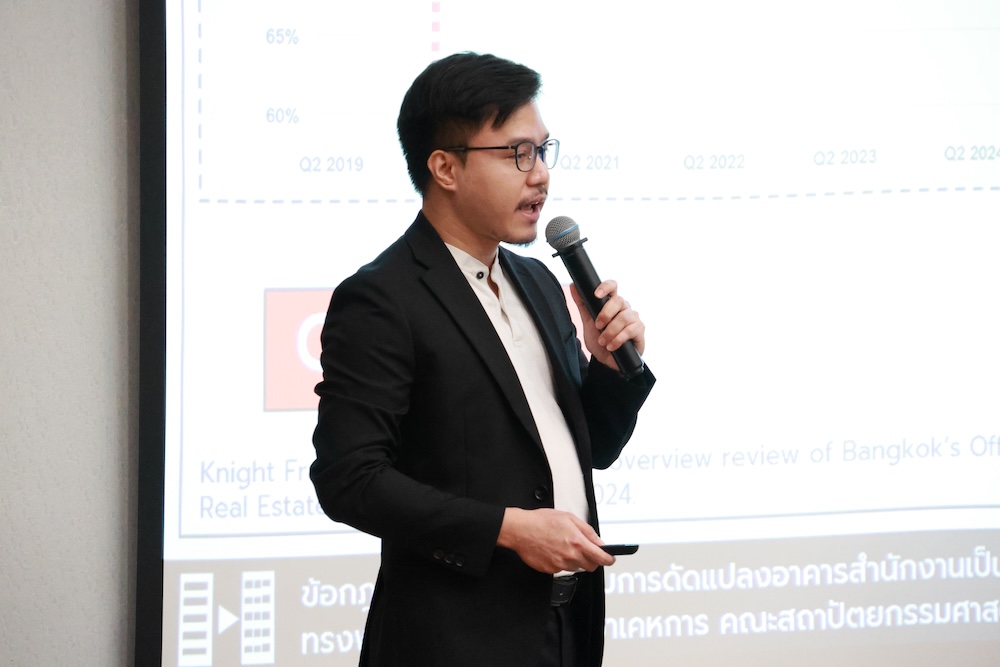
Key considerations for conversions include law, finance, techniques, usable space, and history.
Legal considerations must be prioritized before addressing other aspects, especially Thailand's complex and numerous building control laws.
The scope of this research focuses on laws related to the usable space benefits of office buildings and residential buildings under the Building Control Act B.E. 2522 and other relevant laws concerning high-rise and large buildings in Bangkok. Preliminary studies identified three buildings in Thailand that have undergone conversions:
- 15 Sukhumvit Residence
- The Lakes
- Sathorn-Chao Phraya Condominium
The Sathorn-Chao Phraya Condominium has the most accessible information for comparing details before and after conversion, leading to further study.
The Sathorn-Chao Phraya Condominium is located on Charoen Nakhon Road, Klong San district, Bangkok, covering an area of 3-1-31 rai, with a height of 37 stories and 2 underground levels, reaching a height of 141.40 meters and a usable area of 80,536 square meters.
- Initial license in B.E. 2533.
- Conversion license in B.E. 2547.
In studying the relevant legal issues regarding building conversions, it was found that 32 laws and over 81 legal provisions are scattered across various documents, leading to:
• Dispersed laws
- Legal provisions are spread across many documents.
- Content often overlaps.
- This can lead to misinterpretation and misuse, such as fire safety regulations found in multiple ministerial regulations.
When categorizing the importance of legal provisions and developing residential buildings alongside office buildings, they can be divided into three parts:
• Residential buildings have more requirements than office buildings, including:
- Outdoor space.
- Bathrooms.
- Unit sizes.
• Equal requirements for both types include:
- Fire escape routes.
- Internal corridor sizes.
- Fire protection systems.
- Building envelope (glass specifications).
- Fire elevators.
- Disabled parking.
- Vehicle maneuvering space.
- Car parking sizes.
- Safety measures.
- Building alignment.
- Plumbing systems.
- Front yard space.
- Electrical systems.
- Land width.
- Wastewater drainage.
- Building area ratio.
- Air conditioning and ventilation systems.
- Building setbacks.
• Residential buildings have fewer requirements than office buildings, including:
- Car parking.
- Load-bearing capacity.
- Waste management.
- Lighting.
- Vertical clearance.
In summary, legal provisions for building conversions and enforcement
- Laws are continuously changing and becoming stricter.
- Enforcement aims to ensure user safety.
- Laws have exceptions to keep pace with current situations.
It was found that in developing residential projects, the target criteria for residential buildings exceed those for office buildings, necessitating a study to prioritize legal considerations. Ultimately, it is hoped that this work can expand the scope and simplify the management of legal provisions.
On Stage - Affordability Category
Jitakorn Payakso from MRE TU presented on developing and managing housing projects for low-income individuals by Bangkok Metropolitan Administration. Download Document Click
Bangkok consists of a total of 2,003 communities, with 640 overcrowded communities and 400 encroaching communities.
*** Source: Community Development Office, Social Development Department, Bangkok, 2025.
Bangkok ranks first in the province with the highest floating population, divided into:
- Daytime floaters are those who work or study in a daily commute between Bangkok and their home provinces, approximately 44.7%.
- Nighttime floaters are those who reside in Bangkok but are not registered, accounting for 33.4%.
*** Source: National Statistical Office.
It was found that:
• Bangkok has a large number of floating populations and low-income individuals.
• There are authorities and relevant agencies, but operations are separated without a central system.
• There are gaps in access to projects and management.
This led to the study of two interesting issues:
- What should Bangkok's role be in developing housing for low-income individuals?
- What should the housing forms for low-income individuals be under Bangkok's development and management?
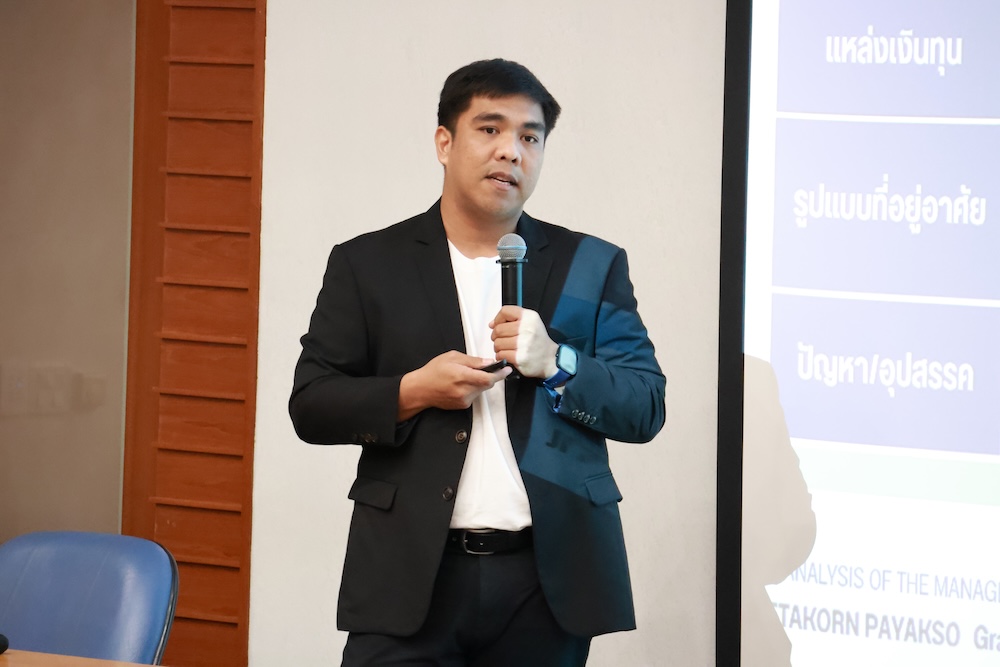
The qualitative survey involved in-depth interviews with 6 individuals and quantitative surveys with 416 individuals. The survey found that housing projects for low-income individuals can be categorized into four types:
National Housing Authority (Auearthorn)
- Development concept focuses on distributing affordable housing for accessibility and using technology to reduce costs.
- Management by juristic persons or outsourcing to external companies.
- Funding sources include partial government subsidies and low-interest loans for room purchases.
- Housing forms include 5-story buildings without elevators, with areas of 23-33 square meters.
- Issues/obstacles include lack of maintenance budgets, outstanding common fees, conflicts with tenants, etc.
Poch (Stable House)
- Development concept emphasizes community ownership, developed by the poor themselves.
- Management by community committees, ensuring transparency and accountability.
- Funding sources include subsidies from Poch, low-interest loans, and community co-funding.
- Housing forms include row houses, detached houses, and high-rise buildings, with sizes ranging from 28-56 square meters.
- Issues/obstacles include land ownership problems, limited budget delays, and limited community knowledge.
Private sector, such as Yuu Ruay / Plearn Plearn
- Development concept focuses on low-cost housing that meets real-life needs.
- Management by professional companies or juristic persons with comprehensive management and standard systems.
- Funding sources include private investments, BOI benefits, and easy installment sales.
- Housing forms include low-rise condos with furnishings, ranging from 22-52 square meters.
- Issues/obstacles include high density, hidden maintenance costs, and limited common areas.
Bangkok, such as residential buildings / welfare
- Development concept focuses on housing welfare for personnel, civil servants, and employees.
- Management by Bangkok through internal agencies, such as the Housing Development Office and Personnel Bureau.
- Funding sources include Bangkok's budget and income from rents and maintenance fees.
- Housing forms include civil servant flats of 30-70 square meters.
- Issues/obstacles include limited budgets, lack of land, and inadequate long-term maintenance systems.
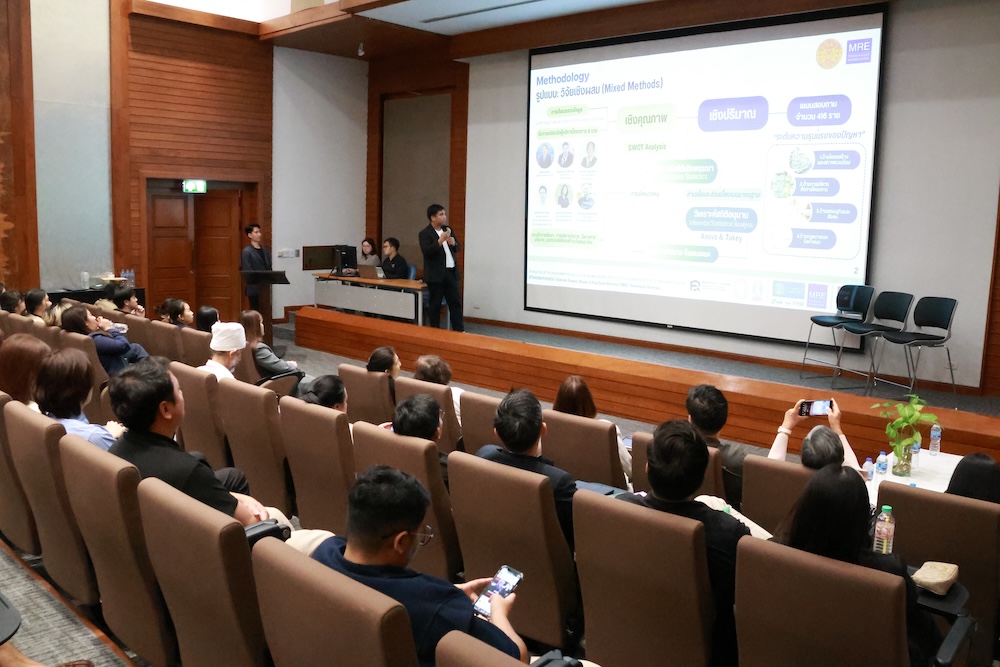
In summary, the quality of life for residents is influenced by physical structure, management systems, economic burdens, and housing rights, which differ by project type (government-private-community).
If the management system is professional and continuous, it will positively impact residents' quality of life, particularly in environmental conditions, safety, and daily convenience, as well as budget stability and long-term support mechanisms. These are crucial factors for maintaining buildings and common areas, directly affecting project sustainability. Bangkok can change its role to connect the entire system effectively.
Key issues reflected from the research findings include identifying systemic gaps, such as the lack of a central agency or platform to coordinate cooperation among various agencies involved in urban housing development, whether public, private, or community.
Bangkok's key role in important issues includes:
- Lack of long-term policy frameworks, with no continuous master plan, leading to project unsustainability.
- Organizational structure does not support this; there is no specific agency responsible for housing in a systematic manner.
- Management is ad hoc; past projects cannot be scaled at the city level.
- It is proposed that Bangkok change its role to become a "platform coordinator" from a provider to a mediator connecting the government, private sector, and communities.
- Develop a "joint data system" and "flexible policies" to distribute resources according to the context and capabilities of each stakeholder, creating "strategic vacant land" to address systemic gaps that Bangkok can effectively fill.
Poster Round 5 - Special Topic
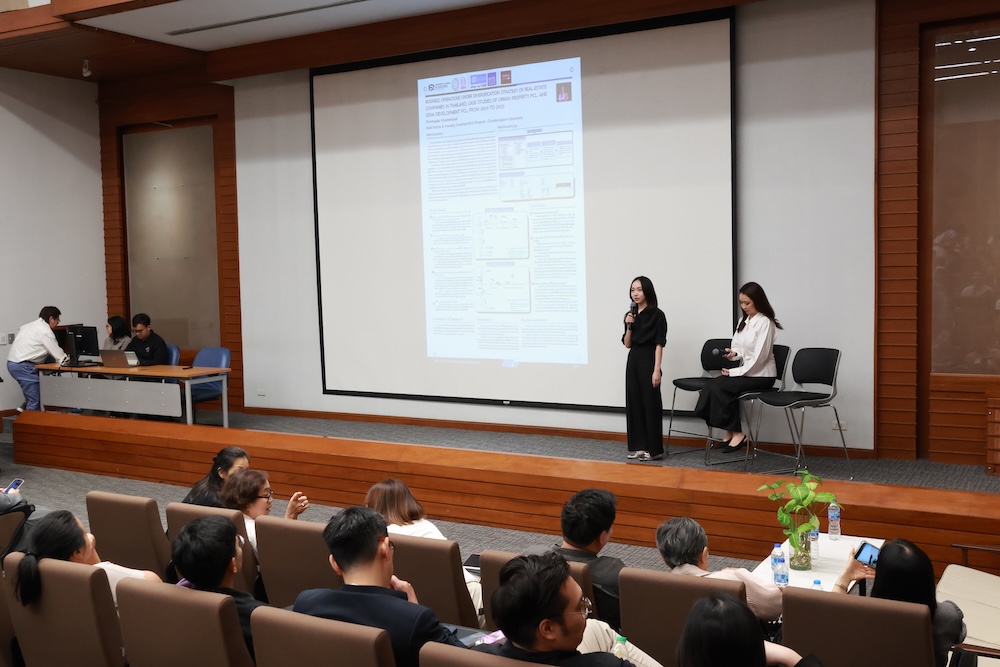
Pimamata Chammasak from MHD CHULA presented on conducting business under the diversification strategy of real estate development companies in Thailand, using Origin Property Public Company Limited and Sena Development Public Company Limited as case studies from 2019 to 2023.
Both companies began diversifying their businesses from the early stages of their operations, with different goals influencing their business relationships and perceptions of diversification. The forms of business diversification depend not on the nature of the business but on each organization's strategy for developing new businesses. Download Document Click
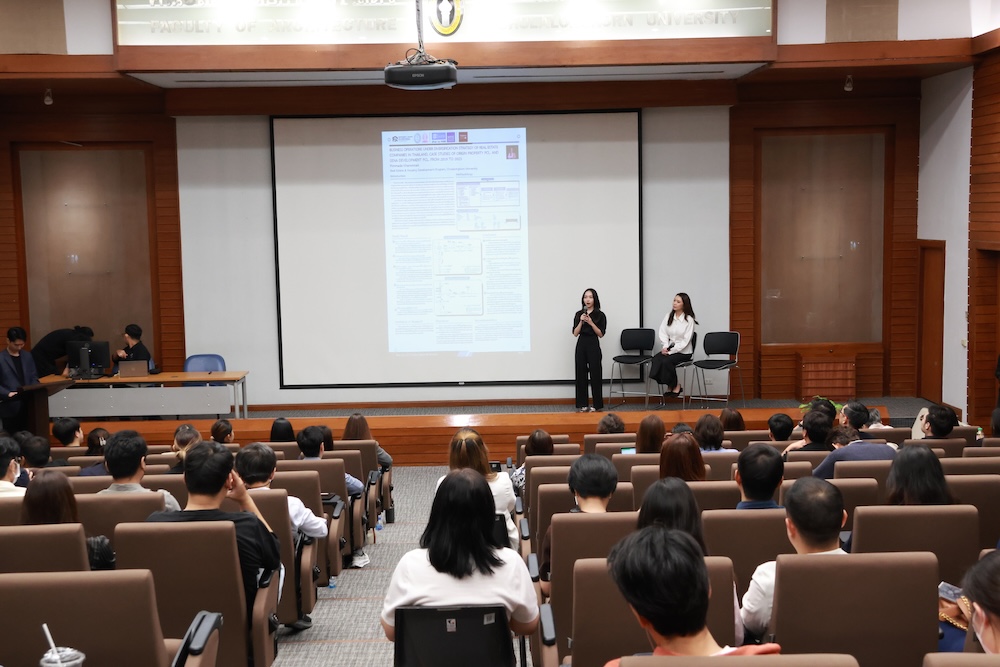
Pakkita Pangputtipong from MHD CHULA presented on the marketing strategies for pool villa vacation homes by registered real estate development companies in Thailand, focusing on the Hua Hin area in Prachuap Khiri Khan province.
Traditionally, we are familiar with the Hua Hin Pool Villa business by local operators. However, after COVID-19, many real estate developers saw a gap and opportunity arising from the demand for vacation homes in coastal provinces.
The study found various factors, such as project location, directly affecting price levels. Projects near the beach can be priced four times higher. The customer base includes both Thai and foreign clients with differing demands, impacting design to meet those needs. Therefore, Pool Villas are not just ordinary houses but come with services to facilitate customers. Download Document Click
On Stage - Inclusion Category
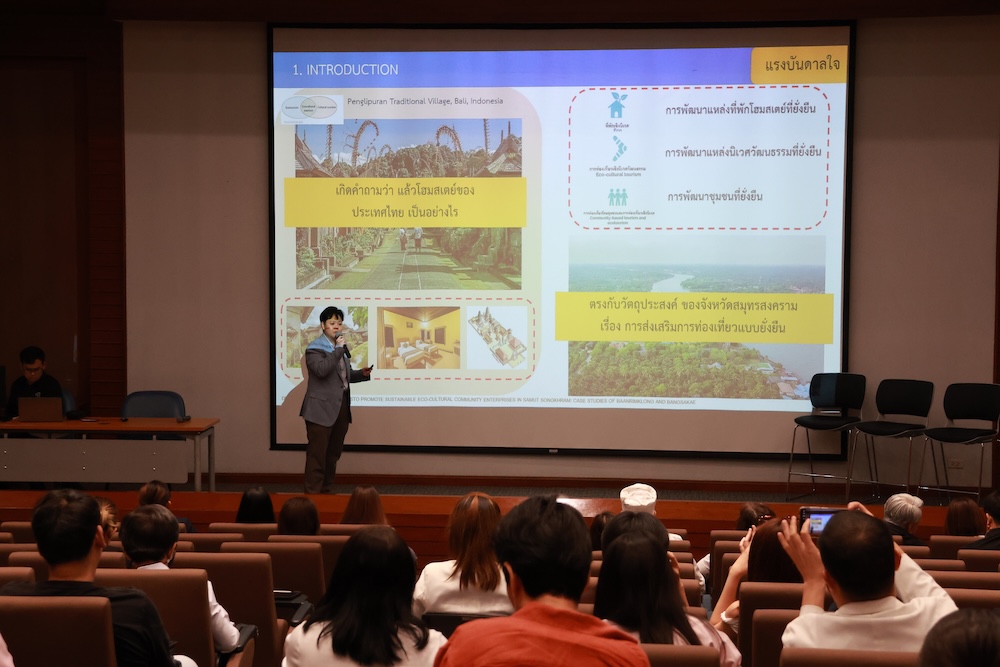
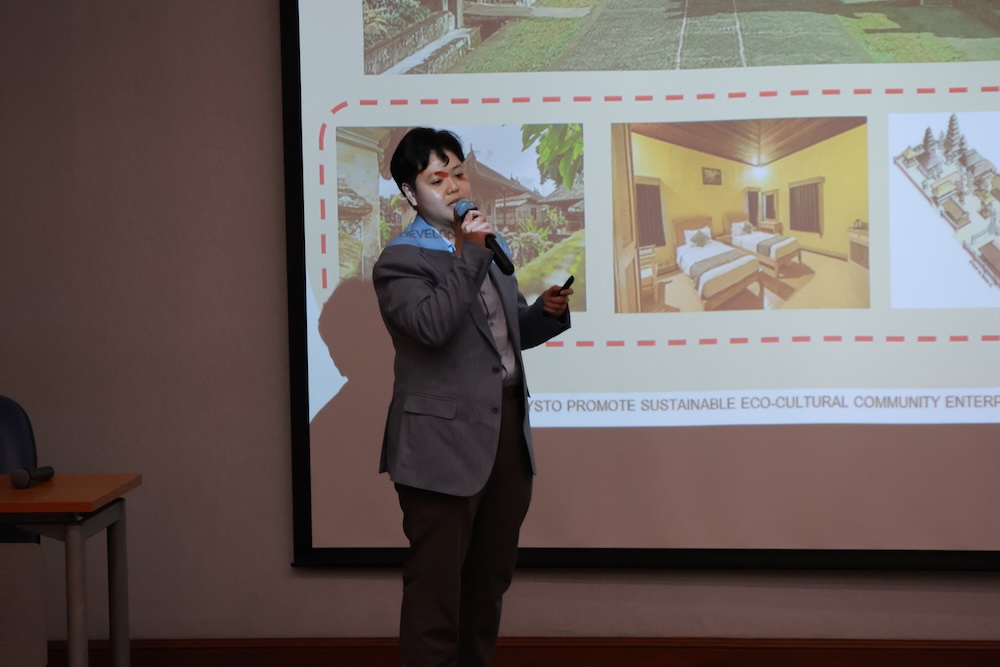
Wiphaida Raksasilp from MHD CHULA presented on developing homestay tourism to promote eco-cultural tourism in Samut Songkhram province, using the Rim Klong community and Bang Sakae community as case studies. Download Document Click
After visiting homestay projects in Indonesia, which successfully preserve ecosystems and cultures, the question arose about the state of homestays in Thailand.
The development of eco-cultural tourism involves three factors:
- Developing sustainable homestay accommodations.
- Developing sustainable eco-cultural sites.
- Developing sustainable communities.
This aligns with Samut Songkhram's objectives for promoting sustainable tourism, as it has a complete ecosystem of freshwater, brackish, and saltwater. Surveys from 2024 to the present show that the number of homestay groups has decreased from 8 communities to only 2:
1. Rim Klong community
2. Bang Sakae community.
The question is how to ensure that local homestays can generate income without negatively impacting culture and the environment?
The research framework will use real estate development as a guideline, starting from pre-development, during development, and post-development, with three main development criteria:
- Guidelines for developing homestay tourism.
- Guidelines for developing eco-cultural tourism.
- Guidelines for developing sustainable communities.
A total of 93 criteria will lead to becoming a homestay tourism destination promoting sustainable eco-cultural tourism.
Starting with the Rim Klong community, located along the Phikhlok canal, which has developed homestays since 1999, prior to community development. Subsequently, community development focused on promoting homestays, particularly in the last 15 years, totaling 26 years of development.
The operation and development of homestay accommodations, located in garden areas along the canal, include constructing new buildings to support homestay operations:
1. Managing living spaces.
- Adjusting the central area for tourism activities.
- Using traditional Thai-style mattresses and mats for resting in the central area.
- Providing indoor relaxation areas, such as the front porch extending to the canal.
2. Developing a contemporary two-story Thai-style accommodation structure.
- The ground floor is semi-open with 3 rooms and 3 separate bathrooms, accommodating the elderly.
- The upper floor is wooden, with 3 bedrooms, 3 bathrooms, and a covered porch.
The Bang Sakae community is also a canal-side community with a similar garden ecosystem. The community developed before establishing homestays, focusing on community development since 1995 and promoting homestays in the last 11 years, totaling 30 years of development.
The Bang Sakae community uniquely uses local houses as homestays, featuring both central Thai-style and local Thai-style houses. The operation and management of homestays include:
1. Preserving traditional Thai houses built before 1857 by maintaining the central Thai-style structure, including wooden walls, roofs, and high ceilings.
2. Adding suitable amenities for tourists, such as in-room bathrooms, laundry facilities, electrical systems, air conditioning, and clean water systems, along with separate service areas.
3. Landscaping around the houses to connect with the community ecosystem, surrounded by trees, gardens, canals, and waterways, providing a pier and kayak for tourists to paddle and enjoy the canal lifestyle, enhancing green space and water systems that harmonize with the original environment.
4. Adding two additional guesthouses to accommodate more visitors, with separate buildings from the main house to cater to diverse tourist groups and enhance privacy.
In terms of community development, homestay development, and real estate development, although both communities started their development in different ways, they have successfully developed in terms of tourist accommodation, eco-cultural dimensions, and sustainability.
In summary
The concept of community-based tourism (CBT)
- Despite different starting points, both communities have developed towards a common goal of "internal sustainability" under the clear CBT concept.
- The Rim Klong and Bang Sakae communities have formed groups and managed themselves.
- Tourism activities utilize local resources, such as learning how to make coconut-based desserts and agricultural activities in pomelo orchards.
- Income distribution to households through homestays, community products, and activities has fostered pride in culture and conservation of the three-water ecosystem.
Real estate development concepts
The weaknesses of both communities include:
- In marketing, publicity is still limited in reaching target customer groups.
- In investment and finance, communities have not analyzed long-term costs and returns, especially financial returns that can be reinvested in the community.
However, on the other hand, communities have high social and environmental returns, such as shared consciousness, preservation of traditional houses, and revitalization of traditional lifestyles.
Recommendations for becoming a sustainable homestay tourism destination
Physical aspects of the community
- Support the professional preservation of traditional Thai houses.
- Help homeowners understand balanced renovations in terms of health, safety, and local identity.
Investment aspects
- Communities should learn about cost-benefit analysis (in financial, social, and environmental terms).
- Create small business models that communities can understand and develop independently.
Marketing aspects
- Plan strategic publicity.
- Utilize digital channels and create a clear community brand.
On Stage - Affordability Category
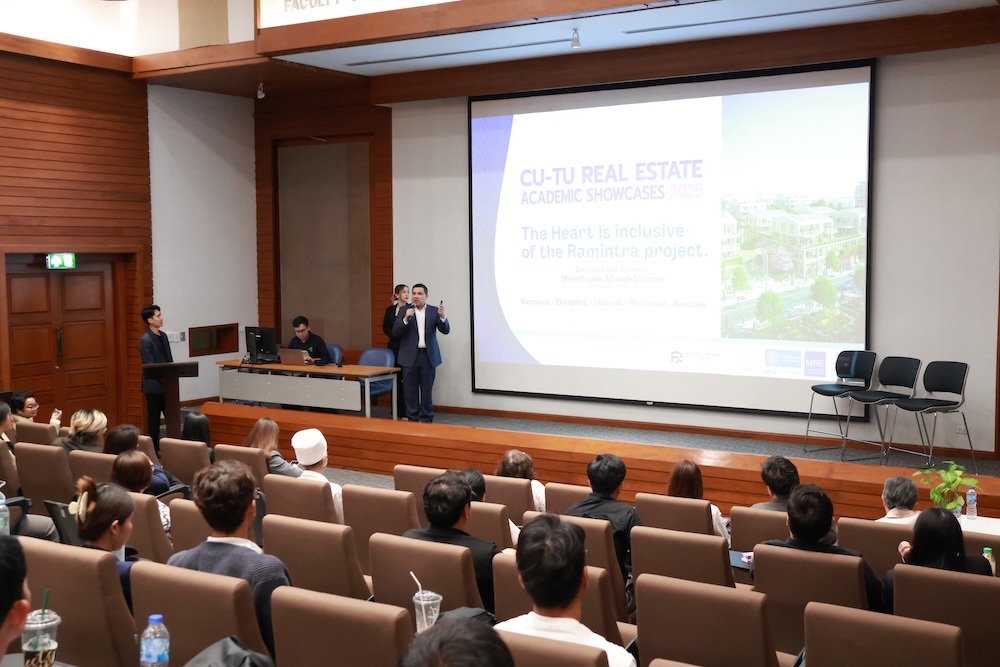
Group Project from MHD CHULA presented on The Heart is inclusive of the Ramintra Project. Download Document Click
This study focuses on housing for low-income individuals in the Kheha Ramintra community, located not far from Central Ramintra, close to several major roads, such as Ramintra Road, only 3 km from Theprattana Road, 4 km from Kaset-Nawamin Road, and between two stations of the Pink Line, namely Ramintra Km. 4 and Mai Lap stations.
After surveying the Kheha Ramintra community, it was found that:
- The structural condition is deteriorating due to nearly 50 years of use.
- It previously suffered damage from severe flooding in 2011.
- The project area is 1.5 meters below street level, leading to flooding and waste accumulation.
- There is a lack of maintenance and management.
The Kheha Ramintra community covers an area of 52 rai, consisting of 5-story flats in 8 buildings totaling 490 units and 2-story row houses totaling 322 units, making a total of 812 units. It was also found that there is a blind land area of 8 rai, priced at only 40,000 baht per square wah, while land adjacent to Ramintra Road is priced at 180,000 - 200,000 baht per square wah.
- The Bangkok transportation network development plan includes a new road cutting through the Theprattana Road to connect with new road lines and road line C.9 and K.1 to connect the roads.
Thus, the Group Project sees an opportunity beneficial to the Kheha Ramintra community, which is to cut a road through the community and build a bridge, allowing the community to benefit from the existing Bangkok budget development plan, reducing the costs of community development.
At the same time, it was found that the internal land plot is designed in a spider-web-like pattern, similar to Sukhumvit Road on the even-numbered side, flanked by Sukhumvit Road and Phetchaburi Road, with main roads or alleys like Thonglor and Phra Khanong.
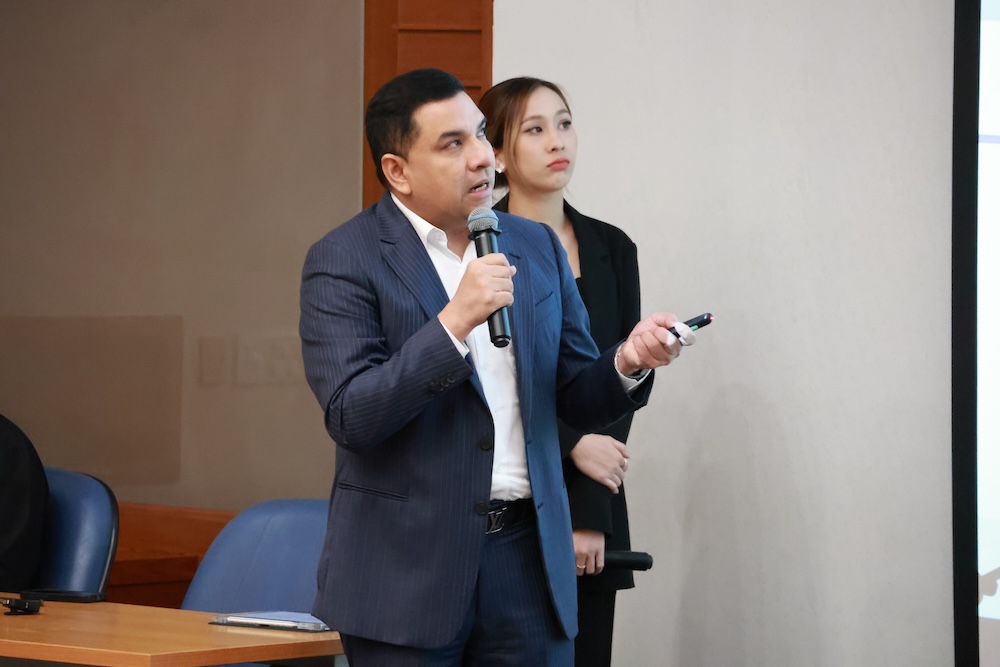
Thus, the project under the concept of Together, We Belong aims to create a space where everyone can live together without social limitations while coexisting harmoniously with nature, forming a "community of opportunities" where everyone can grow together without leaving anyone behind. This aligns with INCLUSIVITY - SUSTAINABILITY - COMMUNITY. The project is divided into four parts with land usage proportions as follows:
- Tempo Hotel & Retail: A 30-story, 3.5-star hotel with retail space, totaling 720 rooms.
- Heart of Residential: A central residential building considering community aspects, with a total of 4 buildings on a 4-story podium, totaling 1,134 rooms.
- Chan Condo BOI (Phase A): 3 buildings with a total of 1,545 rooms.
- Chan Condominium (Phase B): 3 buildings with a total of 990 rooms.
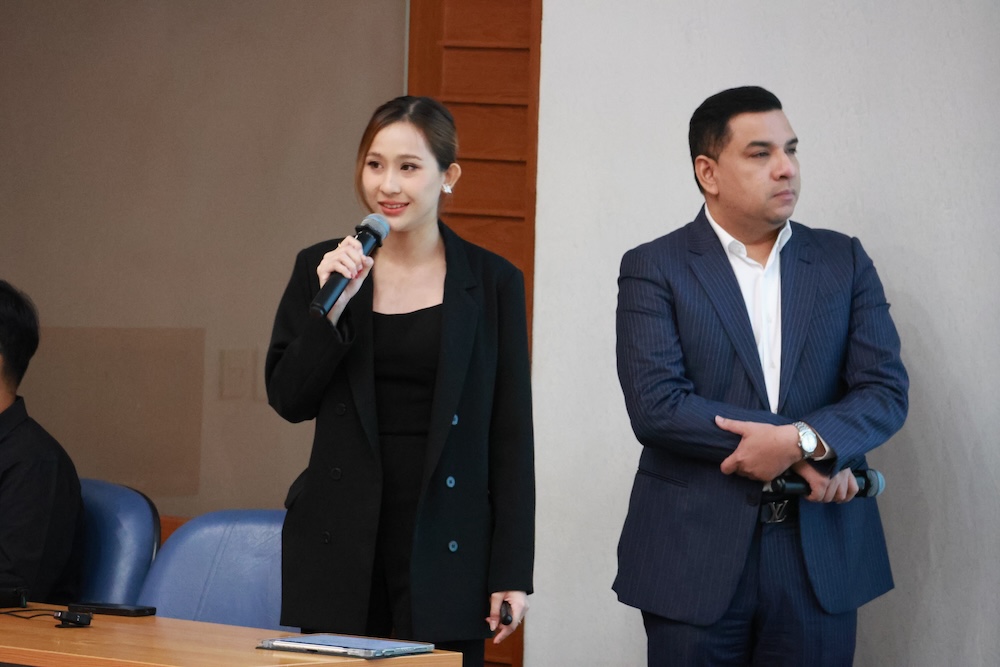
Policy recommendations for the government
Funding through ESG Bonds from the National Housing Authority involves issuing social bonds, which are part of debt securities that consider environmental, social, and governance (ESG) factors, aimed at raising funds for developing housing projects for low- and middle-income individuals.
Recovery and compensation plans for relocating existing residents of the Kheha Ramintra community project
- Participation Process.
- Housing Compensation.
- Financial Compensation.
- Occupation and Income Compensation.
- Social and Psychological Compensation.
Poster Round 6 - Special Topic
Poolpit Thongchai from MRE TU presented on the feasibility study for developing residential projects with a private airport in Pak Chong district, Nakhon Ratchasima province. This study arose from interest in developing a personal airport in Khao Yai, discovering key findings regarding real estate development related to the aviation sector. Download Document Click
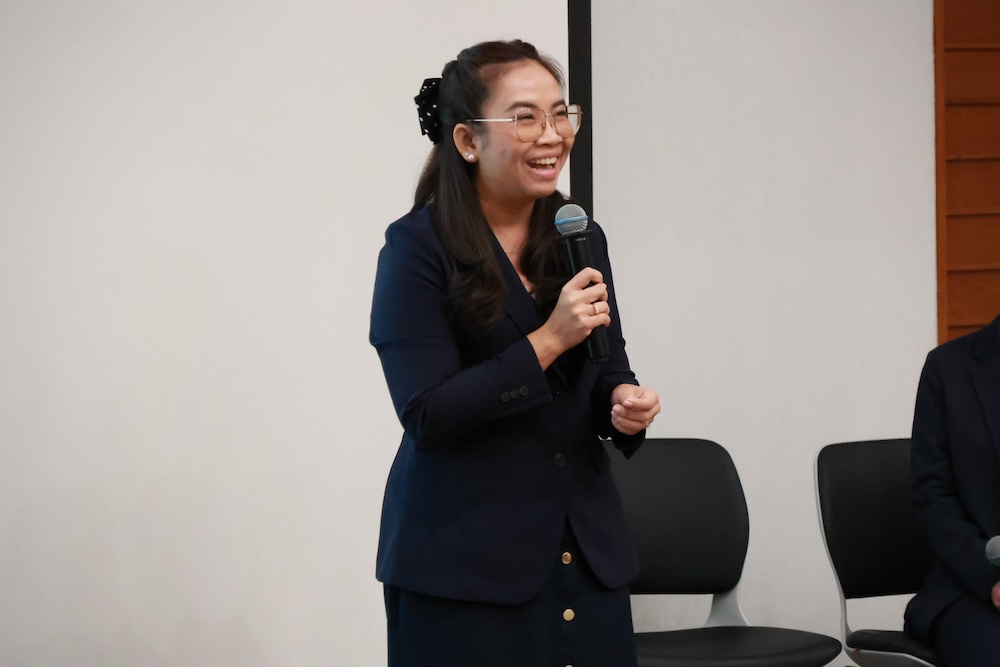
Orpachara Chulatit from MHD CHULA presented on the use of parking spaces in mixed-use projects at the Samyan Mitrtown project. The current trend in real estate development is increasingly mixed-use, while parking space is a crucial factor in ensuring sufficient and appropriate usage according to building types or large buildings. In reality, usage patterns often vary at different times across different areas. Therefore, the idea of shared parking should be considered in legal regulations to enhance the efficiency of parking lot usage and provide real benefits. Download Document Click
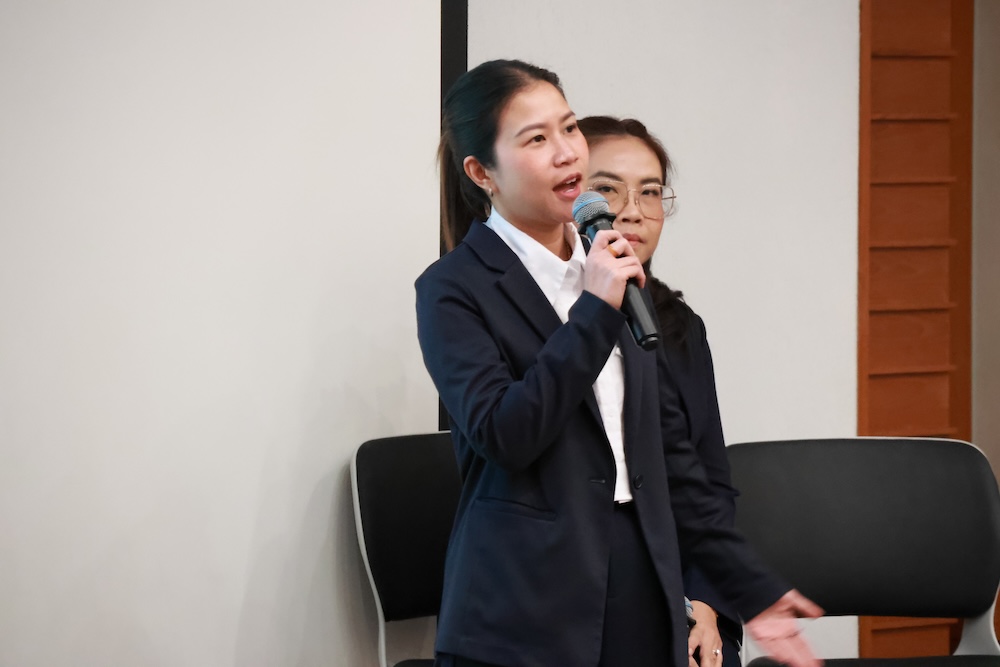
Poster Round 7 - Special Topic
Real Estate Development and Building Economics Course
under the INDA (International Program in Design and Architecture) CU
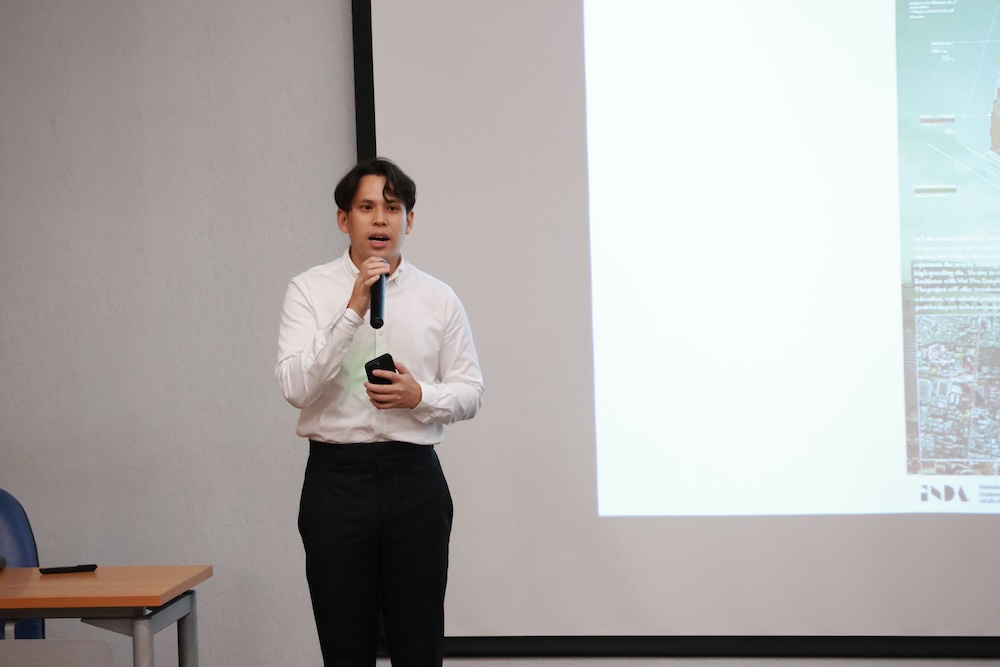
1. Development of a contemporary museum in a mixed-use format that connects public learning spaces with commercial areas to create social and economic value.
2. Designing mixed-use projects that promote cultural tourism (Temple - Cultural World Class Tourist Destination) to enhance community-level economies and convey local identity as the heart of development.
3. Developing riverside areas with a new concept (Tourist Membership Club) to create a central activity hub linking community economies with the city and tourists sustainably.
And this is the space where you will learn, exchange, and network to extend knowledge towards creating innovative real estate and housing development in a new context. See you again at the TU-CU Real Estate Academic Showcases 2026, hosted by MRE TU next time.