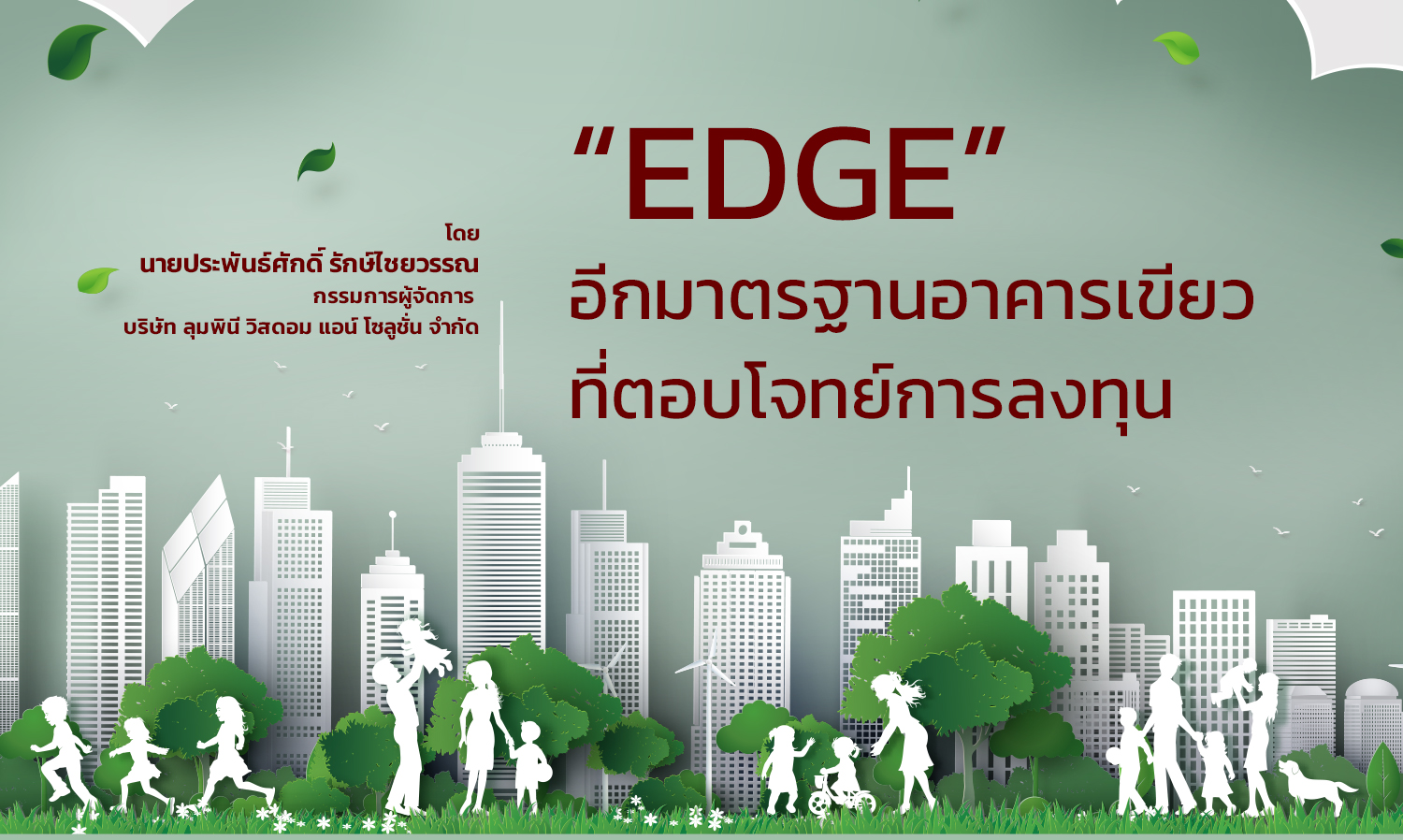
EDGE: A New Green Building Standard for Investment
Hello, February, the month of love! This month, many couples choose to get married and start families. One of the most important factors in building a family is "housing." Nowadays, there are various types of housing options available, including condominiums, townhouses, duplexes, and single-family homes. In addition to architectural choices regarding building design and functionality, today's homebuyers also prioritize purchasing residences that promote hygiene and a good environment. Currently, there are several standards for constructing housing that consider hygiene and environmental factors, such as:
LEED (Leadership in Energy and Environmental Design) is a building design criterion that considers the environmental impacts both inside and outside the building. This standard was issued by the U.S. Green Building Council and has been adopted in many countries. It includes evaluation criteria covering various building types up to city level, with a total of 9 assessment categories, such as selecting project locations that do not impact the environment, reducing water usage within the project, minimizing energy consumption in buildings, and creating plans to mitigate construction impacts. Projects must prepare documentation for assessment and submit it through the LEED website to apply for certification. New buildings that receive certification will obtain a permanent certificate that does not require renewal.
In Thailand, several buildings have received LEED certification, including office buildings and residential condominiums, such as the PTT Headquarters, Sansiri's 98 Wireless condominium project, and Park Ventures Ecoplex.
WELL Building Standard originated in Canada and was later developed in collaboration with the LEED standard developers from the United States, leading to the establishment of the IWBI (International WELL Building Institute). It is the world's first standard that emphasizes enhancing the quality of life for building occupants, allowing them to live in deteriorating environments. The main development criteria include indoor air quality, drinking water quality, lighting, and aesthetics within the building, with a total of 10 assessment categories. Projects seeking WELL certification must prepare evaluation documents and undergo on-site inspections by assessors, with certification renewal required every three years. Projects in Thailand developed under this concept include The Forestias by Magnolia Quality Development Corporation (MQDC).
Recently, there is EDGE (Excellence in Design for Greater Efficiencies), a green building standard and sustainable construction measurement that serves as an innovation for certifying excellence in building design for emerging markets by the International Finance Corporation (IFC), a member of the World Bank Group, which considers environmental impacts. EDGE shares scoring criteria similar to LEED, focusing on building designs that reduce environmental impacts and includes assessments for CO2 (Carbon Footprint) reduction. To achieve EDGE certification, projects must undergo document assessments and on-site evaluations similar to WELL, but EDGE certification is permanent and does not require renewal. The evaluation criteria consist of only 3 main categories, with a focus on material assessment that differs from other standards, emphasizing the energy embodied in the materials used within the project.
EDGE is a green building standard developed in 2015 and has been widely adopted across Europe, America, Asia, and Thailand. Its popularity is increasing because EDGE provides a permanent certification that does not require renewal, addressing the needs of real estate developers looking to enhance sustainability in their projects while ensuring a worthwhile investment that is suitable and quickly assessable.
The EDGE green building standard is designed to allow project developers or designers to evaluate various strategies for energy savings efficiently and quickly. It features a user-friendly application for easy assessment at no cost, focusing on energy savings in three areas: Energy Efficiency, Water Efficiency, and Material Efficiency.

1. Energy Efficiency
This category assesses the energy efficiency of buildings, which depends on the design and strategies that help reduce energy consumption, such as designing building openings, selecting glass, choosing materials suitable for the climate, using intelligent control systems in high-efficiency air conditioning, designing natural ventilation systems, and utilizing renewable energy.
2. Water Efficiency
This category addresses water usage efficiency, evaluating reductions in water consumption within the project, considering the amount of water used in the building, which is influenced by water-saving fixtures, and the amount of water used outside the building, particularly in landscaping.
3. Material Efficiency
This category discusses the selection of environmentally friendly building materials to minimize environmental impacts, assessing the embodied energy in various building components. The embodied energy is calculated based on the energy used in production, transportation of materials, and the construction and demolition phases of those materials.
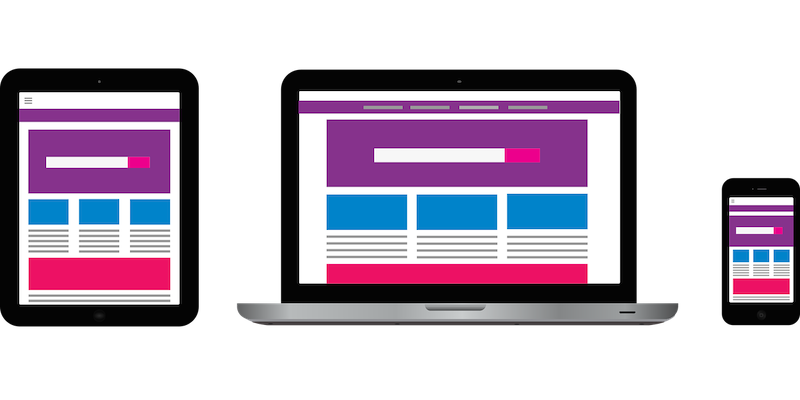
EDGE stands out for its straightforward scoring assessment system, allowing users to access the EDGE application via computer, tablet, or mobile phone to evaluate scores instantly. Additionally, it enables cost assessments using the values displayed in the application to determine the investment viability of project development, such as annual energy costs, annual CO2 reduction, rough construction costs, and payback periods. This information can be used for project promotion to meet the needs of homebuyers or building tenants who wish to live and work in environmentally friendly buildings.
The unique advantages of the EDGE standard, compared to other green building standards, make it suitable for investors and real estate developers. Notably, the speed of the assessment process for certification is a significant factor. Typically, the certification process for other green building standards may take 2-3 months, but for EDGE, it takes only about 1-2 months due to fewer required documents and a simpler assessment process. Once construction is completed and documents are submitted for evaluation through the application, the EDGE Auditor will conduct an on-site inspection. After the inspection, the EDGE Auditor may provide recommendations for adjustments, and if the project can implement changes quickly, certification can be obtained in a short time frame of about 1-2 months.
Many green building standard developers are creating criteria and assessment tools to meet the needs of investors, designers, or project developers. The EDGE standard has also been developed with functions that help interested parties make informed decisions about various investment and real estate development options without incurring initial assessment costs. It features a straightforward and rapid assessment process, a user-friendly application interface, and is suitable for both new construction and renovation projects. Importantly, it provides rough cost estimates as guidance for developers to consider. In summary, EDGE represents a new building model that can increase profits, reduce costs, and simultaneously help minimize environmental impacts.
Currently, Thailand has 4 buildings certified under the EDGE standard, with many more undergoing evaluation for certification.
With EDGE's convenient, rapid, and cost-effective assessment approach, real estate operators are increasingly interested in developing projects under the EDGE standard. I believe that in the future, we will see more buildings certified for environmental standards and green buildings under the EDGE standard, benefiting occupants with a healthy living and working environment. This is one approach to sustainable building development and an important concept for building development today and in the future.
See you again in March! What topic will it be, or is there something specific you would like to know about? Feel free to suggest! Goodbye!
By Mr. Prabhan Sak Raksaiwan, Managing Director of Lumpini Wisdom and Solutions Co., Ltd.