5 Real Estate Development Trends for 2023
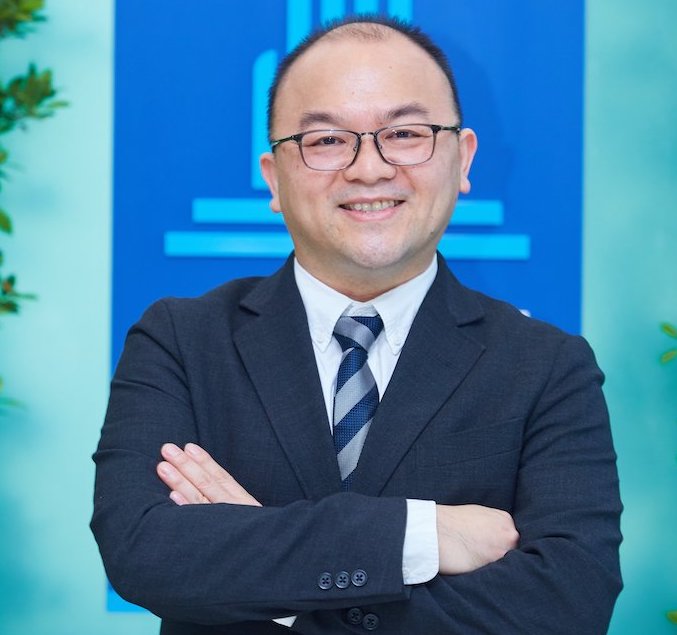
Article by Prabhan Sak Raksaiwan
Managing Director, Lumpini Wisdom and Solutions Co., Ltd., a research and development company under L.P.N. Development Public Company Limited (LPN)
Happy Year of the Rabbit 2023 to the members of TerraBKK. As we transition from the old year to the new, many people think about the new things that will come into their lives. As real estate entrepreneurs, we must develop and innovate to meet the needs of residents, especially the younger generation entering the workforce and looking to build a foundation for their future.
According to a survey conducted by Lumpini Wisdom and Solutions Co., Ltd. (LWS) in the third quarter of 2022, 75% of respondents expressed a desire for safe housing equipped with technology that enhances comfortable living. Meanwhile, 60% of respondents wanted residences that promote well-being.
In contrast, a report from the Wall Street Journal, citing Attom Data Solutions, indicates that the home-buying behavior of the younger generation in the United States has changed significantly since 2014. The trend now favors joint purchases among friends rather than family members, increasing by 771% from 2014 to 2022. Additionally, many young Americans prefer renting over buying, coining the term 'Generation Rent', as they view homeownership as a burden due to high costs.
This trend prompts me to analyze the behaviors and development patterns of housing that align with the changing preferences of buyers. I can categorize these into five key trends for housing development and services that can meet buyer demands and offer new dimensions for real estate entrepreneurs to adapt their strategies accordingly:
1. Developing Residences with a Focus on Well-being and Sustainable Living
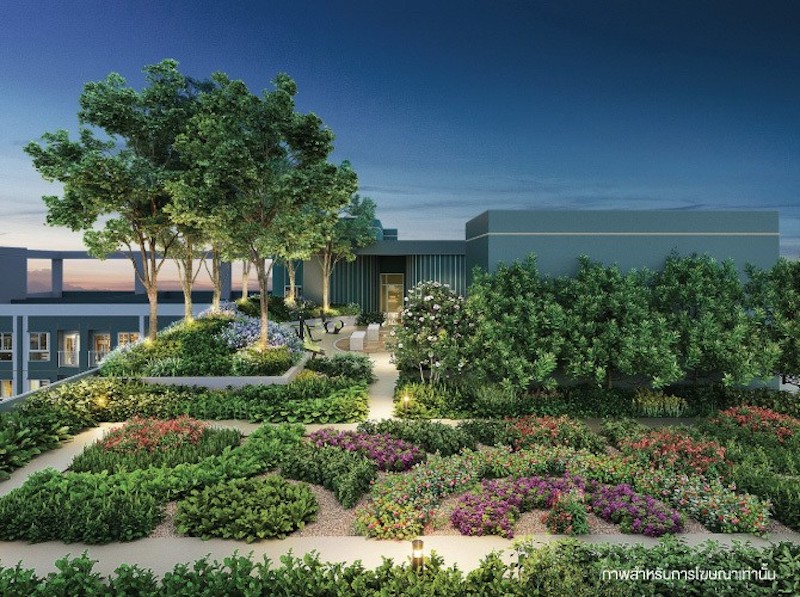
The COVID-19 pandemic has heightened buyers' awareness of the importance of purchasing homes that promote a healthy environment, both physically and mentally, including access to natural spaces that contribute to overall well-being.
According to a study by the Global Wellness Institute, health-related businesses, including medical care and mental wellness, have been growing at a rate of 2-3 times over the past five years. This presents new opportunities for real estate projects that emphasize sustainable living, environmental considerations, green spaces, and architecture that supports residents' well-being.
2. Development of Multipurpose Residences
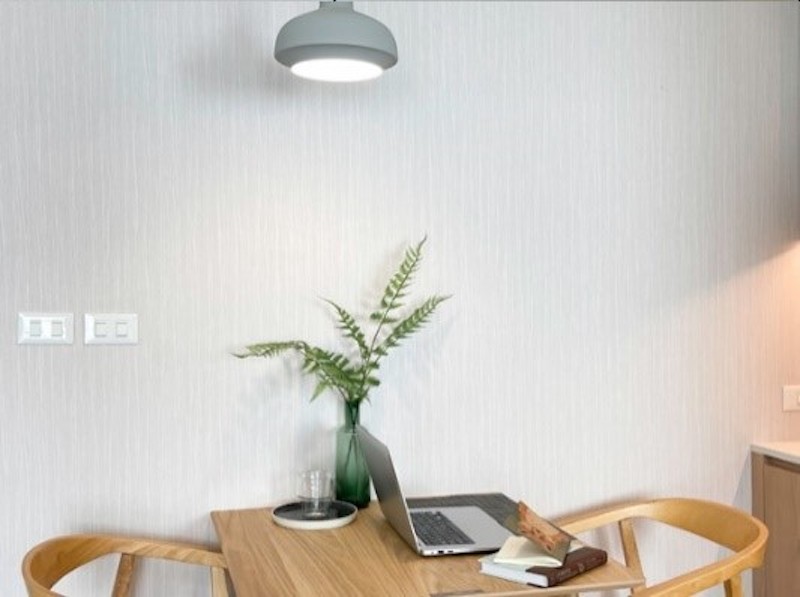
The advent of technology and changes in daily behavior have influenced how people live, blurring the lines between time, place, work, and leisure. For instance, working or studying from home has led to the integration of living, working, and relaxation spaces into a single multipurpose residence.
Working or studying at home has various implications, such as increased family time, but it can also disrupt work-life balance, leading to a lack of clear boundaries between work hours. Over the past year, there has been a rise in small home-based businesses in the U.S., with 40-50% of small businesses operating from home, resulting in an increase in startups.
This trend encourages the transformation of home spaces to accommodate new lifestyles, allowing for experiences that integrate living, working, and small business operations within one home. The flexibility of modern workspaces presents new opportunities for residences to adapt to these evolving lifestyles.
3. Developing Rental Properties to Meet the Needs of Generation Rent
Research by Attom Data Solutions on home-buying behavior in the U.S. from 2014 to 2022 shows a significant shift among younger generations towards joint purchases among friends rather than family, increasing by 771%. Additionally, many young Americans prefer renting, viewing homeownership as a financial burden.
Similarly, a study by ABC Finance Ltd. in the UK found that one in three millennials opts not to own a home, perceiving homeownership as a loss of freedom. Renting offers flexibility and affordability, allowing for easier relocation and access to urban amenities.
According to a survey by Living Insider, the demand for rental properties has increased by over 10%, while the search for condos to buy has decreased by more than 10%. This trend highlights the need for comprehensive rental options that are ready for immediate occupancy.
This trend mirrors the behavior of young homebuyers in Thailand, who prefer renting over buying, often choosing locations near public transport for convenience and flexibility in job opportunities. This presents an opportunity for real estate developers to create projects that cater to both sales and rental markets, addressing the diverse needs of buyers.

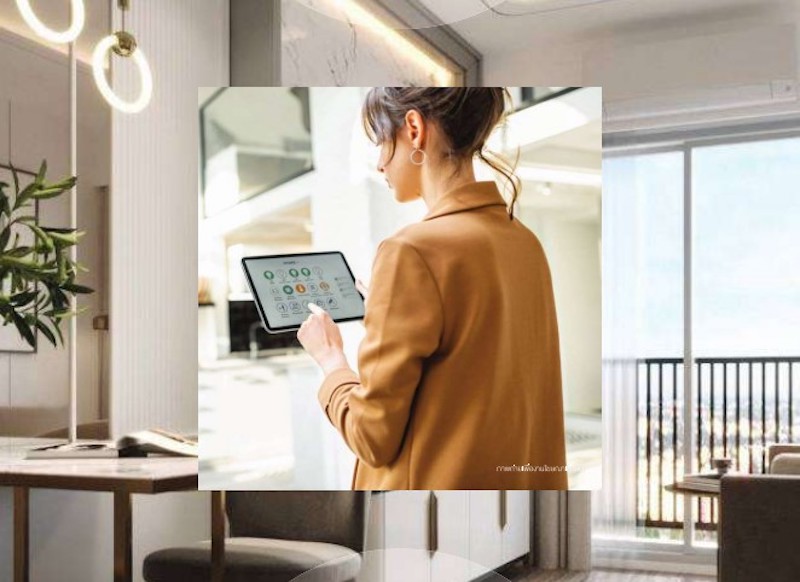
4. Development of Smart Residences and Services
Currently, the development of technology for living spaces is increasing to meet the specific and flexible needs of consumers, particularly those seeking rapid service responses. Incorporating technology to facilitate consumer convenience is becoming a priority for real estate developers, including:
Developing applications for connecting various home appliances, facilitating maintenance requests, and integrating technology into construction, leasing, buying, and investing. Adapting services to respond quickly to consumer needs will enhance value-added services for consumers. This aligns with the concept of Real Estate As A Service (REaaS) and Space As A Service (SpaaS), as discussed in seminars by the Creative Strategy and Brand Valuation Center, emphasizing service over products. Consumers are increasingly interested in purchasing service experiences, creating opportunities to fulfill consumer demands swiftly and foster brand loyalty.

5. Sustainable Property Development to Reduce Environmental Impact
Given the current situation of natural disasters and climate change, which is a significant global issue, various sectors are becoming more aware of the need to address these challenges. The global community aims to reduce emissions by 45% by 2030 and achieve net-zero emissions by 2050. The real estate sector can contribute to this goal by implementing climate control technologies that can reduce emissions by 50-60%. Many large companies across industries are increasingly prioritizing clean technology development.
As the real estate sector is one of the highest polluting industries, it is essential to develop construction processes that minimize toxic emissions by utilizing environmentally friendly construction technologies. This approach enhances efficiency and reduces environmental impact, lowering CO2 emissions and transitioning energy use towards electricity. For example, supporting electric vehicle use within projects and utilizing solar energy, such as solar roofs, can benefit both individual homes and common areas. Additionally, improving waste management systems for efficient waste sorting before disposal is crucial.
All five trends are not only emerging in Thailand but are also occurring globally. They represent a critical turning point for real estate entrepreneurs to adapt to consumer demands. As Steve Jobs famously stated during the launch of the first iPhone, "People don’t know what they want until you show it to them." Similarly, today’s homebuyers may not articulate all their needs, but it is the responsibility of real estate developers to create residences and amenities that exceed customer expectations. These five trends illustrate how we can demonstrate to consumers that our developments meet their needs, surpassing their expectations and addressing all their requirements. This is the essence of project development in the post-COVID-19 era.
See you again in the month of love. Happy New Year once more!