A New Fundraising Model with Real Estate Backed Digital Tokens (Real Estate Backed ICO)
When discussing digital assets, many of you might think of Bitcoin (BTC), which has been a hot topic of investment over the past year. Bitcoin is a cryptocurrency that gained significant attention as its price surged from around $6,000 to $7,000 per BTC in April 2020 to over $60,000 per BTC during the same period in 2021, marking an increase of approximately 1,000% within a year. This price rise is partly due to the acceptance of these digital currencies for actual payments, such as through PayPal and Apple Pay, with some countries, like El Salvador, legally recognizing Bitcoin as a valid payment method. In Thailand, businesses like Major Cineplex and the shoe store Nanyang have started accepting payments in digital currencies, and even real estate companies such as Ananda, Origin, Sansiri, MQDC, and Asset Wise accept cryptocurrency for transactions involving homes and condos.
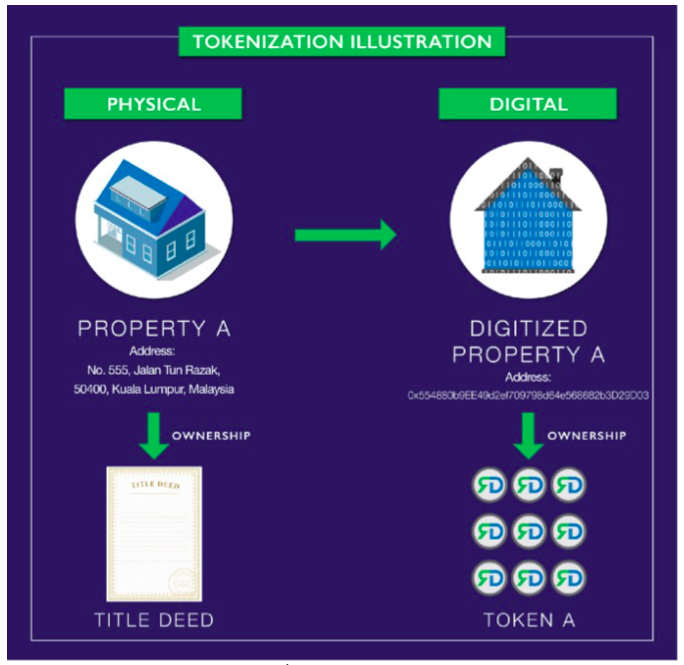
The growing recognition and diverse applications of digital assets have led to the creation of another form of digital asset known as Tokenization. This involves using blockchain technology to convert assets into digital tokens that represent rights or various properties (Asset-Backed Tokens), including jewelry, artwork, and real estate.
Creating Digital Tokens with Rights to Real Estate
Source: REIDAO
One of the main reasons asset owners decide to pursue Tokenization is to facilitate the transfer or sale of digital tokens or even to use these tokens for fundraising. In the capital market, many are familiar with fundraising methods such as IPOs, issuing additional shares, corporate bonds, or bringing assets into a real estate investment trust (REIT), which generally requires approval from the Securities and Exchange Commission (SEC) for public offerings.
As digital assets gain popularity, the SEC has issued guidelines for a new alternative fundraising method through the sale of digital tokens backed by real estate or income streams from real estate (Real Estate Backed ICO). The issuer will define the rights that investors will receive in a Smart Contract, akin to a traditional paper contract, which will be detailed in a prospectus (White paper) that must be approved by the SEC before offering. Additionally, the guidelines require a Trustee to oversee the issuer's compliance with the established terms. The defined rights may include investment rights, entitlement to revenue shares or profits, or rights to services related to the underlying assets, among others.
Real Estate Backed ICO is a very new concept in Thailand, and currently, there have been no ICOs of this nature offered. However, several operators are discussing with the SEC to utilize real estate for fundraising through ICOs, such as the SIRIHUB token, which uses the Siri Campus building as its underlying asset. It will be interesting to see how this new alternative fundraising method creates opportunities for both operators and investors and transforms the real estate market.
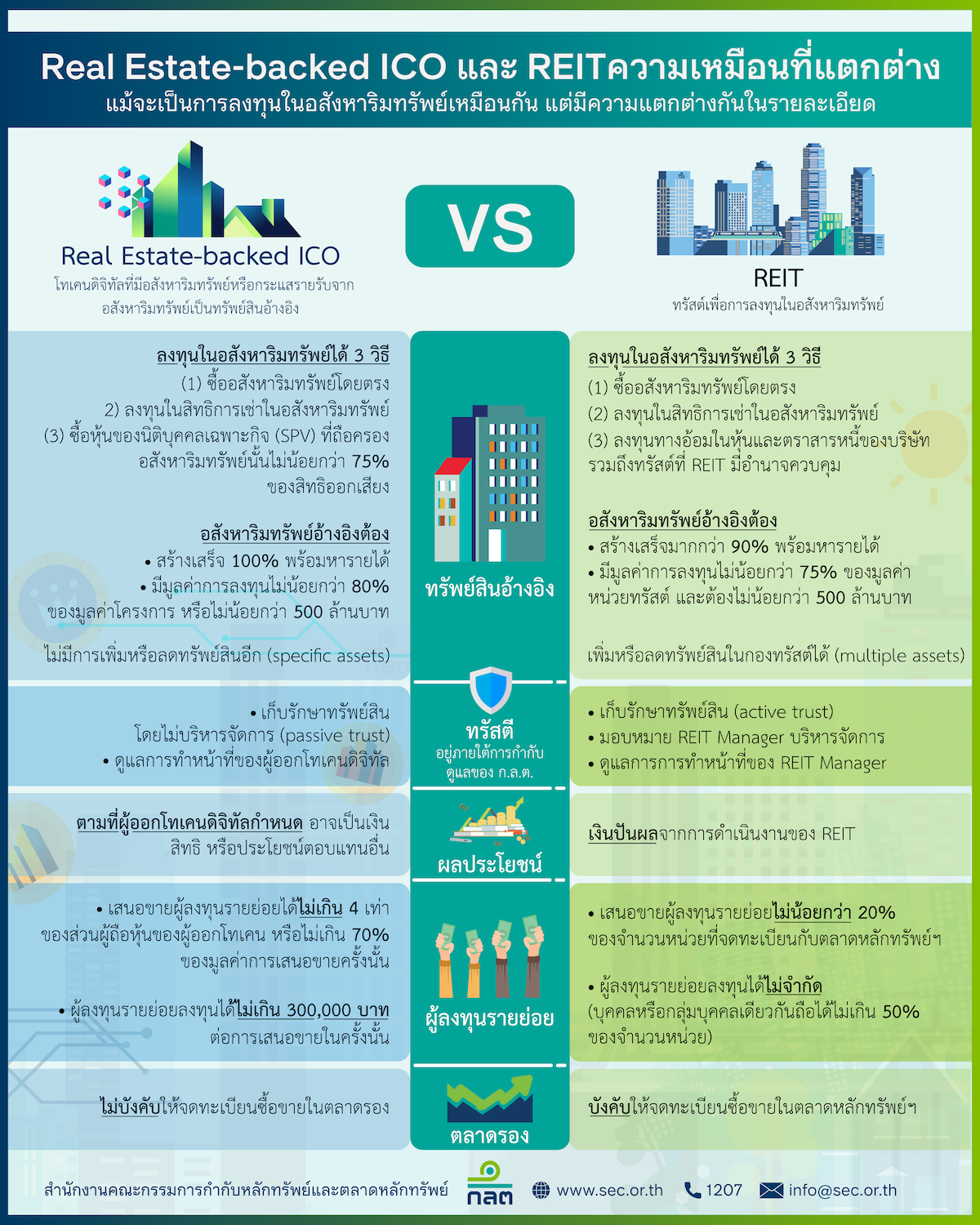
Thank you for the information from the SEC.
Sources:
https://siamblockchain.com/2021/04/01/entrepreneurs-name-list-in-thailand-accepting-bitcoin/
https://icobench.com/ico/reidao
https://www.sec.or.th/digitalasset
https://www.sec.or.th/TH/Pages/News_Detail.aspx?SECID=8971