
Trends in Housing: Closer to Nature
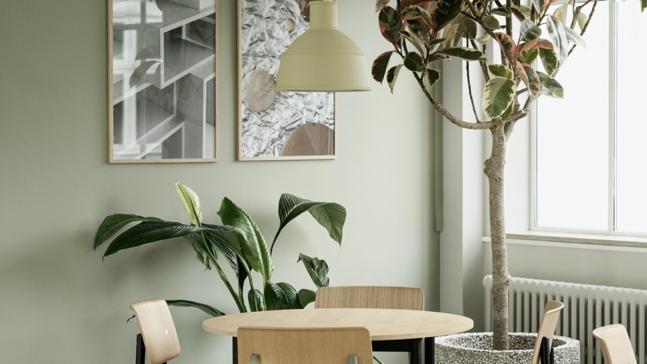
During the COVID pandemic, when many had to stay indoors and not go out, people began to recognize the importance of having green spaces within their homes or areas that make them feel closer to nature, such as small potted plants in the room. This helps create a refreshing and relaxing atmosphere after being cooped up indoors all day, leading to a design trend in housing that focuses on closeness to nature, both in terms of visibility and even tactile interaction with materials.
Source: imm-cologne.com
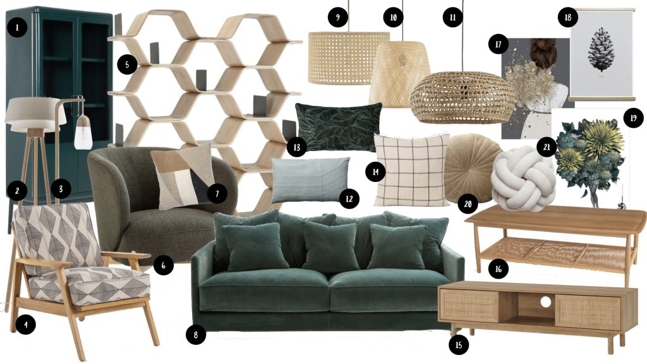
Furniture design is increasingly emphasizing wood patterns, with less use of gray and more use of white to enhance brightness. Buyers are placing greater importance on using recycled materials, opting for paper mixed with plastic instead of leather, and incorporating more green tones and tree patterns to evoke a sense of nature within the room.
Source: www.architectureartdesigns.com
There is a growing emphasis on the origins and production methods of materials used in furniture, ensuring they come from environmentally friendly processes that do not cause pollution. The storytelling aspect regarding products or design approaches significantly influences consumer decisions, leading to an increase in furniture and designs that utilize wood and natural materials, especially in living rooms. This not only creates a spacious and comfortable feel but also promotes environmental friendliness.