Asset Valuation in a Recessionary Economy
By Mr. Thapanan Aekinth, Director of Research and Chief Valuer, Salmann (Far East) Co., Ltd.
Macroeconomics
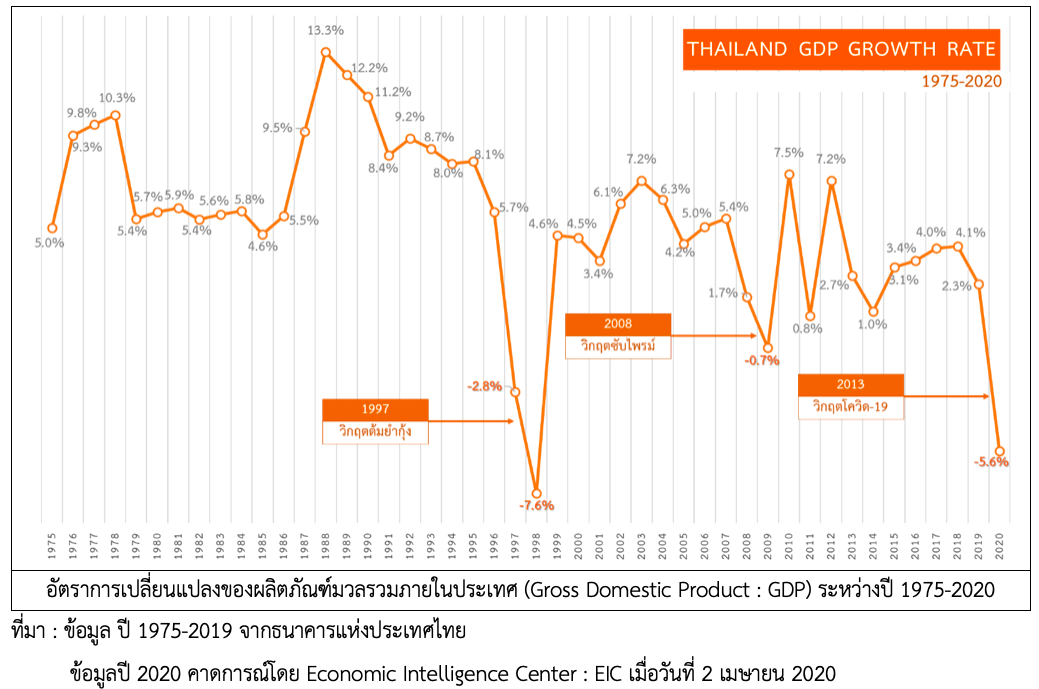
The global outbreak of COVID-19 has intensified, impacting Thailand's economy more than anticipated. The Economic Intelligence Center (EIC), a unit under Siam Commercial Bank, predicted that Thailand's economy would contract to -5.6% (as of April 2, 2020), down from an earlier forecast of -0.3%, marking the lowest economic state since the 1997 Tom Yum Goong crisis.
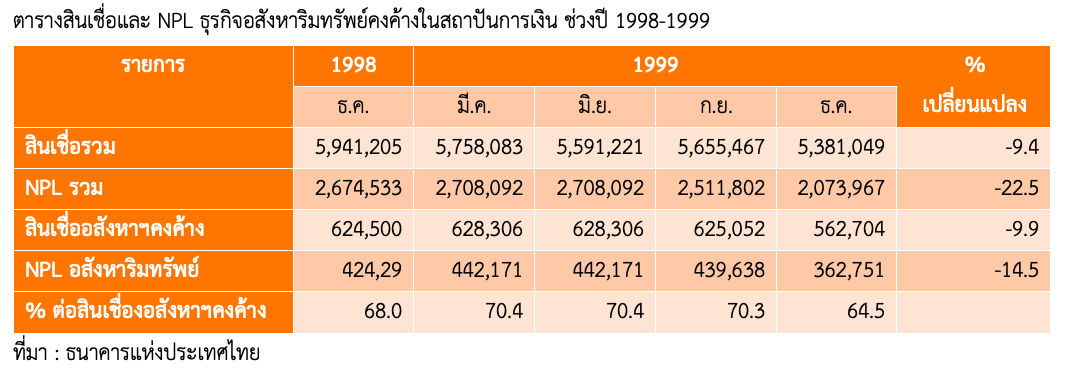
Historically, every economic recession has directly impacted the real estate business, leading to a decline in property transactions. In terms of real estate loans from financial institutions, there has been a rapid increase in non-performing loans (NPL) or substandard debt. After the Tom Yum Goong crisis, the Bank of Thailand reported that NPLs in the financial system reached 443,246 million baht in June 1999, accounting for 72.5% of outstanding real estate loans across the financial system.
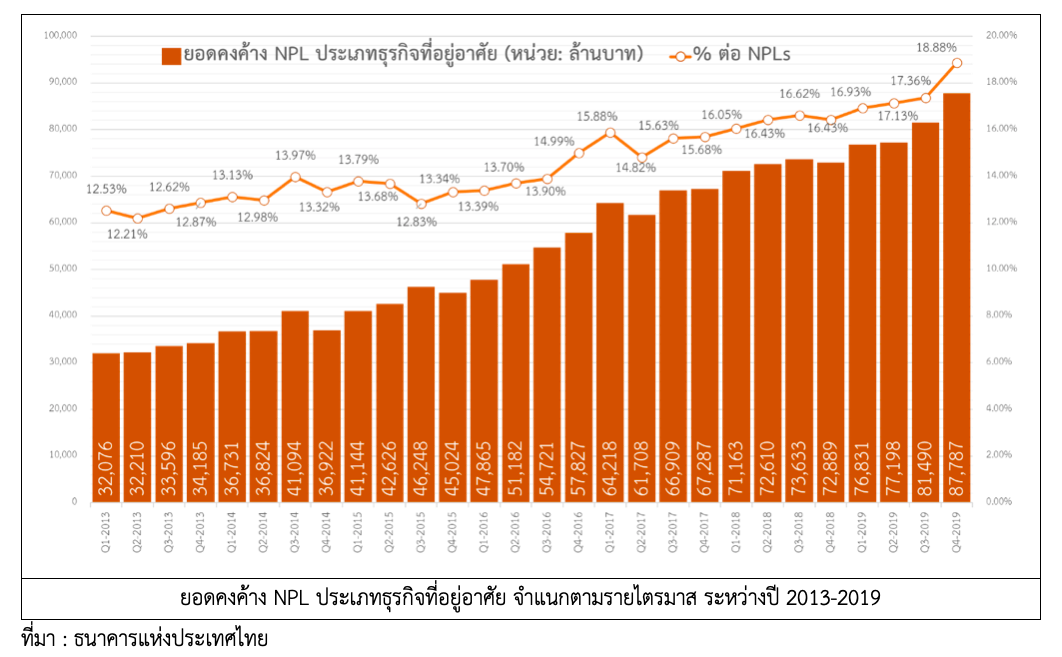
Data from the Bank of Thailand from 2013 to 2019 showed that the outstanding NPLs in the residential sector were on the rise, even though they did not exceed 20% of total NPLs. However, the impact of the COVID-19 pandemic in 2020 has spread widely across all sectors, leading to a potential increase in unemployment. Financial institutions are likely to face rising overdue debts, coupled with a sudden decline in property transactions, causing the value of collateral to drop rapidly. This situation may lead to instances where the current value of collateral falls below the debt amount, inevitably affecting the property valuation profession.
Valuation Methods
Generally, there are three valuation methods: the Market Approach, the Cost Approach, and the Income Approach. For typical residential properties, most appraisers tend to use the Market Approach and the Cost Approach (for land valuation, the Market Approach is also applied). During the market comparison process, appraisers conduct surveys and gather information in the area, including asking for listing prices and actual sale prices, collecting data from about 3-4 properties to analyze and support their opinions in the report.
Key Questions
As mentioned above, for appraisers to analyze and express opinions in their reports, they rely on historical data. However, in a recessionary economic situation where property transactions are stagnant, the data collected from field surveys mostly consists of listing prices, which may have been set before the recession. Actual sale data is scarce, raising a critical question for appraisers: In a situation with no sale data, only listing prices from before the recession, can the collected data truly represent the current market?
The Core of Valuation
In reality, the issue of insufficient market price data, whether from listings or sales, is a common challenge that appraisers face, even in normal economic conditions. When market data is insufficient or does not align with the current economic situation, appraisers should consider alternative valuation methods, such as the Cost Approach, Income Approach, or using other analytical tools like market data analysis, investment analysis, or feasibility analysis. Nevertheless, whether the property is vacant land or has buildings, the core of the analysis is highest and best use, which comprises three main aspects: legal considerations, the physical characteristics of the property, and the economic viability of commercial investment options. All three aspects must be feasible; missing any one of them is not acceptable.
Selecting Valuation Methods in a Recessionary Economy
- When using the Market Approach for valuation
Comparing market prices with properties by analyzing multiple factors may not be sufficient. Appraisers must also assess whether the sale and listing prices are feasible in the current situation. The number of data points previously collected (3-4) may not be adequate for analysis. The breadth and depth of each data point should be considered. If insufficient, the survey radius should be expanded, and more in-depth data should be gathered, as appraisers must always remember that the listing and sale prices collected during this time may reflect past data before the recession.
- When using the Cost Approach for valuation
This valuation method combines the current land value, derived from the Market Approach, with the replacement cost of the building after deducting depreciation. The limitation of this method is clear: only the land value reflects the current market value, while the building cost does not consider the current market conditions. Therefore, appraisers must be mindful of this issue when applying the Cost Approach in a recessionary economy.
- When using the Income Approach for valuation
The basic principle of this valuation method is to analyze market trends and the expected benefits from the property in the future in terms of returns, such as a 10% annual rental return, leading to the calculation of the property's future value and reflecting it back as present value. However, some factors affecting value are difficult to quantify in monetary terms, such as the benefits of satisfaction, convenience, or pride of ownership. This limitation is a challenge for this method. Nevertheless, since the Income Approach considers economic, legal, social, and physical factors in the valuation, it effectively addresses the data scarcity issues found in the Market Approach.
Conclusion
Valuing different types of assets, using various methods, and under different economic conditions has its advantages, limitations, and suitability depending on the situation. Regardless of the economic climate, appraisers must conduct valuations independently, free from pressure, with a thorough understanding of the property, and exercise discretion in selecting appropriate methods. The resulting valuation report should be credible and accepted by users, whether during a recession or not.