
"Koh Phai": The Birthplace of Thailand's First Disease Control Station to Prevent the Spread of "Plague" into Siam
"Abandoning homes and cities during a severe epidemic was beyond one's control, as there were no methods for disease prevention and control at that time. Moving away was therefore the best option. Modern theory suggests that epidemics will eventually subside on their own, following the natural cycle of pathogens, and that the body and environment will develop immunity. Thus, relocating was a viable method back then."
Consequently, the outbreak of "plague" during the reign of King Rama V around 1894, which spread from the ports of China and Hong Kong, moved towards India, Africa, Russia, Europe, Singapore, Thailand, and Australia, prompted Siam to implement measures to prevent the disease.
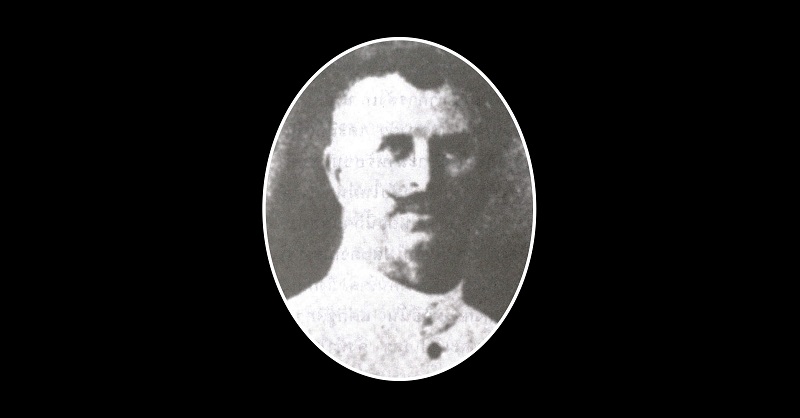
Dr. H. Campbell Hyatt, an English physician hired by King Rama V, proposed that the government implement quarantine measures and establish a disease inspection station, or what was referred to as the laboratory for public health, which included the purchase of microscopes for disease analysis.
The quarantine measures required cargo ships entering the country to stop and have all crew members inspected for disease before allowing entry, particularly for ships coming from plague-affected areas. Thus, a disease control station was established at "Koh Phai" (currently about 9 kilometers from Pattaya), with Phra Bamrung Sapphoroek, also known as Dr. Adamson, serving as the chief physician at the station.
Phra Bamrung Sapphoroek, or Dr. Hans Adamson (Hans Adamsen), a half-Danish, half-Mon, was born in 1857 in Phra Pradaeng, Samut Prakan. He graduated with a medical degree from Jefferson University in the United States and later served as the chief physician at the disease control station at Koh Phai in 1898. This marked the first time that infectious diseases like the plague were prevented from spreading into Thailand, and he is considered the first disease control physician in Thailand.
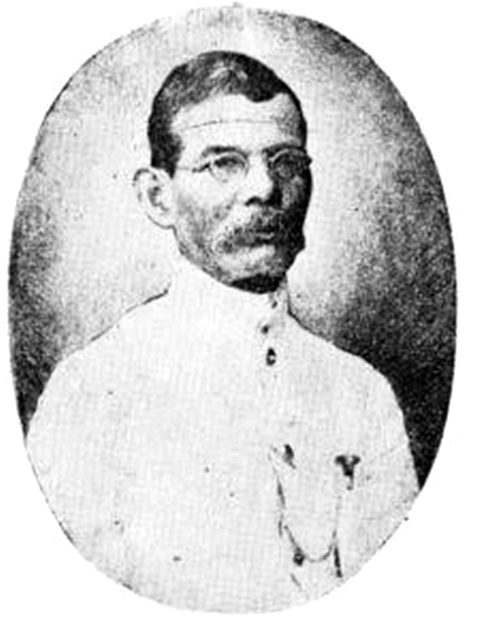
At that time, Dr. Hans issued a decree to manage the prevention of the plague on April 7, 1898. This resulted in requiring ships from Hong Kong to anchor at Koh Phai for 9 days until all crew members were inspected and certified free of plague before being allowed to travel to Bangkok. Ships from Chinese ports were also required to stop for inspection without being quarantined.
The disease control station at "Koh Phai" operated for 2 years before relocating to the opposite side of the customs area in Samut Prakan and then to "Koh Phra" in Sattahip, Chonburi Province (currently a special naval warfare unit under the supervision of the Sattahip Naval Base) for operational efficiency. Its role at that time was to inspect ships only during outbreaks and ceased inspections once the situation stabilized.
"It took several decades for the outbreak of the "plague" to subside, with the last reported case in Nakhon Sawan in 1952, and no cases have been reported since. The establishment of "Koh Phai" is considered the origin of Thailand's first international disease control station, which has since evolved and adapted multiple times to align with the changing contexts of each era, where cross-border travel has become more diverse than in the past."
Later, during the reign of King Rama VI, another severe epidemic occurred, this time the Spanish flu, which resulted in 20-40 million deaths worldwide, including fatalities in Thailand. However, due to the lack of an epidemic data collection system at that time, there were no clear reports of cases and deaths. Subsequently, the government enacted the Epidemic Act of 1913, indicating a growing concern for disease prevention and control.
"Each past epidemic was severe, with many fatalities due to the limited medical knowledge and technology at the time, not only in Thailand but also in Western countries. The germ theory and vaccination for smallpox, which we began to learn about during the reign of King Rama V when Dr. Radley introduced it, along with anesthesia, which started being used in Thailand less than a decade after its discovery, contributed to the increasing acceptance of modern medicine."
Through studying the emergence of epidemics, it becomes evident that the key to preventing and controlling diseases in the past was the vision of the ruling elite or those in power to embrace new knowledge for policy changes and the establishment of important measures for disease prevention and control. However, after 1957, there was a shift in public health policy due to the limited number of healthcare facilities, with major hospitals primarily located in Bangkok, affecting access to treatment. This led to an emphasis on encouraging communities to take care of their own health and basic hygiene to prevent diseases.
Although the implementation of basic public health measures has also declined due to urban development and improved sanitation systems, which have reduced the prevalence of diseases that once plagued the past, basic public health remains crucial. If the public is knowledgeable about disease prevention, even for non-communicable diseases like heart disease, diabetes, and hypertension, which stem from lifestyle choices, it can help reduce the spread of diseases.
References:
Kwanchai Damrongkwan. (2016). UNSEEN Disease Control Department: A Historical Path and Memories. Nonthaburi: Research Institute for Knowledge Management and Disease Control Standards, Department of Disease Control, Ministry of Public Health.
Komatr Jeungsetthakarn, Editor. 100 Years of Thai Public Health. National Health Archives, Ministry of Public Health, 2018.
Health Archives and Museum website
and Hfocus website: In-depth Health System Analysis