
Understanding the Behaviors of Dogs and Cats That Can Wreck Your Home
For pet lovers, whether it's a cuddly cat or a mischievous dog, it's clear how much joy they bring to everyone in the household.
However, sometimes dogs and cats can become the ultimate troublemakers at home. My home wants everyone to take a look at ways to handle various concerns that will help you understand them better.
The Adorable Dog
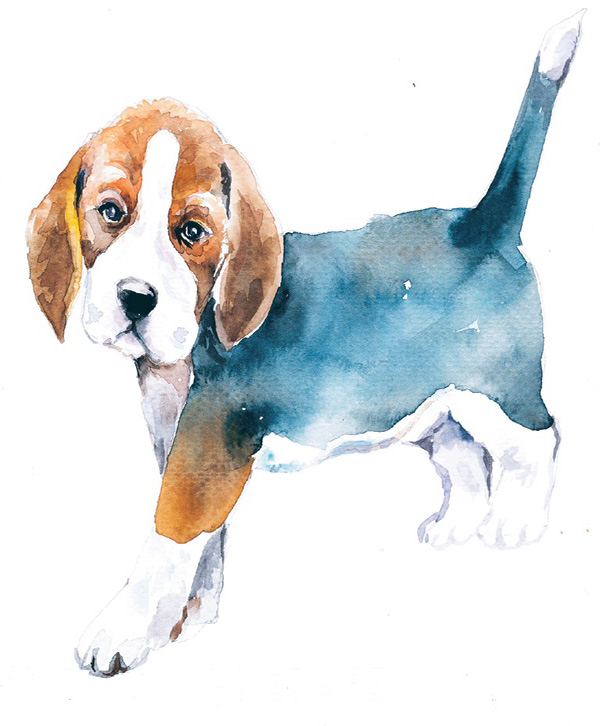
The Chewer
Chewing is a natural behavior for dogs. Some may see it as a sign of teething, but there are many unexpected reasons behind it, such as curiosity to explore their surroundings or even health and mental issues that need an outlet for stress and boredom.
Precautions and Prevention
- First, keep your belongings organized and out of reach of the dog. If items are left scattered, it increases the risk of your dog pouncing on them with claws and teeth.
- Spend enough time with your dog. Take them out for walks and playtime to alleviate their loneliness, or set up a designated area with toys for them to chew on instead of household items.
- To deter chewing, you can spray a diluted vinegar solution on items your dog likes to chew, or sprinkle some pepper on them as a deterrent.
- If you notice any health issues related to the digestive system or problems like gum disease, broken teeth, or tartar buildup, take your dog for a health check immediately.
The Digging Expert
The digging behavior in dogs is not just due to mischief; there are several fascinating reasons behind it. For instance, dogs may dig to relieve stress or anxiety. Additionally, they are often attracted to the scents and small animals found in the soil, and digging can help them cool down since the moist earth provides a refreshing spot to relax.
Precautions and Prevention
- Build visible barriers like fences to define the boundaries of your garden and avoid digging in front of your dog, as this may encourage them to mimic the behavior.
- You could also sprinkle some spices around plants to create a barrier that discourages them from getting too close.
- Consider burying wire mesh near the holes your dog digs. When they return to dig, their paws will touch the wire, discouraging them from continuing.
- Place a water-filled balloon in the hole. If the dog digs and the balloon pops, it will deter them from digging again.
- Create shaded areas for them to escape the heat, such as a small pond or a sand pit, which can significantly reduce digging behavior.
Peeing Anywhere... If It Feels Good
Dogs urinating in inappropriate places can stem from various factors, primarily territorial behavior, marking ownership, or sometimes fear, leading them to relieve themselves for reassurance. Other factors include health issues causing frequent urination, prolonged time in air-conditioned rooms, and excessive water intake due to heat.
Precautions and Prevention
- To address territorial behavior, train your dog to relieve themselves in designated areas and regularly take them out to walk on grass and dirt. It's essential to establish yourself as the pack leader to manage their behavior.
- Thoroughly eliminate any lingering odors and stains by mixing vinegar with water and soaking the area where the dog urinated. Then, blot it with tissue or cloth and let it dry.
- Avoid using floor cleaners with ammonia, as they contain similar compounds to dog urine, which may encourage them to mark more spots.
The Strong Smeller
The primary motivation that attracts dogs to the foul smell of dead animals or garbage comes from their wolf instincts. They feel liberated and more themselves when they roll in these scents. Additionally, it can be a form of camouflage or a way to get attention from their owners. Some animal carcasses contain microorganisms that help prevent fungal infections on their fur and skin. Dogs often find the scent of shampoo after a bath to be foreign and may roll in grass or herbs like wild grass to mask it, leading to a common dilemma we frequently encounter.
Precautions and Prevention
- Keeping your home organized and managing waste or dead animals can help reduce these issues to some extent.
- Ensure trash bags are tightly sealed and placed in a covered bin to prevent rummaging, and dispose of garbage regularly.
- Not all dogs exhibit this behavior of rolling in foul smells; some are clean. For those that do, it's important to understand and not punish them, as this may encourage the behavior further.
Thank you for the information from www.baanlaesuan.com