How Will the COVID-19 Lessons Change Real Estate?
The COVID-19 crisis has transformed people's behaviors and lifestyles, impacting every business sector, including real estate, which has been hit hard. The lessons learned from COVID-19 have prompted the real estate industry to adapt to the current situation. It is also crucial to prepare for future adjustments and find ways for businesses to evolve. Terrabkk invites you to explore how the lessons from COVID-19 are currently changing the real estate business and what changes are expected in the future.
The impact of the COVID-19 pandemic has caused consumers to delay their real estate purchasing decisions, leading many projects to launch various campaigns and promotions, including significant discounts, bonuses such as assistance with mortgage payments, deferred down payments, free booking and transfer fees, and complimentary furniture and appliances. It can be said that there is a frenzy of discounts, giveaways, and bonuses.
Additionally, both small and large developers must adapt, as visiting project sites has become challenging when people are staying home, resulting in almost no sales opportunities. This has led to a shift towards selling homes and condos online, allowing customers to tour projects and model units virtually, which facilitates access for those unable to visit in person and expands sales channels.
From this crisis, it is evident that consumer behaviors have changed. People are adjusting their lifestyles, with more remote work and digital transformation becoming integral to daily life. There is an increasing demand for home entertainment and a greater focus on health and wellness. This crisis is likely to lead to permanent changes in people's behaviors.
Certainly, the changing behaviors of consumers will influence their purchasing decisions for various products and services. People will seek products that align with their lifestyles, prompting the real estate sector to adapt to meet customer needs. We would like to present strategies for adapting in the real estate business as follows:
Home automation for Social distancing
According to an ETDA survey on online behavior regarding “Online Food Delivery Services in Thailand,” over 85% of consumers order food online, primarily due to the convenience of not dining out. The COVID-19 crisis has led to a nearly 34% increase in online food orders. Data from Priceza Insight indicates that the e-commerce market has grown by 79% as more people shop online, creating a demand for delivery boxes or food drop-off points to maintain social distancing.
For example, developers like Sansiri have implemented home automation in their projects, such as using robots to deliver packages and mail within condominiums, notifying residents via an app. They also offer Ibox and Box24, smart lockers for 24/7 parcel delivery and collection, in partnership with Thailand Post and logistics companies. Additionally, AP Thailand has introduced Smart PODs or smart lockers that allow senders and recipients to access services independently at any time, enabling residents to receive packages at their convenience, 24 hours a day.
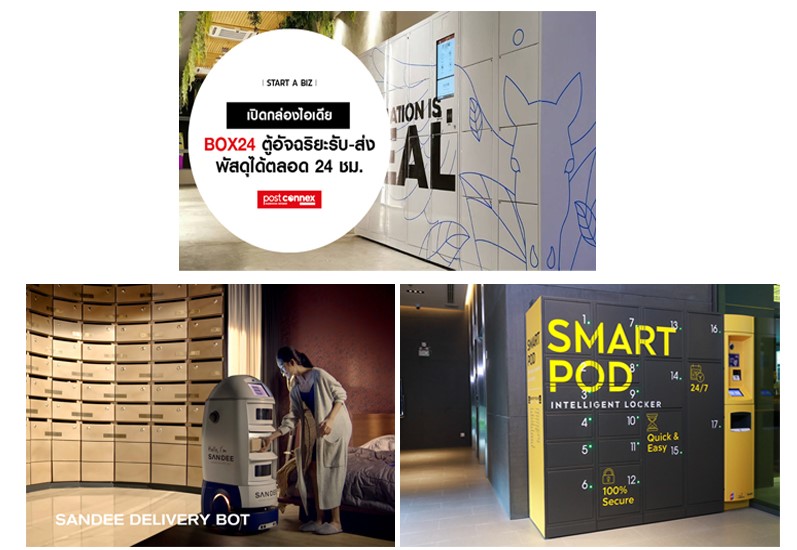
Moreover, residential designs utilizing technology to minimize contact (Touchless Technology), such as entrance doors with facial recognition systems, sensor systems, or various automation technologies for common areas, are considerations that real estate developers must incorporate into their projects.
Go Healthy and Wellness
Although the health trend was already popular, the COVID-19 pandemic has led people to prioritize their health even more to reduce the risk of viral infections. Consequently, health and wellness will become increasingly important in residential spaces, as evidenced by projects that emphasize both physical and mental health. For instance, hotels are now offering comprehensive health amenities, including food, sleep, and exercise facilities within rooms.
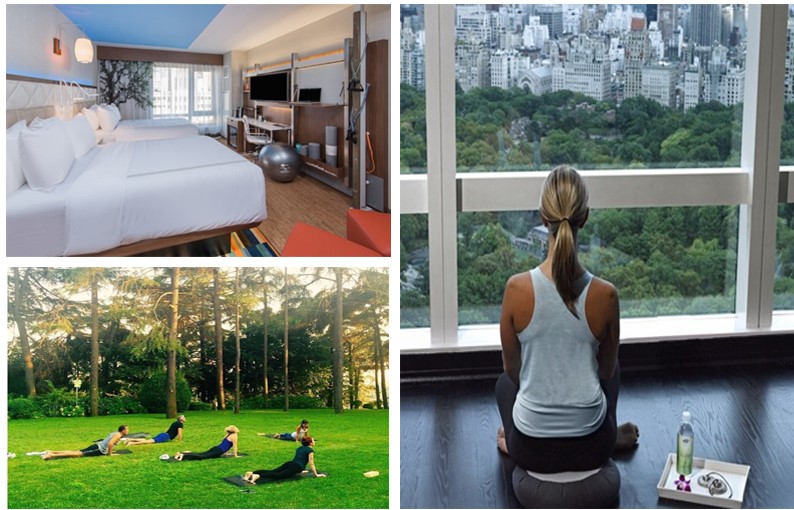
Source: www.wellandgood.com
Work From Home (Living + Working space)
As the COVID-19 pandemic has prompted more people to adopt remote work, it has influenced homebuyers to prioritize usable space when purchasing residences. The design of living spaces in condos, single-family homes, and townhouses must now include comprehensive WFH functions, integrating living and working areas. Furthermore, these spaces must offer more functionality since rooms may now serve multiple purposes, including dining, sleeping, working, and exercising.
Source image: www.pinterest.com
Low rise and Low density
As acceptance of remote work increases, the necessity of living in urban areas may decrease. People are likely to purchase homes further away from their workplaces and seek larger living spaces within the same budget, leading to a growing interest in low-rise projects. Additionally, condominiums may need to increase their living space to accommodate changing consumer behaviors.
Small is Beautiful
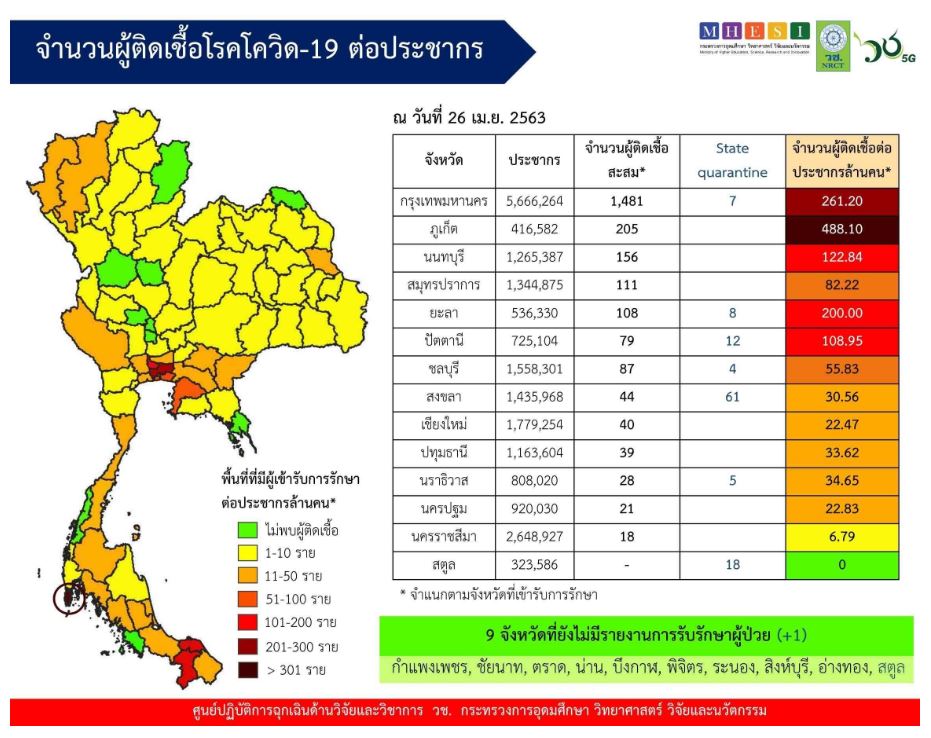
Source: Department of Disease Control
Data from provinces treating new confirmed patients shows that there are 9 provinces with no reported cases, as these areas are small, located in remote regions, have low population density, and inconvenient transportation. This indicates that locations in smaller provinces will gain more interest due to their lower density, livability, and safety.
The COVID-19 crisis can be seen as a catalyst for change in the real estate business. Changing consumer behaviors will impact decisions regarding real estate purchases. Therefore, it is essential to adapt to these rapid changes.