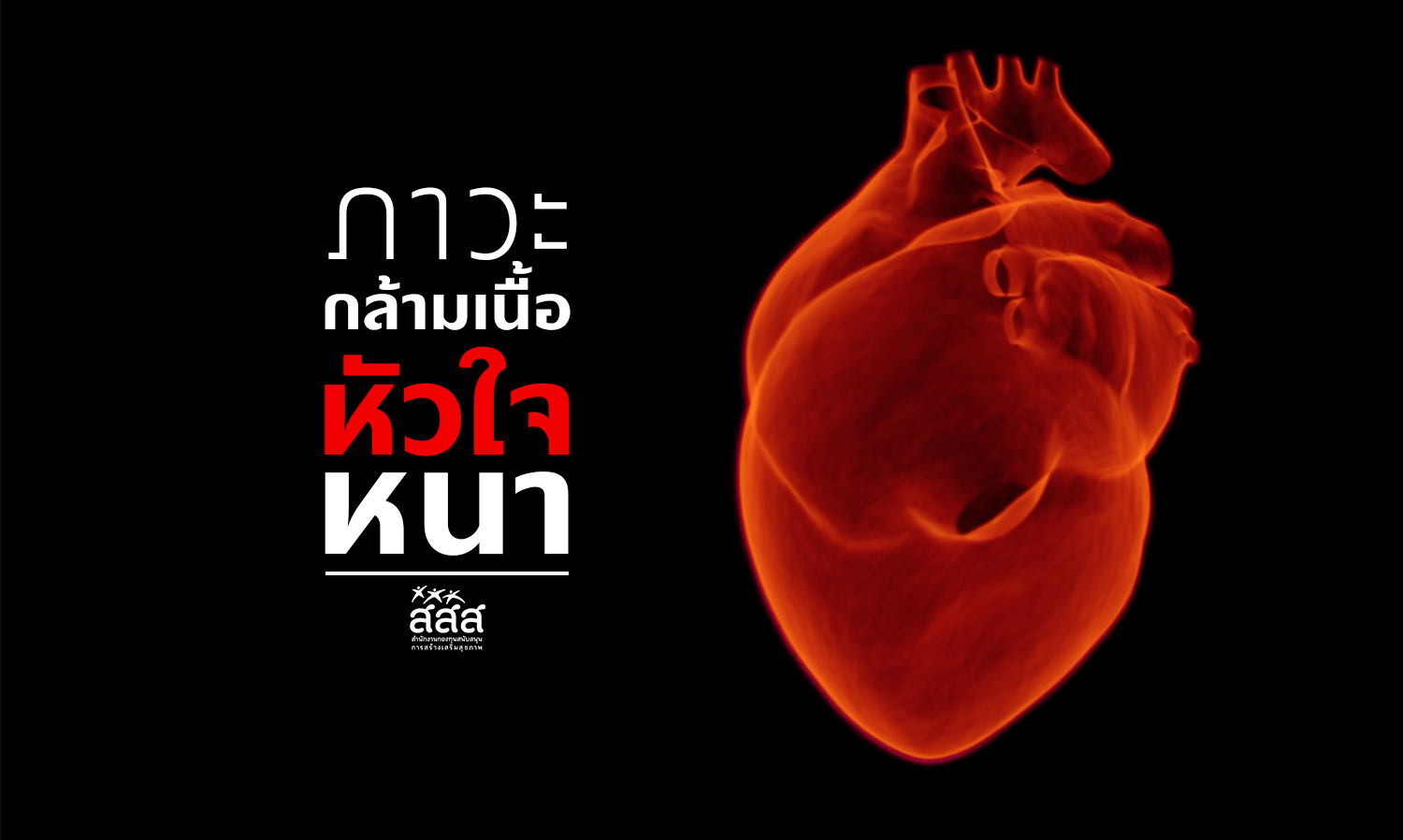
Hypertrophic Cardiomyopathy
Typically, when we talk about hypertrophic cardiomyopathy, we refer to the thickening of the left ventricular heart muscle, which is responsible for pumping blood to various parts of the body. More than 90% of cases are caused by patients suffering from long-standing hypertension that has not been adequately treated, leading to poorly controlled blood pressure.
Hypertension causes increased pressure in the arteries, resulting in the enlargement of the left ventricular muscle and ultimately leading to heart failure.
Hypertrophic cardiomyopathy does not necessarily present any abnormal symptoms. If symptoms do occur, they are usually related to the underlying condition. For instance, if it is caused by hypertension, one might experience headaches, dizziness, lightheadedness, and unusual fatigue, or possibly chest tightness and insomnia. Doctors can diagnose the condition by taking a detailed medical history, conducting a physical examination, and thoroughly assessing the cardiovascular system.
Treatment for hypertrophic cardiomyopathy focuses on addressing the underlying cause of the disease. For example, if it is due to hypertension, management may include dietary sodium restriction along with antihypertensive medications. While treatment may not reduce the thickness of the heart muscle to normal levels, it aims to prevent further thickening. If left untreated, this condition serves as a warning sign that may lead to heart enlargement and heart failure, potentially progressing to end-stage heart disease and increasing the risk of death.
Therefore, it is advisable to reduce risk factors such as smoking and to maintain blood pressure within normal ranges. Typically, a normal heart rate is between 60-80 beats per minute. Blood pressure readings consist of a top number and a bottom number, with normal values being around 120/80 mmHg and not exceeding 140/90 mmHg. Readings above this indicate hypertension.
Thank you for the information from www.thaihealth.or.th