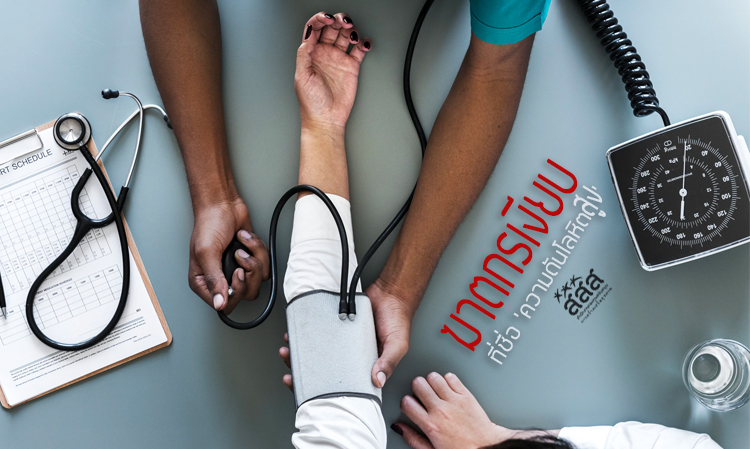
The Silent Killer Named 'High Blood Pressure'
As we grow older, we increasingly realize that illnesses are ever-present in our lives. Many of us may find ourselves caring for our grandparents. In some families, they may be healthy and mobile, while in others, they may be bedridden due to various ailments often referred to as 'old people's diseases'.
One of the most fundamental diseases that often leads to other health issues is 'high blood pressure'.
Yes, high blood pressure, commonly known as hypertension, is part of the non-communicable diseases (NCDs) group, which includes cancer, diabetes, heart disease, and many others.
In Thailand, the statistics from the Bureau of Policy and Strategy of the Ministry of Public Health indicate that over the past five years (2013-2017), the number of people suffering from high blood pressure has increased from 12,342.14 to 14,926.47 per 100,000 population.
Regarding new cases per 100,000 population from 2015 to 2017, data from the Information Technology and Communication Center of the Ministry of Public Health shows that new cases of high blood pressure rose from 916.89 to 1,353.01. Additionally, a health survey conducted in 2009 and 2014 found that the prevalence of the disease among those aged 15 and older increased by 21.4%.
“The World Health Organization (WHO) has dubbed high blood pressure as the 'silent killer'.” Tejchit Lertanekwattana, a sports scientist with the Thai Obesity Network of the Royal College of Physicians of Thailand, explains the dangers of high blood pressure.
“High blood pressure is a condition where blood flows through the vessels with higher pressure than normal. It is commonly found in older adults, although even middle-aged individuals can have normal blood pressure. It results from behaviors accumulated since childhood, and as people age, especially after 40, blood vessels become stiffer and less elastic, leading to increased pressure.”

‘Lifestyle behaviors’ contributing to high blood pressure
1. Excessive salt intake from both salt and sodium directly raises blood pressure. Various organizations, including the Ministry of Public Health, advocate for reducing salt consumption by half. The WHO recommends that individuals consume no more than 2,000 milligrams of sodium per day, equivalent to about one teaspoon.
2. Alcohol consumption
3. Smoking
4. Stress can trigger chronic high blood pressure.
5. Lifting heavy objects can cause sudden spikes in blood pressure.
“Humans have blood vessels throughout their bodies. If we consume foods high in sugar, fat, or salt, these can thicken the blood and raise pressure. This can lead to the narrowing of blood vessels, similar to blocking a hose with a finger, causing the water to shoot out forcefully. The narrowing can damage blood vessels, leading to clots that can cause other diseases. Consequently, individuals with high blood pressure may also suffer from diabetes, high blood sugar, strokes, and paralysis,” Coach Mack explains.
Diseases associated with high blood pressure
1. Stroke occurs when arteries in the brain become blocked, depriving brain tissue of oxygen and nutrients, leading to tissue death and loss of function in the affected area. Stroke can also result from extremely high blood pressure causing blood vessels in the brain to rupture.
2. Vision loss or blindness can occur when small blood vessels in the back of the eye become narrowed, ruptured, or blocked, damaging surrounding tissue.
3. Heart attack occurs when arteries supplying the heart muscle become blocked, leading to a lack of nutrients and death of heart tissue, reducing heart function.
4. Heart failure results from the heart working excessively over time to pump enough blood, causing changes similar to an overused rubber band, leading to a loss of elasticity and eventual enlargement of the heart.
5. Kidney failure occurs when small blood vessels in the kidneys become blocked, leading to shrinkage and shape changes in the kidneys, impairing their ability to filter waste from the body. As kidney failure worsens, toxic waste accumulates in the body.
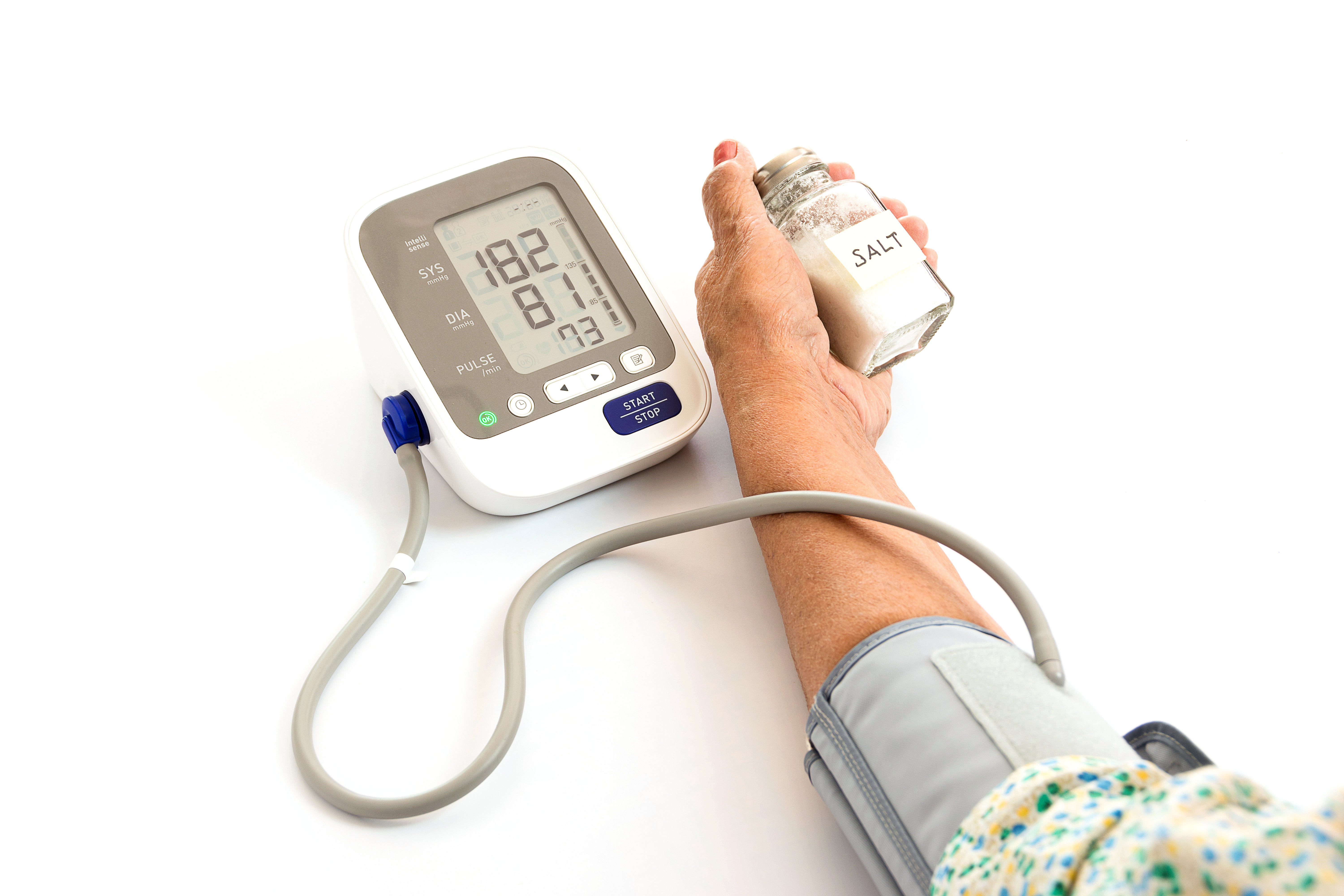
How to read blood pressure values?
Blood pressure readings typically consist of three numbers: the top number (SYS) indicates the pressure when the heart beats, the middle number (DIA) indicates the pressure when the heart relaxes, and the bottom number (PULSE) indicates the heart rate.
‘The top number (SYS) should not exceed 140, and the bottom number (DIA) should not exceed 90. If they do, it is considered high blood pressure.’ The normal blood pressure reading is 120/80. If the reading is 130/85, it may indicate a risk of developing hypertension.
Daily blood pressure readings can fluctuate. Before measuring, it is advisable to sit quietly for five minutes to recover from any exertion. Try to avoid stress or anger, as emotions can significantly affect blood pressure readings.
‘High blood pressure can be easily prevented’
1. Reduce salt intake and consume fiber-rich foods that aid digestion instead.
2. Avoid alcohol consumption.
3. Avoid smoking or exposure to secondhand smoke.
4. Ensure adequate rest (some believe that those with high blood pressure should rest less, thinking that less sleep lowers blood pressure, which is a misconception; insufficient sleep can actually lower blood pressure further).
5. Maintain a healthy weight.
6. Engage in regular moderate exercise, avoiding excessive strain.
“Long-duration exercise can improve blood pressure. Focus on moderate exercise, not overly strenuous activities, and aim for at least 150 minutes of continuous activity each week.”
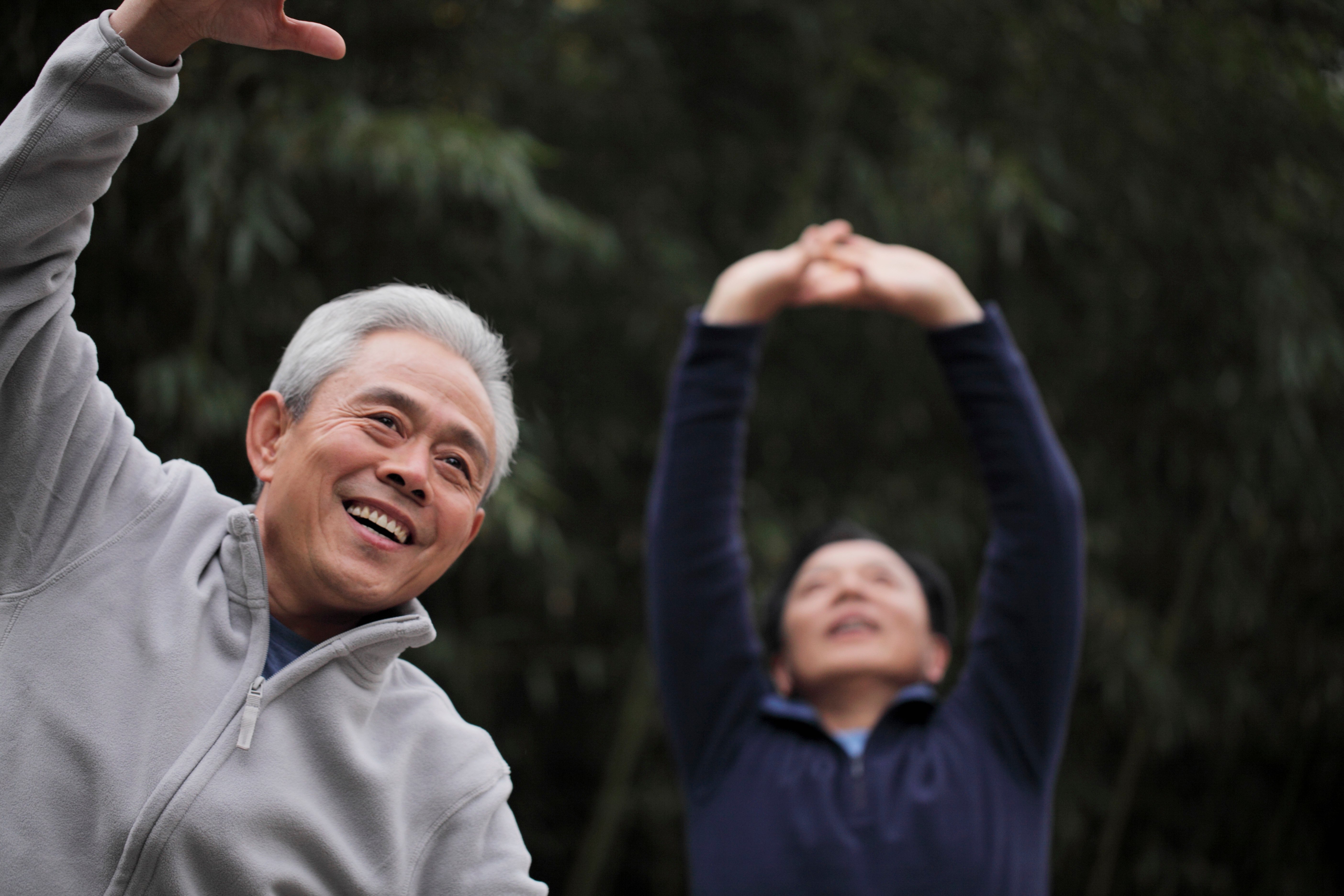
For individuals with high blood pressure, cardio exercises are recommended. However, those taking blood pressure medications should be cautious, as heart rate monitors may not function correctly due to the effects of Beta Blockers. It is advisable to assess exercise intensity using the Rating of Perceived Exertion (RPE), which evaluates effort based on perceived fatigue and physical capability. For resistance training, focus on proper breathing (exhaling during exertion) and use lighter weights with higher repetitions.
Precautions for exercise
Avoid holding your breath during exertion, whether lifting weights, exercising, or using the restroom. Change positions slowly to prevent sudden drops in blood pressure (Orthostatic Hypotension), such as standing up too quickly after bending down or getting up from lying down too fast. Avoid isometric exercises that require holding a position without movement, like planks.
Therefore, if you have parents or elderly relatives with this condition, prioritize healthy eating, reduce risk factors, ensure adequate rest, maintain a relaxed mindset, and exercise regularly alongside following medical advice.
However, if you are a child or teenager who has not yet developed this condition, do not be complacent thinking it will never happen to you. The incidence of high blood pressure is increasingly being observed in younger patients. Therefore, we should take care of our health starting today, as prevention is far less costly and time-consuming than treatment.
Thank you for the information from www.thaihealth.or.th