It's Okay to Still Be Scared… Simple Ways to Cope When Returning Home After an Earthquake
Following the earthquake on March 28, which caused anxiety across the nation, many people's homes and condos may have been repaired by now, and they are starting to prepare to return home. However, some may still feel fearful, anxious, or even experience phantom sensations of dizziness during normal times, leading them to question, "Is something wrong with me?"
These feelings and symptoms are not unusual. Fear and stress after an unexpected event are normal reactions of the body and mind. These symptoms can genuinely occur according to psychological principles, known as Post-Traumatic Stress Reaction (PTSR).

Why Do We Still Feel Unsafe When Returning Home?
After an event that impacts our sense of security, like an earthquake, a home that once felt like a "safe space" can unintentionally become a "place of uncertainty." This is especially true if we were in a high-rise building during the event and experienced the tremors firsthand. Returning to the same location may trigger repeated fears or feelings of paranoia, such as listening for sounds, having nightmares, or being startled by even slight vibrations.
According to the Department of Mental Health, post-event symptoms, such as those following an earthquake, can manifest in various ways, including insomnia, nightmares, easily startled hearts, anxiety when hearing familiar sounds, or reluctance to be in tall buildings. These are protective mechanisms of the brain to keep the body alert and ready to face danger.
So, How Can We Cope?
1. Start by Acknowledging Your Feelings - Don’t suppress your fear. Gradually adjust your mindset with simple methods that can be done at home.
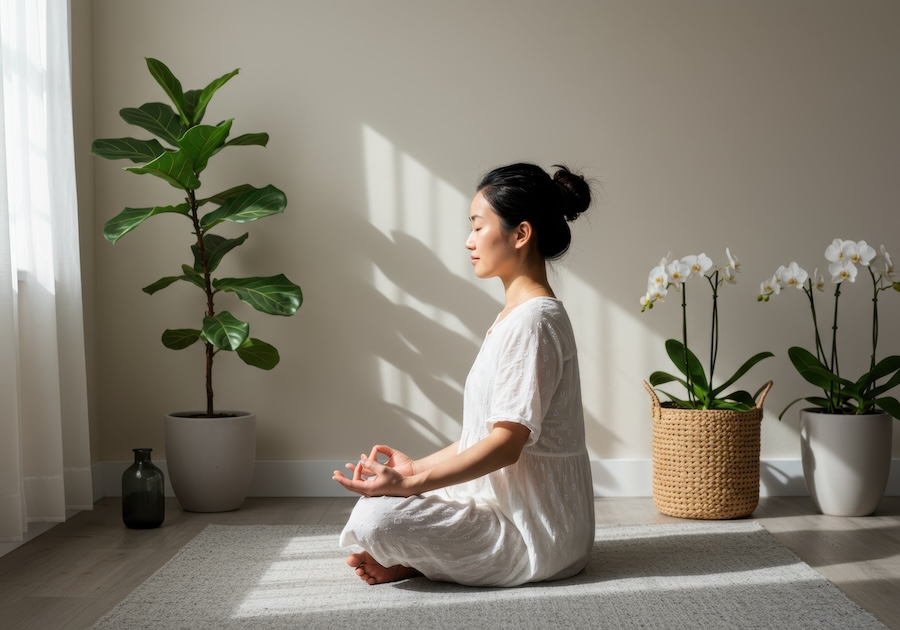
2. Practice Mindfulness - Such as focusing on your breath or concentrating on small things in the present. This can help reduce rumination. Practicing deep, slow breathing for just a few minutes (3-5 minutes) each day can calm the mind and improve the nervous system's functioning, reducing stress hormone levels. You can use Grounding Techniques, which are simple methods that help bring us back to the "present moment" when facing negative emotions, stress, or panic. This technique is widely used by psychologists to pull individuals out of "ruminating thoughts" or "fears in their heads" to become aware of their surroundings and feel safe in the moment.
One recommended and very easy method is the 5-4-3-2-1 technique when feeling anxious or panicked:

- 5 - Focus on what you can see, such as white curtains, a table, a potted plant, your favorite shoes, or light coming through the window.
- 4 - Focus on what you can feel, such as the ground beneath your feet, the texture of a blanket, the temperature of the air, or your hand holding a glass.
- 3 - Focus on what you can hear, such as the sound of cars passing by, a fan, or people talking on TV.
- 2 - Focus on what you can smell, such as the scent of coffee, soap, or if not available, try inhaling the scent of lotion, perfume, or essential oils.
- 1 - Focus on what you can taste, such as the taste of tea you’re sipping, or slowly sip something like water.
3. Reduce and Limit Exposure to Fear-Inducing News - Especially before bedtime, as the brain tends to retain stressful images more than usual. Choose to follow only summaries from reliable news sources.
4. Stay in Comfortable Spaces - Such as your favorite corner at home, adjusting lighting and scents to create a relaxing atmosphere can help your mind recover faster.
5. Communicate with Trusted Individuals - Don’t keep it to yourself. Talk to family or friends about what’s bothering you in a safe environment. This is one effective healing method that can lighten your emotional load.
6. Engage in Activities That Provide a Sense of Control - Such as gardening, organizing your home, journaling, or doing small tasks that make you feel "in touch with yourself" and gradually bring you back.
7. Create a Relaxation Corner at Home - Such as playing soft music, lighting scented candles, reading a book, or engaging in light activities that help you focus on the present, like drawing, gardening, or caring for pets.
All of these are simple techniques you can do on your own. However, if symptoms do not improve within a month or begin to affect your daily life, it is advisable to consult a psychiatrist or psychologist for assessment and further guidance. Mental health is just as important as physical health, and addressing issues promptly is the best long-term solution.
References:
https://www.facebook.com/THAIDMH
https://www.verywellmind.com/5-4-3-2-1-grounding-technique-8639390?utm_source=chatgpt.com
https://www.healthline.com/health/grounding-techniques?utm_source=chatgpt.com
https://www.hfocus.org/content/2025/03/33591?utm_source=chatgpt.com