Waste Materials + Innovation = Art: The Perfect Blend of Luxury vs. Sustainability Through Jarupat Acharasamit of Ausara Surface & Textile
In the midst of the changing modern world, 'luxury' is no longer defined by price or brand. Instead, it revolves around awareness, sustainability, and the reflection of our identities through the carefully selected materials we choose.
This is an era of redefining luxury, where beauty and consciousness can coexist. Explore the new definitions of 'luxury' and 'sustainability' in the world of art and design through the perspective of “Pook” Jarupat Acharasamit, artist and founder of Ausara Surface & Textile, a textile brand distinguished by its use of metal and waste materials, creatively combined with innovation to produce unexpected art pieces.
Today, Ausara is an internationally recognized brand, with exhibitions scheduled around the world throughout the year. It has collaborated with shops like Cartier and various other global luxury brands, including five-star hotels worldwide.
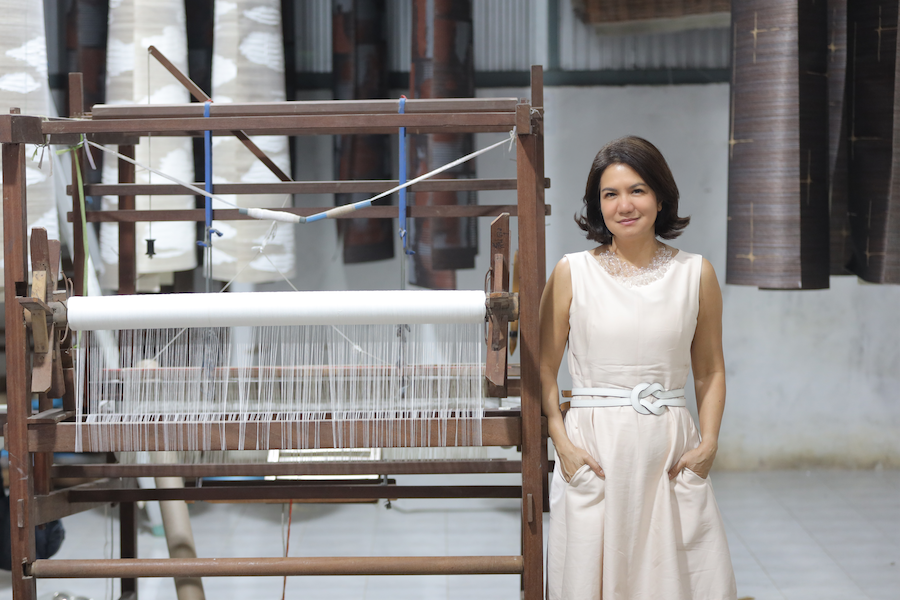
‘Reviving Waste’ into ‘Art’ to Create Value Ausara is one of the few brands in the world that creates textiles from metal scraps and various waste materials, transforming them into art, textiles, furniture, or even interior decorations. The brand's concept aligns with the values of the new generation towards the luxury market, emphasizing a tangible blend of beauty, ethics, and environmental responsibility.
“The reason we named the brand Ausara, which means ‘sun’, is because we use heat in our work. Metal requires heat to change form and color, so heat is an intrinsic part of our creations. We started from a place of Craft and Technology, which evolved during the COVID-19 pandemic. While walking along the beach, we saw waves washing plastic waste ashore, as if nature itself rejected that waste. This became our motivation to drive art from waste materials, transforming worthless items into luxury and valuable art. This marks the turning point in the definition of Ausara today.”
Today, Ausara is a brand that remarkably blends craft with innovation, using unexpected waste materials that people might not guess the origins of, such as factory metal scraps, leather remnants, and leftover blue paint tubes. This gives Ausara's works a unique charm and reflects a luxury intertwined with sustainability.
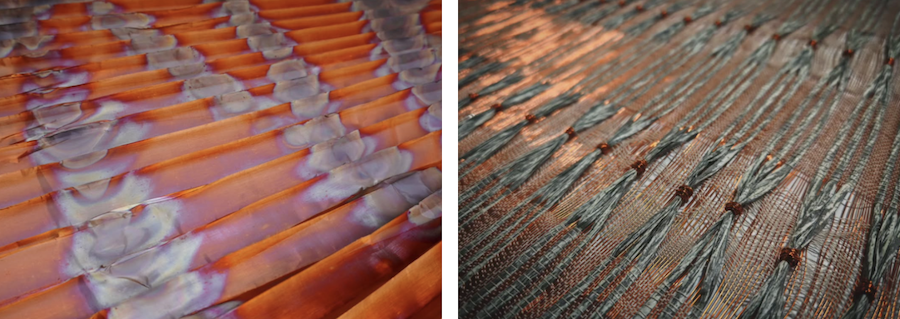
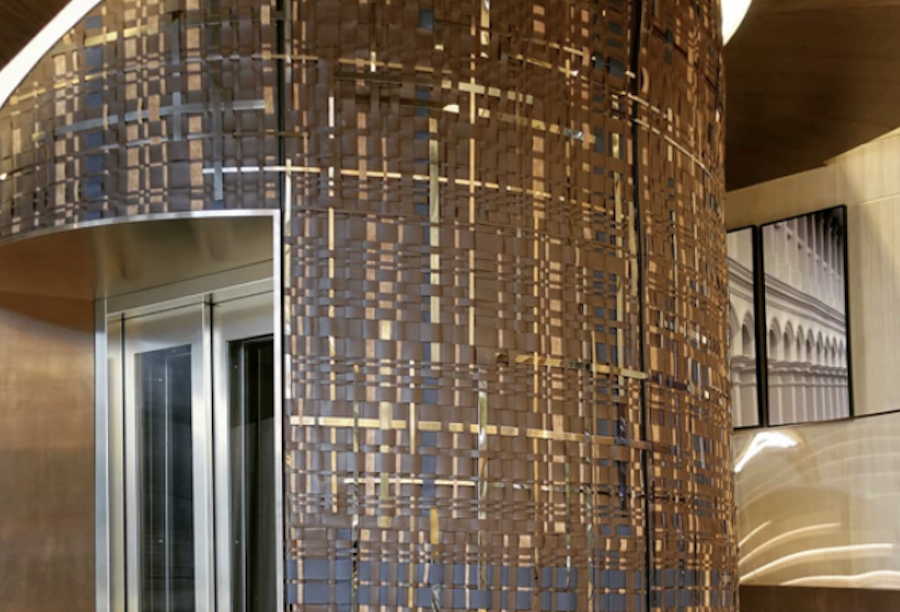
“We want people to reflect and question their consumption behaviors and the use of various items in daily life, starting with metal, a material that can be endlessly recycled. We weave very fine metal fibers into fabric, creating a piece that embodies both textile and metal. Many people purchase our works for their homes or hotels, such as Marriott and Amman hotels, as well as luxury condos and hotels across Thailand, because our work reflects luxury and sustainability.”
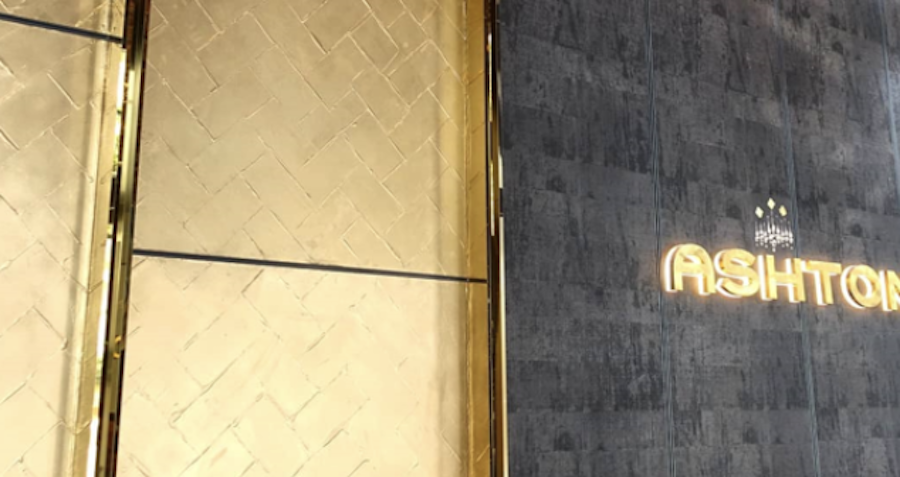
“This is the nature of Ausara. We can turn waste and leftover materials into something memorable. If it’s a fabric made of metal or a sculpture floating in the air, that is an Ausara creation.”
The Future Design Trend in the Luxury World
Imagine walls and ceilings adorned with Ausara Surface & Textile, a Thai textile brand that applies metal and waste materials, standing tall within the luxurious shops of Cartier and other global luxury brands. This is part of what has made Ausara a memorable name, including participation in the Art in Resonance project as an artist-in-residence at the Peninsula Hotel last year.
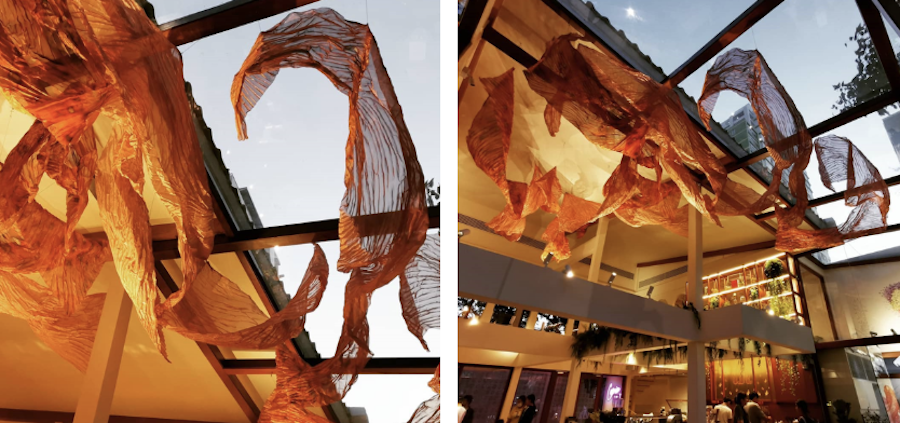
“Our working process is a Slow Process because we want to create works that last, not just for a single season. We prioritize R&D (Research and Development), choosing materials that surprise those who encounter them, which may once have been ‘waste’, but art can elevate them to luxury. This is evident in many condominiums and hotel chains worldwide.”
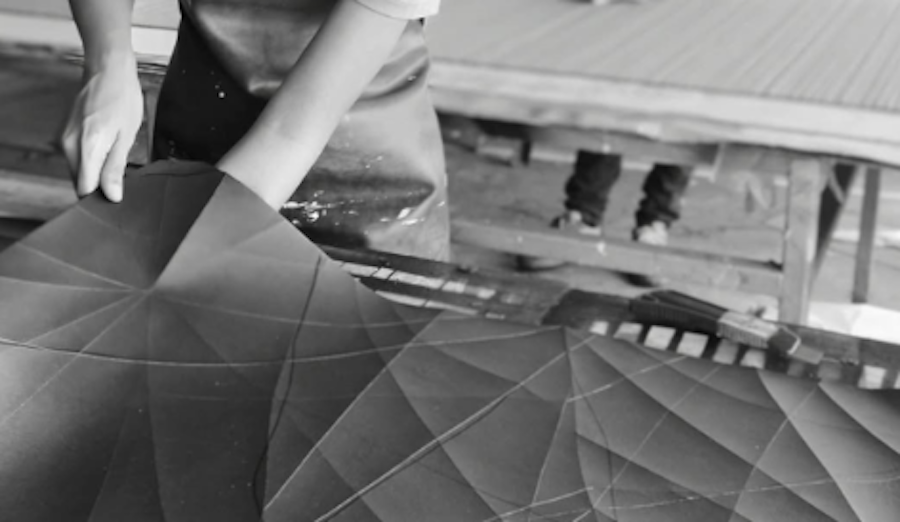
In the past, Jarupat has showcased Ausara's works at exhibitions and events around the world, such as IOTA (The Indian Ocean Craft Triennial), which gathers artists, inventors, and artisans from around the Indian Ocean, held every three years, and the ICAD Indonesian Contemporary Art & Design event in Jakarta, Indonesia, which focuses on repurposing waste materials through technology and innovation to give them a second life, making you forget they were once trash.
“We strive to create what we call 'Unexpected and Unconventional', where you cannot predict that this piece was once metal or waste material because it’s something no one has done before. This is the essence of our creative process. In the future, we will focus more on 'Bio', which refers to items that can repair themselves and grow. We are talking about homes that can repair their own walls through biological processes. This is the design and innovation trend of the future, as we are reaching a turning point where materials can repair and rejuvenate themselves, representing a collaboration between humans and nature.”
The new definitions of luxury and sustainability for the future may be determined by the artist's ability to create beautiful, functional, and environmentally friendly items, which is a worthwhile long-term investment that adds value to various objects, extends their lifespan, and reflects the owner's taste.
Insights from the New Generation: When ‘Luxury’ Comes with ‘Responsibility’ to the World
In exploring the concept of luxury today, it may not mean owning high-value items but rather living a life filled with value and meaning. Jarupat expresses that the new generation values experiences, learning, and personal growth more than material possessions. They seek true value in what they choose to use, which must come with sustainability and environmental responsibility. This is the new definition of luxury for the future.
“The definition of luxury has changed significantly today. In the past, we might have associated 'luxury' with 'extravagance', but now luxury comes with convenience, more free time, and personal comfort. Innovation will lead us to luxury in life because the new generation is born into a transitional era, and they inherently care about the environment.”
“Many young people in Europe are vegan because the beef production process creates a high Carbon Footprint. Therefore, the definition of luxury in the modern world is no longer tied to Super Brands; instead, luxury must come with social responsibility, which is embedded in their DNA.”
In a fast-paced world filled with excessive consumption, the key to driving future luxury trends is supporting ethical brands, investing in quality items that can last long. This represents value in both aesthetics and responsibility towards our planet.
“As artists, we question whether luxury can exist on the path of sustainability because luxury is not about price; it must come with a balance between 'wisdom' and 'technology'. Both will provide a new definition of luxury that minimizes harm to the world.”
Moreover, Jarupat sees the importance of collaboration from the government, private sector, and even families, believing that the key to driving change is making informed choices by supporting education and allowing people to learn about sustainability and its environmental impacts.
“Government policies are crucial. The government can create infrastructure systems and various policies that encourage people to care more about the environment and sustainability. If the government sets regulations, it can drive this issue quickly on a larger scale.”
“Because we cannot force anyone to do anything, but we can create motivation for people to think about this issue and rise to create change willingly.”
“Just as Ausara tries to show that waste can become something valuable. Every material has a second, third, fourth, and fifth life if we give it the opportunity to be reused. When they see the value in things, it will no longer be waste, as long as it is in the right place and people recognize its worth.”
Thank you for the accompanying images: Thank you for the images: IG ausarasurface