Green Buildings and Data Centers in Thailand
By Mr. Prabhan Sak Raksaiwan
Managing Director
LWISDOM & SOLUTIONS Co., Ltd.
Hello, members and readers of TerraBKK. The year 2024 has flown by quickly, and we are already in June. How is everyone doing? We have transitioned from the hot season into the rainy season.
The months of April and May were extremely hot in Thailand, with temperatures reaching as high as 45 degrees Celsius in some areas. Many countries in Asia, including India, the Philippines, and Vietnam, faced similar situations with temperatures exceeding 40 degrees Celsius. This has prompted many countries, including Thailand, to prioritize the development of environmentally friendly projects to reduce greenhouse gas emissions. This has been discussed for years and has seen serious implementation over the past decade, especially now as the economy moves into the digital age. The use of alternative energy is becoming increasingly important in the development of various building projects, particularly in energy-intensive structures like Data Centers, which require substantial electricity to store large amounts of data continuously, 24 hours a day, 365 days a year.
Therefore, the development of such buildings must incorporate green building technologies to save energy and minimize environmental impacts.
According to a study by Kasikorn Research Center, the current investment market for data center projects in Thailand ranks third in ASEAN and is expected to grow significantly. However, it still lags behind Malaysia, which has three times the investment value of Thailand. The Thai data center market is projected to grow at an average rate of over 31.2% per year, while Malaysia is expected to grow at around 36.8% over the next four years. Recently, tech giant Microsoft announced its investment in the first data center project in Thailand in early May, signaling a growing demand for data center businesses in Thailand.
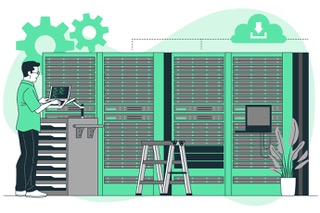
Data centers operate server systems 24 hours a day, requiring enormous amounts of electricity. They also need cooling systems to prevent overheating of equipment and consume large quantities of water to dissipate heat. It is estimated that by 2024, data centers in Thailand will consume 407 megawatts of electricity, equivalent to the energy usage of 407,000 households per year.
Consequently, these buildings often come with various environmental impacts, including carbon footprints and significant electronic waste. For this reason, Thailand is placing greater emphasis on sustainability in the data center industry, which not only helps reduce environmental impacts but also increases rental value, as most operators prioritize sustainability.
A survey by Schneider Electric and 451 Research, which questioned over 800 data center operators, found that 97% of clients have sustainability policies and prioritize using data center services designed with sustainability in mind.
Given this trend, as Thailand aims to elevate the data center industry to a key sector of the economy, the Thai government should implement policies to promote the sustainable development of data center projects in Thailand. This includes policies encouraging investments in renewable energy sources for data centers, such as solar and wind energy, and plans to support businesses in creating and managing environmentally friendly data centers.
Key principles for sustainable data center construction include:
1. Energy Efficiency: As mentioned, data centers consume more energy and water than typical buildings. Therefore, considering energy efficiency is crucial by incorporating various technologies and innovations to address these issues.
- Utilize efficient air conditioning systems, such as chilled-water cooling systems, which can significantly save energy for large buildings.
- Design buildings to prevent external heat from increasing the cooling load on air conditioning systems, such as installing insulation on walls and roofs.
- Use air cooling systems for server heat dissipation instead of water to reduce water consumption in projects, and recycle treated water from cooling systems for reuse.
- Implement Building Automation Systems (BAS) to manage energy use within the building, such as controlling air conditioning and lighting systems when not in use.
2. Use of Renewable Energy: Data centers should consider installing various renewable energy sources, such as solar and wind energy, to reduce reliance on fossil fuels that contribute to greenhouse gas emissions. This is another way to make these server systems more environmentally friendly.
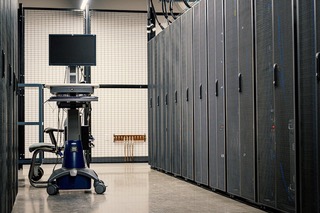
3. Green Building Certification: Implement green building standards in the design or management of buildings, such as LEED (Leadership in Energy and Environmental Design) from the United States and TREES (Thai Rating of Energy and Environmental Sustainability) from Thailand. These standards can serve as guidelines for designing and constructing sustainable data centers. Several data center projects in Thailand have adopted various green building standards, such as:
- STT Bangkok 1 Building:
The data center in the STT Bangkok campus, located on Huamak Road in Bangkok, has a total height of 7 stories and a total building area of 30,000 square meters. It has achieved LEED V4 certification at the Gold level, demonstrating high efficiency in water resource management, energy use, indoor environmental quality, and material and resource utilization.
- PTT New Data Center:
Located in Chonburi, this center has achieved LEED V3 certification at the Gold level. The project utilizes natural gas, a clean energy source, for electricity and cooling, and has installed solar panels to harness solar energy, saving approximately 100,000 baht per month on electricity costs.
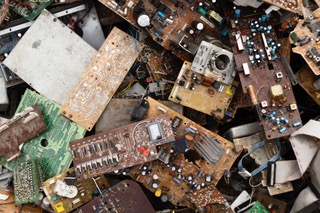
4. Electronic Waste Management: In addition to energy use, data centers also generate electronic waste, often from outdated or broken equipment. If electronic devices are not disposed of properly, they can pose environmental hazards. Proper waste management practices, including recycling and disposal of electronic waste, as well as using methods to extend the lifespan of equipment, are essential to reduce the environmental impact of data centers. For example, reusing functional parts from old servers can help minimize waste generated in the building.
By following these guidelines, Thailand can become a leader in the regional data center business, focusing on environmentally conscious development projects and creating a green economy that not only enhances Thailand's competitiveness in the data center industry but also attracts more investors to this sector.
See you again in July!