“Smart Residence”: A Trend in Home Design for All Ages
Last January, I wrote about “5 Trends in Real Estate Development for 2023,” and “Smart Residence” was one of those five trends. In this March article, I will elaborate on this concept as a guideline for real estate developers and homebuyers looking to develop projects or choose residences under the idea of “Smart Residence.”
According to a survey conducted by Lumpini Wisdom and Solutions Co., Ltd. in August 2022, involving 2,415 respondents regarding their technology needs and what constitutes a “Smart Residence,” over 90% of respondents believe that a smart home must include systems and services within the project, such as CCTV, communication systems/alert signals, and a 24-hour incident reporting and coordination center to ensure residents' safety.
Meanwhile, 88% of respondents emphasized the importance of having an application as part of the service channels to enhance convenience within the residence. Additionally, 80% of respondents prioritized good hygiene, expressing concerns about dust and germs within the project, leading to a demand for systems that eliminate germs and prevent dust. There is also a growing focus on environmental conservation and clean energy, with 50% wanting EV chargers and over 75% favoring automatic recycling bins, as well as the installation of solar cells for generating electricity within the project.
From the survey results, I have summarized four key points for developing smart residences, which can serve as guidelines for project development and as a checklist for homebuyers choosing residences under the concept of “Smart Residence.” These include:
- Comfort
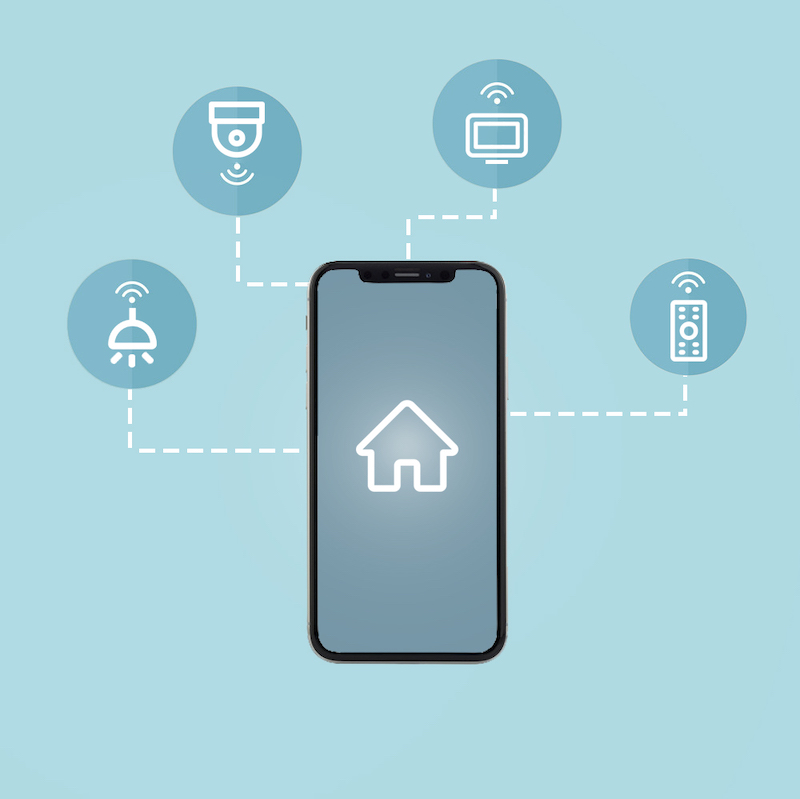
Comfort is at the heart of living. Today, technology facilitates a more comfortable lifestyle within residences, making daily life easier. This includes home automation systems that allow control of various appliances via smartphones, smart lighting systems that can change the color of bulbs, and smart thermostats that regulate home temperature. Additionally, smart service systems that enable access to common areas or communication with property management through an application are essential in today's era.
- Safety
Safety in living spaces is a top priority for people today. Continuous innovations in technology have led to the development of safe living solutions, including active technologies like digital door locks for entrances, key card access systems, and facial recognition systems, as well as passive technologies like home alarm systems and IP cameras controllable via smartphones.
- Wellbeing
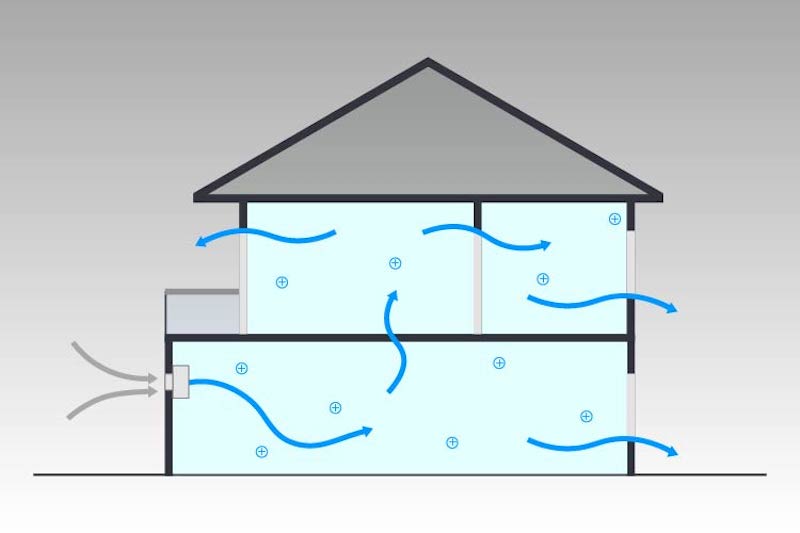
Following the outbreak of the COVID-19 virus and environmental issues, particularly PM2.5 dust in Thailand, people have become more aware of health concerns. Consequently, real estate developers must focus on creating residences that prioritize good hygiene. Current technologies can help reduce the risk of diseases caused by germs and air pollution within buildings, such as touchless entry systems to prevent the spread of infectious diseases, positive air pressure systems to keep dust out, and air conditioning systems that filter PM2.5 dust.
- Environment
Both real estate developers and homebuyers today prioritize environmental considerations, which are crucial for living. When discussing smart residences, beyond technology and innovation, project development must consider environmental conditions and contribute to pollution reduction. Currently, there are eco-friendly innovations that minimize environmental impact, such as using environmentally friendly construction materials, EV chargers for electric or plug-in hybrid vehicles, solar cells that convert sunlight into electricity, energy monitoring systems that allow users to track electricity usage via smartphones, and water leak detectors.
These four points are essential for developing residences under the concept of “Smart Residence,” which many real estate developers are beginning to implement in new projects and use as guidelines for upgrading old projects to increase their value for living. They also serve as a guide for homebuyers in selecting residences.
Often, when buyers go to choose a residence, they find themselves questioning which project to select. After exploring several projects in the same location with similar house designs, prices, and promotional campaigns, how do they decide? I recommend using all four points as a checklist to identify differences and gather crucial information for decision-making, ensuring they choose a residence that meets their needs for comfort, safety, good hygiene, and environmental friendliness—a sustainable living space for all ages.
See you again in April. Stay tuned for what the next topic will be, or if readers have any specific interests, feel free to suggest them. Goodbye!
:: Article by Prabhan Sak Raksaiwan, Managing Director of Lumpini Wisdom and Solutions Co., Ltd.