Weekly Economic Report from the Office of the National Economic and Social Development Council as of April 8, 2022
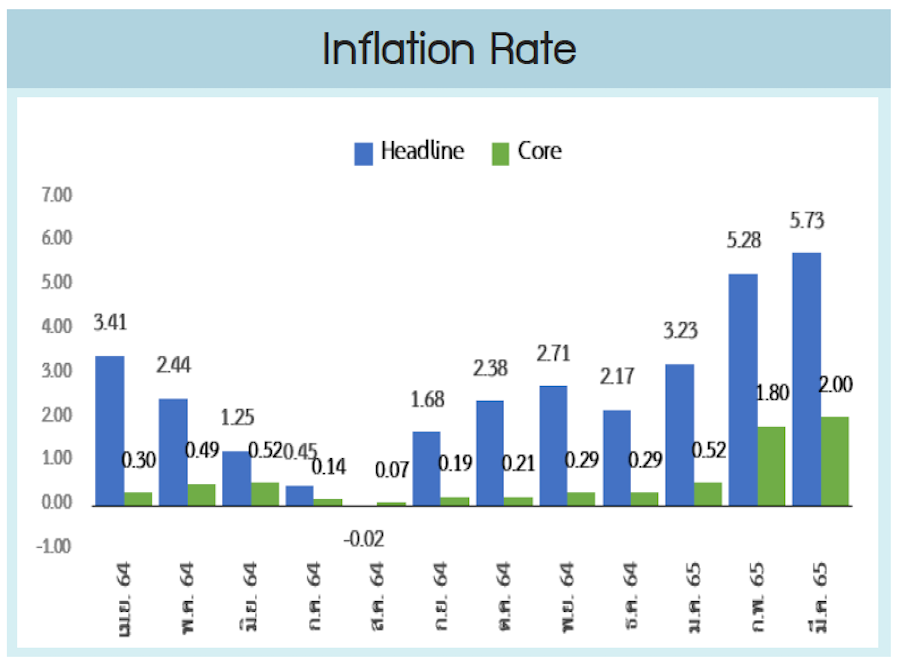
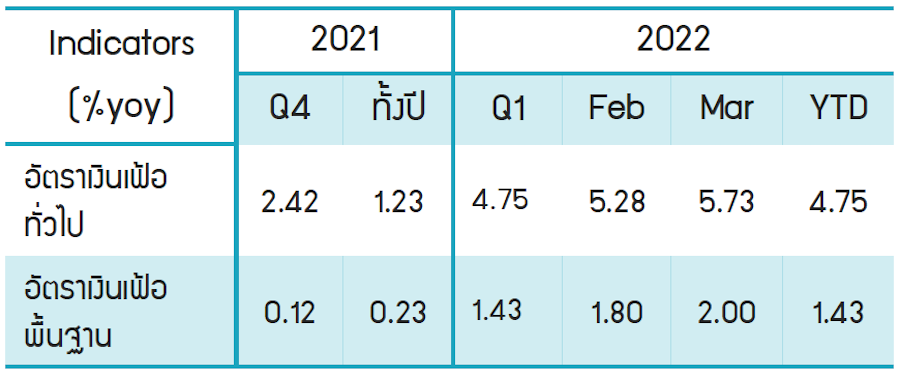
- The general inflation rate in March 2022 grew by 5.7% year-on-year, while the core inflation rate increased by 2.0% year-on-year.
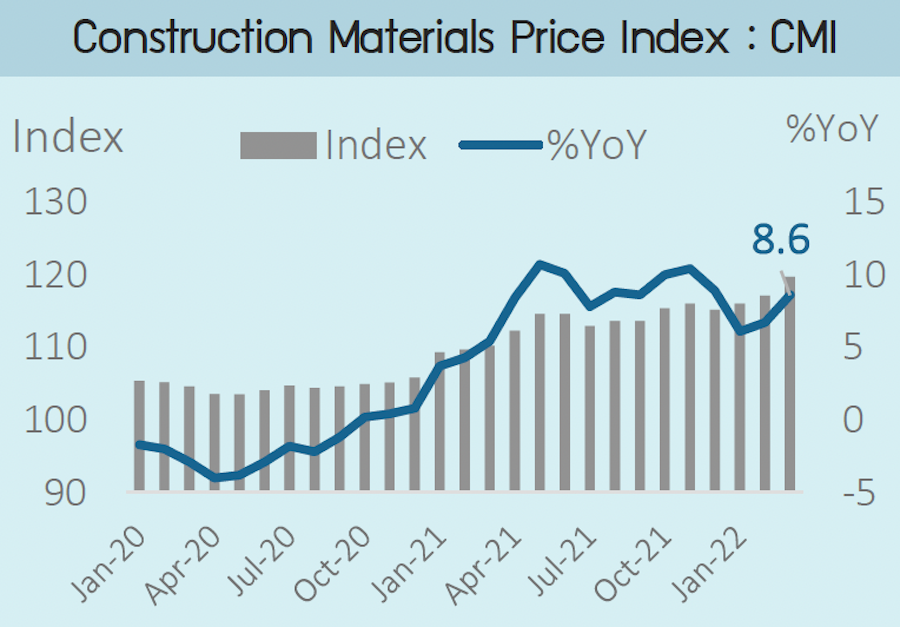
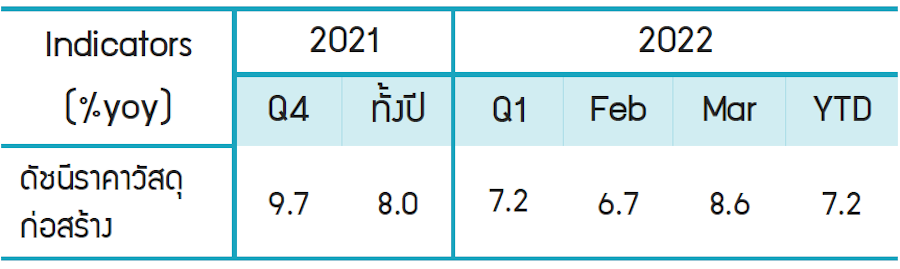
- The construction material price index in March 2022 rose by 8.6% compared to the same period last year.
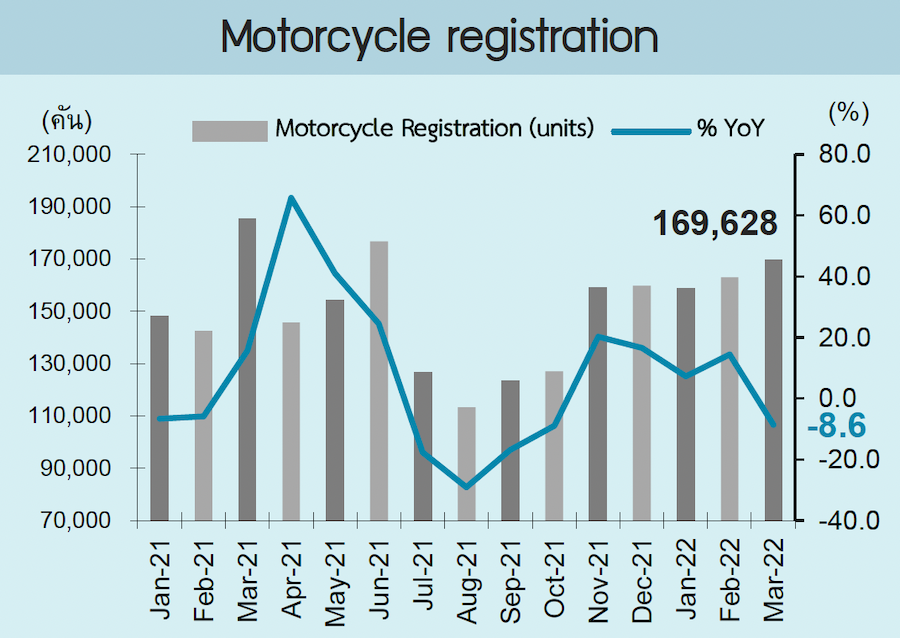
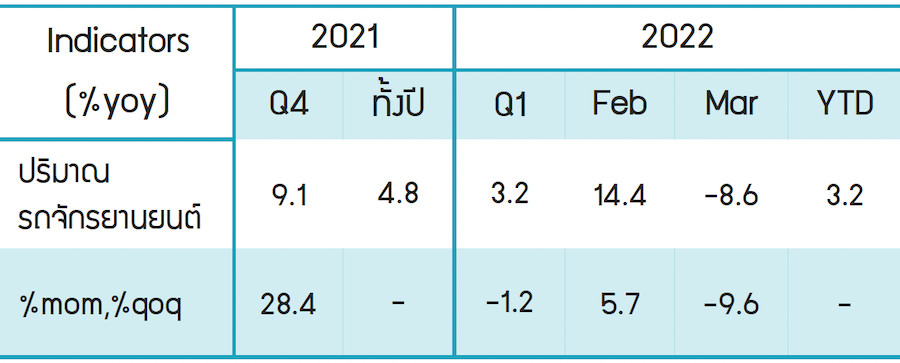
- The number of newly registered motorcycles in March 2022 decreased by 8.6% compared to the same period last year.
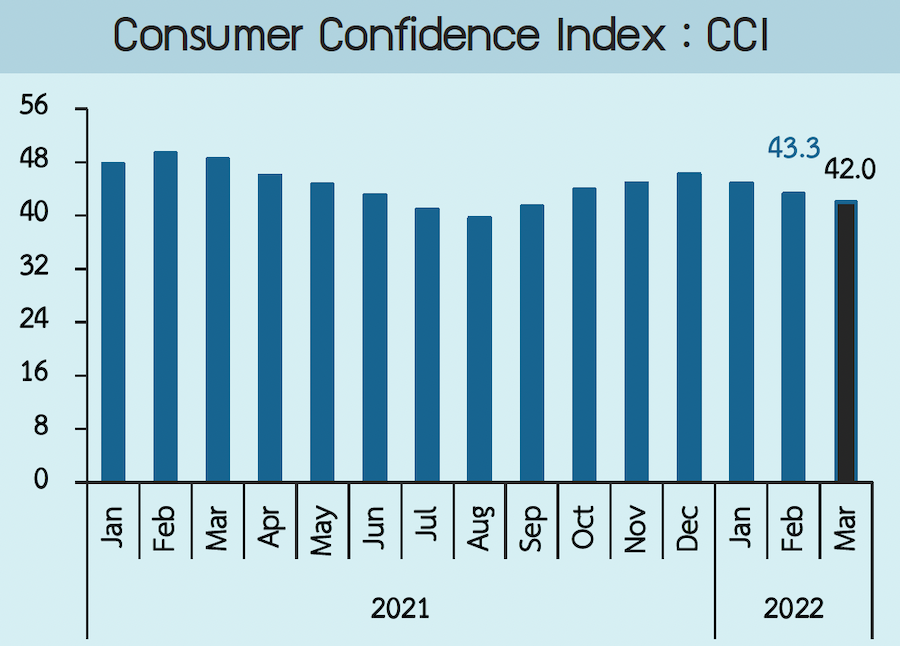
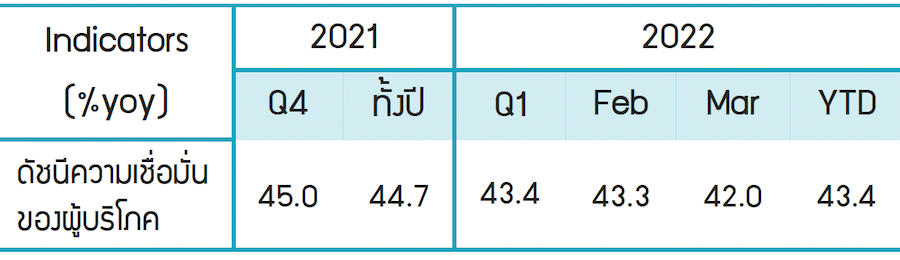
- The consumer confidence index in March 2022 dropped to 42.0 from 43.3 in the previous month.
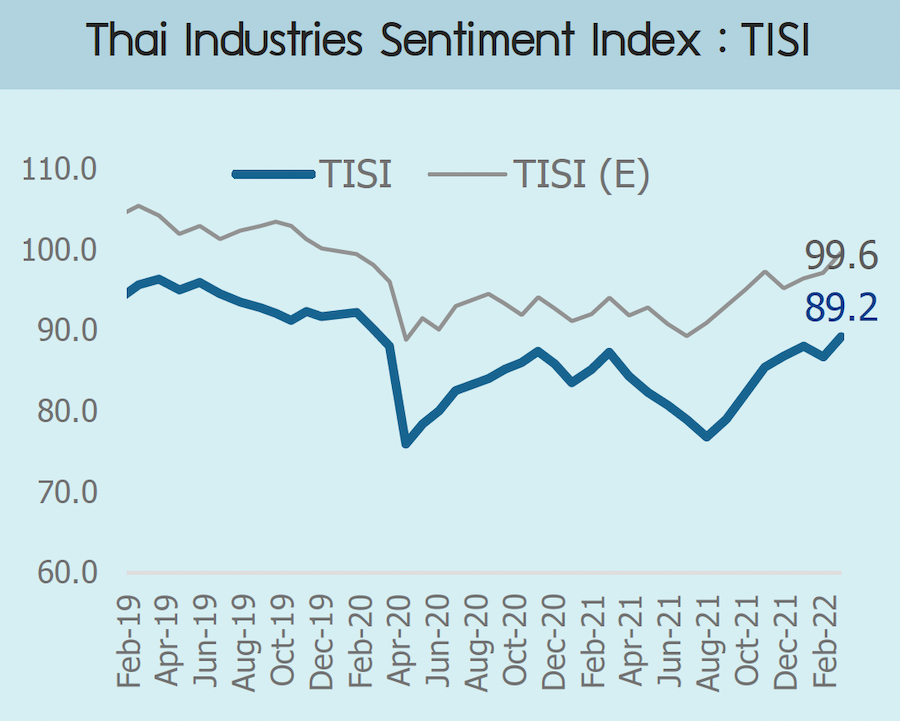
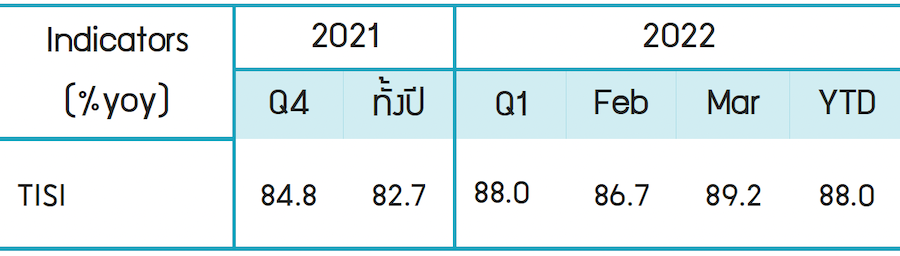
- The industrial confidence index (TISI) in March 2022 increased to 89.2 from 86.7 in the previous month.
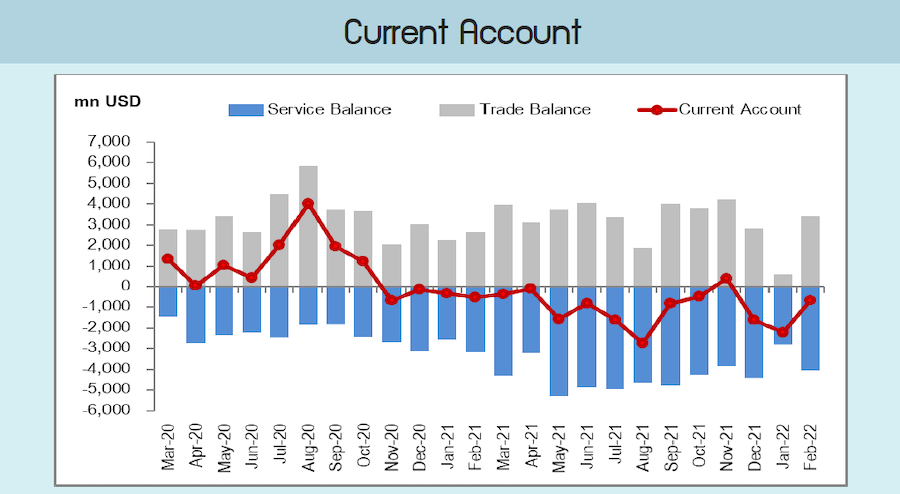
- The current account balance in February 2022 recorded a deficit of -651.9 million USD.
The general inflation rate in March 2022 grew by 5.73% year-on-year.
The main reason is the rising global energy prices due to the Russia-Ukraine conflict, which led to a 31.43% increase in retail fuel prices. Additionally, prices of food and non-alcoholic beverages also rose, particularly for items like eggs, fresh vegetables (such as lime, Chinese cabbage, coriander), pork, and fresh chicken. However, prices for staple foods, especially rice and meat, decreased, while the prices of cooking ingredients and ready-to-eat foods increased at a slower rate. Prices of other goods and services remained stable, aligning with consumer demand. Excluding fresh food and energy, core inflation grew by 2.00%, and in the first quarter of 2022, general inflation rose by 4.75% (YoY), while core inflation increased by 1.43% year-on-year.
The construction material price index in March 2022 grew by 8.6% compared to the same period last year.
The construction material price index in March 2022 has increased for 18 consecutive months due to high raw material and energy costs, such as oil, coal, and steel. This resulted in growth across all categories of the index, particularly in key categories like steel and steel products, concrete products, and cement, which grew by 19.8%, 6.0%, and 5.6% year-on-year, respectively (these three categories account for over 53% of the index), impacting the production and transportation costs of construction materials.
The current account balance in February 2022 recorded a deficit of -651.9 million USD, a decrease from the previous month's deficit of -2,204.4 million USD.
The trade balance (according to the BOP system) showed a significant surplus of 3,391.3 million USD compared to the previous month, while the service, income, and transfer balance recorded an increased deficit of -4,043.2 million USD.
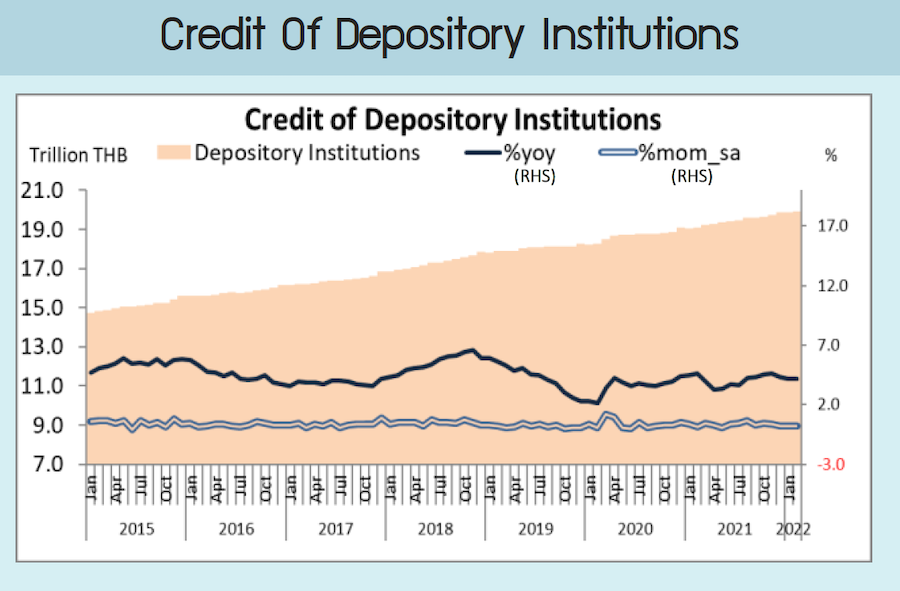
Loans in financial institutions in February 2022 had an outstanding balance of 19.9 trillion THB, representing a growth of 4.2% from the same period last year.
This represents a slowdown in growth of 0.2% from the previous month (after adjusting for seasonal effects). When categorized by loan type, business loans grew at an accelerated rate of 6.0% from the same period last year, while consumer loans remained stable at 3.2% growth from the same period last year.
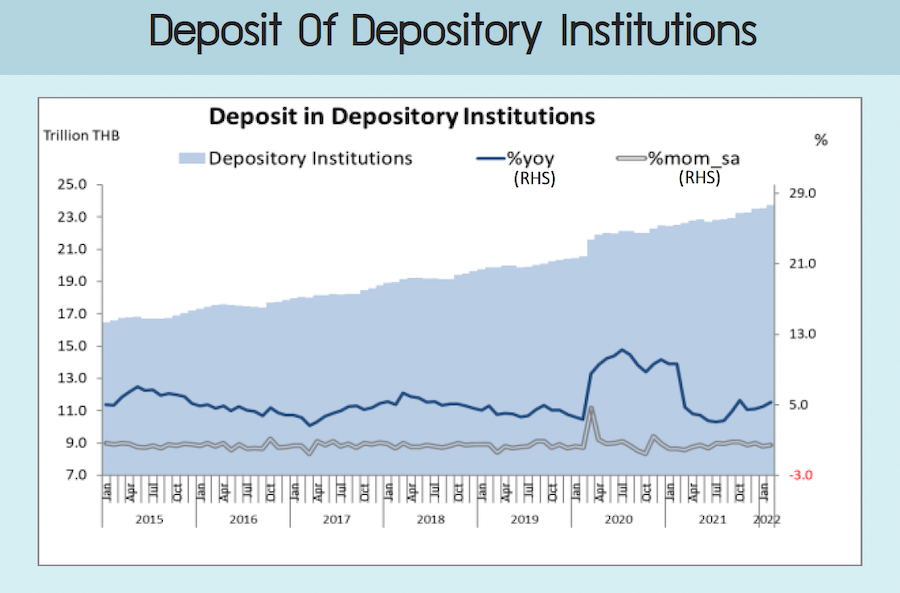
Deposits in financial institutions in February 2022 had an outstanding balance of 23.7 trillion THB, representing a growth of 5.3% from the same period last year.
After adjusting for seasonal effects, this represents an accelerated growth of 0.4% from the previous month. Deposits from commercial banks grew at an accelerated rate of 5.3% from the same period last year, while deposits from specialized financial institutions grew at a slower rate of 5.5% from the same period last year.
The number of newly registered motorcycles in March 2022 decreased by 8.6% compared to the same period last year, and when compared to the previous month after adjusting for seasonal effects, it decreased by 9.6%
This marks the first decline in five months since October 2021, due to the resurgence of the Omicron variant of COVID-19 and the continuous rise in the prices of goods and living expenses. Additionally, the high level of household debt remains a significant factor hindering the recovery of purchasing power.
The consumer confidence index in March 2022 decreased to 42.0 from 43.3 in the previous month, marking the third consecutive month of decline and the lowest level in six months.
This decline is attributed to consumer concerns regarding the spread of the Omicron variant of COVID-19 and rising living costs, as well as significant worries about the war between Russia and Ukraine, which may lead to higher global oil prices and impact production costs. These factors may slow down the global economic recovery and potentially affect exports and the Thai economy in the future. Furthermore, the continuous rise in oil prices and the high cost of goods have led to a decline in consumer confidence both currently and in the future.
The industrial confidence index (TISI) in March 2022 increased to 89.2 from 86.7 in the previous month.
The TISI index in March 2022 reached its highest level in 25 months, with nearly all components of the index increasing from the previous month, except for operating costs, which continued to decline. This improvement is supported by the easing of COVID-19 control measures both domestically and internationally, leading to a gradual recovery in economic activities and increased demand for industrial goods. At the same time, producers are rushing to manufacture goods for delivery before the Songkran festival. However, the high production costs due to the impact of the Russia-Ukraine conflict (e.g., animal feed, chemical fertilizers, and raw materials for aluminum steel production) remain a significant pressure point for the Thai manufacturing sector. In the near future, the confidence of entrepreneurs is expected to continue improving in line with recovering domestic and international demand, resulting in the confidence index for the next three months increasing to 99.6 from 97.1 in the previous month.
United States.
The export value in February 2022 grew by 21.8% compared to the same period last year, accelerating from the previous month's growth of 15.6% compared to the same period last year, marking the highest growth in three months.
The import value in February 2022 grew by 21.1% compared to the same period last year, slowing down from the previous month's growth of 21.3% compared to the same period last year.
The trade balance in February 2022 recorded a deficit of -85 billion USD, a decrease from the previous month's deficit of -102 billion USD.
The PMI index for the non-manufacturing sector (ISM) in March 2022 stood at 58.3 points, up from 56.5 points in the previous month due to the easing of pandemic control measures, while labor shortages eased amid rising raw material costs, transportation challenges, and geopolitical concerns affecting inflation, energy prices, and business confidence.
The number of initial jobless claims for the week of March 27 - April 2, 2022, was at 166,000, down from the previous week's level of 202,000, indicating strength in the U.S. labor market. Meanwhile, the four-week moving average of jobless claims, which smooths out weekly volatility, decreased from the previous week to 170,000.
China.
Retail sales in February 2022 grew by 5.0% compared to the same period last year, slowing down from January 2022's growth of 8.4% compared to the same period last year. However, this growth exceeded market expectations of 4.8% year-on-year.
Eurozone
The PMI index for the services sector (Caixin) in March 2022 stood at 42.0 points, down from 50.2 points in the previous month, marking the lowest level since March 2020 and indicating a contraction in the services sector for the first time in seven months amid the COVID-19 outbreak and strict pandemic control measures.
Australia
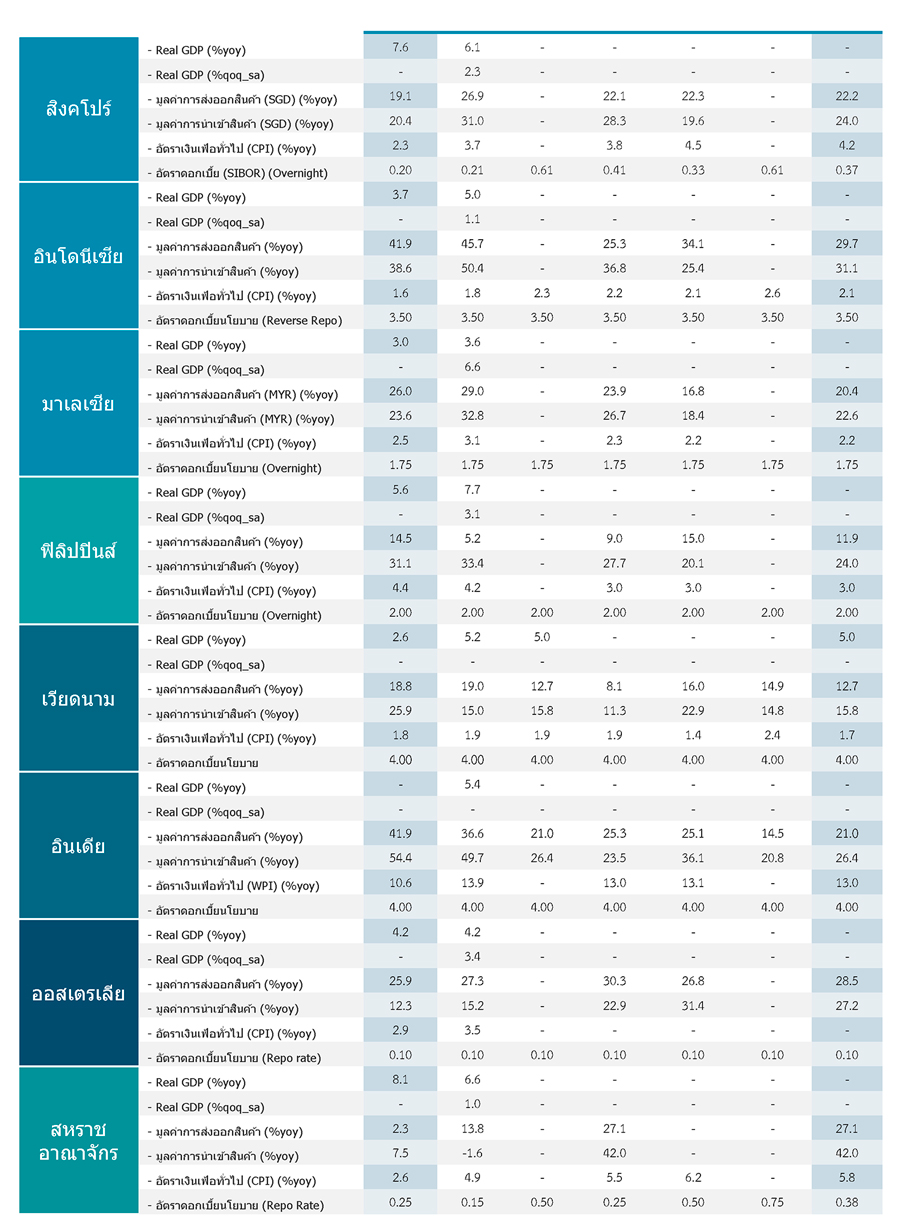
The Reserve Bank of Australia decided to maintain the policy interest rate at 0.1% during the April 2022 meeting, stating that if inflation rises to 2-3% in the medium term, the bank will consider raising interest rates. The export value in February 2022 grew by 26.8% compared to the same period last year, slowing down from the previous month's growth of 30.3% year-on-year. The import value in February 2022 grew by 31.4% compared to the same period last year, accelerating from the previous month's growth of 22.9% year-on-year. The trade balance in February 2022 recorded a surplus of 7.7 billion AUD, down from the previous month's surplus of 11.8 billion AUD.
Singapore
The PMI index for the manufacturing sector in March 2022 stood at 50.1 points, slightly down from 50.2 points in the previous month. Retail sales in March 2022 contracted by 3.4% compared to the same period last year, down from the previous month's growth of 12.0% year-on-year, primarily due to sales of food and alcoholic beverages.
Indonesia
The consumer confidence index in March 2022 stood at 111.0 points, down from 113.1 points in the previous month.
Malaysia
The unemployment rate in February 2022 was at 4.1% of the total labor force, down from 4.2% in the previous month.
India
The PMI index for the manufacturing sector in March 2022 stood at 54.0 points, down from 54.9 points in the previous month, marking the lowest level in six months due to the slowest factory activity since September 2021, resulting from a decline in new orders and production, along with a significant drop in new export orders. The PMI index for the services sector in March 2022 stood at 53.6 points, up from 51.8 points in the previous month, marking the highest level in three months, supported by increased domestic production and demand following the easing of pandemic control measures. The Reserve Bank of India decided to maintain the policy interest rate at 4% per annum and kept the reverse repo rate, which is the rate at which the central bank borrows from commercial banks, at 4% per annum to support economic growth amid inflationary pressures and escalating tensions from the Russia-Ukraine conflict.
Philippines
The export value in February 2022 grew by 15.0% compared to the same period last year, accelerating from the previous month's growth of 8.9% year-on-year. The import value in February 2022 grew by 20.1% compared to the same period last year, down from the previous month's growth of 27.5% year-on-year. The trade balance in February 2022 recorded a deficit of -3.5 billion USD, improving from the previous month's deficit of -4.7 billion USD. The inflation rate in March 2022 was at 4.0% year-on-year, accelerating from the previous month's rate of 3.0% year-on-year, primarily due to housing prices. The unemployment rate in February 2022 was at 6.4% of the total labor force, unchanged from before. The industrial production in February 2022 grew by 92.4% compared to the same period last year, increasing from the previous month's growth of 21.8% year-on-year, primarily due to production from refined petroleum products.
South Korea
Supported by rising energy and commodity costs due to the crisis in Ukraine, increasing pressure on the central bank ahead of the interest rate decision meeting next week.
Financial Market Indicators and Exchange Rates
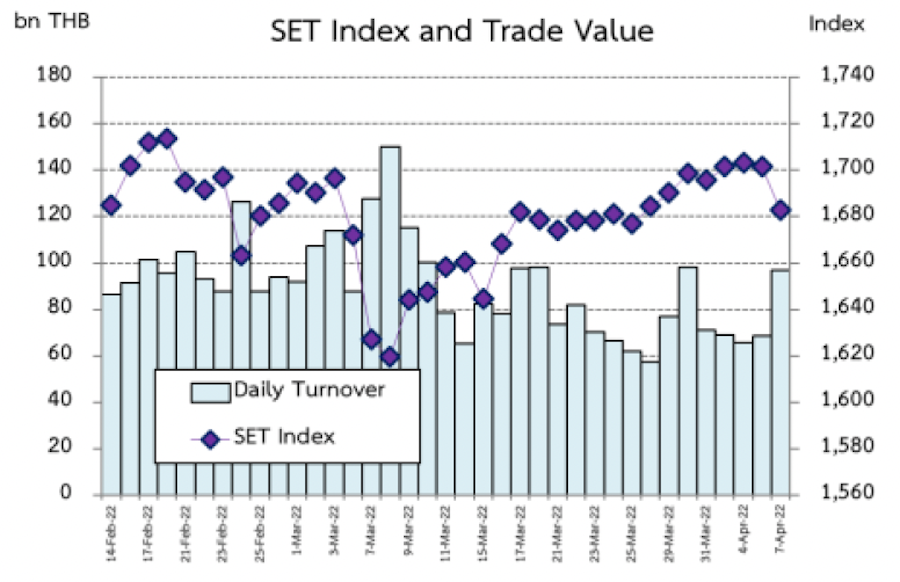
The SET index increased from the previous week, contrary to other regional stock markets that declined, such as Nikkei225 (Japan), STI (Singapore), and DJIA (USA). On April 7, 2022, the index closed at 1,682.41 points with an average trading value between April 4-7, 2022, of 77,154.17 million THB per day. Foreign investors, domestic retail investors, and securities account investors were net buyers, while domestic institutional investors were net sellers. During April 4-7, 2022, foreign investors net purchased securities worth 2,068.09 million THB.
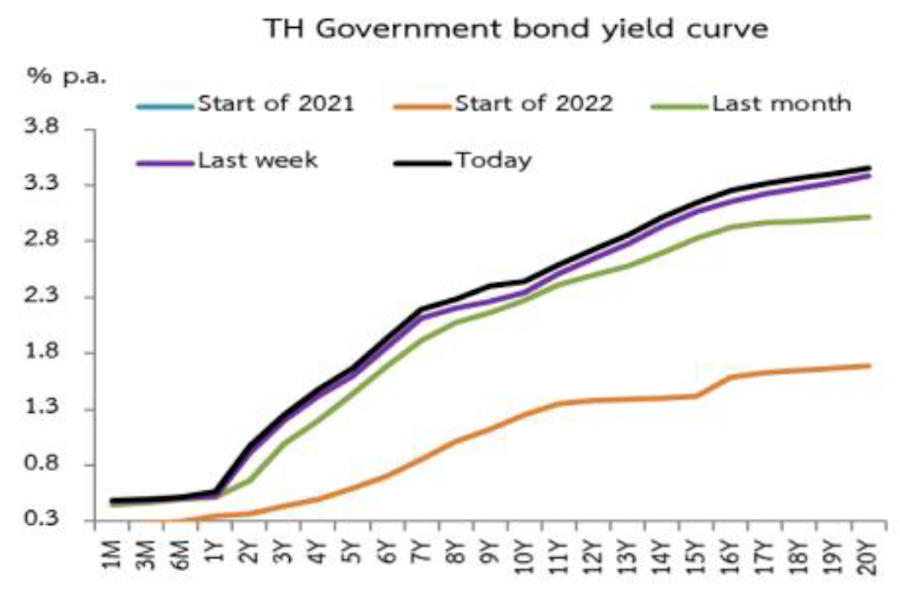
The overall yield on government bonds increased by 1 to 14 basis points. This week, investors showed interest in bidding for 11-year government bonds at a ratio of 2.21 times the auction amount. During April 4-7, 2022, foreign investor capital flowed into the bond market, netting 5,794.18 million THB, and since the beginning of the year until April 7, 2022, foreign investor capital has flowed into the bond market, netting 33,776.32 million THB.
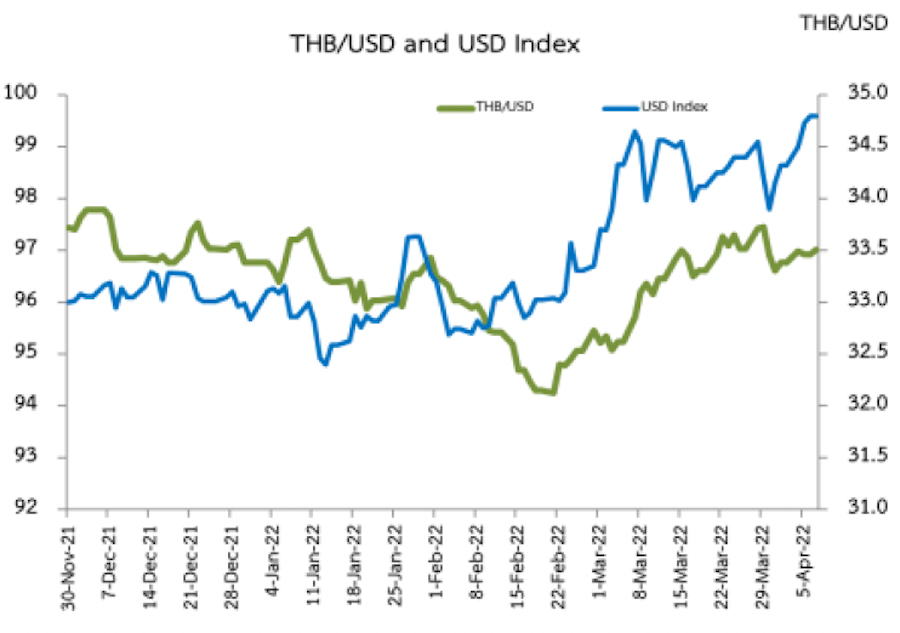
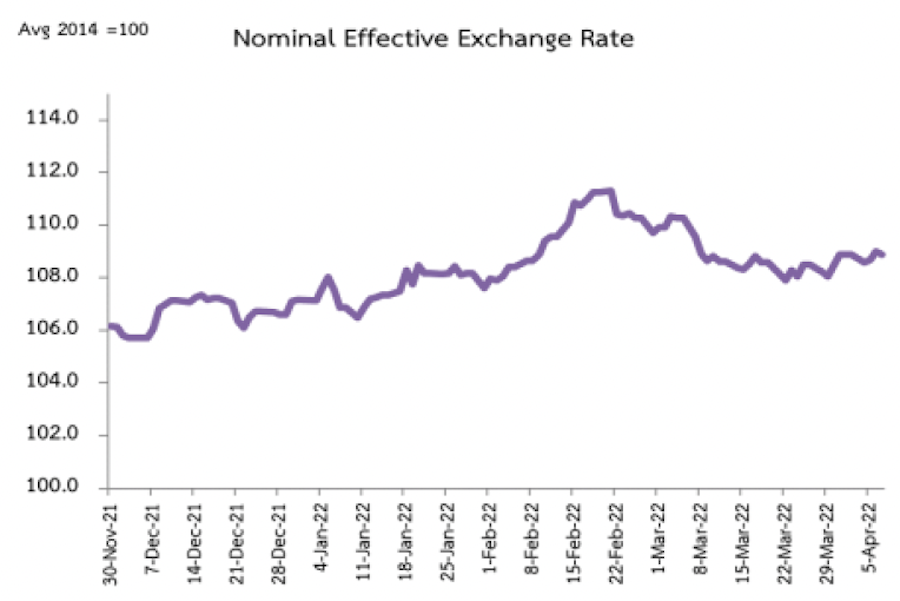
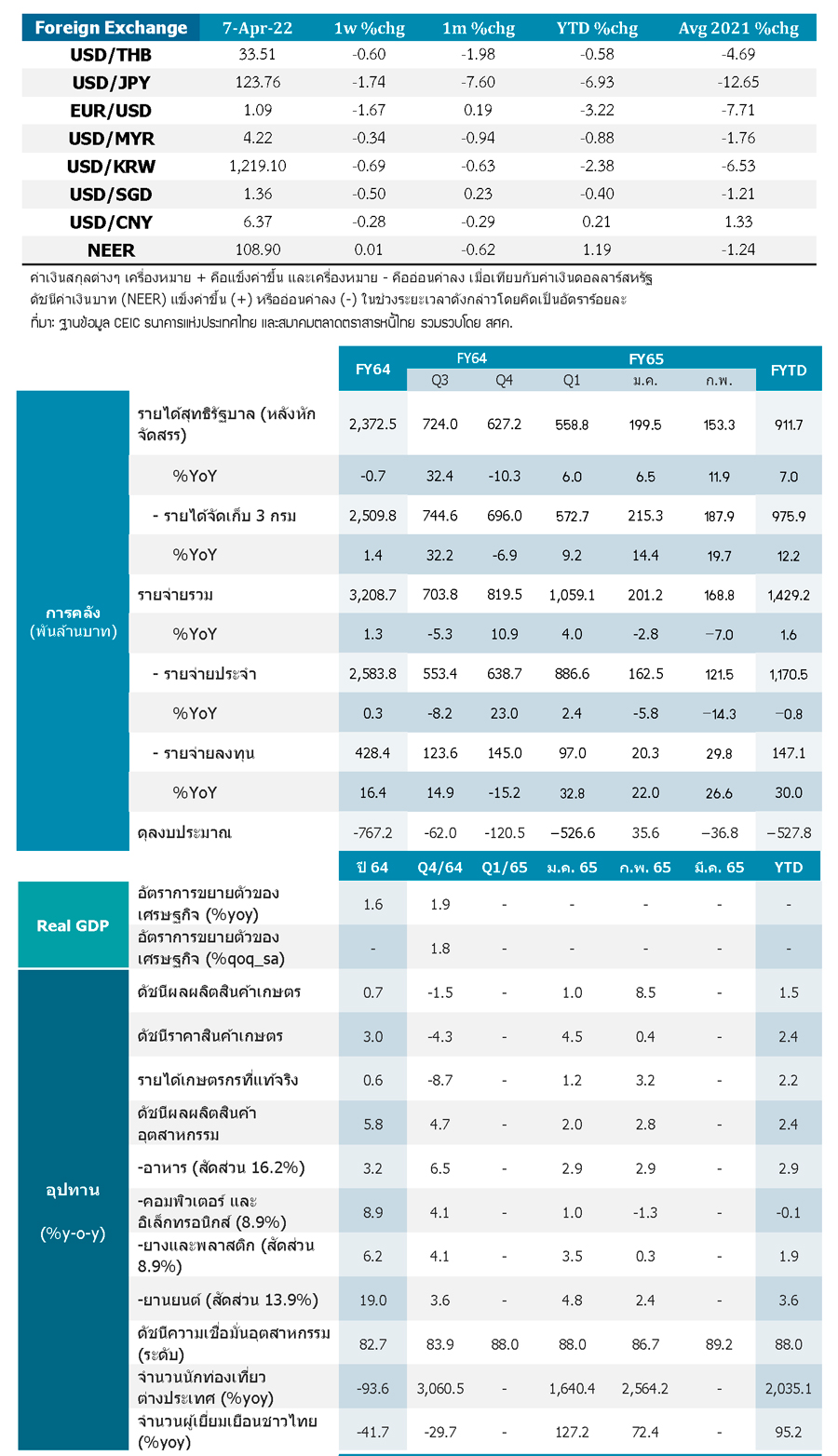
The Thai Baht weakened from the previous week, closing at 33.51 THB per USD on April 7, 2022, a decrease of 0.60% from the previous week, in line with other regional currencies such as the Yen, Euro, Ringgit, Singapore Dollar, and Yuan, which also depreciated against the USD. However, the Baht depreciated less than other regional currencies, resulting in the NEER index appreciating by 0.01% from the previous week.
Thank you for the information from: Macroeconomic Policy Bureau, Fiscal Policy Office, Ministry of Finance, 02-273-9020 Ext. 3259