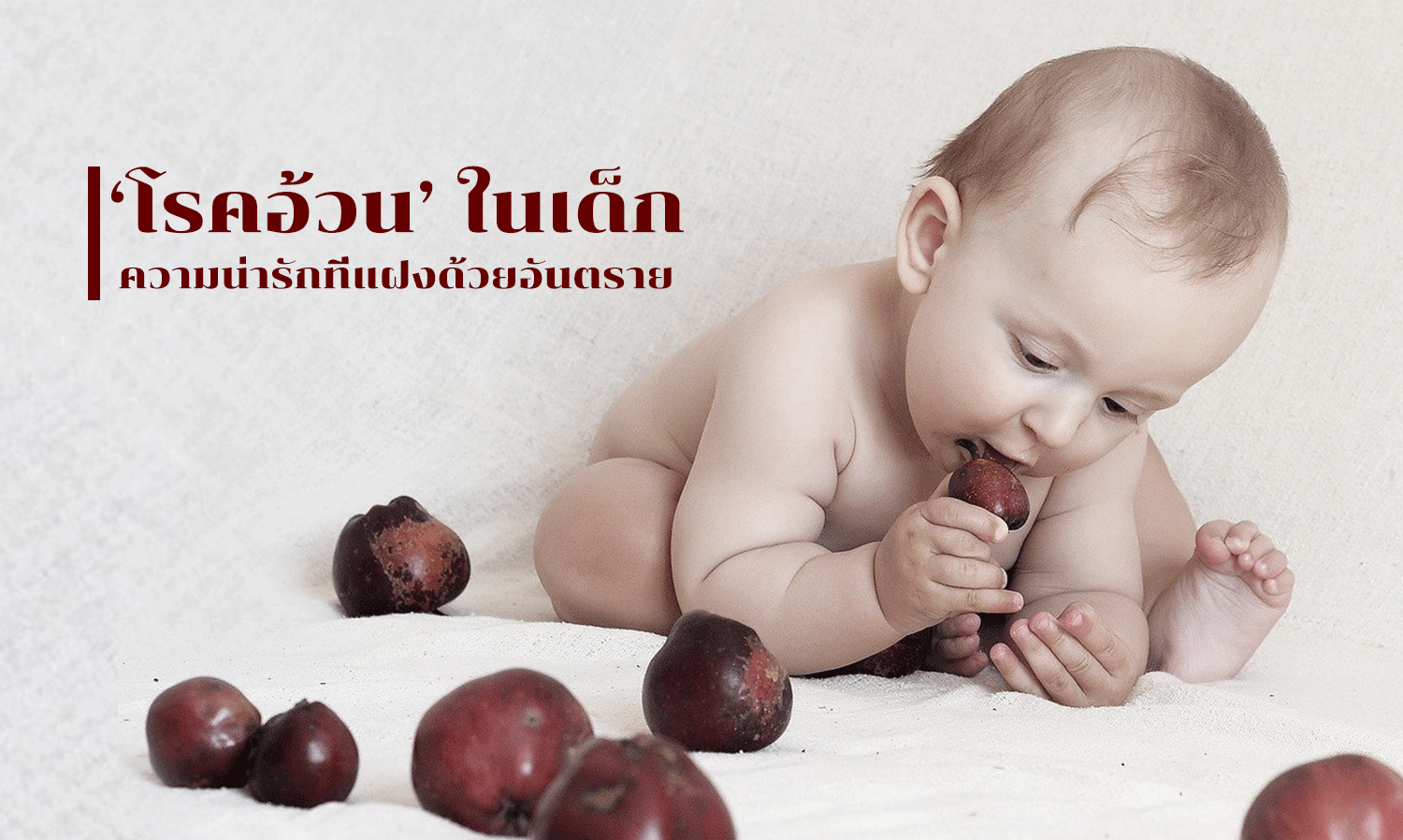
'Childhood Obesity': The Cuteness Hidden with Danger
Many people say that 'chubby children' are adorable and huggable, but did you know that "obesity" in children is a cuteness that comes with risks?
Many adults often think that 'chubby children' are cute and cuddly, but little do they know that this cuteness stemming from being overweight may not be beneficial. If children continue to gain weight, they may face numerous health issues in the long run. Statistics show that the number of children worldwide suffering from 'obesity' has increased 2-3 times since 1980, with no signs of decline.
- Causes of 'Obesity' in Children
The causes of obesity in children are multifaceted, including dietary changes in an era filled with high-energy fast food and a lack of exercise that does not balance the energy intake each day. Therefore, parents and guardians play a crucial role in keeping their children away from childhood obesity by ensuring their diet is nutritionally appropriate.
- Risks of 'Obesity' in Children
Childhood obesity negatively impacts health in various ways, leading to chronic non-communicable diseases such as diabetes, hypertension, and high cholesterol. Many might think these are conditions only found in older adults, but in reality, they can also occur in younger individuals with obesity.
Additionally, other complications may arise in the respiratory system, such as obstructive sleep apnea, which can lead to insufficient sleep and negatively affect a child's learning abilities, preventing them from fully grasping their studies.
Moreover, children may face psychological impacts, such as being teased or bullied about their appearance, leading to stress and potentially developing mental health disorders.
- What Parents Should Do for Their Little Ones
First, control your child's food portions, ensuring they regularly consume fiber-rich fruits and vegetables while avoiding high-fat and high-sugar foods, such as fried items, sweets, unhealthy snacks, and sugary drinks.
Encourage your child to engage in physical activities and exercise for at least 30 minutes a day. Limit their screen time on electronic devices like computers, TVs, iPads, tablets, and mobile phones, especially for young children aged 2-5, who should not watch for more than half an hour a day.
Importantly, adjust your child's daily habits to include more movement, such as encouraging them to take the stairs instead of the elevator and helping with simple household chores, which also instills a sense of responsibility. Additionally, train your child to go to bed on time and get enough sleep, as staying up late or insufficient sleep is one of the causes of obesity.
SOURCE : www.bangkokbiznews.com