5 Serious Ways to Break Free from Social Media Addiction
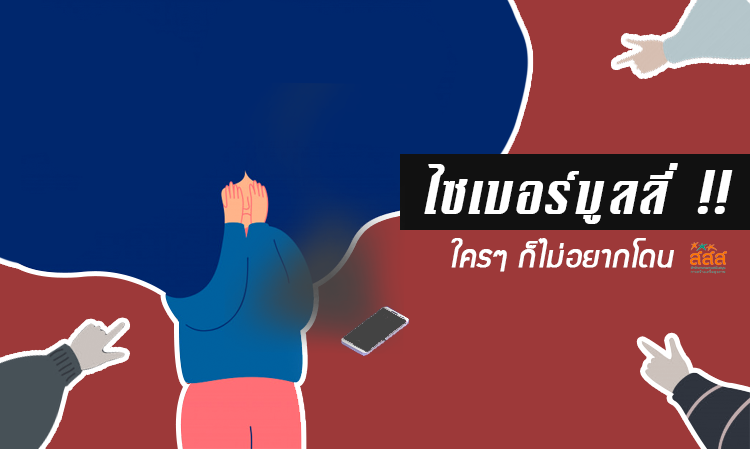
The functionality of today's smartphones is far more advanced than before. A single device can do almost everything, making it essential for many people to keep their phones in hand at all times. Whenever they have a moment, they pick it up to scroll every 5-10 minutes. Some even feel their phones vibrating when they aren't, which is a sign that they are overly addicted to social media.
The reason many want to quit their social media addiction is that living in the social media world has become much more challenging than before. Daily news is often depressing, and people tend to express their opinions fiercely without caring about the impact on those reading them. They become overly invested in others' lives, comparing themselves to them, and obsessing over drama, neglecting those around them and wasting time unnecessarily. This has become a problem affecting both work and daily life.
If you've made a resolution to finally quit social media, Tonkit360 has some great tips to help you succeed. Follow these steps, and you can definitely break free from social media addiction.
1. Go Cold Turkey
If you're determined enough to delete unnecessary apps that aren't work-related, go ahead and delete them. Without them on your phone, you won't be able to use them anymore. If you don't want to delete them, make sure to log out every time after using them and avoid saving passwords. This method will help reduce the urge to constantly check your phone, as you'll find that the apps aren't open when you turn on the screen. If you're too lazy to log in frequently, your usage will naturally decrease.
2. Turn Off Notifications
Part of the problem with social media addiction is the compulsion to stay updated on everything happening in the world. Therefore, if you want to reduce your social media usage, turn off all notifications, both vibrations and sounds, for every app. If you're worried about missing important contacts, extend the time between checks from every 5 minutes to half an hour. Once you get used to it, try an hour instead. Alternatively, you could turn off your phone completely to avoid seeing, receiving, or caring about everything happening around you.
3. Set Usage Time Limits
If you're confident in your self-control, there's no need to delete apps or turn off notifications. Just clearly define your usage time. When your time is up, put the phone down and return to your work. You can also download apps that help limit social media usage. Some apps will notify you when your usage time is up, while others will completely lock you out of social media apps, allowing only phone calls. This helps you return to the true function of your phone.
4. Manage Your Internet Access
If you don't have internet access, you can't use social media, right? If you don't want to delete or frequently log in and out of apps, or if you don't want to turn off your phone, just turn off your internet instead. To avoid running out of data quickly, make it a habit to turn off the internet after each use and try to use it as little as possible. If you're worried about losing control, switch to a limited data plan. The good thing about turning off the internet is that when you turn it back on, notifications will pop up, so you won't miss any important contacts.
5. Find Other Activities
Before social media had such a significant influence on our lives, we managed just fine without it. We all had activities to do during our free time. Some played handheld games, some listened to music on MP3 players, and others read comic books. So, try to revisit those activities or do anything that doesn't require a phone. This will help divert your attention away from the screen. Before you know it, you'll naturally reduce your phone usage, and some people may even completely disconnect from the social media world.
SOURCE: tonkit360