The Amazing Life of Mitochondria: 5 Ways to Slow Aging for Strong Health at the Cellular Level
Dr. Prasert Pinngam (Ph.D., TREES-A NC)
B.Sc. in Public Health, Mahidol University
The news of the passing of Khun Pathumwadee Kaemoonkadee due to thyroid disease and ALS (Amyotrophic Lateral Sclerosis) on September 7th has deeply saddened me. Having admired the work of Khun Raong and Khun Pathumwadee since childhood, I would like to express my condolences to the Kaemoonkadee family. Prior to this, I had little knowledge of ALS, which prompted me to research the causes of this disease with great intent. What I discovered made me feel compelled to share this information widely, as there are certain aspects of ALS that we can effectively plan to prevent through simple methods. ALS, also known as muscle weakness disease, is not a direct muscle disease but rather a condition caused by abnormalities in motor neurons, leading to muscle weakness due to a lack of nerve signals to control them. These neurons reside in the spinal cord and brain, gradually deteriorating and ultimately dying. Because ALS is a disorder of motor neurons, it is also referred to as “motor neuron disease (MND) or degenerative motor neuron disease”. Currently, the exact causes of the disease remain unclear, but it is hypothesized to arise from multiple factors that contribute to the disease, such as genetic factors, environmental toxins, and aging, which leads to cellular degeneration, particularly mitochondrial dysfunction. However, these hypotheses have yet to be conclusively proven (https://www.rama.mahidol.ac.th/ramachannel).
Nevertheless, information published by the ALS THERAPY DEVELOPMENT INSTITUTE indicates that mitochondrial dysfunction is one of the causes of ALS. It has been found that the mitochondria of individuals with the disease differ from those of generally healthy individuals. In patients with ALS, the mitochondria exhibit swelling and enlargement, eventually leading to rupture, as shown in the image below.
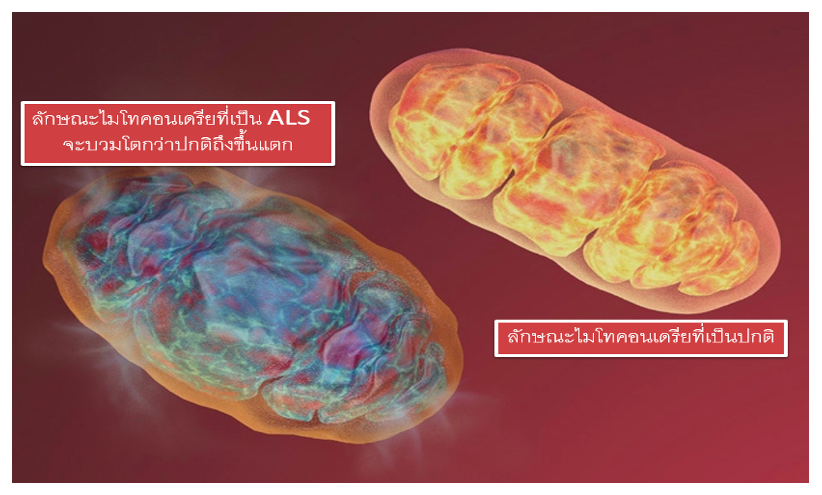
Comparison of mitochondria in individuals with ALS versus healthy individuals (https://www.als.net/news/als-more-than-a-power-play)
With advancements in molecular diagnosis and intercellular treatment, it has been found that mitochondrial dysfunction is not only related to ALS but also to many diseases currently present, including neurological disorders, Alzheimer’s, Parkinson’s, muscle diseases, obesity, diabetes, hypertension, heart disease, and cancer. Although in some cases, the understanding of the relationship between mitochondrial dysfunction and disease causation remains unclear, this area requires further research. Nevertheless, it is essential for us to become more familiar with mitochondria, as they are organelles within our cells that have their own evolutionary mechanisms. By understanding the functioning cycle of mitochondria, we can learn how to enhance our overall health and longevity. Most importantly, the methods to strengthen mitochondria and optimize their functions are simple and cost-free; we just need to decide to start while we still can think, remember, walk, run, sleep, breathe, and eat normally. Delaying this decision could complicate the process significantly. Therefore, I recommend starting today after reading this article.
The Origin of Mitochondria: The True Ancestors of Humans, Animals, and Plants
Currently, scientists classify living organisms into three domains: Bacteria, Archaea, and Eukarya. Bacteria and Archaea are prokaryotic organisms, meaning they are single-celled and lack a nucleus. Charles Darwin and Alfred Wallace attempted to explain the evolutionary processes of various organisms, leading to a wealth of knowledge that continues to this day. However, Darwin did not know how the variations among these organisms were created or how these variations were passed from parents to offspring. Nevertheless, Darwin's theory successfully explained the evolutionary process resulting from external cellular changes. What remains unclear is the emergence of new species. Darwin suggested that new species arise from gradual random genetic mutations, but this idea lacks formal evidence, leading to ongoing debates. It wasn't until Dr. Lynn Margulis proposed the Endosymbiosis theory that a clearer explanation emerged. Today, with the rapid advancement of DNA sequencing technology in plants, animals, and microorganisms, our understanding of the mechanisms of evolution and the cycles of material and energy transfer at the microscopic or cellular level has become clearer. One clear indication is that the diversity, variation, or evolution occurring in living organisms from generation to generation does not solely arise from the transfer of genetic material through sexual reproduction but also from various environmental factors (Epigenetics). Environmental factors include conditions, chemicals, toxins, cigarette smoke, food, and stress. This cellular knowledge stems from Dr. Lynn Margulis's Endosymbiosis theory, which interestingly explains the mechanisms behind the origin of mitochondria and chloroplasts.
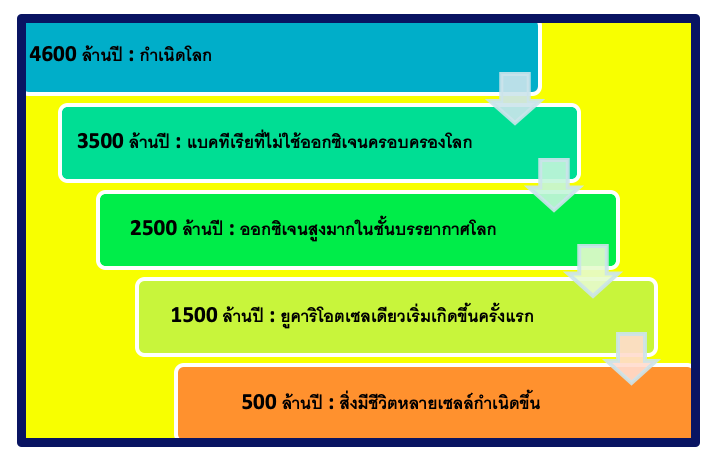
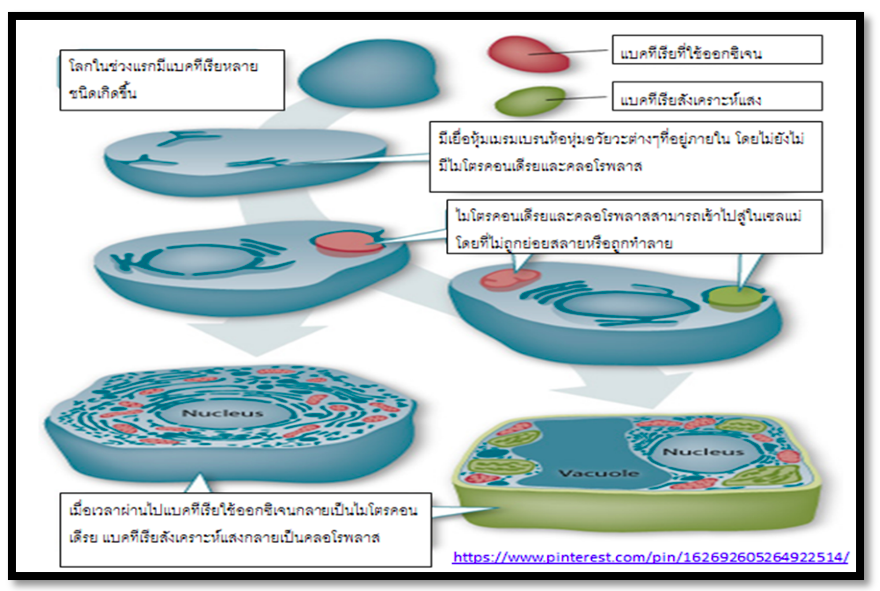
The image illustrates significant events related to life forms from the beginning, which can be divided into periods based on fossil evidence as follows:
After the Earth was formed 4.6 billion years ago, the era of anaerobic bacteria began around 3.5 billion years ago. During this time, the Earth's atmosphere lacked oxygen, leading to the emergence of only anaerobic bacteria. However, with the advent of photosynthetic bacteria, these organisms used sunlight to produce sugars and released oxygen as a byproduct, gradually increasing the accumulation of oxygen in the atmosphere. This oxygen was toxic to anaerobic bacteria, causing a significant die-off of these organisms, leading to a major adaptation process. Subsequently, the era of aerobic bacteria began, estimated to have occurred around 2.5 billion years ago. It is believed that as the atmosphere became saturated with oxygen, adaptations occurred that allowed for the emergence of bacteria capable of utilizing oxygen, which still exist today. This transformation is referred to as Endosymbiosis, a process where one organism lives within another. Photosynthetic bacteria or cyanobacteria entered larger bacteria and transformed into chloroplasts in plant cells, while oxygen-utilizing bacteria entered larger bacteria and became mitochondria in plant and animal cells as we know them today.
Illustration of the Origin of Chloroplasts and Mitochondria
Currently, our understanding of the life cycle and functioning mechanisms of mitochondria is continuously developing and growing. Particularly, knowledge about the role of mitochondria in our health is expanding. If we fully understand the origin of mitochondria and accept that they are another form of life residing in every one of our cells, the definition of health care will change from now on. We must include the care of these tiny life forms, the mitochondria, which have coexisted with our species for a very long time.
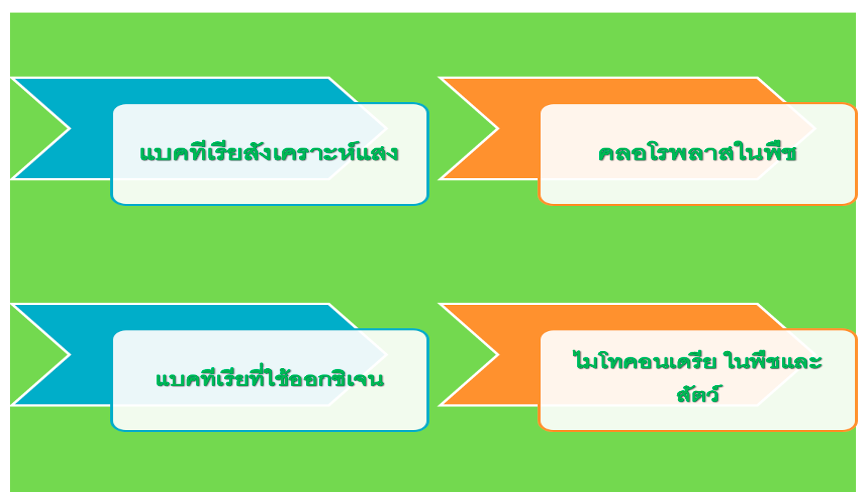
The Mechanism of Mitochondrial Function and Human Health
From the origin of mitochondria, which describes the transition of oxygen-utilizing bacteria living within larger bacterial cells millions of years ago, and through the evolution of this symbiotic relationship, the tiny bacteria (oxygen-utilizing) became a part of the cell known as mitochondria. Mitochondria have their own DNA, distinct from human DNA, and since mitochondria are inherited only from the mother, this aspect is used in migration studies to obtain more accurate information. The number of mitochondria in human cells is also interesting. Generally, humans have approximately 100 trillion cells, of which about 10 trillion are human cells, while the rest are microbial cells. The human cells contain varying numbers of mitochondria, with single-celled organisms having only one mitochondrion, while the average human cell contains about 1,000 to 2,000 mitochondria, except for red blood cells, which lack mitochondria. Liver cells, for instance, can have more than 2,000 mitochondria per cell. Mitochondria undergo a life cycle of birth, aging, illness, and death, similar to other living organisms. The process of new mitochondria formation, known as Fission, involves the division of healthy genetic material from contaminated or waste material. The waste mitochondria undergo a process called Mitophagy, which removes waste and recycles usable parts, akin to Autophagy in general cells. Healthy mitochondria enter a process called Fusion when energy is needed for optimal energy efficiency. Healthy mitochondria perform a function called Biogenesis, producing ATP energy, enzymes for digestion, energy transformation, antioxidants, and even signaling communication between mitochondria and other cells. When mitochondria reach the end of their lifespan, they undergo a programmed death process known as Apoptosis. The functions and roles of mitochondria can be summarized as follows:
- They have a life cycle of birth, aging, illness, and death, similar to other living organisms.
- They possess their own genetic material or DNA (mtDNA), inherited only from the mother.
- They are the ATP energy production factories for the body.
- They process food for immediate use by the body.
- They produce enzymes, chemicals, antioxidants, and immune system components.
- They synthesize new DNA to replace worn-out parts.
- They have signaling processes and communicate with each other and with the nucleus, functioning within the Epigenetics mechanism, acting as switches to turn gene expression on and off.
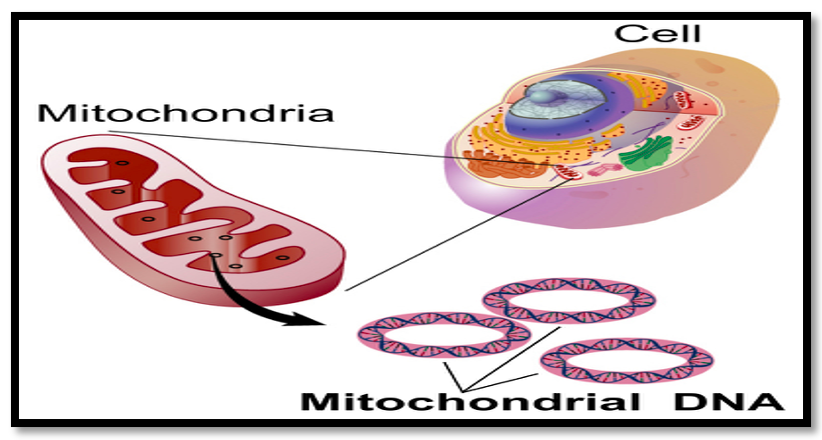
Illustration of Mitochondria as Organelles Within Cells, Averaging 1000-2000 per Cell
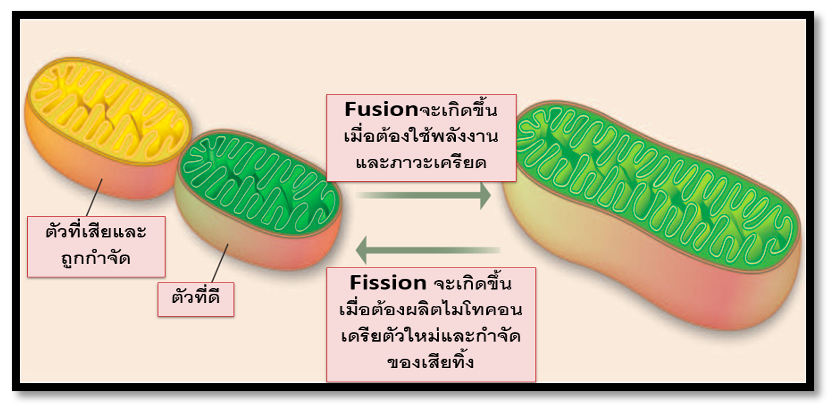
Illustration of the Fusion and Fission Processes of Mitochondria for Renewal and Waste Removal
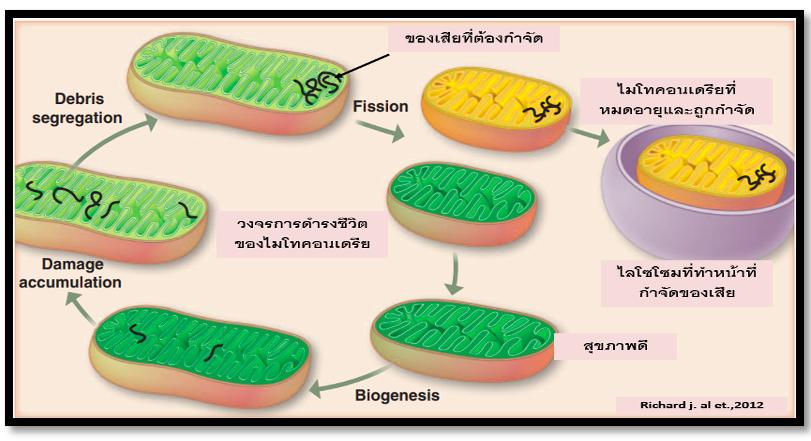
Illustration of the Life Cycle of Mitochondria, Including Renewal and Death
The pioneer in global mitochondrial research is Prof. Douglas Wallace, who presented his work as early as 1980. His first research demonstrated that mutations in mitochondrial DNA are a cause of various diseases in humans. Since then, studies have explored the relationship between mitochondrial dysfunction and numerous diseases, leading the medical field to better understand cellular mechanisms systematically. It can be stated that mitochondria are involved in almost every disease affecting the body, including the nervous system, eyes, liver, muscles, kidneys, heart, and gallbladder.
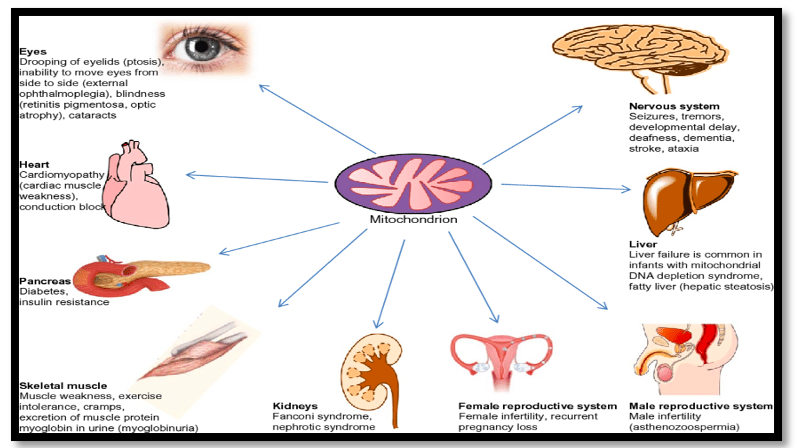
Illustration of the Relationship Between Mitochondria and Diseases Affecting Various Organs
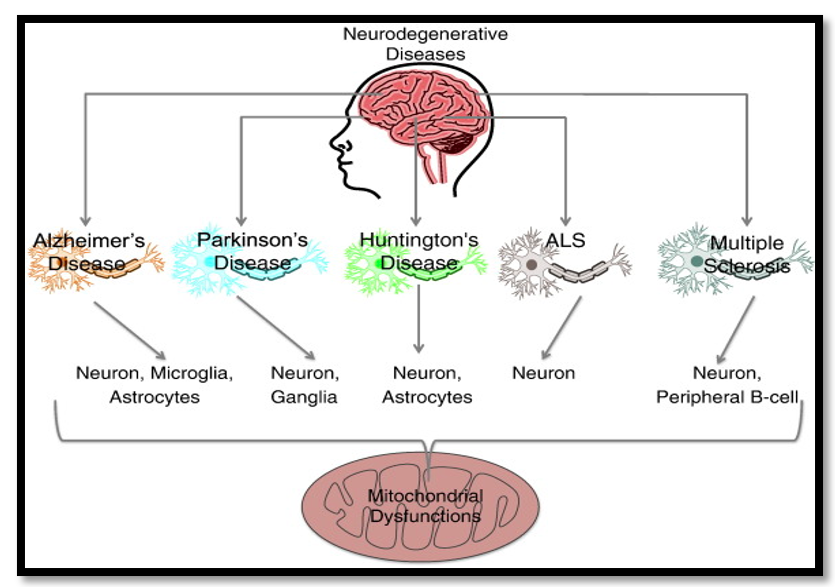
Illustration of Neurological Diseases Caused by Mitochondrial Dysfunction
In addition to diseases affecting various organs, there is also serious research on aging. This research focuses on the changes occurring in telomeres, the protective caps at the ends of chromosomes. Typically, telomeres shorten with each cell division, indicating that as telomeres become shorter, aging increases. With the growing understanding of the relationship between mitochondria and telomeres, a science of anti-aging has emerged, aiming to enhance mitochondrial efficiency to slow down telomere shortening. However, due to the limited availability of tools and equipment for analyzing mitochondrial levels, some facts regarding the causation between diseases and mitochondrial dysfunction remain a mystery, akin to the chicken-and-egg dilemma. It is anticipated that clarity on this matter will increase soon. Regardless of which comes first—abnormal mitochondrial function leading to disease or disease causing mitochondrial dysfunction—current research supports the principle of natural health care, which can improve mitochondrial health and function through simple lifestyle changes. This has established a new standard in medicine, public health, and wellness, and those who value health and natural approaches should not miss out.
5 Ways to Slow Aging for Strong Health at the Cellular Level
Scientifically, humans generally grow from birth until reaching full maturity around the age of 22. After that, organs and cellular functions gradually decline. Each type of organ decreases in efficiency at different rates, leading to the concept of biological age, which assesses age at the cellular level, including the biological age of various organs, eyes, ears, bones, and muscles, as well as mental biological age. Therefore, chronological age as we currently measure it is becoming outdated for those who value natural health. The criteria for assessing age and aging at the cellular level, known as Hallmarks of Aging (Lopez-Otin, Blasco et al., 2015), consider nine changes in the functioning systems:
1. Loss of genomic stability
2. Telomere shortening
3. Changes in epigenetic status
4. Protein homeostasis imbalance
5. Decline or abnormalities in nutrient-sensing
6. Mitochondrial dysfunction
7. Cellular senescence
8. Decline in stem cell function
9. Changes in intercellular communication
Restoring mitochondrial function and telomere shortening has been shown to yield the most results from natural activities. Since these two issues are interconnected, the mitochondrial ATP production process typically generates reactive oxygen species (ROS), which contribute to telomere shortening. Shorter telomeres release substances that exacerbate aging. Therefore, if mitochondrial health is robust and normal, the release of ROS will decrease, as mitochondria can produce antioxidants to counteract ROS.
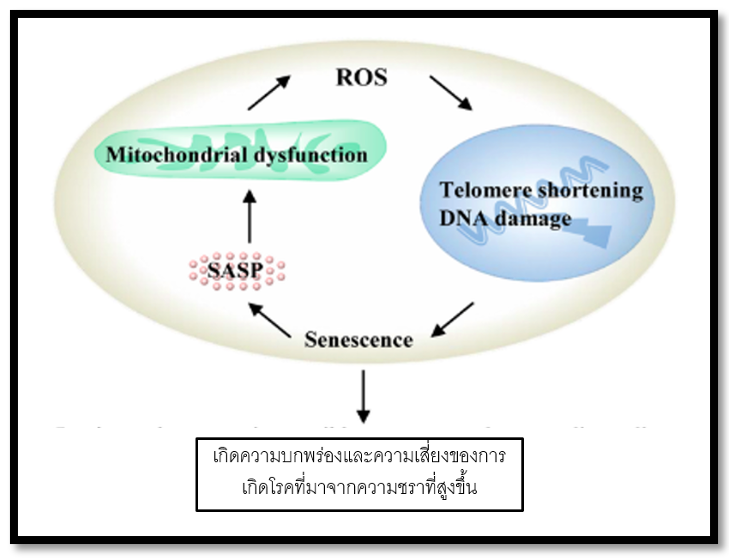
Illustration of the Relationship Between Mitochondrial Function and Telomeres Affecting Aging
Thailand is currently transitioning into a fully-fledged aging society. There are simple methods to care for the elderly. Importantly, once you start any activity, you must continuously observe the changes occurring in your body to assess the appropriate intensity, as each person's strength and immunity levels differ. Self-monitoring is the best approach. The 5 methods of anti-aging for cellular strength presented here aim to enhance mitochondrial health and slow telomere shortening. The five methods are as follows:
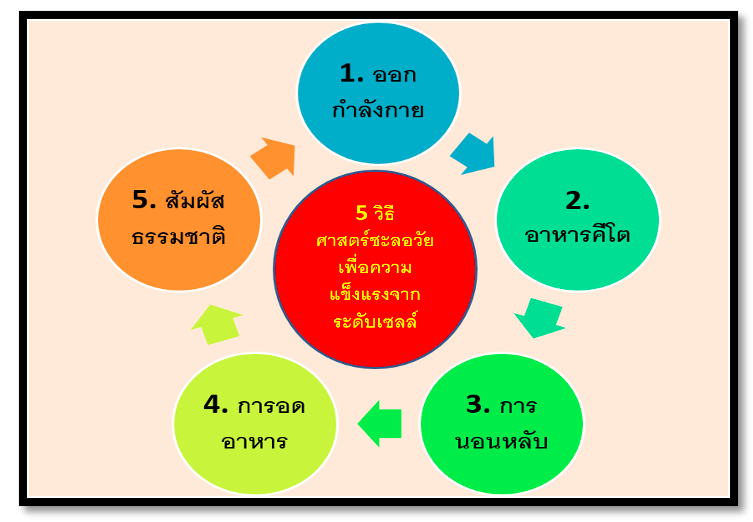
- Exercise, especially High-Intensity Interval Training (HIIT)
Consider a hypothetical scenario where there are two pills. The first pill helps lower blood pressure, stabilizes insulin levels, improves mood, boosts calorie metabolism, combats osteoporosis, and reduces the risk of stroke and heart disease, but may have side effects such as insomnia, skin rashes, nausea, diarrhea, weight gain, and more.
The second pill offers the same benefits without any side effects.
The first pill is a combination of medications for blood pressure control, cholesterol reduction, diabetes management, depression treatment, and osteoporosis treatment.
The second pill is real and is called “exercise.” Those who exercise tend to live longer, have a lower risk of hypertension, stroke, heart disease, depression, diabetes, and obesity, and are less likely to develop dementia.
There’s no need to ask which pill to choose. Currently, sports science has advanced significantly, with research supporting the benefits of exercise. These benefits can be observed at the cellular level, helping to reduce telomere shortening and enabling mitochondria to produce the enzyme PGC-1, which combats ROS, prevents the production of aging substances, and reduces heart muscle loss, among other effects, as illustrated below.
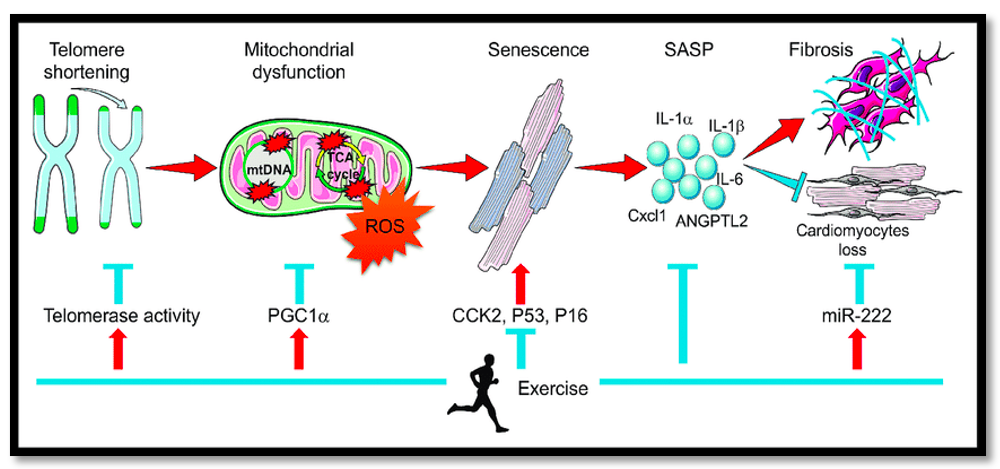
Illustration of the Cellular Benefits of Exercise
For those about to start exercising, I recommend a simple exercise method that doesn’t take much time but yields beneficial results comparable to intense workouts. This method is called High-Intensity Interval Training (HIIT), which involves alternating between high-intensity exercise for 20 seconds and resting for 10 seconds, repeated for a total of 8 sets. The intense exercise could be sprinting followed by walking, for example. You can increase the number of sets based on individual capability. There are also other forms of exercise, such as Tabata workouts, which are effective as well. We can choose an exercise method that suits us, ensuring consistency and appropriateness without being overly strenuous or too easy.
- Following a Ketogenic Diet
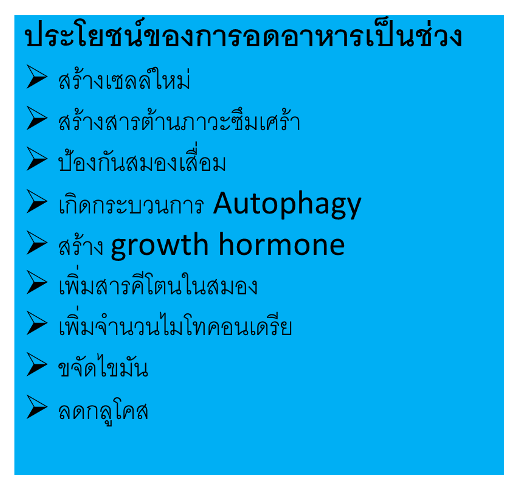
Ketones produced from digesting ketogenic foods can easily enter mitochondria compared to glucose. Additionally, ketones increase the number of mitochondria in liver and muscle cells. Therefore, following a ketogenic diet directly enhances the quantity and strength of mitochondria. Generally, a ketogenic diet emphasizes high fat, moderate protein, and very low carbohydrates, allowing the body to burn stored fat for energy. The food ratio is approximately 70% healthy fats, 25% protein, and 5% carbohydrates of daily caloric intake.

However, following a ketogenic diet requires using fat and protein as the primary energy sources, and it is essential to include dietary principles for maintaining the microbiome. Therefore, it is advisable to consume prebiotic and probiotic foods, making up about 30% of the total intake, to maintain a balance between food for ourselves, food for mitochondria, and food for microorganisms.
- Intermittent Fasting
During fasting, the body shifts to using fatty acids as an energy source instead of glucose. The byproduct of using fat for energy is ketones, which are beneficial for the brain and mitochondria. Fasting can be done intermittently each day or for longer periods, but consistency is key. The simplest fasting method is to stop eating from 6 PM to 7 AM. Fasting helps improve mitochondrial function, brain health, immunity, and digestive systems, as it encourages the body to utilize stored fat more effectively, thus aiding in fat reduction.
- Quality Sleep
Sleep is when our mitochondria rest while still performing repair functions for various body parts. It is crucial to allow the body this time. Typically, free radicals or cellular waste are eliminated during sleep, especially between 10 PM and 2 AM (the golden time). Therefore, it is advisable to avoid activities or foods that disrupt sleep, particularly stress, which can also prevent restful sleep. Simple methods to promote better sleep include avoiding caffeine from the afternoon onward and ensuring moderate exercise without overeating, which can facilitate easier sleep. Research confirms the importance of sleep between 10 PM and 2 AM as the time when the body produces the highest levels of melatonin, which helps reduce stress, slow aging, and recover from chronic diseases. Thus, we should not overlook this critical period.
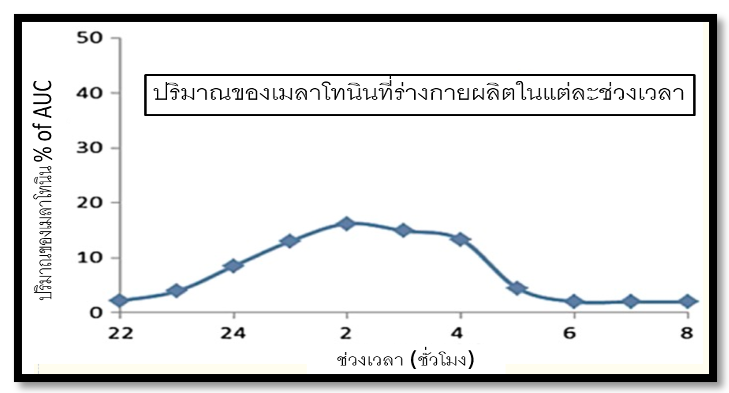
Illustration of Natural Melatonin Production During Sleep
(https://www.ncbi.nlm.nih.gov/pmc/articles/PMC6057895/)
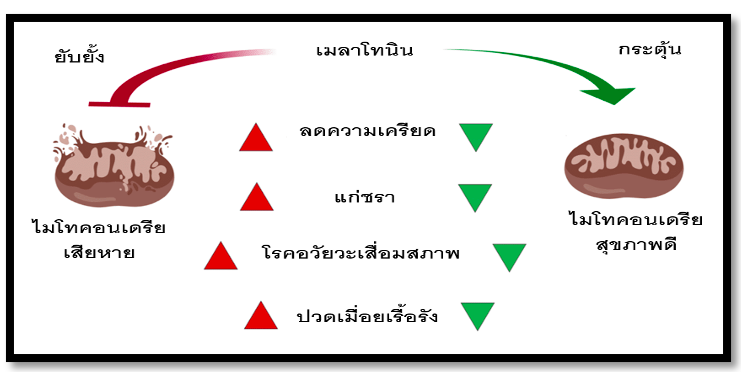
Effects of Melatonin on Mitochondria and Health from Sleep
(https://www.theenergyblueprint.com/the-secret-of-melatonin/)
- Connecting with Nature: Earth, Water, Air, and Fire
All living beings originate from the four elements of nature: earth, water, air, and fire. The reality of nature remains a mystery that humanity must continue to explore endlessly. Despite our ability to create various technologies and sciences, what we have achieved is merely a fraction of the reality of nature. Researchers and scholars in natural sciences are well aware of this truth and work tirelessly. As humans, being a direct product of nature, when abnormalities occur, natural therapies provide a simple and risk-free solution. Currently, there are many methods available, but I will highlight three practical approaches:
- Grounding or Earthing
Research by James Oschman and his team titled The effects of grounding (earthing) on inflammation and autoimmune diseases, 2015, compared the healing effects of grounding with bare feet against wearing shoes. The results showed that those who grounded themselves with bare feet healed faster and experienced significantly lower pain levels. This can be explained by the fact that natural soil, when exposed to sunlight, accumulates negative charges. When we walk barefoot on the ground, these negative charges flow into our bodies naturally, stimulating white blood cell activity and aiding collagen function in wound healing. This method provides benefits without any additional investment.
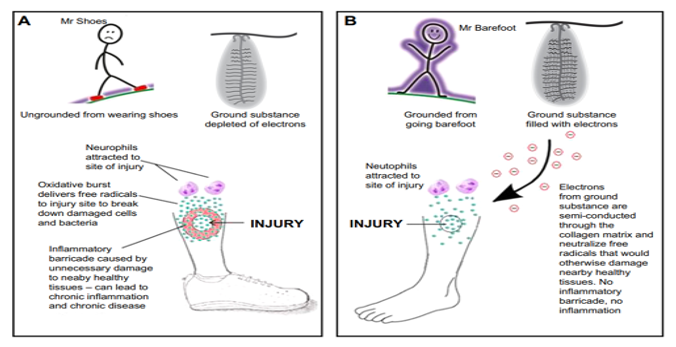
Grounding with Bare Feet Helps Negative Charges Flow from Nature into the Body
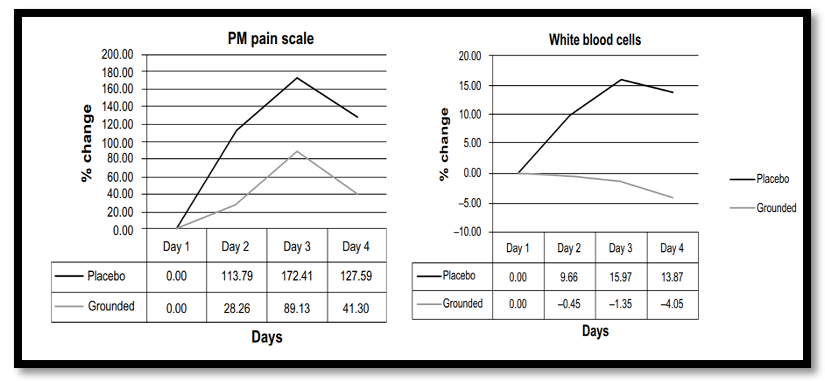
Illustration of Reduced Pain Levels and Lower White Blood Cell Counts from Grounding
- Receiving Energy from Sunlight to Accumulate Energy in the Form of EZ Water
Dr. Gerald H. Pollack, author of “The Fourth Phase of Water”, presents the discovery of water in the fourth phase, known as Exclusion Zone (EZ) water. This water forms when exposed to sunlight, transitioning from liquid to a semi-solid crystalline state. EZ water possesses negative charges and energy for movement. Experiments have shown that EZ water can improve blood circulation when applied to blocked blood vessels. This means that when EZ water forms, it has the energy to transport substances and energy throughout the body more effectively. The easiest way to create EZ water is through infrared light, commonly found in the morning and evening. Therefore, receiving sunlight during these times is an easy and economical way to accumulate energy. In addition to sunlight, methods to generate EZ water in the body include drinking coconut water, ginger tea, consuming green plants, sauna sessions, and grounding.
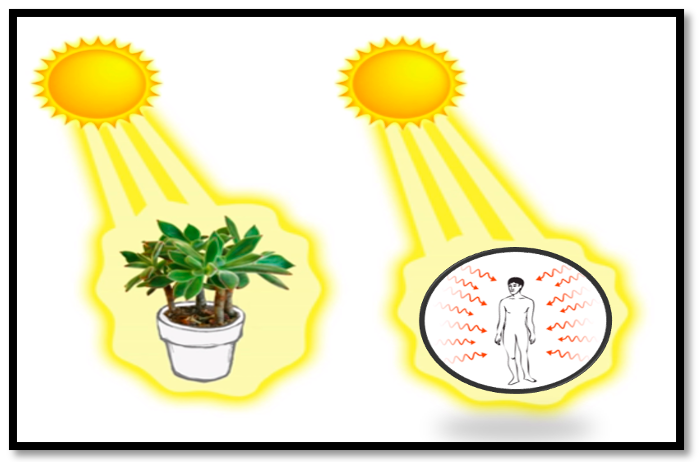
Illustration of Receiving Energy from Sunlight to Create EZ Water (Energized Water)
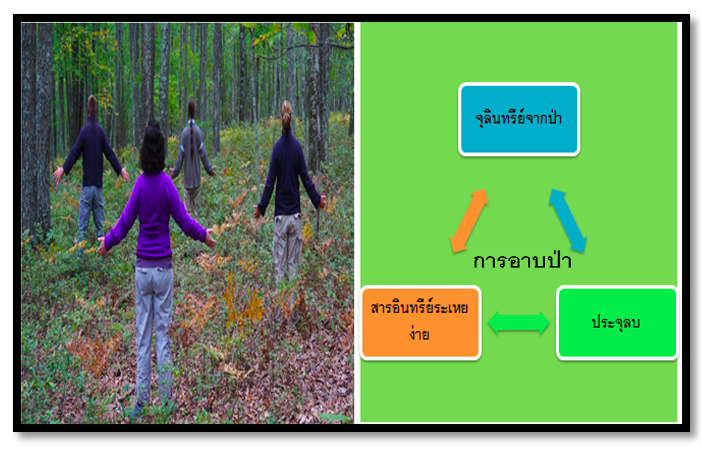
- Forest Bathing
Forest bathing involves spending time in the forest in a relaxed manner. The benefits of forest bathing include:
- Receiving beneficial microorganisms that can aid the respiratory and digestive systems.
- Inhaling volatile organic compounds that promote relaxation and hormonal balance.
- Absorbing negative charges from nature or pure oxygen, which acts as an antioxidant.
In summary, the five methods of anti-aging and promoting cellular health presented here aim to encourage health-conscious individuals to reconnect with the reality that we are part of nature. Our human species is not intelligent enough to control everything according to our desires. The sciences and technologies we have developed are merely grains of sand in our hands, with countless other grains yet to be discovered. Accepting this truth is the starting point for us to learn and share the realities of nature in a way that fosters sustainable coexistence, just as tiny bacteria have lived within our cells for a long time, ultimately merging into what we now call mitochondria. We have only recently begun to uncover the truths about this little companion. The journey of Homo sapiens, which seems long, pales in comparison to the journey of mitochondria, which is truly remarkable and an unavoidable destiny. We must coexist in this manner until all life on this universe ceases to exist.
I hope this article encourages us to take a new perspective on health care, understanding that we are part of nature for the sustainability of our species for a long time to come...
“Since nature created us, understanding the reality of nature is the path to discovering who we truly are and why we were born.”

ABOUT THE AUTHOR
ดร.ประเสริฐ ปิ่นงาม (Ph.D., TREES-A NC) วท.บ. สาธารณสุขศาสตร์ ม.มหิดล