New Normal: The Economy, Behavior, and Society Changes After COVID-19
The world has faced several crises in the past, including the Asian financial crisis in 1997, the hamburger crisis in 2008, and outbreaks of SARS, MERS, swine flu, Ebola, as well as natural disasters like tsunamis. These events have had widespread impacts, leading us to the present where COVID-19 is emerging as a new disease affecting human health, society, and the economy.
The rapid and easy spread of COVID-19 has caused widespread anxiety, leading to health precautions and a shift towards remote work. Various businesses have adapted their services to meet new demands.
These changes are set to transform the future and may lead to a new normal or a new version of the old world that alters lifestyles and work practices, with businesses adapting swiftly.
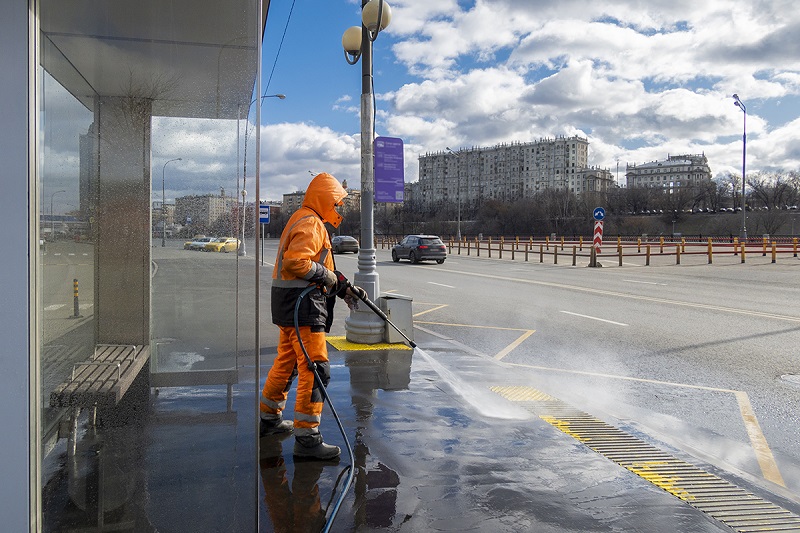
We can observe 5 key trends to watch after the COVID-19 crisis:
1. Geopolitical Landscape with China at the Center
The COVID-19 crisis first impacted China, where manufacturing disruptions affected global value chains and regions worldwide, including upstream, midstream, and downstream producers, as well as consumers. However, China was able to recover quickly due to strict and effective measures against the virus. With a sufficiently large economy, China can easily stimulate domestic consumption without relying on external economies. As China recovers rapidly, many countries continue to struggle with the pandemic, presenting an opportunity for Chinese businesses and the economy to rebound faster while other economic areas like the EU and the US remain fragile.
2. Society Becoming Familiar with Digital Technology
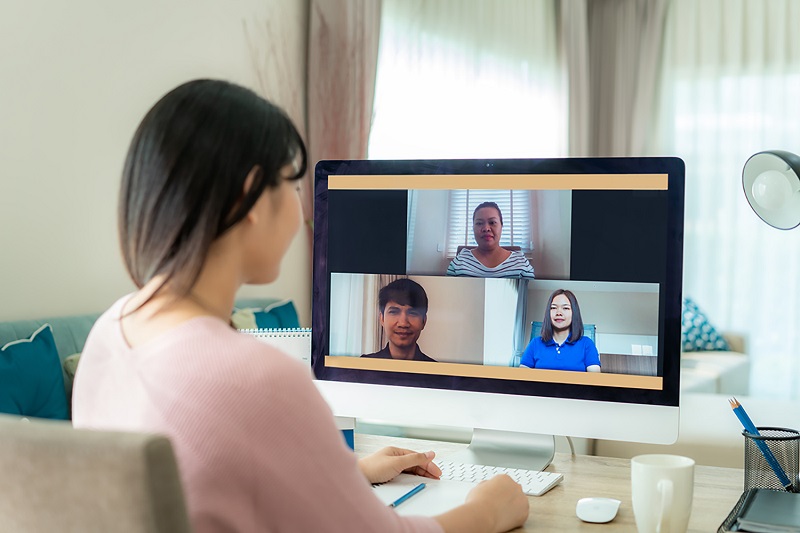
It is undeniable that access to and learning digital technology has been widespread only among certain age groups. However, the COVID-19 crisis has forced people to live socially distanced, leading to greater acceptance of digital technology that connects them to the outside world. This has required adjustments in usage, such as the growth of online meetings, digital payments, and streaming services. These changes have made consumers more familiar with and open to digital technology, accelerating our transition into a digital society.
3. Industry Direction Towards Self-Reliance
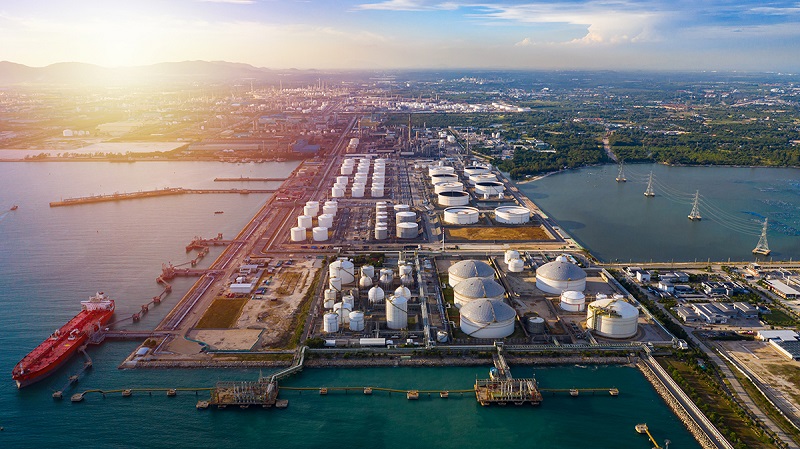
In many countries, the proportion of reliance on the service industry compared to manufacturing has been continuously growing. In Thailand, the tourism and service industry is a major sector generating income and employment. The COVID-19 crisis has led many countries to close borders, and people have begun to live socially distanced, impacting the service industry. This includes travel, tourism, wholesale and retail, entertainment, restaurants, and shops. Industries less affected include digital platform services and high-value services, as well as manufacturing, highlighting issues of self-reliance linked to the direction of industrial development in the country.
4. Startup Businesses Facing Greater Challenges
In the past, startups emerged from the need to solve consumer problems and grew rapidly through investor funding. However, the COVID-19 crisis has caused a global economic downturn, leading consumers to prioritize basic needs over new demands. Investors are likely to slow down investments to reserve funds for business recovery, impacting startup growth. At the same time, this may present opportunities for digital and advanced technology startups to address urgent issues or respond to changing consumer behaviors.
5. Economic Recovery Requires Government and Large Businesses
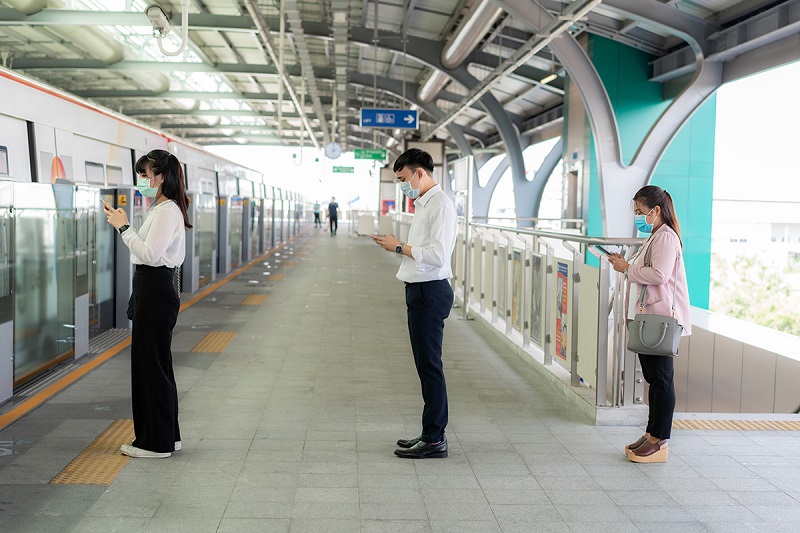
Social distancing and border closures will directly impact workers, service businesses, and small and medium enterprises. The longer these measures last, the more severe the impact will be. However, large businesses with substantial reserves and diverse operations or those in manufacturing will be able to resume operations quickly. Once the crisis passes, the government and large businesses will play a crucial role in economic recovery. However, the government must ensure that monopolies do not arise and that competition remains fair, working closely with large businesses to create jobs and revive economic activities.

The National Innovation Agency (Public Organization) or NIA has revealed that COVID-19 is a significant situation that all countries must find ways to cope with the crises that will arise afterward, divided into three phases:
Phase 1: Pre-incident response: Using epidemiological techniques and various data to prepare for response.
Phase 2: Incident response: Establishing measures to respond to and combat the outbreak and restore normal life as quickly as possible.
Phase 3: Post-incident recovery: Such as financial measures to support the economy, assistance for workers and employers, and alongside these measures for recovery and relief, continuous measures to restore the economy, enhance the competitiveness of businesses, and build the country's capacity for long-term self-reliance.
Thank you for the information from The National Innovation Agency (Public Organization)