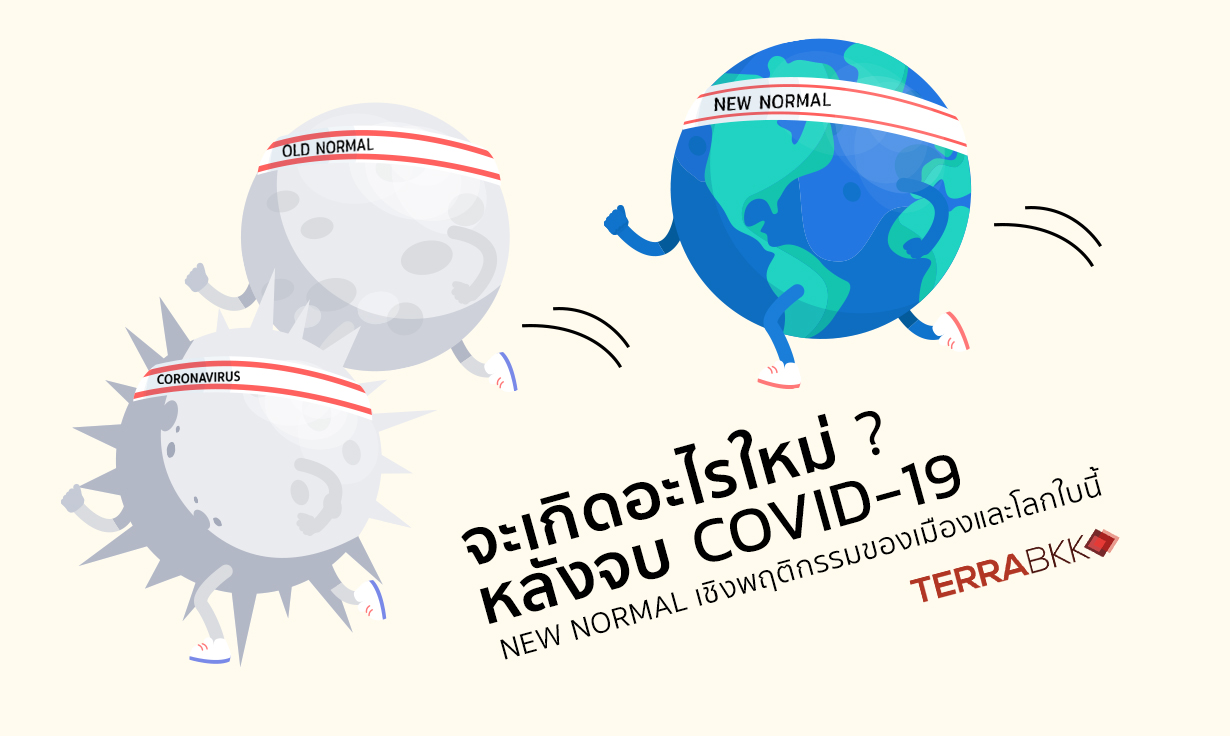
The New Normal: Behavioral Changes in Cities and the World After COVID-19
Experts and scholars from various countries around the world currently agree that the coronavirus is likely to have long-lasting effects for at least 6 months to 1 year. Therefore, in addition to managing businesses and lives with caution, everyone should understand how to recover as quickly as possible after this crisis.
Immediate Behavioral Changes During the Pandemic
It must be noted that the coronavirus has not only impacted public health and medicine but has also affected the economy, politics, and society in every country around the globe. The immediate occurrences in this era are not just about disruption but rather a trend towards new normal that will influence changes in every dimension of the world.
Firstly, citizens' lives have been confined to familiar private spaces, with urban areas becoming dangerous zones where everyone must cooperate with the government to avoid going outside to prevent the spread of the virus. This has forced social relationships to shift almost entirely online.
These behaviors have led to a trend of new normal in terms of engaging in online spaces across all aspects of life. People are starting to live in solitude in real life but interact online, which will begin to create spatial changes as follows:
- Rental offices will become smaller - As remote work increases, many companies are being forced to adapt their working styles quickly, gradually removing barriers to online work and creating a new norm for companies. This suggests that remote work will be viewed as less of a problem, leading to an increase in remote work in the future, and large office spaces may shrink.
- Environmental issues will gain more importance due to health concerns - Long-standing pollution problems affecting urban health are beginning to see some resolution. The lockdown has allowed urban populations to immediately witness environmental outcomes, which directly impacts their mental state as they become more health-conscious.
- Stores will become less significant - Non-essential spending will increasingly shift online, and stores are adapting to the online world, making people accustomed to not visiting physical locations. Additionally, the perception of outdoor spaces is shifting to be seen as risky, leading to a decline in the importance of storefronts in large shopping centers compared to the rise of online sales.
- Academic markets will be online - After the COVID-19 crisis, universities will not lose their relevance, but online learning will increase, especially for courses that universities do not offer.
- The value of online products will increase - As the online system has already transformed the world once, this coronavirus crisis will accelerate the full-scale transformation of the online world again. Every product available online, whether individuals, brands, or companies, will become valuable as people become accustomed to them, leading to greater trust. Therefore, brands that perform well during this crisis will have a better chance of survival.
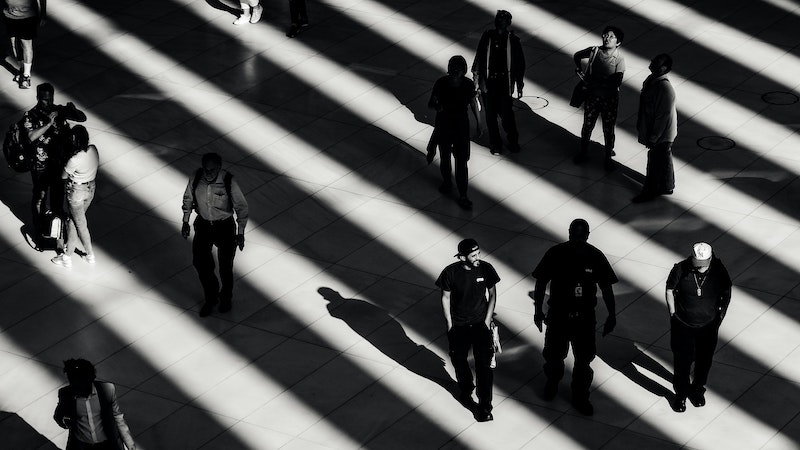
What will the world’s new normal look like?
The future of the world after the coronavirus crisis has become a widely debated topic. Many scholars share a consensus that the influence of globalization will undergo significant changes. Here’s a brief summary:
The world feels smaller but more distant
The COVID-19 phenomenon has led to a 'every country for itself' scenario. Although the coronavirus is a global issue, there has been a lack of equal cooperation or measures from the global community among countries. Current management reflects a self-centered approach, where populations in each country are beginning to feel a sense of nationalism, prioritizing their own country's survival.
It’s time for China to become the center of the world and for Asian countries to gain more confidence
Despite being the origin of the outbreak, China has demonstrated decisive and swift management of the pandemic, scoring better than the United States in the eyes of the global population, potentially marking a turning point in becoming a world leader.
Kishore Mahbubani, former Director of the United Nations Security Council, argues that the coronavirus has created a divide in the trust of citizens between China and America. While the Chinese population remains confident in their government’s management, the American population is beginning to lose faith.
Similarly, many Asian countries have managed and controlled the outbreak more swiftly, as evidenced by the rising infection numbers in Europe and America surpassing those in the East. The rapid recovery of Asian countries will serve as a savior for the global economy and build greater investment confidence.
The economic system will shift from expanding production bases to a flexible production system
The economic competition among world powers will begin to shift from attempts to expand production bases and engage in trade wars to focusing on developing flexible production bases. The coronavirus serves as a valuable lesson, highlighting the production disruptions experienced globally. Expanding production bases is no longer a viable solution; instead, creating new production bases that can adapt and remain flexible, even when impacted by crises like this one, is essential.
References:
- How will coronavirus change the world?
- Coronavirus Will Change the World Permanently. Here’s How.
- Welcome to the Great Transformation: How Covid-19 changed our world.
- How the World Will Look After the Coronavirus Pandemic.