https://digitalmarketingwow.com<\/a><\/p>
The benefits of utilizing Big Data can be summarized in three main areas: (1) Reducing costs, aiding decision-making, and creating opportunities for businesses; (2) Launching new products or services. Having data on customer interests or needs allows for the development of products that resonate with customers. Large organizations use Big Data to analyze markets, assess competitors, and understand customer behavior to gauge interests and measure consumer feedback; (3) Having data enables quicker product launches that better satisfy customer preferences, as Big Data is considered first-hand data that reveals product demands. When businesses plan to launch new products, they can survey customer opinions in their database regarding the new offerings.
The use of Big Data begins with data collection. For example, Netflix, an online movie streaming service, has successfully utilized Big Data to analyze consumer content viewing preferences. Netflix collects user data from ratings, movie searches, viewing dates, devices used (Laptop, TV, iPad, etc.), when users pause movies, and whether they return to finish watching. Netflix analyzes this data to find ways to accurately meet consumer demands and improve its content, making it a leader in the global internet entertainment service industry with 158 million paying subscribers across over 190 countries.
For e-commerce businesses with extensive customer data and transaction volumes, how can Big Data be beneficial?
- Helps manage pricing data and set appropriate prices. For instance, Amazon applies Big Data to manage prices from various sellers on its platform. With many sellers offering similar products, prices can fluctuate multiple times a day to remain competitive. Big Data helps organize sellers of similar products together, enabling them to quickly adjust their prices, thus maintaining competitive or average pricing.
- Provides personalized product recommendations. Amazon is a prime example of using Big Data to present interesting product information to customers (Product recommendations). While browsing, customers see the section 'Customers who bought this item also bought,' which increases sales by suggesting related products that customers might be interested in. As a result, Amazon experienced a 30% increase in sales after implementing related product recommendations.
- Reduces cart abandonment rates. eBay found that customers often check product information across 3-5 devices before making a purchase. Many times, carts with added items are abandoned due to customers switching devices. eBay uses Big Data to track this information and display items in the cart even when customers access the site from different devices, helping to reduce abandonment rates.
- Enables accurate forecasting. Big Data collects information on preferences, sales volumes, and timing, allowing sellers to analyze customer interests. This helps predict when certain products will sell well, ensuring adequate stock to meet customer demand, thus minimizing lost sales opportunities and enhancing customer satisfaction. Additionally, Big Data from various sources allows e-commerce business owners to monitor trends via social media and gather data on in-demand products, aiding in targeted marketing campaigns.
- Enhances customer experience. Customers tend to trust and prefer websites that can detect fraud or alert users about suspicious accounts. Big Data assists e-commerce businesses by analyzing and studying the behavior of fraudulent account holders, providing examples for future fraud detection and alerts to customers, ultimately improving their experience with the website.
Source: http://bigdataexperience.org/big-data<\/a><\/p>
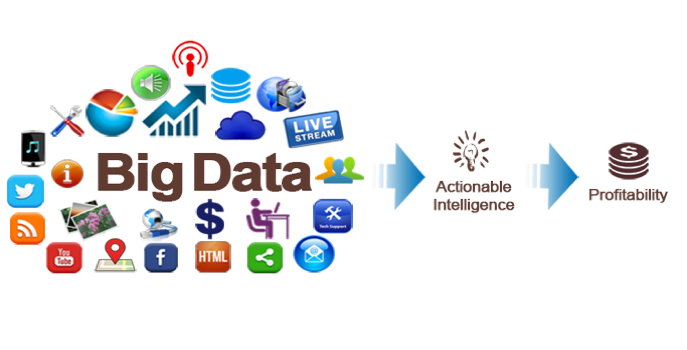
Therefore, businesses must learn to utilize Big Data to better analyze customer needs, identify market trends, and gather other beneficial information. In-depth data analysis results create opportunities for profit, enhance service efficiency, and provide a competitive advantage in the market.