Thailand's Visa for Foreign Real Estate Investors
Thailand's Visa for Foreign Real Estate Investors
As Thailand continues to attract entrepreneurs, corporate executives, and regional managers, the Non-Immigrant Visa B (Working/Business Visa) has become a key mechanism driving the demand for long-term housing, particularly in major urban centers such as Bangkok, Phuket, and Chiang Mai.
Unlike tourist or retirement visas, business visa holders are considered residents with economic roles. They work, conduct business, relocate their families, and settle down for the long term, resulting in a steady and continuous demand for quality real estate.
High-Quality Residential Market Segment
Foreigners holding business visas often have strong fundamentals, including:
• Long-term employment contracts or business operations in Thailand
• Stable and predictable income
• Relocation packages supported by organizations
• Desire to relocate families
• Preference for urban residences that are convenient for living
This profile leads to a continuous demand for long-term residential real estate. In Thailand, foreigners can purchase condominiums, with popular types including:
• Serviced residences adapted for long-term rentals
• Brand residences or managed living spaces
• Premium condominiums in business districts
• Condominiums near international schools and offices
Visa Requirements Linked to Real Estate Investment
One common approach is to demonstrate a genuine financial commitment to Thailand through real estate investment, which can serve as evidence supporting long-term residency and stability in living.
For investors or those interested in settling in Thailand, investing in Thai real estate valued at over 3 million baht can be used as supporting documentation to enhance the credibility of the application, showcasing economic engagement, business intent, and commitment to the country. Approved applicants will receive a temporary visa valid for 90 days, which can be renewed for a period of 12 months.
Reasons Why Real Estate Investment is a Natural Choice for Business Visa Holders
- Stability for Long-Term Residency
Professionals relocating for work often seek housing stability over temporary rentals. Owning property — within legal allowances — allows control over quality of life, location, and long-term costs. - Preserving Property Value as a Regional Hub
Many executives and entrepreneurs view Thailand as a regional business base. Investing in residential real estate allows personal assets to be located alongside business operations. - Hybrid Use: Residence + Investment
Many choose to purchase real estate for dual purposes, including:
• As a primary residence during work
• As a rental property or second home in the future
This creates interest from both actual residents and investors. - Income Generation Opportunities
Long-term residents may consider options such as:
• Purchasing condos for rental
• Rental management programs
• Investing in serviced apartment structures or co-living spaces.
The rental market for foreigners in Bangkok, driven by business visa holders themselves, supports this strategy well.
Key Real Estate Locations in Thailand
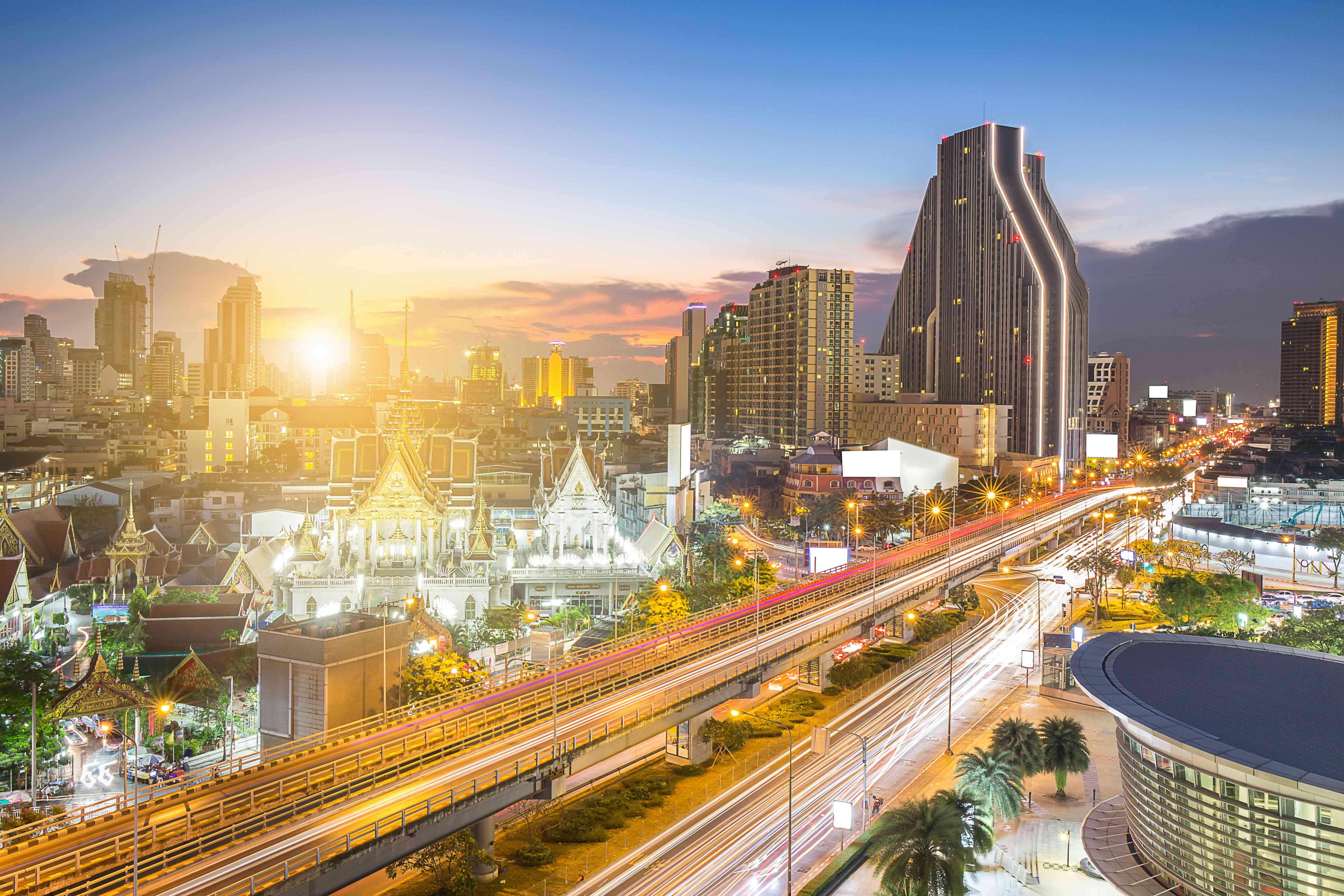
Real estate demand often clusters in areas aligned with business ecosystems and international lifestyles.
Main Business Districts
• Sukhumvit Road
• Sathorn
• Silom
• Rama 9 / New CBD Zone
Lifestyle Areas for Executives
• Thonglor
• Ekkamai
• Phrom Phong
• Ari
Key location factors include:
• Proximity to offices and BTS/MRT transportation systems
• International schools and childcare centers
• Premium healthcare facilities
• Restaurants, wellness, and lifestyle amenities
Thailand's Advantages for Long-Term Residents
Thailand has strengths as a global migration hub, which supports real estate demand through various factors, including:
• Competitive cost of living compared to major cities in the region
• Quality healthcare and education systems
• Continuous presence of multinational companies
• A lifestyle that blends urban energy with relaxation
• Diverse housing options
Conclusion
The Non-Immigrant B (Working/Business Visa) is not just a tool for work authorization but also a structural driver of long-term housing demand. As Thailand continues to elevate its role as a regional business hub, the connection between the migration of professionals and real estate investment will remain a significant force shaping the urban housing market.
References
Consular services, non-immigrant visa B (working/business visa)
https://www.thaiembassy.at/en/type-of-visa/non-immigrant-visa-b-business-and-work.html
Application for extension of stay
https://www.immigration.go.th/?p=14695