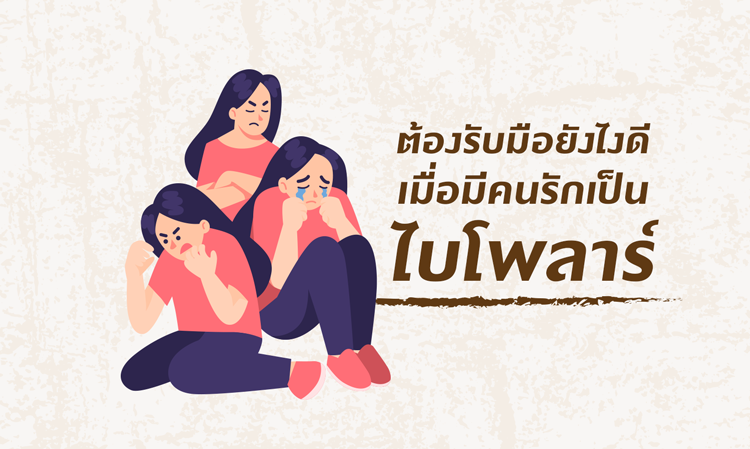
How to Cope When Your Partner is Bipolar
Everyone has probably heard of bipolar disorder and may have even jokingly referred to someone with mood swings as being "bipolar". However, many people still do not fully understand what bipolar disorder is or how to cope with someone who has this condition.
Today, we will share some ways to handle a partner with bipolar disorder. First, let's briefly understand the characteristics and symptoms of this condition.
Characteristics of 'Bipolar'
Bipolar disorder is a mental health condition that causes extreme mood swings, including emotional highs (mania) and lows (depression). These fluctuations can make it difficult for individuals to manage their daily lives, work, and social interactions. It is different from Borderline Personality Disorder (BPD).
Individuals with BPD often fear abandonment, experience unstable relationships characterized by love and hate, struggle with self-identity, have impulsive emotions, and may self-harm, with these episodes lasting only a few hours or a couple of days. In contrast, those with bipolar disorder may experience episodes of mania or severe depression lasting for weeks or even months.
Symptoms of Bipolar Disorder
People with bipolar disorder exhibit two main alternating states: periods of abnormal high mood and severe depression over a certain duration, with noticeable symptoms as follows:
Abnormal High Mood (Mania)
- Constantly feeling energized and overly active
- Excessively cheerful and restless without reason
- Reacting quickly and intensely to stimuli, easily irritated or angry, with unstable emotions
- Impulsive, quick-thinking, talking a lot, and acting rapidly
- Reckless decision-making leading to high chances of mistakes
- Increased sexual desire, risking unprotected sex with strangers
- Engaging in multiple activities simultaneously
Severe Depression
- Feeling fatigued, lacking energy, and disinterested in life
- Depressed, withdrawn, emotionally sensitive, and prone to crying
- Overthinking, anxious about various matters, and having a pessimistic outlook
- Experiencing a lack of joy in life, no sense of humor, and unresponsive to pleasurable activities
- Feeling empty, isolated, worthless, and having thoughts of death or suicide
- Significantly reduced engagement in activities or a complete lack of motivation
- Memory issues, inability to concentrate on tasks
- Sleep disturbances, possibly insomnia or excessive sleeping
- Eating problems, either overeating or undereating
- Tendency to use substances
If you have a loved one or partner with bipolar disorder, it's essential to know how to cope with them so that when they experience a flare-up, you will know how to handle the situation and their emotions.
How to Cope with a Bipolar Partner
-
Understand Bipolar Disorder
The first fundamental step is to educate yourself about this disorder, its characteristics, the symptoms exhibited during manic and depressive episodes, and the available treatment options. This understanding will help you comprehend your partner's behaviors and emotions better.
-
Avoid Hurtful Language
Some may use hurtful phrases like "crazy" or "you're really struggling" when they share their feelings. This should be avoided as such language can make a bipolar individual feel that their experiences are worthless and that they are a burden to society. Always show respect when listening to their stories.
-
Communicate Openly and Show Care
Bipolar disorder can make individuals feel isolated, worthless, and devoid of happiness. Thus, it's important to show that they are not alone and that you are there to support them. Especially during severe depressive episodes, express your love and acceptance, using phrases like "I love you, I'm worried about you, is there anything I can help with, or you are important to me".
-
Encourage Sharing of Feelings or Experiences
After having an open conversation and showing your concern, you might ask how they are feeling now, allowing them to express their emotions to you. You don’t need to show that you fully understand their feelings; just listening with care and concern is enough.
-
Don’t Dismiss Their Feelings or Thoughts
Even if your partner's feelings stem from depression, they are still valid feelings they are experiencing at that moment. Ignoring their feelings because you think they are just symptoms of the disorder can lead them to shut you out and stop sharing their emotions with you.
-
Reassure Them About Their Health
When a bipolar person is in a manic state, they often feel extremely happy and may not acknowledge their illness. However, during severe depressive episodes, they may feel overwhelmed by their health issues and hopeless about recovery. Therefore, reassure them that it is treatable like any other illness, so they don’t have to worry about it being a severe or untreatable condition. You might also suggest they seek treatment for specific symptoms you observe, such as insomnia.
-
Avoid Blame or Threatening Language
You may be concerned about your loved one's health and want to ensure they receive help, but avoid using threatening language like "You're making me worried" or "I won't help you anymore". Such statements can increase their stress and worsen their condition.
-
Monitor for Suicidal Thoughts or Behaviors
One of the risk behaviors in bipolar patients is suicide. They are more likely to think about or attempt suicide than those with depression. If you notice your partner talking about or exhibiting suicidal behavior, seek help immediately.
Contact emergency services at 191 or 1669, or reach out to mental health hotlines at 1667 or 1323. Importantly, reassure your partner that their life is meaningful.
-
Emphasize the Importance of Treatment
Bipolar disorder is a serious condition that can significantly impact various aspects of a person's life. Without treatment, symptoms can worsen over time. Therefore, encourage your partner to seek treatment from a qualified professional to improve their condition or recover from the disorder.
Now everyone should have a better understanding of what bipolar disorder entails, its delicate emotional states, and how to cope with individuals suffering from this condition. These strategies can be applied to partners, friends, or family members. For anyone with a loved one affected by this disorder, understanding the symptoms and knowing how to cope can greatly assist in supporting bipolar patients before they seek treatment.
Thank you for the information from: pobpad.com and th.wikihow.com