Creating a Good Life (Well-being) in Bangkok
Creating a Good Life <\/strong>(Well-being) <\/strong>in Bangkok<\/strong><\/span><\/p>
<\/p>
Nowadays, cities around the world are not only focused on urban development in terms of prosperity or infrastructure, but also increasingly emphasize quality of life. This has led to the widespread adoption of the concept of Wellness<\/strong><\/span>, which is not limited to just 'health'<\/strong><\/span>, but also encompasses '<\/span>Well-being<\/span><\/strong>’, referring to a good life in all aspects. Every year, an organization called EIU<\/strong><\/span> or Economist Intelligence Unit<\/strong><\/span> releases survey results that have been collected throughout the year under the report and score named Global<\/em><\/strong> Livability Index<\/em><\/strong><\/span>, which identifies the most livable cities<\/strong><\/span> in the world based on five criteria: stability, healthcare, culture and environment, education, and infrastructure. According to an article Where Does Bangkok Stand in the World's Livable Cities?<\/u><\/em><\/a>, it has been revealed that the most livable city<\/strong><\/span> in the world is Vienna, Austria<\/strong><\/span>. <\/p>
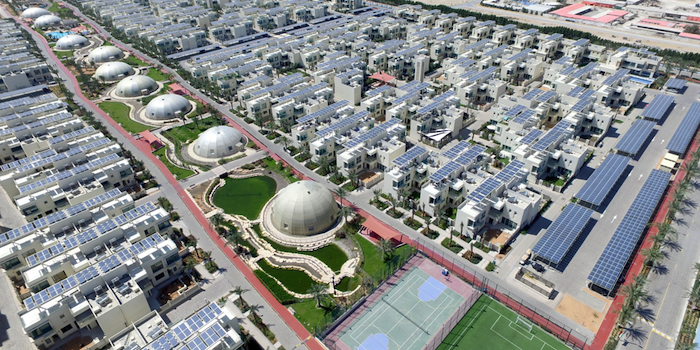
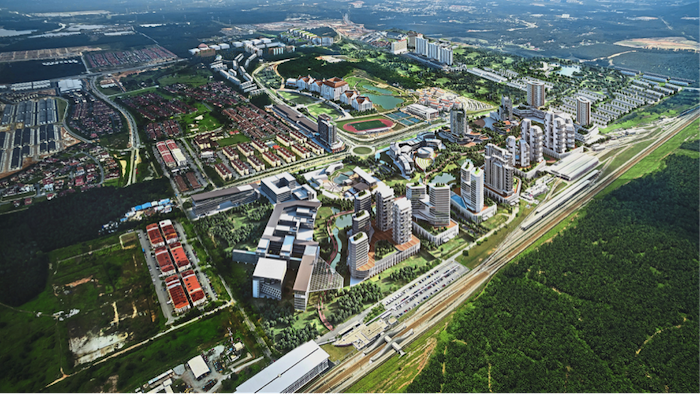
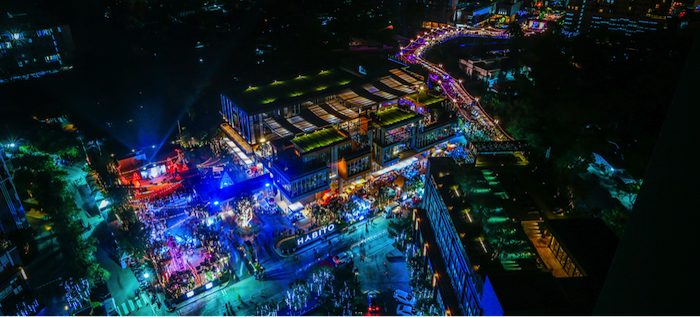
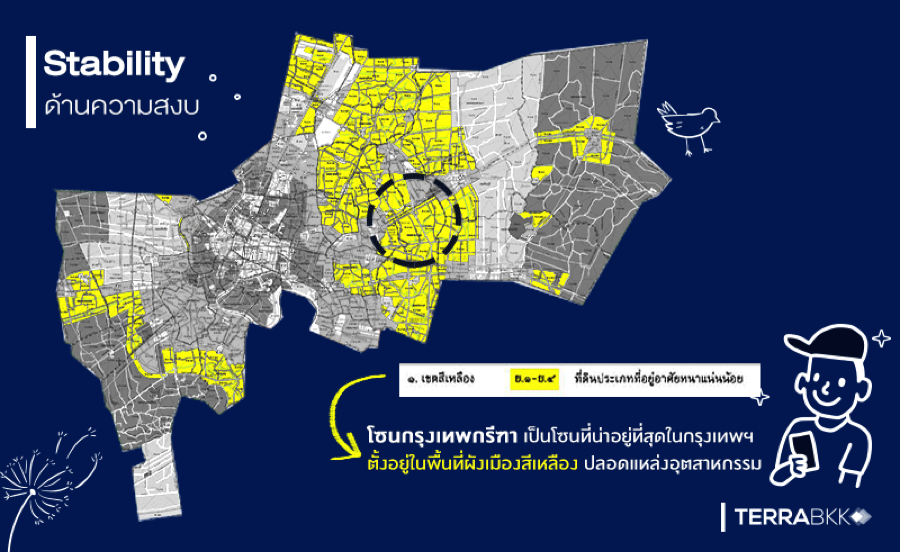
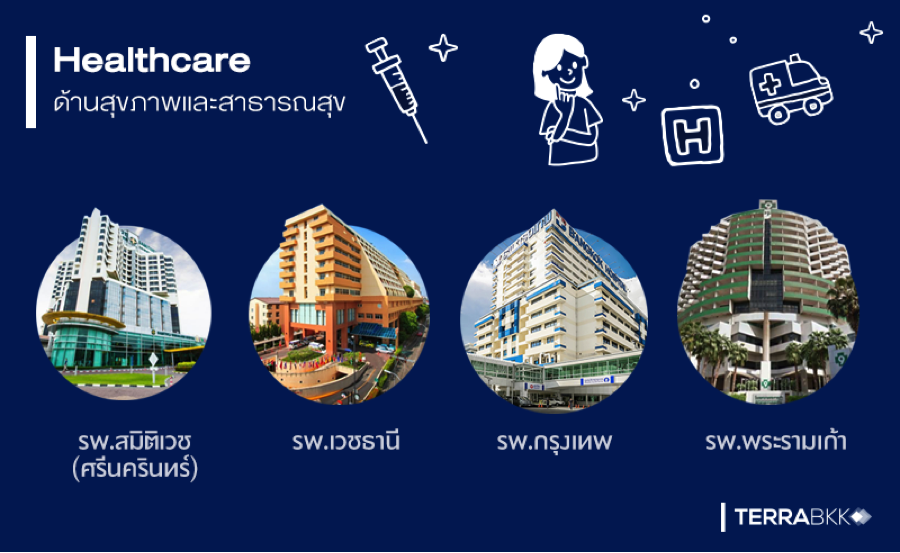
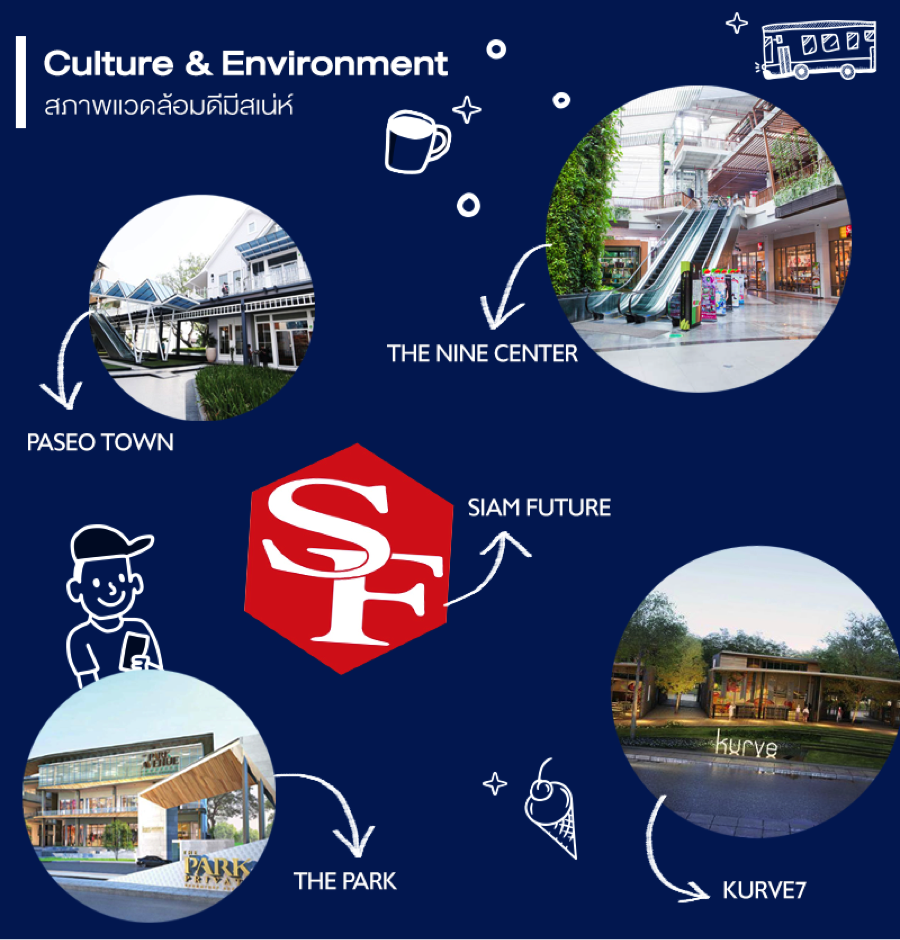
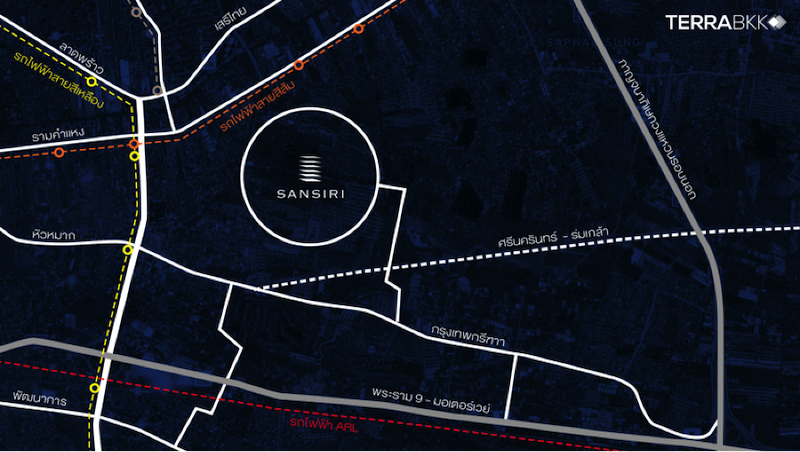
5 Dimensions of Well-being that Make a City Livable Certainly, achieving a good life in all aspects (Well-being)<\/strong><\/span> depends on many external factors. Therefore, the city or environment in which one lives is crucial for ensuring a good quality of life. The EIU<\/strong><\/span> has identified five dimensions for creating a good environment or livable city<\/strong><\/span> as follows: Stability: <\/strong>A peaceful city is a livable city In terms of peace or stability, this includes everything from minor crime rates to feelings of being threatened, which contribute to a lack of safety, as well as the frequency of crime occurrences that lead to unrest and insecurity in the city. Healthcare: <\/strong><\/span>A good city must have good health<\/span> Health is a clear indicator of the quality of the urban environment. The criteria considered by EIU<\/em><\/strong> include not only the health indicators of the general population but also the readiness and quality of services provided by private hospitals in the city. Additionally, it encompasses the preparedness for public health care as well. Culture and Environment: <\/strong><\/span>A charming environment<\/span> In terms of culture and environment, this does not only refer to traditions but broadly encompasses lifestyle within the city, including climate, social constraints, and coexistence, as well as amenities that facilitate various activities such as food, beverages, goods and services, sports, exercise, and other activities. Education: <\/strong><\/span>Education indicates quality of life<\/span> A good city must provide good education, considering the readiness of both public and private education systems, including the quality of teaching, educational resources, a good environment within educational institutions, and convenient access. Infrastructure: <\/strong><\/span>Infrastructure facilitates daily life<\/span> Infrastructure is provided by the government and significantly impacts daily life. The criteria considered by EIU emphasize both the readiness and quality of infrastructure, including road networks, public transportation, quality housing, and public utilities. Vienna, Austria scored an average of 99.1 across the five dimensions, with only the culture and environment dimension not receiving a perfect score of 100, achieving 96.3 instead. A New Phenomenon: Livable Cities Can Be Created Certainly, renovating old structures<\/em> is more complex than building new ones<\/em>. Therefore, many cities around the world are developing new districts that come with the factors of being a livable city, developed by both public and private sectors. Sharjah Sustainable City, Dubai<\/strong><\/span> Sharjah City<\/span><\/strong> was built on the concept of sustainable city<\/strong><\/span> in collaboration between the Shurooq government agency and Diamond Developers, a private company, located just 28 kilometers from downtown Dubai, with a project value of 354 million dollars. The project area of over 285 acres includes 1,120 units of 3-5 bedroom villas, each equipped with solar panels to produce renewable energy. All energy is 100% recycled, including a wastewater treatment and recycling system for reuse. What makes the Sharjah City<\/strong><\/span> truly sustainable is that, in addition to numerous amenities similar to other villa projects, such as clinics, playgrounds, swimming pools, community malls, and large parks, the project also includes a school that can accommodate up to 1,200 students. Additionally, there is an urban farm where residents can participate in sustainable farming, growing vegetables such as avocados, tomatoes, and mulberries, and a dedicated Experience Center that regularly hosts discussions on sustainable farming practices. Importantly, the internal transportation system within the project allows only electric vehicles, and residents without one will receive a subsidy of up to 10,000 dollars to purchase an electric vehicle. Sunsuria City, Malaysia A bit closer to Thailand, in Malaysia, there is the Sunsuria City<\/strong><\/span> project, covering over 1,328 acres, a mixed-use project based on the Smart Livable & Sustainable (SLS) concept, which won the Best Sustainable Township award in 2016, connected to the Express Rail Link (ERL). The Sunsuria City<\/strong><\/span> project includes shopping centers, hotels, conference centers, shops, and residential areas, all designed to meet an All-in Lifestyle. Additionally, Xiamen University is located near the project, and there are plans to develop the surrounding area as a Transit-Oriented Development (TOD). Where to Find Housing That Promotes Well-being in Bangkok? Although Bangkok ranks 98th in the Global<\/em><\/strong> Livability Index<\/em><\/strong> of the world's livable cities<\/em><\/strong><\/span> according to EIU<\/em><\/strong>, it does not mean that one cannot find a 'livable district'<\/em><\/strong> in Bangkok. The question is, where exactly is that livable district? In 2015, the T77<\/strong><\/span> project, covering over 41 acres in the rapidly growing area of On Nut<\/strong><\/span> or Sukhumvit 77<\/strong><\/span>, was launched. This project aims to create a 'livable district'<\/strong><\/span> that caters to modern living styles, comprising six residential projects, the Habito<\/strong> shopping center<\/strong>, along with restaurants, shops, workplaces, and various services. Additionally, there is an international school, Bangkok International Preparatory and Secondary School<\/strong> (Bangkok Prep)<\/strong>, making it the first project by Sansiri<\/strong><\/span> to successfully develop a complete livable district. The success of the T77 project has motivated Sansiri<\/strong><\/span> to focus on developing housing that enhances the quality of life for urban residents. They see the Bangkok-Kreetha<\/strong><\/span> area as a prime location for developing another 'livable district'<\/em><\/strong> in Bangkok. With the concept of The Next Best Living District and Sansiri's commitment to developing the best living environment, they are developing the Setthasiri Bangkok-Kreetha 2<\/strong> project on over 300 acres to create a Well-Living Town for the Next Generation, building upon the existing foundational factors of the Bangkok-Kreetha<\/strong><\/span> area that are already in place, fulfilling all five dimensions according to the Global<\/em><\/strong> Livability Index<\/em><\/strong> established by EIU<\/em><\/strong>. <\/strong><\/p>
The intention behind developing the 'livable district'<\/strong> by Sansiri<\/strong> is not only to elevate the quality of life for urban populations but also to align with international standards, having received the WELL Certification<\/strong> from the International WELL Building Institute<\/strong>, ready to create well-being<\/strong> for residents. If you're interested in the Setthasiri Bangkok-Kreetha 2<\/strong> project, click here<\/strong> - https://www.sansiri.com<\/a><\/p> 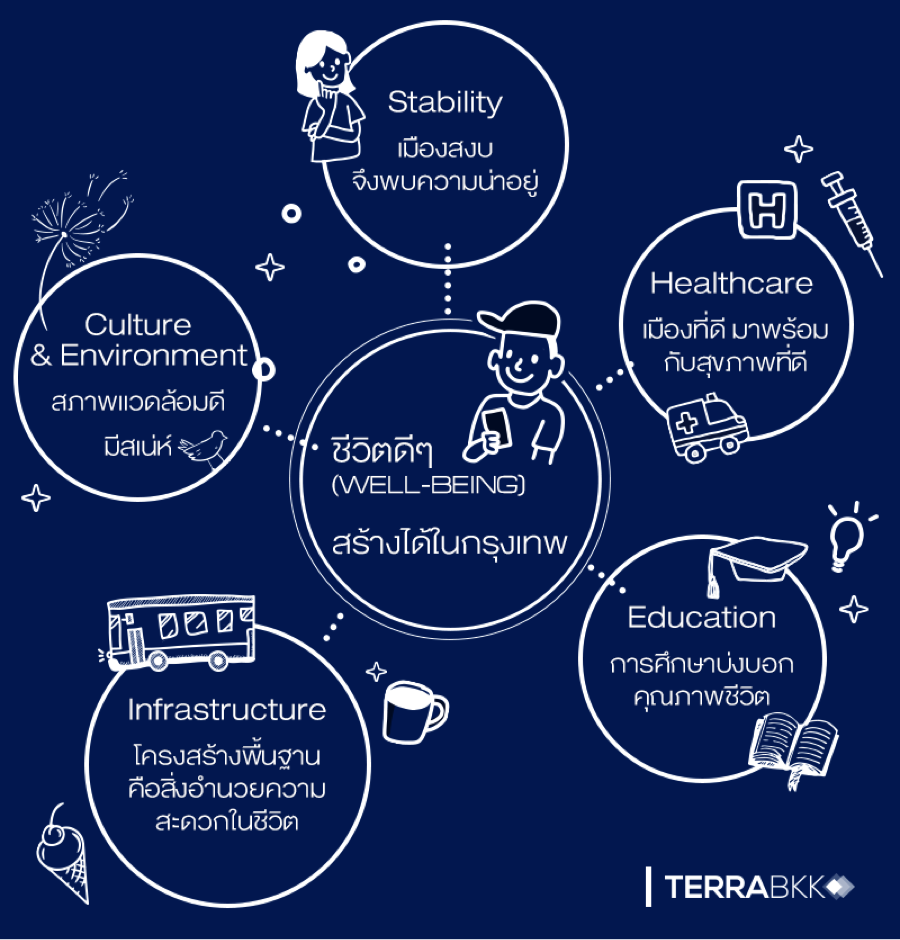 <\/p>
<\/p>
 <\/p>
<\/p>
 <\/p>
<\/p>
 <\/p>
<\/p>
 <\/p>
<\/p>
 <\/p>
<\/p>
 <\/p>
<\/p>
 <\/p>
<\/p>
 <\/strong>
 <\/strong>