Discovering Ban Plai Nern: A Learning Center for Preserving Thai Heritage
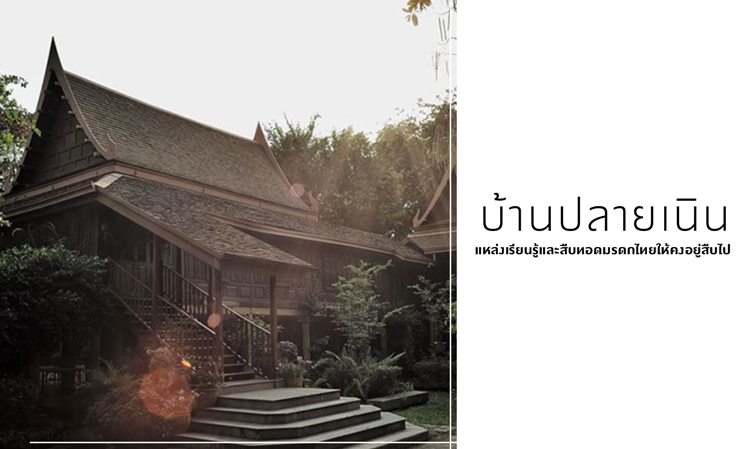
"Ban Plai Nern" is commonly referred to as "Wang Khlong Toei" and is located on Rama IV Road. It serves as a private residence of His Royal Highness Prince Narisara Nuvattiwong, who is well-known by the title "The Great Architect of Siam" and "Somdet Khru".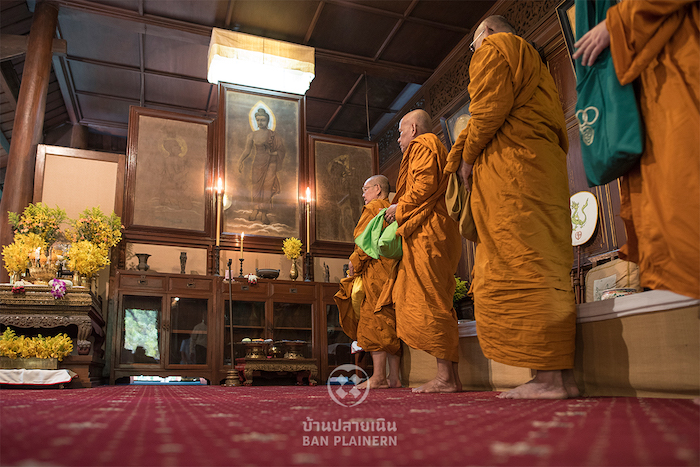
Somdet Khru's works encompass various branches of art. He composed numerous performances, including the Ramayana, Ihaena, and Sangsilpchai, among others. He selected and adapted melodies, designed sets, and directed performances in a style known as "Ancient Drama," which merges Thai theater with European opera. He composed many well-known songs, including "Khemar Sai Yok" and the lyrics for the royal anthem still used today.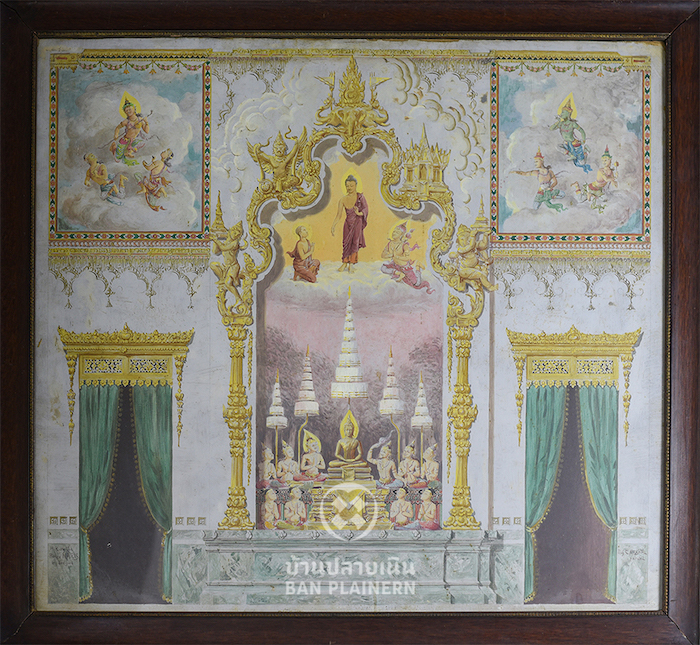
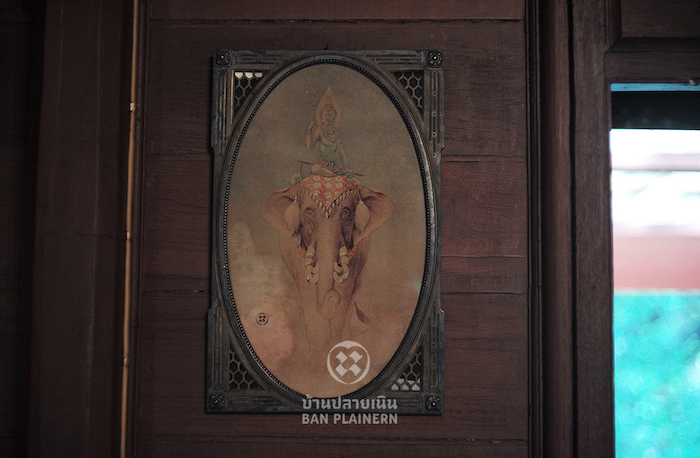
He illustrated the Ten Jataka Tales, designed numerous ceremonial fans, such as the "Dharma Fan," and frescoes of the Vessantara Jataka on the walls of the Rajathiwat Temple's ubosot, as well as the fresco of the sun pulling a chariot on the ceiling of the Boromphiman Throne Hall in the Grand Palace. He painted Indra riding the elephant Airavata, which has become a symbol of Bangkok today. Notable architectural works attributed to him include the ubosot of Benjamabophit Dusitwanaram Temple, the ubosot of Rajathiwat Rajaworawiharn Temple, and the ubosot of Phra Pathom Chedi.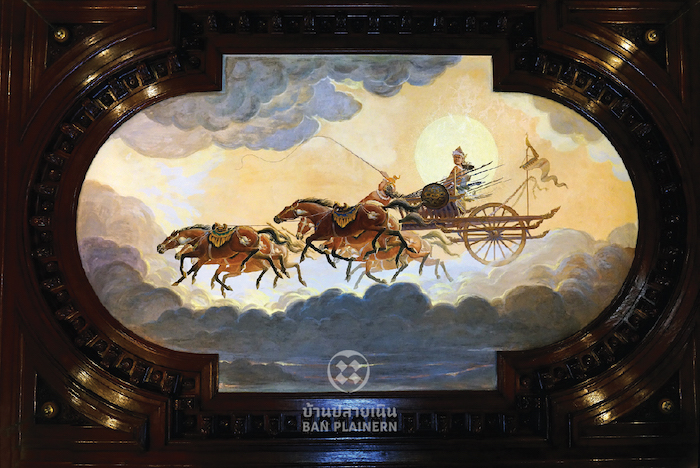
Somdet Khru was honored by UNESCO as a significant figure in world history in 1963, making him the second Thai person to receive such international recognition. Ban Plai Nern is a space where artists from different eras and cultures collaborate to create art, including contemporary architecture. Somdet Khru supported Italian artists who came to work in Siam during the reign of King Chulalongkorn, one of whom was Corrado Feroci, or Professor Silpa Bhirasri, an Italian sculptor who became a Thai citizen and founded the Faculty of Fine Arts at Silpakorn University.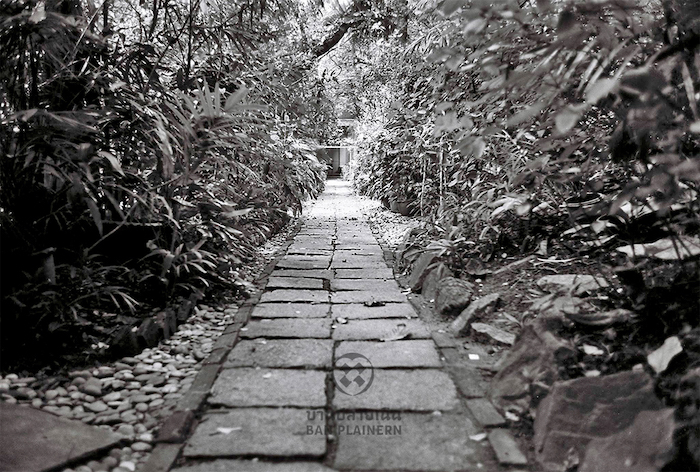
Today, Ban Plai Nern is the residence of the descendants of the Jitphong family and houses the Narisara Nuvattiwong Foundation, established to award the Naris Prize to honor and support students from across the country in studying, learning, and researching all forms of Thai art, including music, dance, painting, and architecture for over 50 years, promoting talented artists to continue the artistic heritage of Thailand.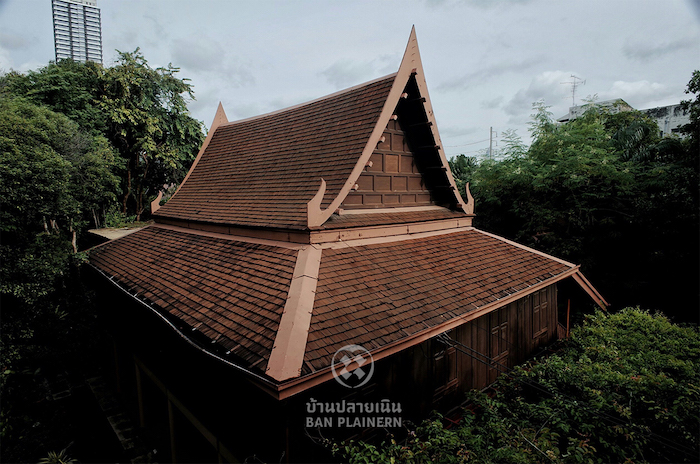
On April 28 each year, which marks the anniversary of Somdet Khru's birth, recipients of the Naris Prize and the Ban Plai Nern amateur theater group perform for the public. Past Naris Prize recipients include current craftsmen and may become national artists in the future. Many Naris Prize students have returned to Ban Plai Nern to teach Thai dance, Khon, and music when opportunities arise. A notable example is Dr. Supachai Jansomwong, a Naris Prize student honored as a national artist in the performing arts (dance) in 2005 and currently serves as the dean of the Faculty of Dance and Music at the National Institute of Development Administration. Thus, Ban Plai Nern is a place that truly promotes the preservation of Thai craftsmanship knowledge.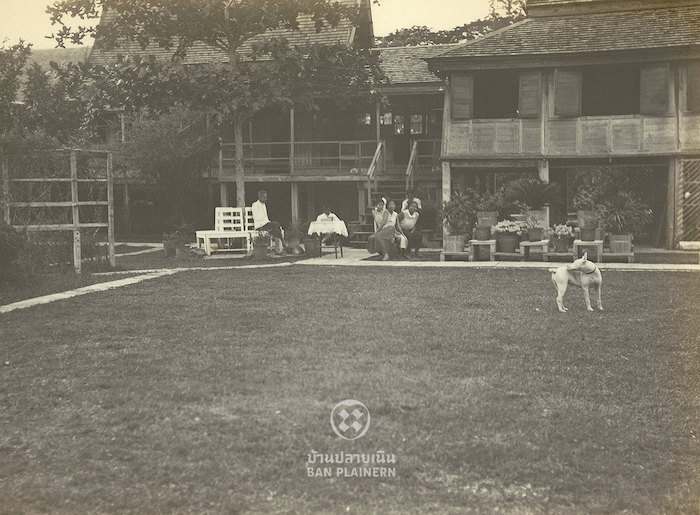
The descendants of Ban Plai Nern open the Thai residence to the public on April 29 each year, attracting overwhelming interest. On Naris Day in 2017, over 2,000 people visited the Thai residence. The fourth-generation descendants of Somdet Khru are laying out a master plan for the future of Ban Plai Nern by creating a registry of sketches by Somdet Khru, ancient art objects he collected, and his personal belongings. They are also preparing to repair and preserve important buildings within the Khlong Toei Palace area, including the Thai residence, the main building, the grandmother's house, and the theater, with the intention of preserving and renovating all buildings to open them as a museum, learning center, and training facility accessible to the public in the future.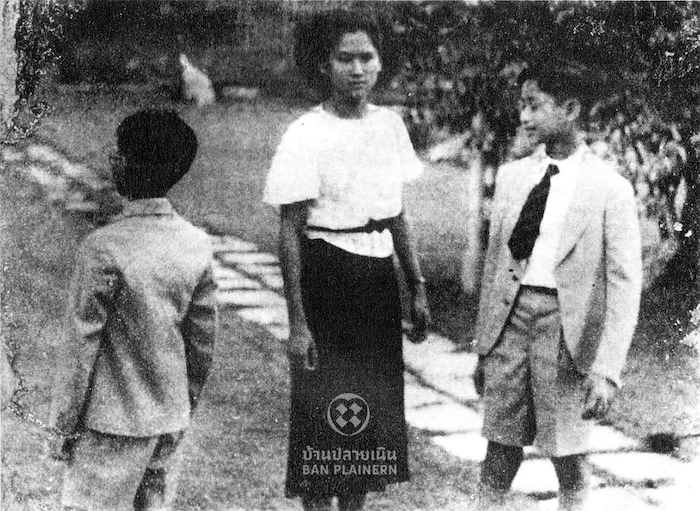
The project that has already begun is the repair of the Thai residence. A team of conservation architects, led by Dr. Yuwarat Maesilp and Assistant Professor Thitiwut Chaisawatari, is working with arborists, lighting designers, landscape architects, and drainage system engineers. Everyone is committed to completing the work in time for the Naris Day event in 2019. All descendants of Somdet Khru are determined to continue the good work through various important activities of Ban Plai Nern, hoping that every story of every physical element, such as large trees, the ancient drama performance garden, the stone walkway of the golden teak Thai residence, valuable hand-crafted works, and knowledge in all fields will live on as a treasure of the Thai nation for generations to come.
SOURCE: www.dooddot.com