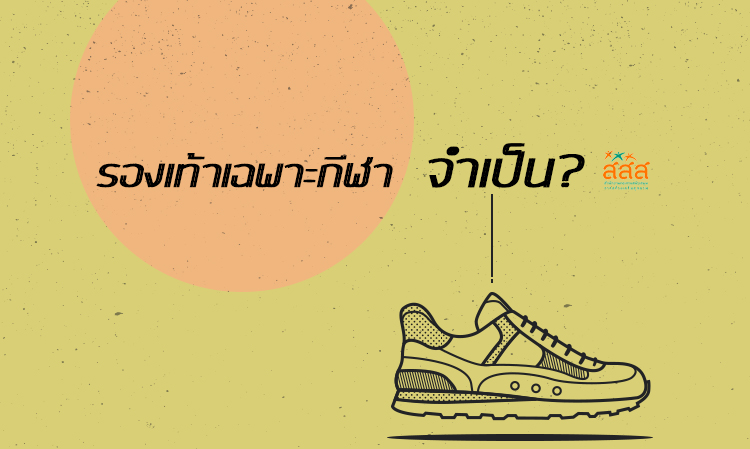
Are Sports-Specific Shoes Necessary?
Back in school, we wore just one pair of gym shoes for everything. So why is it that as we grow up, playing just one sport sometimes requires multiple pairs of shoes? The more sports we play, the more shoes we seem to accumulate at home.
What’s more important: skill or shoes?
I’d like to illustrate this with an example. Have you ever seen free runners? Those who leap across buildings, climb walls, and jump down from the second floor? What do you think is more important for them: 'skill' or 'shoes'? Personally, I believe that someone without skill, no matter how advanced their shock-absorbing shoes are, could still get seriously injured. Therefore, the most crucial factor is skill.
Another example is in running, where some athletes run barefoot, either truly without shoes or with very minimal footwear. These athletes can complete marathons and even ultramarathons. If you look at some unusual records in marathons, you’ll find runners not only barefoot but also in flip-flops, sandals, and various other types of running shoes. Thus, the first thing to focus on is skill.
However, if you ask me, “Is there a downside to wearing different types of shoes interchangeably?” the answer is yes. For instance, wearing running shoes while doing Olympic lifting or powerlifting might cause the sole to compress, affecting balance. Similarly, wearing running shoes for badminton or basketball could reduce performance and increase the risk of ankle sprains, as running shoes are designed for forward movement and not for activities that require frequent direction changes. Therefore, if you have the budget, I recommend choosing shoes specific to your sport.
One Pair for Everything
But if you ask, “If I don’t play any particular sport seriously and need to buy just one pair of sports shoes, what type should I get?” I recommend getting training shoes. These are typically designed for general exercise in the gym and are used by athletes for training, as they often need to practice multiple sports, including running and aerobics. The good characteristics of these shoes are:
– The sole is even, with no thick heel or pointed toe.
– The sole is firm, not compressible, but can absorb some impact.
– The shoe is flexible and can bend.
– It has a wide toe box, allowing for good balance.
– The side sole is flat, not overly rounded, allowing for good directional movement.
So, if you want a pair of shoes that can be used for aerobics, fitness, running, and other sports, consider training shoes. Think of them as adult gym shoes, but make sure to choose wisely. Some training shoe models are specifically designed for serious weight training, CrossFit, or powerlifting, which means they may have a stiffer sole.
Skill is the Most Important
From my own experience, I used to be a university athlete in basketball, rugby, and taekwondo, and I never got injured from exercising. However, after graduating and starting to run, even just a mini-marathon (10 kilometers), I would experience knee pain every time I ran. At that point, I had two options: switch to more supportive shoes or change my running form. I tried both. Initially, I spent money to solve the problem by changing my shoes, and the pain went away. But I believe in human potential, so I tried learning to run barefoot and found that the pain disappeared as well. With good skills, I could return to my old running shoes that had previously caused pain, and I experienced less discomfort, improved speed, and greater safety.
Finally, I want to emphasize once again that skill is the most important factor for safe exercise. Once we have honed our skills, the right equipment will help enhance our exercise performance even further.
Thanks for the information from www.thaihealth.or.th